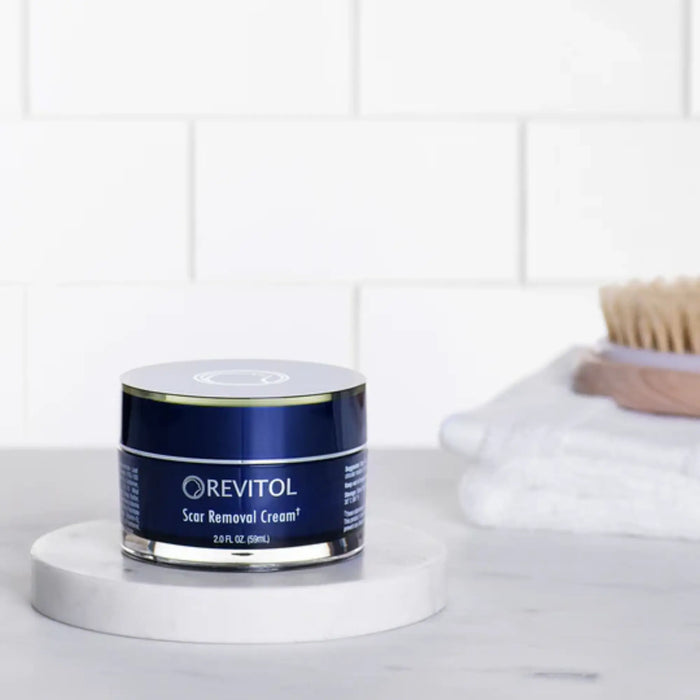
Revitol Scar Removal Cream
Revitol Scar Removal: Remodel and Fade Unwanted Scars
Scars tell stories, but sometimes they're stories we'd rather not display. Whether from acne, surgery, injuries, or burns, scars can affect confidence and self-esteem. Revitol Scar Removal Cream uses clinically-proven ingredients to flatten raised scars, smooth depressed scars, and fade discoloration—restoring skin closer to its original appearance.
Understanding Scar Formation
Scars form when the dermis (deep skin layer) is damaged. The body repairs the wound with collagen, but this emergency repair produces disorganized collagen fibers that look and feel different from surrounding skin. Scar tissue lacks hair follicles, sweat glands, and the organized structure of normal skin.
The appearance of scars varies based on:
- Hypertrophic Scars: Raised, red scars that stay within wound boundaries
- Keloids: Raised scars that grow beyond original wound area
- Atrophic Scars: Depressed or pitted scars (common with acne)
- Contracture Scars: Tight scars that restrict movement (common with burns)
How Our Formula Works
Collagen Remodeling
Copper Peptide (GHK-Cu): Signals the skin to break down excess scar collagen while stimulating production of organized, normal collagen. This remodeling process gradually flattens raised scars and fills depressed scars.
Pigmentation Correction
Hydroquinone (2%): The gold standard for fading hyperpigmentation, including the dark or red discoloration common in scars. Inhibits melanin production to even out skin tone.
Exfoliation and Renewal
Glycolic Acid: This AHA accelerates cell turnover, shedding the damaged surface layer and encouraging fresh, normal skin growth. Helps smooth texture irregularities.
Anti-Inflammatory Support
Onion Extract (Allium Cepa): Clinically shown to improve scar appearance by reducing inflammation, inhibiting excess collagen production, and promoting organized healing.
Frequently Asked Questions
Common questions about this topic, answered by experts.
Does this work on old scars?
"Yes, but expect it to take longer. New scars (under 2 years) respond faster because the collagen is still actively remodeling. Old scars have more established, stable collagen structures that take more time to break down and reorganize. For scars 5+ years old, allow 6-12 months for significant improvement. Many users report noticeable changes even in decades-old scars, though complete removal isn't realistic."
Recommended Products

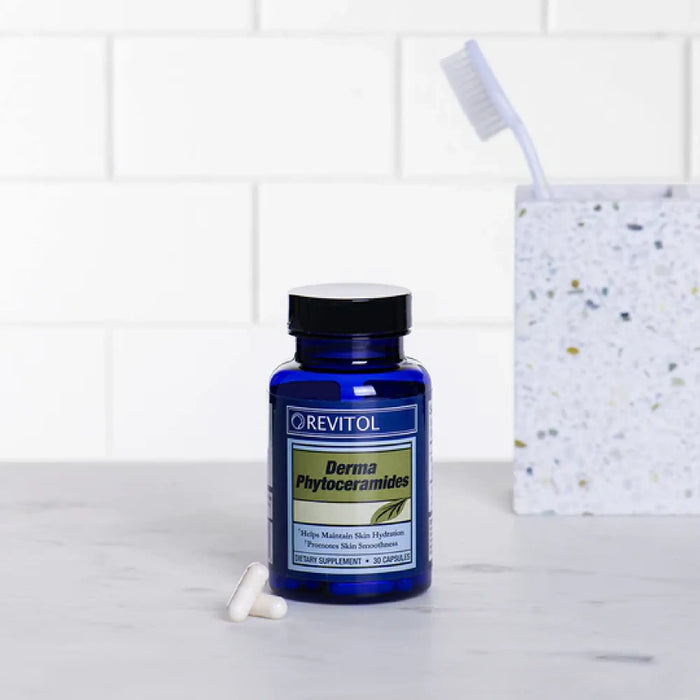
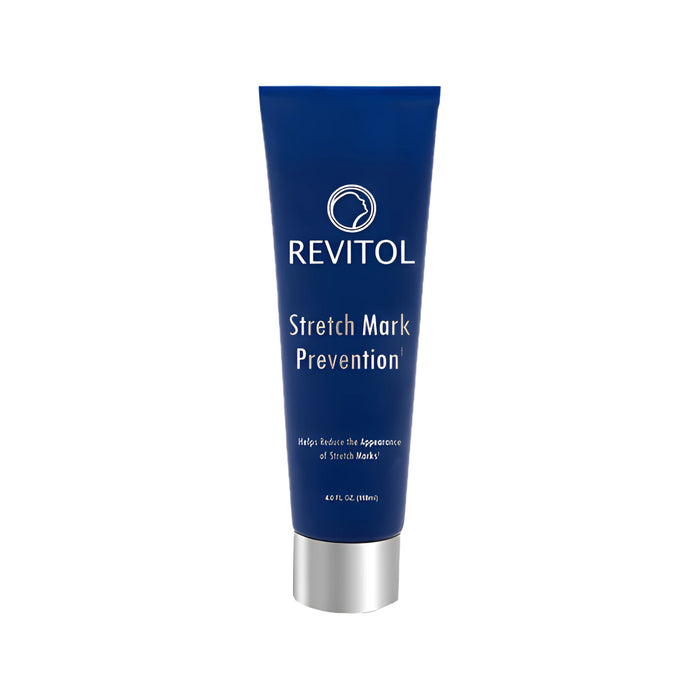
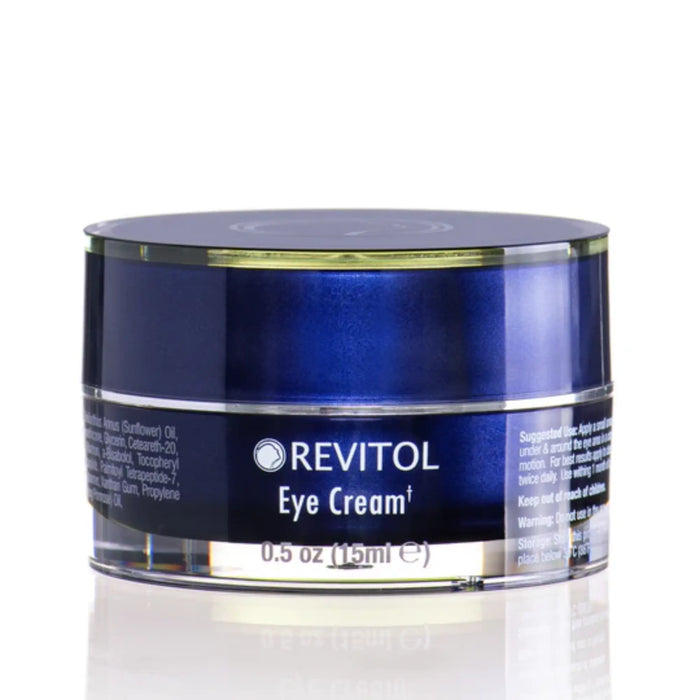
Related Articles

The Ultimate Guide to Anti-Aging: Skincare Science, Supplements & What Actually Reverses Aging Signs
A dermatologist-reviewed comprehensive guide to anti-aging. Learn the science of skin aging, which ingredients have clinical evidence, and how to build an effective anti-aging protocol.

Phytoceramides: The Complete Guide to the "Facelift in a Bottle" Phenomenon
Everything you need to know about phytoceramides—the oral supplement that restores skin from within. Learn the science, clinical evidence, and how to choose quality products.

The Science of Eye Creams: How to Treat Dark Circles, Puffiness & Crow's Feet
A dermatology researcher's guide to eye area treatments. Learn what causes under-eye problems, which ingredients actually work, and how to choose the right eye cream.