Your gut contains trillions of bacteria that collectively weigh 2-5 pounds—and they control far more than digestion. This "second brain" influences immunity, mood, weight, and even skin health. Understanding probiotics and gut health is essential for optimizing your overall wellness.
The Gut Microbiome: Your Internal Ecosystem
Your gastrointestinal tract hosts approximately 100 trillion microorganisms—bacteria, viruses, fungi, and other microbes collectively called the gut microbiome. This ecosystem:
- Contains more cells than your entire human body
- Weighs 2-5 pounds in a typical adult
- Contains 500-1000 different bacterial species
- Encodes 100 times more genes than your human genome
We've evolved a symbiotic relationship with these organisms—they help us, and we provide them a home.
What Gut Bacteria Do For You
Immune Function (70% of your immune system is in your gut)
- Train and regulate immune cells
- Create a barrier against pathogenic bacteria
- Produce antimicrobial compounds
- Regulate inflammation throughout the body
Nutrient Production & Absorption
- Synthesize vitamins B12, K, biotin, and folate
- Help extract calories from food
- Produce short-chain fatty acids (fuel for colon cells)
- Aid absorption of minerals like calcium and iron
Brain & Mood (The Gut-Brain Axis)
- Produce 95% of your body's serotonin (the "happiness" neurotransmitter)
- Manufacture GABA, dopamine, and other neurotransmitters
- Communicate directly with the brain via the vagus nerve
- Influence stress response and anxiety levels
Metabolism & Weight
- Influence how many calories you extract from food
- Affect fat storage and appetite hormones
- Impact insulin sensitivity
- Different microbiome compositions are associated with obesity vs. leanness
What Disrupts the Microbiome?
Modern life is particularly hard on gut bacteria:
Antibiotics
Antibiotics are lifesaving but indiscriminate—they kill beneficial bacteria along with pathogens. A single course can alter the microbiome for months. Recovery varies; some species may never fully return.
Processed Foods
The Standard American Diet (SAD) is low in fiber and high in sugar, additives, and processed ingredients. Beneficial bacteria thrive on fiber; without it, they starve. Artificial sweeteners and emulsifiers may also harm gut bacteria.
Chronic Stress
The gut-brain axis works both ways. Chronic stress alters gut motility, increases permeability ("leaky gut"), and changes microbiome composition. Stress-induced microbiome changes can then worsen mood and anxiety.
Other Factors
- Age: Microbiome diversity naturally declines with aging
- C-section birth: Babies delivered vaginally acquire beneficial bacteria from the birth canal
- Formula feeding: Breast milk contains prebiotics that feed beneficial bacteria
- NSAIDs: Regular use can damage gut lining
- Alcohol: Excessive intake harms gut bacteria and barrier function
Understanding Probiotics
Probiotics are live microorganisms that, when consumed in adequate amounts, provide health benefits. They can come from fermented foods or supplements.
Key Probiotic Strains
Different strains have different effects—specificity matters:
Lactobacillus Species
- L. acidophilus: Most researched; supports digestive health, may help with lactose intolerance
- L. rhamnosus GG: Well-studied for diarrhea prevention and immune support
- L. plantarum: Survives stomach acid well; anti-inflammatory properties
- L. casei: Supports immune function; may help with GI infections
Bifidobacterium Species
- B. longum: Supports immune function; may reduce anxiety
- B. lactis: Enhances immune response; improves constipation
- B. bifidum: First bacteria to colonize infants; supports barrier function
- B. breve: Good for digestive health; reduces bloating
Other Beneficial Strains
- Saccharomyces boulardii: Beneficial yeast; excellent for antibiotic-associated diarrhea
- Streptococcus thermophilus: Helps with lactose digestion
CFUs: How Many Bacteria Do You Need?
CFU stands for Colony Forming Units—a measure of viable bacteria. Guidelines:
- General wellness: 5-10 billion CFU daily
- Specific conditions: 15-100+ billion CFU may be needed
- More isn't always better: Strain selection matters more than sheer numbers
- At time of manufacture vs. expiry: Bacteria die over time; look for guarantees at expiry date
Evidence-Based Benefits of Probiotics
Digestive Health
Evidence Level: Strong
- Prevention and treatment of antibiotic-associated diarrhea
- Symptom improvement in Irritable Bowel Syndrome (IBS)
- Reduction in bloating, gas, and irregular bowel movements
- Management of inflammatory bowel conditions
Immune Function
Evidence Level: Good
- Reduced duration and severity of common colds
- Lower rates of respiratory infections in children
- Enhanced response to vaccines
- Modulation of allergic responses
Mental Health (Psychobiotics)
Evidence Level: Emerging
- Reduced symptoms of depression and anxiety in multiple trials
- Lowered cortisol (stress hormone) levels
- Improved mood in healthy individuals
- Potential for PTSD and other stress-related conditions
Weight Management
Evidence Level: Moderate
- Some strains associated with reduced body fat
- May help prevent weight regain after dieting
- Influence on appetite hormones and calorie extraction
Prebiotics: Feeding Your Good Bacteria
Prebiotics are non-digestible fibers that feed beneficial bacteria. They're just as important as probiotics:
- Inulin: Found in chicory root, onions, garlic
- Fructooligosaccharides (FOS): Found in bananas, asparagus, artichokes
- Galactooligosaccharides (GOS): Found in legumes, dairy
- Resistant starch: Found in cooled potatoes/rice, green bananas
The combination of probiotics + prebiotics is called synbiotics—the prebiotics help the probiotics survive and thrive.
Choosing a Probiotic Supplement
Key Factors
- Strain specificity: Look for well-researched strains with specific benefits
- Adequate CFUs: Minimum 10 billion for general health; more for specific issues
- Multiple strains: Diversity is important; 5-15 different strains is typical
- Survivability: Strains that can survive stomach acid
- Shelf stability: Some require refrigeration; others are shelf-stable
- Guaranteed potency at expiry: Not just at manufacture
Recommendation
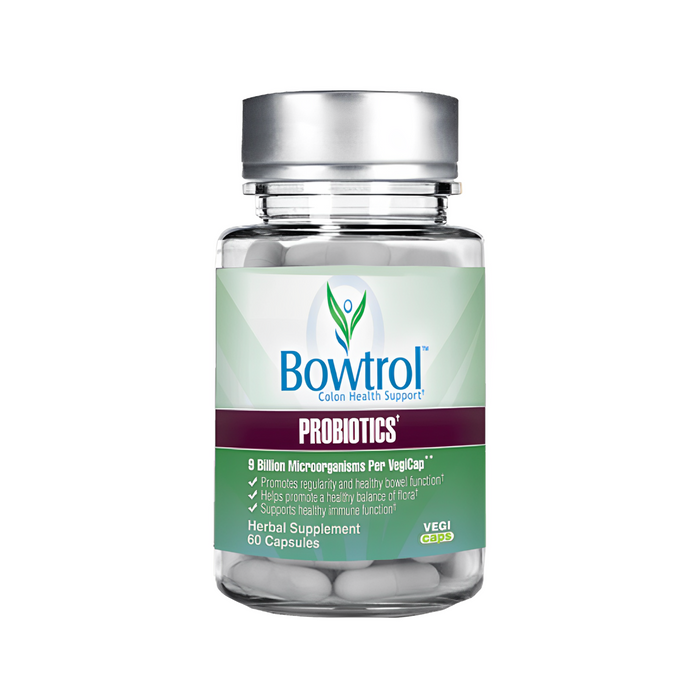
Bowtrol Probiotics delivers 10 billion CFU with research-backed strains including Lactobacillus acidophilus and Bifidobacterium, designed to survive stomach acid and colonize the gut effectively.
Supporting Gut Health Beyond Probiotics
Diet
- Fiber: Aim for 30-40g daily from diverse plant sources
- Fermented foods: Yogurt, kefir, sauerkraut, kimchi, kombucha
- Polyphenols: Found in colorful fruits, vegetables, tea, coffee, red wine
- Limit: Processed foods, artificial sweeteners, excessive sugar
Lifestyle
- Manage stress: Chronic stress damages gut health
- Exercise: Physical activity increases microbiome diversity
- Sleep: Poor sleep disrupts the microbiome
- Minimize unnecessary antibiotics: Use only when truly needed
Consider a Colon Cleanse
For those with sluggish digestion or starting a gut health protocol, a gentle colon cleanse can help reset the system before introducing probiotics.
Conclusion
Your gut microbiome is a critical organ system affecting virtually every aspect of health. In our modern environment of antibiotics, processed foods, and chronic stress, supporting gut health has never been more important.
A quality probiotic like Bowtrol Probiotics combined with prebiotic-rich foods, stress management, and a diverse whole-foods diet creates the foundation for a thriving internal ecosystem.
Remember: you're not just feeding yourself—you're feeding trillions of bacteria that directly influence how you feel every day.