Scars tell our stories, but sometimes we'd rather they didn't. Whether from acne, surgery, injury, or pregnancy, scars can significantly impact confidence. The good news: modern scar treatments can dramatically improve their appearance. This guide explains the science of scar formation and evidence-based treatment options.
Understanding How Scars Form
A scar is your body's natural response to skin damage. When the dermis (deep skin layer) is injured, the body produces collagen fibers to repair the wound. This repair tissue differs from normal skin:
- Collagen is laid down in parallel bundles (vs. random basket-weave pattern in normal skin)
- Lacks hair follicles, sweat glands, and normal skin structures
- Has different texture, color, and elasticity than surrounding skin
- May be raised, depressed, or discolored
Types of Scars
Atrophic Scars (Depressed)
Form when not enough collagen is produced during healing. Common after acne, chickenpox, or injury. Subtypes include:
- Ice Pick Scars: Deep, narrow, pitted scars
- Boxcar Scars: Broad, rectangular depressions with defined edges
- Rolling Scars: Wave-like, sloping edges creating uneven texture
Hypertrophic Scars
Raised scars that stay within the boundaries of the original wound. Result from excess collagen production. Often red or pink initially, may flatten and fade over time.
Keloid Scars
Raised scars that extend beyond the original wound. More common in darker skin tones. Can continue growing and rarely resolve on their own. Often require medical treatment.
Stretch Marks (Striae)
A form of scarring caused by rapid skin stretching (pregnancy, growth spurts, weight changes). The dermis tears, creating linear scars that start red/purple and fade to white/silver.
Contracture Scars
Typically from burns. Skin tightens during healing, potentially limiting movement. Often require specialized medical treatment.
Evidence-Based Scar Treatment Ingredients
Silicone
Evidence Level: Strong
Silicone is the gold standard for scar treatment with decades of research. It works by:
- Creating an occlusive barrier that hydrates scar tissue
- Regulating collagen production
- Reducing inflammation
- Protecting from external irritation
Available as sheets, gels, or in cream formulations. Studies show significant improvement in scar appearance with consistent use.
Onion Extract (Allium Cepa)
Evidence Level: Moderate
Found in products like Mederma. Has anti-inflammatory and collagen-regulating properties. Studies show improvements in scar texture, redness, and softness, especially when combined with other ingredients.
Vitamin E
Evidence Level: Mixed
Despite its popularity, pure vitamin E oil has limited evidence for scar improvement. However, as part of a comprehensive formula with other ingredients, it contributes antioxidant protection and moisturization.
Vitamin C
Evidence Level: Good
Supports collagen synthesis and has brightening effects on hyperpigmented scars. Helps normalize collagen production during the healing phase.
Retinoids
Evidence Level: Good
Increase cell turnover and collagen remodeling. Particularly effective for acne scars and post-inflammatory hyperpigmentation. Require careful use to avoid irritation.
Centella Asiatica (Gotu Kola)
Evidence Level: Good
Contains compounds that stimulate collagen synthesis and have anti-inflammatory properties. Traditionally used for wound healing; modern studies support its efficacy.
Niacinamide
Evidence Level: Good
Reduces inflammation, improves barrier function, and helps fade hyperpigmentation. Excellent supporting ingredient for scar treatment.
Scar Treatment by Type
For Acne Scars
- Mild: Topical treatments with retinoids, niacinamide, vitamin C
- Moderate: Add professional treatments (chemical peels, microneedling)
- Severe: May require laser, subcision, or fillers
For Surgical Scars
- Start treatment as soon as wound is fully closed (no open areas)
- Silicone-based products are first line
- Massage helps break up scar tissue
- Sun protection is critical (scars can hyperpigment)
For Stretch Marks
- Best treated when red/purple (new)
- Retinoids show best evidence (not during pregnancy)
- Centella asiatica has prevention and treatment evidence
- White/silver stretch marks are harder to treat
Revitol Stretch Mark Cream contains clinically-studied ingredients for both prevention and treatment.
For Hypertrophic/Raised Scars
- Silicone sheets or gel are first-line treatment
- Pressure therapy may help
- Steroid injections for stubborn cases (medical treatment)
- Laser therapy for significant scars
My Recommendation
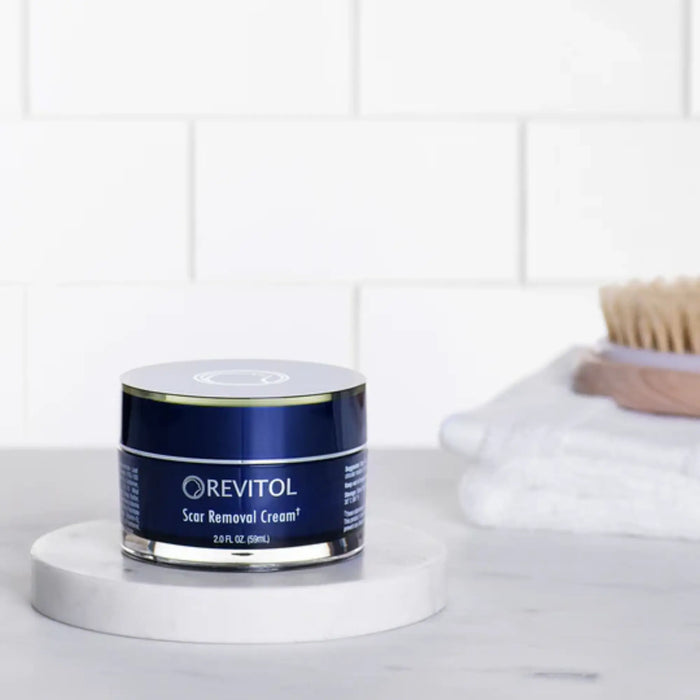
Revitol Scar Removal Cream combines multiple evidence-based ingredients:
- Hydroquinone-free formula safe for all skin types
- Vitamin E, vitamin A, and vitamin C complex
- Supports collagen remodeling
- Suitable for acne scars, surgical scars, and injury scars
Treatment Timeline
- New scars (under 2 years): Respond best to treatment; expect improvement in 8-12 weeks
- Older scars: Require longer treatment (3-6+ months); improvement is possible but slower
- Red/purple scars: Color typically fades faster than texture improves
- Texture improvement: Requires consistent use for months
Scars continue to mature for 1-2 years after formation. Treatment during this "active" phase produces best results.
Best Practices for Scar Treatment
- Start early: Begin treatment as soon as wound is closed
- Be consistent: Apply products 2x daily without missing
- Protect from sun: UV darkens scars; use SPF 30+ daily
- Massage: Gentle massage helps break up scar tissue
- Be patient: Meaningful improvement takes months
- Take photos: Track progress monthly (same lighting)
When to See a Doctor
Consult a dermatologist or plastic surgeon for:
- Keloid scars (extending beyond wound)
- Scars limiting movement (contractures)
- Severe acne scarring
- Scars not responding to OTC treatment after 6 months
- Emotional distress from scarring
Conclusion
Scar treatment requires patience and consistency, but meaningful improvement is possible for most scars. Start with quality topical treatments like Revitol Scar Removal Cream, protect from sun exposure, and give treatments adequate time to work. For stubborn scars, professional treatments can provide additional improvement.