Women's health encompasses unique biological needs that change dramatically throughout life—from menstruation through menopause and beyond. As a naturopathic doctor specializing in women's health for over 8 years, I've helped thousands of women navigate these transitions naturally. This guide provides evidence-based supplement recommendations for every stage of a woman's life.
Part 1: Understanding Women's Unique Health Needs
Women's bodies operate differently from men's in fundamental ways that affect supplement needs:
Hormonal Complexity
Women experience monthly hormonal fluctuations involving estrogen, progesterone, FSH, LH, and other hormones. These cycles affect:
- Energy levels and metabolism
- Mood and cognitive function
- Sleep quality
- Skin and hair health
- Nutrient absorption and requirements
Life Stage Transitions
Women's nutritional needs shift dramatically across life stages:
- Reproductive Years: Iron, folate, and hormonal balance
- Pregnancy/Nursing: Increased demands for virtually all nutrients
- Perimenopause: Hormone fluctuation support
- Menopause: Bone health, cardiovascular support, hot flash relief
- Post-Menopause: Cognitive health, bone density, heart health
Common Deficiencies in Women
Women are particularly prone to deficiencies in:
- Iron: Due to menstrual blood loss; affects 10% of women
- Vitamin D: Critical for bone health; 42% of adults are deficient
- Calcium: Bone density requirements are higher
- Vitamin B12: Especially in vegetarians and older women
- Omega-3s: Most women don't consume enough fatty fish
- Magnesium: Supports hundreds of enzymatic processes
Part 2: Female Hair Loss & Regrowth
Hair loss in women is more common than most realize—affecting approximately 40% of women by age 50. Unlike male pattern baldness (which follows predictable patterns), female hair loss typically presents as diffuse thinning across the entire scalp.
Causes of Female Hair Loss
- Androgenic Alopecia: Genetic sensitivity to androgens (similar mechanism to male baldness)
- Telogen Effluvium: Temporary shedding after stress, illness, pregnancy, or nutrient deficiency
- Hormonal Changes: Postpartum, menopause, thyroid issues, PCOS
- Nutritional Deficiencies: Iron, biotin, zinc, vitamin D
- Styling Damage: Heat, chemicals, tight hairstyles (traction alopecia)
Treatment Approach for Women
Minoxidil 2% (Topical)
Minoxidil is the only FDA-approved topical treatment for female hair loss. Important notes for women:
- Women should use 2% concentration (not 5% men's formula)
- 5% can cause unwanted facial hair growth in women
- Results typically visible after 4-6 months
- Must be continued indefinitely to maintain results
DHT Support (Internal)
Women can benefit from mild natural DHT modulators:
- Saw Palmetto: Gentle 5-alpha reductase inhibition (lower doses than men)
- Pumpkin Seed Oil: Shown to increase hair count in studies
- Biotin: Essential for keratin production
- Iron: Deficiency is a major cause of female hair loss
Recommended Product
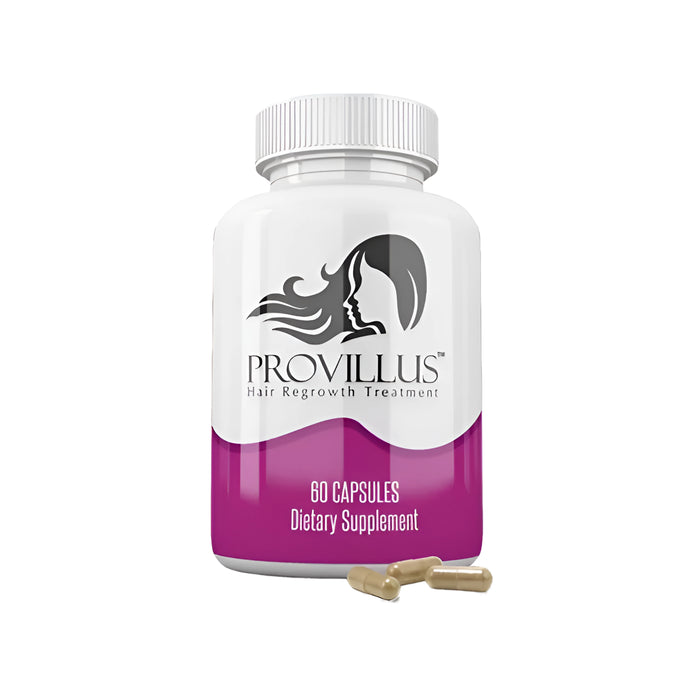
Provillus for Women is specifically formulated for female hair loss with 2% Minoxidil plus a supplement containing biotin, horsetail silica, and other hair-supporting nutrients—without the high-dose DHT blockers in men's formulas that could affect female hormones.
Timeline for Female Hair Regrowth
- Month 1-2: Possible initial shedding (normal)
- Month 3-4: Shedding stops; fine new hairs appear
- Month 4-6: Visible improvement in density
- Month 6-12: Continued thickening; full results
Part 3: Hormonal Balance Supplements
Hormonal imbalances affect millions of women, causing symptoms from irregular periods to mood swings to weight gain. Natural supplements can support hormonal health, though they work best for mild-to-moderate imbalances.
Chasteberry (Vitex agnus-castus)
Evidence Level: Good
Chasteberry works on the pituitary gland to balance the ratio of estrogen to progesterone. Clinical benefits include:
- Reduced PMS symptoms (breast tenderness, mood changes, bloating)
- More regular menstrual cycles
- Relief from premenstrual dysphoric disorder (PMDD)
- Support for fertility in women with luteal phase defects
Dosing: 20-40mg standardized extract daily
Maca Root (Lepidium meyenii)
Evidence Level: Moderate
Maca is an adaptogen that supports the hypothalamic-pituitary-ovarian axis. Benefits include:
- Increased energy and reduced fatigue
- Improved libido and sexual function
- Reduced menopausal symptoms (hot flashes, night sweats)
- Better mood and reduced anxiety
Dosing: 1500-3000mg daily
Evening Primrose Oil
Evidence Level: Moderate
Rich in gamma-linolenic acid (GLA), evening primrose oil supports prostaglandin production and may help with:
- Breast pain (mastalgia)
- PMS symptoms
- Skin health
- Menopausal symptoms
DIM (Diindolylmethane)
Evidence Level: Moderate
DIM is a compound found in cruciferous vegetables that supports healthy estrogen metabolism:
- Promotes conversion to beneficial estrogen metabolites
- May help with estrogen dominance symptoms
- Supports hormonal balance in PCOS
Part 4: Fertility Support
For women trying to conceive, certain supplements may support fertility—though they should complement, not replace, medical fertility treatment when needed.
Evidence-Based Fertility Supplements
Folate (Methylfolate)
Essential for preventing neural tube defects and supporting early pregnancy. Start at least 3 months before conception. Use methylfolate (active form) rather than folic acid, especially if you have MTHFR gene variants.
CoQ10
Supports egg quality by providing energy to developing follicles. Studies show benefits for women over 35 and those undergoing IVF. Dosing: 200-600mg daily.
Vitamin D
Low vitamin D is associated with reduced fertility. Optimal levels (40-60 ng/mL) support healthy ovulation and implantation.
Omega-3 Fatty Acids
Support healthy hormone production and may improve egg quality. Important to continue through pregnancy for fetal brain development.
Myo-Inositol
Particularly beneficial for women with PCOS. Studies show it improves ovulation, egg quality, and pregnancy rates. Dosing: 2-4g daily.
Part 5: Menopause Support
Menopause brings declining estrogen levels and symptoms including hot flashes, night sweats, mood changes, vaginal dryness, and sleep disruption. Natural supplements can provide significant relief.
Black Cohosh
Evidence Level: Good for Hot Flashes
The most-studied herb for menopausal symptoms. Multiple trials show reduced frequency and severity of hot flashes. Does NOT appear to have estrogenic effects (safe for women with hormone-sensitive conditions).
Dosing: 20-40mg standardized extract twice daily
Red Clover Isoflavones
Evidence Level: Moderate
Contains phytoestrogens that may help with hot flashes and bone health. Some studies show benefits; others don't. Worth trying if black cohosh isn't sufficient.
Phytoceramides
Menopause accelerates skin aging due to estrogen decline. Phytoceramides help restore the skin barrier and hydration that estrogen loss depletes.
Calcium + Vitamin D + Vitamin K2
The bone health triad becomes critical at menopause when estrogen's bone-protective effects disappear. This combination supports calcium absorption and proper deposition into bones rather than arteries.
Part 6: Lactation Support
For nursing mothers struggling with milk supply, certain herbs called galactagogues can help stimulate production.
Fenugreek
Evidence Level: Moderate
The most popular galactagogue. Most women notice increased supply within 24-72 hours. Signs it's working: you may notice a maple syrup smell in sweat/urine.
Milk Thistle
Traditionally used to support lactation. Also supports liver health, which is important for hormone metabolism.
Blessed Thistle
Often combined with fenugreek for synergistic effects on milk production.
Recommended Product
Boost Milk Enhancer combines fenugreek, milk thistle, and other galactagogues in a safe formula for nursing mothers.
Part 7: Building Your Women's Health Protocol
Foundation for All Women
- High-quality multivitamin with methylated B vitamins
- Vitamin D3 (2000-4000 IU based on blood levels)
- Omega-3 fatty acids (1000-2000mg EPA+DHA)
- Magnesium (200-400mg)
For Hair Thinning
- Provillus for Women (2% Minoxidil + supplement)
- Iron (if deficient—get tested)
- Collagen peptides
For PMS/Hormonal Issues
- Chasteberry (Vitex)
- Evening primrose oil
- Magnesium (particularly helpful for cramps and mood)
- B6 (50-100mg)
For Fertility
- Methylfolate (800mcg+)
- CoQ10 (200-600mg)
- Vitamin D (optimal levels)
- Omega-3s
- Myo-inositol (if PCOS)
For Menopause
- Black cohosh
- Phytoceramides (skin support)
- Calcium + D3 + K2
- Maca (energy, libido)
Conclusion: Honoring Women's Unique Biology
Women's health supplements work best when matched to your specific life stage and concerns. Rather than taking everything, identify your primary needs and build a targeted protocol.
Remember that supplements support—they don't replace—the foundations of health: quality sleep, stress management, balanced nutrition, and regular movement. Work with a healthcare provider to address underlying conditions and monitor your progress.
Your body's needs will change over time. What works in your 30s may need adjustment in your 40s and beyond. Stay curious, stay informed, and listen to your body.