Your gut contains approximately 100 trillion microorganisms—more cells than the rest of your body combined. This internal ecosystem, known as the microbiome, influences everything from digestion and immunity to mood and weight. As a pharmacist specializing in nutraceuticals, I've watched the probiotic market explode from a niche category to a multi-billion dollar industry. Unfortunately, most consumers are choosing products based on marketing rather than science. This guide will teach you how to navigate the complex world of gut health supplementation based on actual clinical evidence.
Introduction: Why Your Gut Is Your Second Brain
The gut-brain connection isn't just a metaphor—it's a biological reality. Your digestive tract contains over 500 million neurons, produces 95% of your body's serotonin, and maintains constant communication with your brain through the vagus nerve. Scientists now call this the "gut-brain axis," and disruptions to this system have been linked to depression, anxiety, autism spectrum disorders, and even neurodegenerative diseases.
But the gut's influence extends far beyond mood:
- Immunity: 70-80% of your immune cells reside in your gut
- Metabolism: Gut bacteria influence how you extract and store calories from food
- Inflammation: Gut dysbiosis (imbalanced microbiome) drives systemic inflammation
- Hormone regulation: Gut bacteria metabolize hormones including estrogen
- Nutrient synthesis: Bacteria produce vitamin K, B vitamins, and short-chain fatty acids
Modern life is devastating to gut health. Antibiotics, processed foods, chronic stress, inadequate fiber intake, and environmental toxins all disrupt the delicate balance of our microbiome. The result? An epidemic of digestive disorders, autoimmune conditions, and mental health issues.
The good news: you can actively rebuild and optimize your microbiome through strategic probiotic supplementation, prebiotic fiber, and lifestyle modifications. This guide will show you exactly how.
Understanding the Microbiome: Your Inner Ecosystem
Before diving into probiotics, you need to understand what you're trying to optimize.
What Is the Microbiome?
The microbiome refers to the collective genome of all microorganisms living in and on your body. In your gut alone, over 1,000 species of bacteria coexist, along with fungi, viruses, and other microorganisms. The total genetic material of your microbiome outnumbers your human genes by approximately 100 to 1.
Each person's microbiome is unique—like a fingerprint. It's established at birth (heavily influenced by delivery method and early feeding), develops throughout childhood, and can be modified throughout life by diet, environment, and supplements.
Beneficial vs. Harmful Bacteria
It's an oversimplification to label bacteria as simply "good" or "bad." Context matters enormously:
- Beneficial bacteria (like Lactobacillus and Bifidobacterium species) generally produce vitamins, strengthen the gut barrier, compete with pathogens, and support immune function
- Potentially harmful bacteria (like certain E. coli strains, Clostridium difficile) can cause disease when they overgrow or appear where they shouldn't
- Commensal bacteria are neutral in normal circumstances but may become problematic if conditions change
The goal isn't to eliminate all "bad" bacteria—it's to maintain a diverse, balanced ecosystem where beneficial species dominate and keep potentially harmful ones in check.
Gut Dysbiosis: When Balance Is Lost
Dysbiosis occurs when the normal balance is disrupted. Signs of dysbiosis include:
- Chronic digestive issues (bloating, gas, constipation, diarrhea)
- Food intolerances or sensitivities
- Frequent infections
- Skin problems (acne, eczema, rosacea)
- Mood disorders and brain fog
- Unexplained fatigue
- Weight gain or difficulty losing weight
- Autoimmune conditions
Common causes of dysbiosis include antibiotic use, high-sugar/low-fiber diets, chronic stress, infections, and certain medications (especially proton pump inhibitors and NSAIDs).
Probiotics Explained: What They Are and How They Work
Definition of Probiotics
Probiotics are defined by the WHO as "live microorganisms which, when administered in adequate amounts, confer a health benefit on the host." This definition contains three critical elements:
- Live: The organisms must be alive (viability matters)
- Adequate amounts: You need enough CFUs (colony-forming units) to make a difference
- Health benefit: The specific strain must have demonstrated benefits
How Probiotics Work
Probiotics exert their effects through several mechanisms:
1. Competitive Exclusion
Beneficial bacteria compete with pathogens for space and nutrients in the gut. By occupying ecological niches, probiotics prevent harmful bacteria from establishing themselves.
2. Antimicrobial Production
Many probiotics produce substances that directly inhibit pathogens, including bacteriocins (proteins that kill specific bacteria), lactic acid (creates acidic environment hostile to many pathogens), and hydrogen peroxide.
3. Gut Barrier Enhancement
Probiotics strengthen the intestinal lining by stimulating mucus production, increasing tight junction proteins between cells, and promoting intestinal cell regeneration. This prevents "leaky gut" where undigested food particles and bacteria enter the bloodstream.
4. Immune Modulation
Probiotics interact directly with immune cells in the gut (GALT - gut-associated lymphoid tissue). They can stimulate protective immunity against pathogens, reduce inflammation in autoimmune conditions, and promote tolerance to harmless food antigens.
5. Metabolite Production
Bacteria produce beneficial compounds as they ferment fiber, most notably short-chain fatty acids (SCFAs) like butyrate, which serves as the primary fuel for colon cells and has powerful anti-inflammatory effects.
Strain Specificity: Why All Probiotics Are NOT Equal
This is perhaps the most important concept in probiotic selection, yet it's widely misunderstood. Probiotic benefits are strain-specific—different strains of the same species can have completely different effects.
Understanding Probiotic Naming
Probiotics are identified by genus, species, and strain. For example:
Lactobacillus (genus) rhamnosus (species) GG (strain)
The strain designation (like "GG") is crucial. Lactobacillus rhamnosus GG has extensive clinical evidence for specific conditions, but another strain of L. rhamnosus may have no evidence at all. You cannot assume benefits transfer between strains.
What This Means for Consumers
- Don't trust products that only list genus and species without strain designations
- Don't assume a product works for your condition just because it contains "probiotics"
- Look for specific strains with clinical evidence for your specific health goal
- Multi-strain formulas aren't necessarily better—targeted strains often outperform random combinations
Condition-Specific Probiotic Recommendations
Let's examine which strains have evidence for specific conditions:
Probiotics for IBS & Digestive Issues
Evidence Level: Strong
Irritable Bowel Syndrome (IBS) is one of the best-studied conditions for probiotic therapy. Meta-analyses consistently show probiotics can improve overall IBS symptoms, though specific strains matter.
Top Strains for IBS:
Bifidobacterium infantis 35624 (Bifantis®): Perhaps the most studied strain for IBS. Clinical trials show significant improvement in abdominal pain, bloating, and bowel movement difficulty. Reduces inflammatory markers.
Lactobacillus plantarum 299v: Multiple trials demonstrate reduced pain, bloating, and incomplete evacuation in IBS patients. Works well for both IBS-C and IBS-D.
VSL#3 (multi-strain formula): Specifically studied for ulcerative colitis and IBS-D. Contains 8 strains at very high potency (112-900 billion CFU).
Saccharomyces boulardii: A beneficial yeast (not bacteria) particularly effective for diarrhea-predominant IBS and preventing antibiotic-associated diarrhea.
For Bloating Specifically:
Bloating is often caused by bacterial fermentation of poorly digested carbohydrates (the basis of the low-FODMAP diet). Probiotics can help by improving digestion and reducing gas-producing bacteria.
- Bifidobacterium lactis strains (Bi-07, HN019)
- Lactobacillus acidophilus NCFM
- Combination probiotics with digestive enzymes
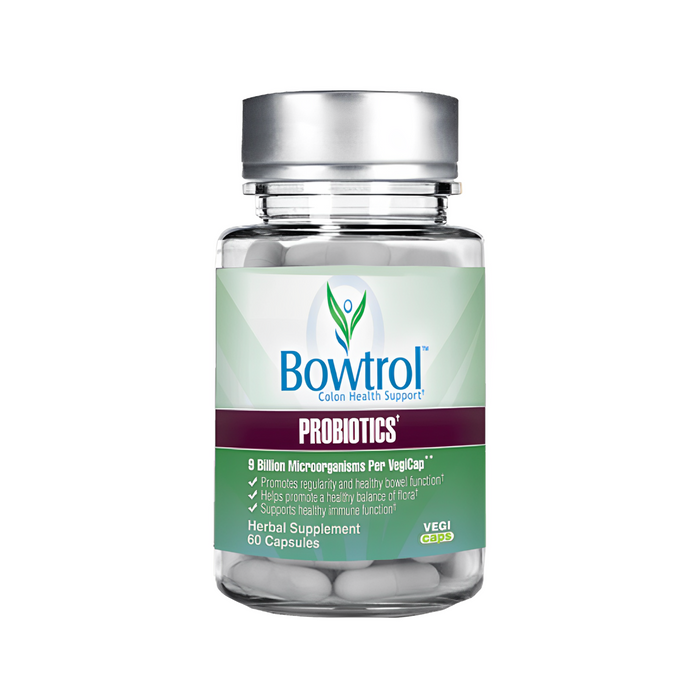
Bowtrol Probiotics combines clinically-studied strains for comprehensive digestive support, particularly for those experiencing bloating, irregular bowel movements, and general digestive discomfort.
For Constipation:
Specific strains have evidence for improving transit time and stool consistency:
- Bifidobacterium lactis HN019 (increases gut transit speed)
- Bifidobacterium lactis DN-173010 (Activia strain)
- Lactobacillus rhamnosus GG
For more stubborn constipation, Digest It provides additional support with natural ingredients that promote healthy bowel movements.
Probiotics for Immune Support
Evidence Level: Strong
Given that most immune cells reside in the gut, it's logical that gut health impacts immunity. Clinical evidence supports this connection.
Evidence for Infection Prevention:
A Cochrane review of 23 studies found probiotics reduced the occurrence of acute upper respiratory infections by about 47% compared to placebo, and reduced antibiotic use.
Top Strains for Immunity:
- Lactobacillus rhamnosus GG: Reduces incidence and duration of respiratory infections, especially in children
- Lactobacillus acidophilus NCFM + Bifidobacterium lactis Bi-07: This combination reduced cold symptoms and duration by nearly 2 days
- Lactobacillus plantarum HEAL9 + Lactobacillus paracasei 8700:2: Swedish study showed 55% reduction in common cold risk
Best Timing for Immune Probiotics:
For prevention, take probiotics daily throughout cold and flu season. When sick, continue or increase dose. Evidence suggests starting probiotics BEFORE illness produces better results than starting after symptoms appear.
Psychobiotics: Probiotics for Mood & Anxiety
Evidence Level: Moderate-Strong (Rapidly Growing Field)
"Psychobiotics" is the term for probiotics that influence mental health through the gut-brain axis. This is one of the most exciting areas of microbiome research.
How Gut Bacteria Affect Mood:
- Neurotransmitter production: Gut bacteria produce serotonin, GABA, dopamine, and other mood chemicals
- Vagus nerve signaling: Direct communication pathway from gut to brain
- Inflammation reduction: Systemic inflammation is linked to depression
- Cortisol modulation: Some probiotics reduce stress hormone levels
Evidence-Based Strains for Mood:
Lactobacillus rhamnosus (JB-1): Reduced anxiety and depression-like behavior in animal studies, lowered stress-induced cortisol.
Bifidobacterium longum 1714: Human study showed reduced stress and improved memory in healthy volunteers.
Lactobacillus helveticus R0052 + Bifidobacterium longum R0175: This combination (sold as Probio'Stick) reduced psychological distress and anxiety in human trials.
Important Caveat:
While the research is promising, psychobiotics are not replacements for professional mental health treatment. They may be valuable adjuncts to therapy and medication for mild-to-moderate symptoms.
Probiotics for Weight Management
Evidence Level: Moderate
The composition of your gut microbiome affects how efficiently you extract calories from food, how you store fat, and even your appetite signals.
What the Research Shows:
Studies comparing obese and lean individuals show distinct differences in microbiome composition. Transferring gut bacteria from obese mice to lean mice caused weight gain—and vice versa.
Strains with Weight Loss Evidence:
Lactobacillus gasseri SBT2055: Japanese study showed reduced belly fat by 8.5% over 12 weeks without diet or exercise changes.
Lactobacillus rhamnosus CGMCC1.3724: Women taking this strain lost twice as much weight as placebo group over 24 weeks.
VSL#3: May prevent weight gain and reduce liver fat.
Realistic Expectations:
Probiotics alone won't produce dramatic weight loss. Their value is in supporting weight management alongside diet and exercise. They may help by reducing inflammation that promotes fat storage, improving insulin sensitivity, reducing appetite and cravings, and enhancing extraction of nutrients (not calories) from food.
Prebiotics: Feeding Your Good Bacteria
Probiotics are live bacteria, but those bacteria need food. That's where prebiotics come in.
What Are Prebiotics?
Prebiotics are non-digestible fibers that selectively feed beneficial bacteria in your gut. They pass through the upper GI tract undigested and are fermented in the colon by your resident bacteria, producing beneficial short-chain fatty acids.
Types of Prebiotics:
- Inulin: Found in chicory root, Jerusalem artichokes, garlic, onions. The most studied prebiotic.
- FOS (Fructooligosaccharides): Similar to inulin, shorter chains. Found in many of the same foods.
- GOS (Galactooligosaccharides): Found in legumes and certain root vegetables.
- Resistant starch: Found in cooked and cooled potatoes, rice, green bananas.
- Pectin: Found in apples, citrus fruits.
Why Prebiotics May Be More Important Than Probiotics
Here's a controversial opinion supported by emerging research: for many people, prebiotics may provide more benefit than probiotics. Here's why:
- Probiotics are transient—they pass through and don't usually colonize permanently
- Prebiotics feed your existing beneficial bacteria, encouraging population growth of species already adapted to your gut
- Prebiotic effects on microbiome diversity are often more pronounced than probiotic effects
- Prebiotics are easier to take and less fragile than live probiotics
The best approach: combine both. Take targeted probiotics while feeding your entire microbiome with prebiotic fiber.
Prebiotic Dosing
- Start low: 2-3g daily (high doses initially can cause bloating)
- Build gradually: Increase to 5-15g over several weeks
- Target 25-35g total fiber daily: From food and supplements combined
How to Choose a Quality Probiotic
The probiotic market is plagued by low-quality products. Here's how to choose wisely:
1. Strain Identification
The label should identify specific strains, not just genus and species. Example: "Lactobacillus acidophilus NCFM" rather than just "Lactobacillus acidophilus."
2. CFU Count at Expiration
Look for "CFU at time of expiration," not "at time of manufacture." Bacteria die over time, so what matters is whether adequate numbers remain when you take it.
General guidelines:
- General wellness: 1-10 billion CFU
- Specific conditions (IBS, immunity): 10-50 billion CFU
- Clinical-strength applications: 50-100+ billion CFU
3. Delivery Technology
Stomach acid kills most bacteria. Quality probiotics use acid-resistant delivery:
- Enteric coating or delayed-release capsules
- Naturally acid-resistant strains (some Lactobacillus strains survive well)
- Microencapsulation technology
4. Storage Requirements
Some probiotics require refrigeration; others are shelf-stable. Neither is inherently better—what matters is that storage conditions match the product's requirements.
5. Third-Party Testing
Look for products tested by independent labs to verify CFU counts and strain identity. ConsumerLab, NSF, and USP are reputable certifying organizations.
6. Company Reputation
Established companies with investment in research and quality control are more likely to produce reliable products. Be wary of unknown brands with unrealistic claims.
Bowtrol Probiotics meets these quality criteria with identified strains, guaranteed CFU at expiration, and acid-resistant delivery.
Building Your Complete Gut Health Protocol
Here's how to build a comprehensive approach to gut health:
Phase 1: Assessment (Weeks 1-2)
- Identify your primary symptoms and goals
- Consider food sensitivity testing or elimination diet
- Establish baseline (symptom diary)
Phase 2: Foundation (Weeks 2-6)
- Targeted probiotic: Choose based on your specific condition (see recommendations above)
- Prebiotic fiber: Start with 3g daily, increase gradually
- Remove irritants: Reduce sugar, processed foods, alcohol
- Increase whole foods: More vegetables, fermented foods, quality protein
Phase 3: Optimization (Weeks 6-12)
- Increase prebiotic to 8-15g daily
- Add gut-supporting supplements: L-glutamine (gut lining repair), zinc carnosine (stomach/intestinal lining), digestive enzymes if needed
- Consider Bowtrol Colon Control if irregular bowel movements persist
- Fine-tune probiotic protocol based on response
Phase 4: Maintenance (Ongoing)
- Continue probiotics at maintenance dose
- Maintain high-fiber diet
- Include fermented foods daily
- Periodic higher-dose probiotic "pulses" (e.g., after antibiotics or travel)
Sample Daily Protocol
Morning (empty stomach):
- Bowtrol Probiotic - 1 capsule
With meals:
- Prebiotic fiber (in smoothie or water)
- Digestive enzymes if needed
Evening:
- Second probiotic dose (optional, for higher-dose protocols)
- L-glutamine powder (2-5g) for gut lining support
Lifestyle Factors for Gut Health
Supplements work best combined with lifestyle optimization:
- Stress management: Stress directly impairs gut function and microbiome diversity. Practice meditation, yoga, or other stress-reduction techniques.
- Sleep: Poor sleep disrupts the gut microbiome. Aim for 7-9 hours.
- Exercise: Moderate exercise improves microbiome diversity. Intense exercise may temporarily impair gut function.
- Avoid unnecessary antibiotics: A single course can disrupt the microbiome for months or longer.
- Limit artificial sweeteners: Some research suggests they negatively impact gut bacteria.
Conclusion & Key Takeaways
Your gut microbiome is a powerful lever for overall health—influencing digestion, immunity, mood, and metabolism. Strategic probiotic supplementation, combined with prebiotic fiber and lifestyle optimization, can produce meaningful improvements in gut function and systemic health.
Key takeaways:
- Strain specificity matters: Choose probiotics based on clinical evidence for your specific condition
- Quality varies enormously: Look for strain identification, guaranteed CFU at expiration, and acid-resistant delivery
- Don't neglect prebiotics: Feeding your existing bacteria may be as important as adding new ones
- Give it time: Meaningful microbiome shifts take 4-8 weeks minimum
- Diet and lifestyle matter: Supplements work best alongside whole foods and stress management
- Products like Bowtrol Probiotics provide targeted strains for digestive comfort, while Digest It and Bowtrol Colon Control offer additional support for specific digestive concerns
The science of the microbiome is still young, but what we know already is transformative. By taking a targeted, evidence-based approach to gut health, you can optimize this critical system that touches virtually every aspect of your wellbeing.