Joint pain affects over 54 million Americans—nearly one in four adults. By age 65, more than half of all people will experience some form of arthritis or chronic joint discomfort. Yet most people don't think about joint health until the damage is already done. As a clinical pharmacist who has spent over a decade studying natural compounds for musculoskeletal health, I'm going to share what the science actually says about protecting your joints, reducing inflammation, and potentially reversing damage that's already occurred.
Introduction: The Joint Health Crisis
We're facing a joint health epidemic that's only getting worse. Our modern lifestyle—prolonged sitting, repetitive movements, obesity, and chronic inflammation from poor diet—is destroying our joints decades earlier than previous generations. The conventional medical approach? Wait until pain becomes unbearable, then prescribe NSAIDs, corticosteroids, or recommend joint replacement surgery.
But here's what most people don't realize: joint deterioration is largely preventable, and early-stage damage can often be reversed with the right interventions. The cartilage in your joints isn't a static tissue—it's constantly being broken down and rebuilt. The key is tipping the balance toward rebuilding.
This guide will examine the most clinically-studied natural compounds for joint health, explain exactly how they work at a molecular level, compare them to pharmaceutical options, and show you how to build a comprehensive protocol based on your specific situation.
Understanding Your Joints: Anatomy & Function
Before we can protect our joints, we need to understand what we're protecting. A joint is where two bones meet, allowing movement while maintaining stability. The key components include:
Articular Cartilage
This smooth, rubbery tissue covers the ends of bones in a joint. Cartilage serves two critical functions: it provides a low-friction surface for smooth movement, and it absorbs shock to protect the underlying bone. Unlike most tissues, cartilage has no blood supply—it receives nutrients through diffusion from the synovial fluid. This is why cartilage damage heals so slowly and why nutrition matters so much.
Cartilage is composed of:
- Chondrocytes: The only cells in cartilage, responsible for producing and maintaining the matrix
- Collagen (primarily Type II): Provides structural framework and tensile strength
- Proteoglycans: Large molecules (including chondroitin sulfate and keratan sulfate) that trap water, providing resilience and shock absorption
- Water: Makes up 65-80% of cartilage, essential for load-bearing properties
Synovial Fluid
This viscous fluid fills the joint cavity, serving as both lubricant and nutrient delivery system for cartilage. Healthy synovial fluid is rich in hyaluronic acid, which gives it its viscosity. As we age or experience inflammation, synovial fluid becomes thinner and less effective.
Joint Capsule & Ligaments
The joint capsule encloses the joint and produces synovial fluid. Ligaments connect bones to bones, providing stability. Both are composed largely of collagen and are susceptible to degradation from inflammation and mechanical stress.
The Role of Inflammation in Joint Deterioration
Inflammation is the central driver of most joint problems, whether we're talking about osteoarthritis, rheumatoid arthritis, or simple joint pain from overuse. Understanding inflammation is crucial to understanding how supplements work.
Acute vs. Chronic Inflammation
Acute inflammation is your body's healthy response to injury—increased blood flow, immune cell activation, and tissue repair. This type of inflammation resolves once the injury heals.
Chronic inflammation is when this process never fully turns off. Low-grade, persistent inflammation continuously damages tissues faster than they can repair. In joints, chronic inflammation:
- Activates enzymes (MMPs - matrix metalloproteinases) that break down cartilage
- Produces cytokines (IL-1β, IL-6, TNF-α) that signal more inflammation
- Reduces synovial fluid quality and quantity
- Damages the collagen matrix
- Eventually affects the underlying bone
Sources of Chronic Joint Inflammation
- Mechanical stress: Repetitive movements, overuse, or acute injuries
- Obesity: Excess weight increases joint load and adipose tissue produces inflammatory cytokines
- Diet: Omega-6 fatty acids, sugar, and processed foods promote inflammation
- Age: "Inflammaging" - baseline inflammation increases with age
- Autoimmunity: In rheumatoid arthritis, the immune system attacks joint tissue
- Gut health: Intestinal permeability ("leaky gut") can trigger systemic inflammation
Curcumin: The Golden Standard for Joint Inflammation
Evidence Level: Very Strong (Multiple Meta-Analyses of RCTs)
If I could only recommend one supplement for joint health, it would be curcumin. This compound from turmeric has more clinical evidence for joint inflammation than almost any other natural substance. Let me explain why it's so effective.
What Curcumin Is (and Isn't)
Curcumin is the primary active compound in turmeric (Curcuma longa), comprising about 3-5% of the spice. It's responsible for turmeric's yellow color and most of its therapeutic properties. However—and this is critical—eating turmeric spice is not the same as taking curcumin supplements.
The curcumin in turmeric is poorly absorbed (less than 1% bioavailability) and quickly metabolized. To achieve therapeutic effects, you need either very large doses of turmeric or, more practically, enhanced curcumin formulations designed for absorption.
How Curcumin Works: Multiple Mechanisms
Curcumin's power comes from attacking inflammation through numerous pathways simultaneously:
1. COX Enzyme Inhibition
Like ibuprofen and other NSAIDs, curcumin inhibits cyclooxygenase (COX) enzymes that produce pro-inflammatory prostaglandins. However, curcumin is less selective and doesn't carry the same cardiovascular and gastrointestinal risks as pharmaceutical COX inhibitors.
2. NF-κB Suppression
Nuclear factor kappa-B (NF-κB) is often called the "master switch" of inflammation. When activated, it triggers the production of dozens of inflammatory molecules. Curcumin is one of the most potent natural inhibitors of NF-κB identified.
3. Cytokine Modulation
Curcumin directly reduces production of inflammatory cytokines including TNF-α, IL-1β, and IL-6—the same molecules targeted by expensive biologic drugs for rheumatoid arthritis.
4. MMP Inhibition
Matrix metalloproteinases (MMPs) are the enzymes that directly break down cartilage. Curcumin inhibits MMP activity, protecting cartilage from degradation.
5. Antioxidant Activity
Oxidative stress contributes to joint damage. Curcumin is a powerful antioxidant that neutralizes free radicals and upregulates the body's own antioxidant enzymes.
Clinical Evidence for Joint Health
The research on curcumin for joints is extensive and remarkably positive:
Osteoarthritis
A 2016 meta-analysis published in the Journal of Medicinal Food analyzed 8 randomized controlled trials and found that curcumin:
- Significantly reduced pain scores compared to placebo
- Improved physical function
- Reduced inflammatory markers
- Was as effective as NSAIDs like ibuprofen and diclofenac—without the side effects
Another study in BMC Complementary Medicine (2021) showed that participants taking curcumin for 12 weeks experienced a 60% reduction in joint pain and significant improvements in stiffness and physical function.
Rheumatoid Arthritis
A landmark study published in Phytotherapy Research compared curcumin to diclofenac sodium in rheumatoid arthritis patients. Results showed curcumin was more effective at reducing disease activity scores, with zero adverse events compared to 14% in the drug group.
Bioavailability: The Critical Factor
Standard curcumin is poorly absorbed. Modern formulations have solved this problem through various technologies:
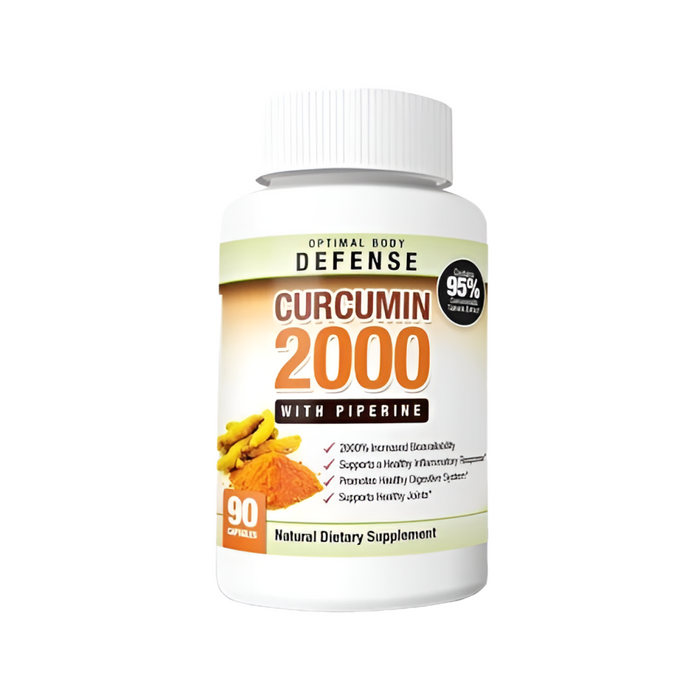
- Piperine (black pepper extract): Increases absorption by 2000%
- Phospholipid complexes (Meriva®): Enhanced absorption and sustained release
- Nanoparticle formulations: Dramatically improved bioavailability
- BCM-95® (Curcugreen): Combination with turmeric essential oils
Our recommended Curcumin 2000 uses enhanced absorption technology to ensure therapeutic blood levels are achieved.
Dosing for Joint Health
- Standard enhanced curcumin: 500-1000mg daily
- For active inflammation: 1000-2000mg daily, divided into 2 doses
- With meals: Fat enhances absorption
- Consistency is key: Effects build over 4-8 weeks
Glucosamine & Chondroitin: Building Blocks of Cartilage
Evidence Level: Moderate-Strong (Conflicting but Positive Overall)
Glucosamine and chondroitin have been the traditional go-to supplements for joint health for decades. The evidence is more mixed than for curcumin, but there's still good reason to consider them—especially in the right formulations.
What They Are
Glucosamine is an amino sugar that's a precursor to glycosaminoglycans (GAGs)—major components of cartilage. It's typically derived from shellfish (glucosamine sulfate or hydrochloride) or synthesized (for vegetarian options).
Chondroitin sulfate is a GAG itself, found naturally in cartilage. It attracts water into the cartilage matrix, providing cushioning and resilience.
How They Work
The theory behind glucosamine and chondroitin supplementation is straightforward: provide the raw materials your body needs to build and maintain cartilage. Specifically:
- Glucosamine stimulates chondrocytes to produce more proteoglycans
- Chondroitin inhibits cartilage-degrading enzymes
- Both have mild anti-inflammatory effects
- Together, they may slow cartilage breakdown and support repair
The GAIT Study Controversy
The Glucosamine/chondroitin Arthritis Intervention Trial (GAIT), funded by the NIH, found that glucosamine and chondroitin—alone or together—were no better than placebo for most knee osteoarthritis patients. This study is often cited as evidence against these supplements.
However, there's more to the story:
- GAIT used glucosamine hydrochloride, not sulfate. European studies using glucosamine SULFATE show better results.
- The subgroup with moderate-to-severe pain DID show significant benefit from the combination.
- Multiple meta-analyses since GAIT have found modest but real benefits, particularly for glucosamine sulfate.
Current Evidence Summary
A 2018 Cochrane review of glucosamine for osteoarthritis concluded:
- Glucosamine sulfate (not hydrochloride) provides small to moderate pain relief
- Benefits are most apparent in studies lasting 6+ months
- Quality matters enormously—pharmaceutical-grade glucosamine sulfate outperforms generic products
Best Practices for Glucosamine/Chondroitin
- Choose glucosamine SULFATE, not hydrochloride
- Standard dose: Glucosamine 1500mg + Chondroitin 1200mg daily
- Give it time: Benefits may take 2-3 months to become apparent
- Best for: Mild-to-moderate osteoarthritis, prevention in at-risk individuals
Joint Advance combines glucosamine sulfate with chondroitin, MSM, and other synergistic ingredients for comprehensive joint support.
Collagen Peptides: Structural Support for Joints
Evidence Level: Moderate-Strong (Growing Body of Research)
Collagen is the most abundant protein in your body and the primary structural component of cartilage, tendons, and ligaments. Collagen supplementation has gained significant attention for both joint health and skin benefits.
Types of Collagen
There are at least 28 types of collagen. For joint health, the most relevant are:
- Type I: Found in skin, tendons, bones. Most supplements focus here.
- Type II: The primary collagen in cartilage. Most relevant for joint health.
- Type III: Found alongside Type I in skin and blood vessels.
Hydrolyzed Collagen vs. Undenatured Type II
There are two main approaches to collagen supplementation:
Hydrolyzed collagen (collagen peptides) has been broken down into small peptides for easy absorption. The theory is that these peptides provide amino acids (especially glycine, proline, hydroxyproline) that your body uses to build new collagen.
Undenatured Type II collagen (UC-II) works differently—through immune modulation. Small amounts of intact collagen are thought to "train" the immune system to stop attacking joint cartilage (oral tolerance). Doses are much smaller (40mg vs. 10g for hydrolyzed).
Clinical Evidence
Research supports both approaches:
Hydrolyzed Collagen: A 2019 meta-analysis in Amino Acids found that collagen peptide supplementation significantly improved osteoarthritis symptoms and reduced pain scores compared to placebo.
UC-II: A comparative study found that 40mg of UC-II was more effective than 1500mg glucosamine + 1200mg chondroitin for reducing knee pain in osteoarthritis.
Dosing Recommendations
- Hydrolyzed collagen: 10-15g daily (often as powder in smoothies or coffee)
- UC-II: 40mg daily (small capsule)
- For maximum benefit: Consider combining approaches
Omega-3 Fatty Acids: Essential Anti-Inflammatory Support
Evidence Level: Strong
While omega-3s aren't typically categorized as "joint supplements," they're arguably the most important dietary factor for managing joint inflammation.
How Omega-3s Reduce Inflammation
EPA and DHA (the active omega-3s from fish oil) work through several mechanisms:
- Compete with omega-6 fats for incorporation into cell membranes
- Produce anti-inflammatory resolvins and protectins
- Inhibit pro-inflammatory cytokine production
- Reduce NF-κB activation (like curcumin)
Evidence for Joint Health
A meta-analysis of 17 randomized controlled trials found that omega-3 supplementation significantly reduced joint pain intensity, morning stiffness, and NSAID use in rheumatoid arthritis patients.
For osteoarthritis, the evidence is more preliminary but promising. A 2017 study showed that omega-3s reduced cartilage degradation markers.
Dosing for Joint Inflammation
- General health: 1-2g EPA+DHA daily
- Active inflammation: 3-4g EPA+DHA daily
- Ratio: Higher EPA content may be better for inflammation
- Quality: Look for third-party tested, purified fish oil
BPC-157: The Regenerative Peptide Revolution
Evidence Level: Moderate (Strong Animal Data, Limited Human Trials)
Body Protection Compound-157 (BPC-157) represents a newer frontier in joint and connective tissue health. While human clinical data is still building, the preclinical evidence is remarkable enough that many athletes and biohackers have embraced it.
What Is BPC-157?
BPC-157 is a synthetic peptide consisting of 15 amino acids. It's derived from a protein found in human gastric juice. In studies, it demonstrates powerful healing effects on various tissues, including:
- Tendons and ligaments
- Muscles
- Bone
- Intestinal tissue
- Blood vessels
Mechanisms of Action
BPC-157 appears to accelerate healing through multiple pathways:
- Angiogenesis: Promotes formation of new blood vessels, delivering more nutrients to damaged tissue
- Growth factor modulation: Increases expression of growth factors involved in healing
- Collagen synthesis: Accelerates production of new collagen
- Anti-inflammatory effects: Reduces inflammatory markers at injury sites
- Tendon-to-bone healing: Particularly effective for this challenging type of injury
Research Highlights
Animal studies have shown BPC-157 accelerates healing of:
- Severed Achilles tendons
- Medial collateral ligament tears
- Muscle crush injuries
- Bone fractures
- Gastric ulcers and intestinal damage
Athletes commonly report faster recovery from injuries that typically take months, reduced chronic pain from old injuries, and improved gut health.
Usage Considerations
BPC-157 Max provides an oral form at 500mcg per capsule. While injection has been the traditional route, oral BPC-157 may be particularly effective for gut-related issues and provides systemic benefits.
Important: BPC-157 is a research compound without FDA approval. Consult a healthcare provider before use.
Natural Supplements vs. NSAIDs: A Clinical Comparison
Many people wonder how natural supplements compare to over-the-counter pain relievers. Here's an honest assessment:
NSAIDs (Ibuprofen, Naproxen)
Advantages:
- Fast-acting (within hours)
- Reliable pain relief
- Inexpensive and widely available
Disadvantages:
- Gastrointestinal damage with long-term use (ulcers, bleeding)
- Cardiovascular risks (increased heart attack and stroke risk)
- Kidney damage with prolonged use
- May actually ACCELERATE cartilage degradation long-term
- Treats symptoms only, doesn't address underlying causes
Natural Supplements (Curcumin, Glucosamine, etc.)
Advantages:
- Excellent safety profile for long-term use
- Address underlying inflammation and cartilage health
- Multiple health benefits beyond joints
- Some may actually support cartilage rebuilding
- Can be combined safely
Disadvantages:
- Slower onset of action (weeks to months)
- Effects may be more subtle
- Higher upfront cost
- Quality varies between products
The Bottom Line
For acute pain or short-term use, NSAIDs are appropriate. For chronic joint issues and long-term joint health, natural supplements are generally preferable due to their superior safety profile and potential to address root causes. Many people find the best approach is occasional NSAIDs for flare-ups combined with daily natural supplements for ongoing support.
Building Your Complete Joint Health Protocol
Based on the evidence, here's how to build a comprehensive joint health strategy:
Tier 1: Foundation (Everyone Should Consider)
- Curcumin 2000: 500-1000mg daily of enhanced-absorption curcumin
- Omega-3s: 2-3g EPA+DHA daily from quality fish oil
- Vitamin D: 2000-5000 IU daily (important for joint and bone health)
Tier 2: Targeted Support (For Existing Joint Issues)
- Joint Advance: Glucosamine, chondroitin, MSM combination
- Collagen peptides: 10-15g daily hydrolyzed collagen
- Increase curcumin: 1500-2000mg daily during flare-ups
Tier 3: Advanced Recovery (For Injuries or Severe Degeneration)
- BPC-157 Max: For accelerated tissue healing
- UC-II collagen: 40mg daily for immune modulation
- Professional treatments: Consider PRP, stem cells, or other regenerative therapies
Sample Daily Protocol
Morning (with breakfast):
- Curcumin 2000 - 1 capsule
- Fish oil - 2 capsules
- Vitamin D - 1 capsule
Evening (with dinner):
- Joint Advance - 2 capsules
- Fish oil - 2 capsules
- Collagen powder - in evening tea or shake
Lifestyle Factors That Accelerate or Prevent Joint Damage
Supplements work best when combined with lifestyle optimization:
Movement: The Double-Edged Sword
Joints are designed to move. Movement pumps synovial fluid into cartilage, delivering nutrients and removing waste. However, the type and intensity of movement matters:
- Beneficial: Walking, swimming, cycling, yoga, strength training with proper form
- Risky: High-impact activities, running on hard surfaces (with existing joint issues), improper lifting form
- Worst: Prolonged sitting and complete inactivity
Weight Management
Every pound of body weight places about 4 pounds of pressure on your knees. Losing even 10 pounds can reduce knee stress by 40 pounds. This is one of the most impactful interventions for knee and hip osteoarthritis.
Anti-Inflammatory Diet
What you eat directly affects inflammation levels:
Increase:
- Fatty fish (salmon, mackerel, sardines)
- Colorful vegetables and fruits (antioxidants)
- Olive oil and avocados (healthy fats)
- Turmeric, ginger, and other anti-inflammatory spices
- Bone broth (natural collagen and glycine)
Decrease:
- Sugar and refined carbohydrates
- Processed vegetable oils (omega-6)
- Trans fats
- Excessive alcohol
- Processed and fried foods
Sleep and Recovery
Growth hormone, essential for tissue repair, is primarily released during deep sleep. Poor sleep increases inflammatory markers and impairs healing. Aim for 7-9 hours of quality sleep.
Conclusion & Personalized Recommendations
Joint health isn't about finding a single magic bullet—it's about addressing the multiple factors that contribute to joint deterioration. The most effective approach combines anti-inflammatory compounds like Curcumin 2000, structural support from products like Joint Advance, and regenerative support from compounds like BPC-157 Max when needed.
Start with the foundation tier and assess your response over 8-12 weeks. Add targeted support if needed. Combine with lifestyle modifications for maximum benefit. And remember: prevention is far easier than treatment. Even if your joints feel fine today, protecting them now will pay dividends for decades to come.
The research on natural joint support has never been stronger. With the right protocol, you can reduce pain, improve function, protect your cartilage, and potentially even reverse some damage. Your joints carry you through life—invest in keeping them healthy.