Your gut contains approximately 38 trillion bacteria—more than the number of human cells in your body. This vast ecosystem, called the microbiome, influences virtually every aspect of your health: immunity, metabolism, mental health, skin condition, and even your risk of chronic diseases. Understanding and optimizing your gut health may be the single most impactful thing you can do for overall wellness.
Introduction: The Gut-Everything Connection
Ancient healers intuitively understood what modern science is now confirming: health begins in the gut. Hippocrates declared "all disease begins in the gut" over 2,000 years ago. Today, we have the molecular tools to understand why he was largely correct.
Your gastrointestinal tract is far more than a digestive tube. It contains:
- The Enteric Nervous System: Over 500 million neurons—more than your spinal cord—earning the gut the name "second brain"
- 70-80% of Immune Cells: Your gut is your largest immune organ
- 95% of Serotonin Production: The "happy" neurotransmitter is primarily made in the gut
- Trillions of Bacteria: Collectively weighing 3-5 pounds—as much as your brain
This complex ecosystem communicates constantly with your brain, immune system, and metabolism. When it's balanced, you thrive. When it's disrupted (a state called dysbiosis), problems cascade throughout the body.
Understanding Your Microbiome
What Lives in Your Gut?
Your gut hosts thousands of bacterial species, plus fungi, viruses, and other microorganisms. The exact composition is unique to you—like a fingerprint—shaped by genetics, birth method, breastfeeding, diet, medications, and environment.
While we can't yet define a "perfect" microbiome, research consistently links certain patterns to health:
- Diversity: Healthy guts contain many different species
- Beneficial Bacteria Dominance: Particularly Bifidobacteria and Lactobacilli
- Low Pathogenic Bacteria: Minimal harmful species
- Intact Gut Barrier: Preventing "leaky gut"
What Disrupts the Microbiome?
Modern life constantly assaults our gut bacteria:
- Antibiotics: A single course can devastate bacterial diversity for months
- Processed Foods: Low fiber and artificial additives starve beneficial bacteria
- Chronic Stress: Cortisol directly alters gut bacteria composition
- Inadequate Sleep: Sleep deprivation shifts microbiome toward inflammation
- Excessive Alcohol: Damages gut lining and promotes harmful bacteria
- NSAIDs: Ibuprofen, aspirin damage intestinal lining
- Environmental Toxins: Pesticides, chlorinated water affect gut bacteria
Gut Health and Immune Function
70-80% of your immune system resides in your gut. This makes sense evolutionarily—the digestive tract is your primary interface with the outside world, constantly encountering potential threats in food and water.
How Gut Bacteria Train Your Immune System
From birth, gut bacteria educate your immune system to distinguish friend from foe. Beneficial bacteria:
- Stimulate development of immune cells
- Teach tolerance to harmless substances (preventing allergies)
- Produce antimicrobial compounds that suppress pathogens
- Compete with harmful bacteria for resources and space
- Strengthen the gut barrier against invaders
Dysbiosis and Immune Dysfunction
When gut bacteria are imbalanced, immune problems follow:
- Increased Infections: Reduced resistance to colds, flu, and stomach bugs
- Allergies: Overreactive immune responses to harmless substances
- Autoimmune Diseases: Conditions like rheumatoid arthritis, IBD linked to dysbiosis
- Chronic Inflammation: The root of most modern diseases
Supporting gut bacteria with probiotics strengthens this critical immune defense.
The Gut-Brain Connection
The gut and brain are in constant communication through the vagus nerve, hormones, and immune signals. This "gut-brain axis" explains why digestive issues and mental health problems often co-occur.
How Gut Bacteria Affect Your Brain
- Neurotransmitter Production: Gut bacteria produce serotonin, dopamine, GABA, and other brain chemicals
- Vagus Nerve Signaling: Bacteria send signals directly to the brain
- Inflammation: Gut-derived inflammation affects brain function
- Stress Response: Gut bacteria influence HPA axis (cortisol system)
The Mental Health Connection
Research links gut dysbiosis to:
- Depression: Studies show depressed individuals have altered gut bacteria
- Anxiety: Certain probiotics reduce anxiety symptoms in clinical trials
- Brain Fog: Gut inflammation impairs cognitive function
- Sleep Problems: Serotonin (produced in gut) converts to melatonin
The term "psychobiotics" describes probiotics that benefit mental health—an exciting area of ongoing research.
Gut Bacteria and Metabolism
Your gut bacteria significantly influence body weight and metabolic health. Studies show obese individuals have distinctly different gut bacteria than lean individuals—and when gut bacteria from obese mice are transferred to lean mice, the lean mice gain weight.
How Gut Bacteria Affect Weight
- Energy Extraction: Certain bacteria extract more calories from food
- Fat Storage: Bacteria influence genes that control fat storage
- Appetite Regulation: Gut bacteria affect hunger hormones (leptin, ghrelin)
- Inflammation: Metabolic inflammation from gut dysbiosis promotes weight gain
- Blood Sugar: Gut bacteria affect insulin sensitivity
The Weight Loss Connection
For sustainable weight loss, addressing gut health may be essential. This is why combining probiotics with weight loss supplements like African Mango (which also improves leptin sensitivity) can provide complementary benefits.
Probiotic Strains That Actually Work
Not all probiotics are equal. Different bacterial strains have different effects—and many commercial products contain strains with little clinical support. Here are the strains backed by research:
Lactobacillus Species
Lactobacillus acidophilus
The most-studied probiotic. Benefits include improved lactose digestion, reduced diarrhea, enhanced immunity, and reduced cholesterol. Found naturally in yogurt and fermented foods.
Lactobacillus rhamnosus GG
Extensively researched for diarrhea prevention (especially antibiotic-associated and traveler's diarrhea), immune support, and eczema prevention in children.
Lactobacillus plantarum
Survives stomach acid well. Research supports benefits for IBS symptoms, inflammation reduction, and immune function.
Bifidobacterium Species
Bifidobacterium lactis
Robust strain that survives well through digestion. Studies show immune-boosting effects, improved transit time, and reduced bloating.
Bifidobacterium longum
Naturally abundant in healthy guts. Research links it to reduced anxiety, improved barrier function, and anti-inflammatory effects.
Bifidobacterium breve
Important for gut health from infancy. May help with allergies, eczema, and fat metabolism.
Multi-Strain Formulas
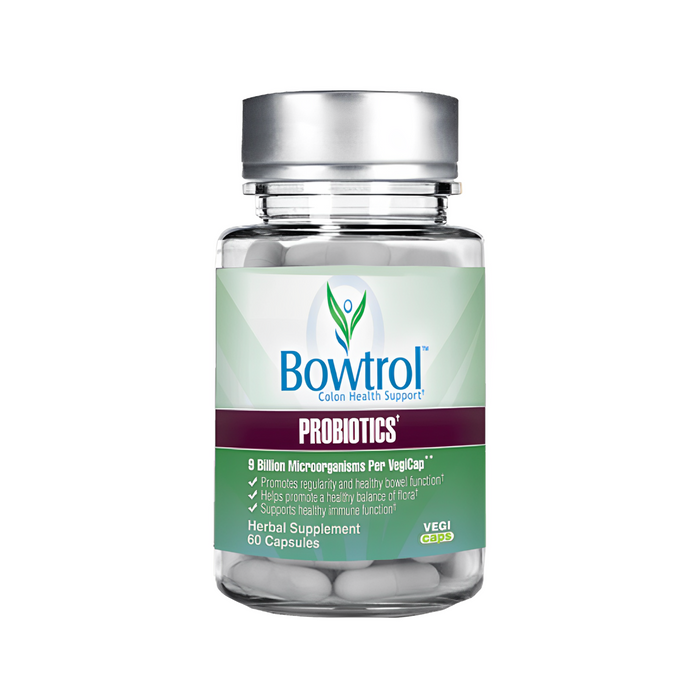
Products combining multiple strains may provide broader benefits than single strains. Bowtrol Probiotic contains 9 billion live cultures across multiple clinically-studied strains for comprehensive digestive support.
How to Choose a Quality Probiotic
The probiotic market is flooded with products of wildly varying quality. Here's how to identify effective supplements:
Essential Quality Markers
- CFU Count: Look for at least 1 billion CFU (Colony Forming Units); therapeutic doses are often 5-20 billion
- Strain Specificity: Products should list specific strains (e.g., "Lactobacillus acidophilus NCFM"), not just species
- Guaranteed at Expiration: CFU count should be guaranteed through expiration date, not "at time of manufacture"
- Proper Storage: Some require refrigeration; shelf-stable formulas need specific stabilization technology
- Delivery System: Enteric coating or encapsulation that survives stomach acid
Red Flags to Avoid
- Vague labeling ("proprietary probiotic blend")
- No CFU count or just total count without strain breakdown
- Unrealistic claims (probiotics don't "cure" diseases)
- No expiration date or potency guarantee
- Extremely low prices (quality probiotics require expensive stabilization)
The Bowtrol Difference
Bowtrol Probiotic provides 9 billion CFU of clinically-studied strains with guaranteed potency through expiration. The formula is designed to survive stomach acid and colonize the intestines effectively.
Probiotics for Specific Conditions
Irritable Bowel Syndrome (IBS)
Probiotics are one of the few treatments with consistent evidence for IBS symptoms. Bifidobacterium infantis 35624 has the strongest research support. Multi-strain formulas also show benefits for bloating, pain, and irregular bowel movements.
Antibiotic-Associated Diarrhea
Taking probiotics alongside antibiotics significantly reduces diarrhea risk. Start probiotics on the first day of antibiotics (taken 2+ hours apart) and continue for 1-2 weeks after completing the course.
Bloating and Gas
Bloating often indicates bacterial imbalance or small intestinal bacterial overgrowth (SIBO). Lactobacillus and Bifidobacterium strains can help rebalance gut flora. Note: some people experience temporary increased bloating when starting probiotics—this usually resolves within 1-2 weeks.
Constipation
Bifidobacterium lactis is particularly effective for constipation, improving transit time and stool frequency. Combined with adequate fiber and hydration, probiotics help regulate bowel movements.
Immune Support
For general immune strengthening, look for diverse multi-strain formulas. Lactobacillus rhamnosus and Bifidobacterium lactis have the strongest evidence for reducing cold and flu infections.
Prebiotics and Synbiotics
What Are Prebiotics?
Prebiotics are fibers that feed beneficial bacteria. While probiotics introduce bacteria, prebiotics support the bacteria already in your gut (and the probiotics you're taking). Think of prebiotics as fertilizer for good bacteria.
Key prebiotic fibers include:
- Inulin: Found in chicory root, onions, garlic
- FOS (Fructooligosaccharides): Found in bananas, asparagus, wheat
- GOS (Galactooligosaccharides): Found in legumes, some dairy
- Resistant Starch: Found in cooled potatoes, unripe bananas
Synbiotics: The Best of Both
Synbiotics combine probiotics and prebiotics in one formula, ensuring the probiotic bacteria have immediate food supply. This may improve survival and colonization of probiotic strains.
Prebiotic-Rich Foods
Aim to include these prebiotic foods daily:
- Garlic and onions
- Leeks and asparagus
- Jerusalem artichokes
- Bananas (especially slightly green)
- Oats and barley
- Apples (with skin)
- Flaxseeds
Lifestyle Factors for Gut Health
Probiotics are most effective when combined with gut-supporting lifestyle factors:
Diet
- Fiber: Aim for 25-35g daily from diverse plant sources
- Fermented Foods: Yogurt, kefir, sauerkraut, kimchi, kombucha provide natural probiotics
- Polyphenols: Colorful fruits and vegetables feed beneficial bacteria
- Limit Processed Foods: Artificial additives may harm gut bacteria
- Limit Sugar: Excess sugar feeds harmful bacteria and yeasts
Stress Management
Chronic stress dramatically alters gut bacteria through cortisol and nervous system effects. Regular stress management (meditation, yoga, deep breathing) directly benefits gut health.
Sleep
Sleep deprivation shifts microbiome composition toward inflammatory profiles within just two days. Prioritize 7-9 hours of quality sleep nightly.
Exercise
Regular exercise increases bacterial diversity. Even moderate activity like daily walking benefits the microbiome.
Antibiotic Stewardship
Use antibiotics only when truly necessary. When required, always pair with probiotics (taken 2+ hours apart from antibiotic doses).
Conclusion: Building Your Gut Health Protocol
Gut health isn't a single intervention—it's a comprehensive approach addressing diet, lifestyle, and targeted supplementation. Here's how to build your protocol:
Step 1: Foundation
- Increase fiber intake to 25-35g daily
- Add fermented foods regularly
- Reduce processed foods and excess sugar
- Address stress and sleep
Step 2: Probiotic Support
- Start with a quality multi-strain probiotic like Bowtrol Probiotic
- Take consistently for at least 4-8 weeks before evaluating
- Start with lower doses if sensitive (some experience temporary bloating)
Step 3: Prebiotic Optimization
- Increase prebiotic-rich foods
- Consider prebiotic supplements if diet is limited
Step 4: Address Specific Concerns
- For weight management, combine gut support with metabolic supplements like African Mango
- For sluggish metabolism, consider thyroid support with Thyromine
- For immune support, prioritize diversity and consistency
Your microbiome is constantly changing—for better or worse—based on your daily choices. With consistent attention to gut health, you're investing in virtually every aspect of your wellbeing: immunity, metabolism, mental health, energy, and longevity.
Disclaimer: This article is for informational purposes only and is not medical advice. While probiotics are generally safe, consult with a healthcare provider before starting any supplement regimen, especially if you have underlying health conditions, are immunocompromised, or take medications. These statements have not been evaluated by the FDA.