

If you're reading this, chances are you're familiar with the persistent ringing, buzzing, hissing, or whooshing sounds that seem to come from nowhere—sounds that only you can hear. You're not alone. According to the American Tinnitus Association (ATA), approximately 50 million Americans experience some form of tinnitus, with about 20 million struggling with chronic tinnitus and 2 million experiencing symptoms so severe they're debilitating. This comprehensive guide, synthesizing research from the National Institutes of Health (NIH), Mayo Clinic, Harvard Medical School, and leading audiological institutions worldwide, provides evidence-based strategies to understand, manage, and find relief from tinnitus—while protecting the hearing you still have.
Introduction: Living with Tinnitus
Imagine trying to fall asleep while a high-pitched tone plays constantly in your ears. Imagine trying to concentrate on work while a persistent buzzing competes for your attention. Imagine the frustration of explaining to others a sound they simply cannot hear. This is the daily reality for millions of people living with tinnitus.
The word "tinnitus" comes from the Latin word "tinnire," meaning "to ring." But the sounds of tinnitus extend far beyond ringing—sufferers describe hearing buzzing, hissing, clicking, roaring, humming, whistling, and even music. Some hear a single tone; others hear multiple sounds that may change in pitch, volume, and character throughout the day.
The emotional toll of tinnitus is profound. Research published in the Journal of Clinical Psychology shows that people with severe tinnitus have significantly higher rates of anxiety, depression, and sleep disorders. The British Tinnitus Association reports that tinnitus affects quality of life more than many other chronic conditions because of its constant, inescapable nature.
But here's the crucial message that forms the foundation of this guide: Tinnitus is manageable. While there's currently no universal "cure," the vast majority of tinnitus sufferers can find significant relief through proper treatment, lifestyle modifications, and evidence-based strategies. Many people report that their tinnitus, which once dominated their lives, has become a minor inconvenience—or even something they rarely notice anymore.
This guide will take you through everything you need to know: the science of what causes tinnitus, conventional and natural treatment options, dietary and lifestyle modifications, hearing protection strategies, and cutting-edge research offering hope for the future.
What Is Tinnitus? Understanding the Phantom Sound
Tinnitus is the perception of sound when no external sound source is present. It's often described as "phantom" sound because it originates within the auditory system rather than from the external environment. According to the National Institute on Deafness and Other Communication Disorders (NIDCD), tinnitus is not a disease itself but a symptom of an underlying condition.
Common tinnitus sounds include:
- Ringing: The most commonly reported sound, often high-pitched
- Buzzing: Similar to electrical hum or insect sounds
- Hissing: Like steam escaping or white noise
- Clicking: Sharp, rhythmic sounds
- Roaring: Like ocean waves or wind
- Humming: Low-frequency drone
- Whistling: Musical, varying pitch
- Pulsing: Rhythmic, often matching heartbeat
The sound may be constant or intermittent, in one ear or both, and its perceived loudness can range from barely noticeable to overwhelming. Many people report that their tinnitus is worse in quiet environments—especially when trying to sleep—because there's no background noise to mask it.
Types of Tinnitus
Subjective Tinnitus (Most Common - 95%+ of cases):
This is tinnitus that only you can hear. It's typically caused by problems in the outer, middle, or inner ear, or by abnormalities in the auditory pathways in the brain. Subjective tinnitus is by far the most common form and is what most people mean when they refer to tinnitus.
Objective Tinnitus (Rare - Less than 5% of cases):
This rare form of tinnitus can actually be heard by your doctor during examination. It's usually caused by a physical condition—such as muscle spasms in the middle ear, blood vessel problems, or inner ear bone conditions—that creates an actual sound. Because it has a physical origin, objective tinnitus is often treatable.
Pulsatile Tinnitus (A Type of Objective Tinnitus):
This involves hearing rhythmic sounds that typically sync with your heartbeat. It's often caused by turbulent blood flow in vessels near the ear and should always be evaluated by a doctor, as it can indicate vascular conditions that require treatment.
Musical Tinnitus (Musical Ear Syndrome):
A rare form where people hear actual music or songs, often familiar melodies. This is more common in people with hearing loss and is thought to result from the brain "filling in" missing auditory input.
How Common Is Tinnitus?
The prevalence of tinnitus is staggering. According to data from the Centers for Disease Control and Prevention (CDC) and the American Tinnitus Association:
- 50 million Americans (about 15% of the population) experience some form of tinnitus
- 20 million struggle with burdensome chronic tinnitus
- 2 million have extreme, debilitating cases
- Tinnitus is the #1 service-connected disability among U.S. veterans
- Prevalence increases with age: about 30% of people over 65 experience tinnitus
- Men are slightly more likely to develop tinnitus than women
- Worldwide, an estimated 740 million adults experience tinnitus
These numbers are likely underestimates, as many people with mild tinnitus never seek medical attention. The condition crosses all demographics, affecting people of all ages, occupations, and backgrounds—though certain risk factors significantly increase likelihood.
What Causes Tinnitus? The Complete List
Understanding what causes tinnitus is crucial for both prevention and treatment. In many cases, tinnitus results from damage to the delicate hair cells in the inner ear that convert sound waves into electrical signals for the brain. However, the causes are diverse and sometimes multiple factors combine.
Noise-Induced Tinnitus: The Leading Cause
Exposure to loud noise is the single most common cause of tinnitus, according to the World Health Organization (WHO). This can be:
Occupational Noise Exposure:
- Construction workers, factory workers, musicians, military personnel
- DJs, sound engineers, entertainment industry workers
- Pilots, flight crews, transportation workers
- Farmers (tractors, equipment)
- First responders (sirens)
Recreational Noise Exposure:
- Concerts and live music events
- Personal audio devices at high volume (especially earbuds)
- Motorcycles and motorsports
- Hunting and shooting sports
- Power tools and lawn equipment
- Nightclubs and bars
Important threshold: The NIDCD warns that sounds above 85 decibels (dB) can cause hearing damage with prolonged exposure. For reference: normal conversation is about 60 dB, a lawn mower is about 90 dB, a rock concert can exceed 110 dB, and a gunshot is approximately 140-170 dB. The louder the sound, the less exposure time required to cause damage.
Acoustic trauma—a single exposure to an extremely loud sound like an explosion—can cause immediate, permanent tinnitus and hearing loss.
Age-Related Hearing Changes (Presbycusis)
As we age, the delicate structures of the inner ear naturally deteriorate. This age-related hearing loss, called presbycusis, typically begins around age 60 (though it can start earlier) and often brings tinnitus along with it.
According to the National Institute on Aging, approximately one-third of people between ages 65 and 74 have hearing loss, and nearly half of those over 75 have difficulty hearing. As hearing declines, the brain may create phantom sounds to "fill in" the missing input—resulting in tinnitus.
The high-frequency hearing loss common in presbycusis often correlates with high-pitched tinnitus—the brain seems to generate sounds at the frequencies it's no longer receiving normally.
Medical Conditions That Cause Tinnitus
Numerous medical conditions can trigger or worsen tinnitus:
Ear-Related Conditions:
- Ear wax buildup: Impacted cerumen can cause temporary tinnitus that resolves with removal
- Ear infections: Middle ear infections (otitis media) can trigger tinnitus
- Eustachian tube dysfunction: Problems with the tube connecting middle ear to throat
- Otosclerosis: Abnormal bone growth in the middle ear
- Meniere's disease: Inner ear disorder causing vertigo, hearing loss, and tinnitus
- Acoustic neuroma: Benign tumor on the auditory nerve (usually causes one-sided tinnitus)
Cardiovascular Conditions:
- High blood pressure: Can cause pulsatile tinnitus
- Atherosclerosis: Hardened arteries can cause turbulent blood flow near ears
- Head and neck tumors: Can press on blood vessels, causing pulsatile tinnitus
- Arteriovenous malformations: Abnormal connections between arteries and veins
Musculoskeletal Issues:
- TMJ disorders: Temporomandibular joint problems are strongly associated with tinnitus
- Neck injuries: Cervical spine problems can trigger tinnitus
- Muscle tension: Chronic tension in head and neck muscles
Neurological Conditions:
- Head trauma: Concussion and traumatic brain injury often cause tinnitus
- Multiple sclerosis: Can affect auditory processing
- Migraines: Often associated with tinnitus episodes
Metabolic and Systemic Conditions:
- Diabetes: Can damage blood vessels and nerves affecting hearing
- Thyroid disorders: Both hypo- and hyperthyroidism can cause tinnitus
- Anemia: Reduced blood oxygen can trigger tinnitus
- Autoimmune disorders: Conditions like lupus can affect inner ear
Medications That Can Cause Tinnitus (Ototoxicity)
Over 200 medications are known to have tinnitus as a potential side effect. These are called ototoxic (ear-damaging) medications. According to the American Academy of Audiology, common culprits include:
High Risk:
- High-dose aspirin and NSAIDs: Can cause reversible tinnitus at high doses
- Certain antibiotics: Aminoglycosides (gentamicin, streptomycin), erythromycin
- Loop diuretics: Furosemide (Lasix), especially at high doses or IV
- Chemotherapy drugs: Cisplatin, carboplatin, vincristine
- Quinine and chloroquine: Anti-malarial medications
Moderate Risk:
- Antidepressants: Some SSRIs and tricyclics
- Benzodiazepines: Especially during withdrawal
- ACE inhibitors: Blood pressure medications
- Proton pump inhibitors: Acid reflux medications
Important: Never stop prescribed medication without consulting your doctor. If you suspect a medication is causing tinnitus, discuss alternatives with your healthcare provider.
Lifestyle Factors and Triggers
Certain lifestyle factors can trigger or worsen tinnitus:
- Caffeine: May worsen tinnitus in some people (though research is mixed)
- Alcohol: Can temporarily worsen tinnitus
- Nicotine: Smoking reduces blood flow to inner ear structures
- Salt: High sodium intake can affect fluid balance in inner ear
- Stress and anxiety: Strong bidirectional relationship with tinnitus
- Fatigue and sleep deprivation: Can increase tinnitus perception
- Dehydration: May worsen symptoms
The Neuroscience of Tinnitus: What Happens in Your Brain
Modern research has revolutionized our understanding of tinnitus. While tinnitus was once thought to originate entirely in the ear, scientists now know that the brain plays a central role—which explains why tinnitus can persist even after the original ear damage has healed, and why psychological factors so profoundly influence the experience.
The Auditory Pathway
Sound travels a complex path from your ear to your brain:
- Outer ear: Collects sound waves and directs them to the ear canal
- Middle ear: The eardrum vibrates, transmitting sound through three tiny bones (ossicles)
- Inner ear (cochlea): Fluid vibrations stimulate thousands of tiny hair cells
- Auditory nerve: Hair cells convert mechanical vibrations into electrical signals
- Brainstem: Initial processing and routing of auditory signals
- Auditory cortex: Higher brain centers interpret sounds as meaningful
When hair cells in the cochlea are damaged (by noise, aging, or disease), they may send abnormal signals to the brain—or stop sending signals at certain frequencies altogether. The brain, accustomed to receiving input at those frequencies, may generate its own signals to compensate. This "phantom" neural activity is perceived as tinnitus.
Neuroplasticity and Tinnitus
The brain's ability to reorganize itself—called neuroplasticity—is a double-edged sword in tinnitus. According to research published in Frontiers in Neuroscience, when certain frequencies are lost, auditory neurons can begin responding to adjacent frequencies, creating hyperactivity and synchronization that manifests as tinnitus.
This same neuroplasticity, however, offers hope for treatment. The brain can potentially learn to "turn down" or filter out tinnitus signals through various therapies that harness neuroplastic mechanisms.
The Limbic System Connection
Perhaps the most important discovery in modern tinnitus research involves the limbic system—the brain regions responsible for emotion and memory. Research from Georgetown University Medical Center has shown that tinnitus activates not just auditory areas but also emotional processing centers, particularly the amygdala.
This explains why tinnitus is so much more distressing than other neutral sounds (like a refrigerator hum) of similar volume—the brain tags it as significant and potentially threatening, creating an emotional response that amplifies attention to the sound.
The habituation model: Just as we naturally stop noticing constant background sounds (like air conditioning), the brain can learn to habituate to tinnitus—moving it out of conscious awareness. This is the goal of many successful tinnitus treatments.
Getting Diagnosed: What to Expect
If you're experiencing tinnitus, especially if it's new, sudden, or affecting only one ear, professional evaluation is important. Diagnosis typically involves both audiological and medical assessment.
Audiological Evaluation
An audiologist will typically perform:
Pure-Tone Audiometry:
Tests hearing at various frequencies to identify any hearing loss and its pattern. Many tinnitus sufferers have hearing loss they weren't aware of.
Tinnitus Pitch and Loudness Matching:
You'll compare your tinnitus to external tones to identify its pitch and perceived loudness. This helps characterize your specific tinnitus.
Minimum Masking Level:
Determines the lowest level of external sound needed to mask your tinnitus—useful for sound therapy planning.
Speech Recognition Testing:
Evaluates how well you understand speech, especially in noisy environments.
Tympanometry:
Tests middle ear function and eardrum mobility.
Otoacoustic Emissions (OAE):
Measures sounds produced by the inner ear in response to stimulation, assessing cochlear function.
Medical Examination
An ENT (ear, nose, and throat) specialist or your primary care physician may:
- Examine your ears for wax buildup, infection, or structural problems
- Check jaw joint (TMJ) function
- Assess head and neck for muscle tension or abnormalities
- Review medications for ototoxic potential
- Order blood tests (thyroid, diabetes, anemia, etc.)
- Request imaging (MRI or CT) if acoustic neuroma or other pathology is suspected
When Tinnitus Is a Medical Emergency
Seek immediate medical attention if you experience:
- Sudden hearing loss with tinnitus: This is a medical emergency. Treatment within 72 hours dramatically improves outcomes
- Tinnitus in only one ear: Could indicate acoustic neuroma or other conditions requiring evaluation
- Pulsatile tinnitus: Hearing your heartbeat in your ear warrants cardiovascular evaluation
- Tinnitus with dizziness or vertigo: May indicate Meniere's disease or other inner ear conditions
- Tinnitus after head injury: Requires immediate medical assessment
- Tinnitus with facial weakness or numbness: Could indicate neurological conditions
Conventional Treatment Options
While there's no FDA-approved medication that cures tinnitus, several evidence-based treatments can provide significant relief. The most successful approaches typically combine multiple strategies.
Sound Therapy
Sound therapy uses external sounds to alter the perception of, or reaction to, tinnitus. According to the American Tinnitus Association, sound therapy is one of the most effective management strategies.
Types of Sound Therapy:
Masking: Using sounds loud enough to cover or "mask" the tinnitus. White noise machines, fans, soft music, or nature sounds can provide relief, especially at bedtime. Complete masking may not be ideal long-term, as it doesn't promote habituation.
Partial Masking: Using sounds at a level where tinnitus can still be heard but is less prominent. This is often preferred as it allows the brain to begin habituating.
Notched Sound Therapy: Custom sound therapy that removes frequencies matching your tinnitus pitch. Research suggests this may help reduce tinnitus through neuroplastic mechanisms.
Neuromodulation Sound Therapy: Specially designed sounds intended to retrain the brain's auditory processing, often delivered through devices or apps.
Hearing Aids for Tinnitus
For people with both hearing loss and tinnitus—which is the majority—hearing aids can be remarkably effective. According to a survey by the Better Hearing Institute, approximately 60% of tinnitus sufferers experience some relief from hearing aids, with about 22% reporting significant relief.
How hearing aids help:
- Amplify external sounds, making tinnitus less noticeable by comparison
- Provide the brain with auditory input it's been missing, potentially reducing phantom sound generation
- Improve communication, reducing stress and social isolation that can worsen tinnitus
- Many modern hearing aids include built-in tinnitus masking or sound therapy features
Tinnitus Retraining Therapy (TRT)
Developed by Dr. Pawel Jastreboff in the 1980s, TRT is one of the most researched tinnitus treatments. It's based on the neurophysiological model of tinnitus and aims to achieve habituation—where the brain filters out tinnitus from conscious awareness.
TRT has two components:
1. Directive Counseling: Education about the mechanisms of tinnitus, helping to demystify the condition and reduce fear and anxiety. Understanding that tinnitus is not dangerous is crucial for habituation.
2. Sound Therapy: Low-level broadband noise delivered through ear-level devices, set just below tinnitus level. This doesn't mask tinnitus but provides neutral stimulation that promotes habituation.
TRT typically takes 12-24 months but has shown success rates of 75-85% in clinical studies. The goal isn't to eliminate tinnitus but to reach a point where it no longer bothers you.
Cognitive Behavioral Therapy (CBT) for Tinnitus
CBT has the strongest evidence base of any psychological treatment for tinnitus. A Cochrane Review of 28 trials found that CBT significantly reduces tinnitus distress, improves quality of life, and reduces depression and anxiety associated with tinnitus.
CBT for tinnitus focuses on:
- Identifying and challenging negative thoughts about tinnitus
- Breaking the cycle of attention, anxiety, and amplified perception
- Developing coping strategies and relaxation techniques
- Addressing sleep problems and behavioral changes
- Reducing avoidance behaviors that reinforce tinnitus distress
CBT doesn't reduce tinnitus loudness but dramatically reduces how much it bothers you—which, for most sufferers, is what matters most.
Medications and Tinnitus
No medication is FDA-approved specifically for tinnitus, but several may help manage symptoms or address underlying conditions:
Antidepressants: May help when tinnitus is accompanied by depression or anxiety. Some studies show modest benefits for tinnitus distress itself.
Anti-anxiety medications: Benzodiazepines may provide temporary relief but carry risks of dependence and aren't recommended long-term.
Anticonvulsants: Drugs like gabapentin have been studied with mixed results.
Important: Some medications prescribed for tinnitus can actually cause or worsen it. Always discuss potential ototoxicity with your doctor.
Natural Approaches to Tinnitus Relief
Many tinnitus sufferers seek natural approaches, either alongside or instead of conventional treatments. While research quality varies, several natural strategies show promise.
Evidence-Based Supplements for Tinnitus
The supplement market for tinnitus is vast, but evidence levels vary significantly. Here's what the research actually shows:
Ginkgo Biloba
Ginkgo biloba is perhaps the most studied supplement for tinnitus. It's thought to work by improving blood flow to the inner ear and providing antioxidant protection. However, research results are mixed:
- A Cochrane Review found insufficient evidence to support or refute ginkgo for tinnitus
- Some European studies show benefit, particularly in acute tinnitus
- Quality and standardization of ginkgo supplements vary widely
- Typical study doses: 120-240 mg daily of standardized extract (EGb 761)
Caution: Ginkgo can interact with blood thinners and should be avoided before surgery.
Zinc
The inner ear has the highest concentration of zinc in the body, and zinc deficiency has been linked to tinnitus. Research shows:
- People with tinnitus often have lower zinc levels than controls
- Zinc supplementation may help those who are deficient
- Most benefit seen in elderly populations and those with documented deficiency
- Typical doses: 15-66 mg daily (don't exceed upper limit without medical supervision)
Consider testing zinc levels before supplementing, as excess zinc can cause copper deficiency and other problems.
Magnesium
Magnesium plays a crucial role in nerve function and has been shown to protect against noise-induced hearing damage. Research indicates:
- Magnesium supplementation may protect against noise-induced hearing loss
- May help in tinnitus associated with noise exposure
- Deficiency is common and can affect nerve function
- Typical doses: 200-400 mg daily (magnesium glycinate or citrate for better absorption)
B Vitamins
B vitamins, particularly B12, are essential for nerve health. Research shows:
- B12 deficiency is associated with tinnitus and hearing loss
- Supplementation may help those who are deficient
- Vegetarians, vegans, and older adults are at higher risk of B12 deficiency
- B6 and folate also support nerve function
A B-complex supplement or specific B12 testing may be warranted, especially if you're at risk for deficiency.
Melatonin
Since tinnitus significantly impacts sleep, and melatonin is a natural sleep regulator, research has examined its effects:
- Studies show melatonin can improve sleep quality in tinnitus sufferers
- Some research suggests it may reduce tinnitus severity, possibly through antioxidant effects
- Most effective for those whose tinnitus disturbs sleep
- Typical doses: 1-5 mg before bedtime
Curcumin and Anti-Inflammatories
Chronic inflammation may play a role in some types of tinnitus. Curcumin, the active compound in turmeric, has potent anti-inflammatory and antioxidant properties.
- May protect auditory cells from oxidative damage
- Could help if inflammation contributes to your tinnitus
- Standard turmeric is poorly absorbed—look for formulations with enhanced bioavailability
Featured: Curcumin 2000

For those seeking anti-inflammatory support, Curcumin 2000 provides a high-potency turmeric curcumin formula with BioPerine for 2000% better absorption. While not specifically a tinnitus treatment, reducing systemic inflammation may help overall auditory health and address underlying factors that contribute to tinnitus in some individuals.
Learn More About Curcumin 2000 →Homeopathic Approaches
Homeopathic remedies have been used for tinnitus for over a century. While scientific evidence is limited, many individuals report subjective relief. Traditional homeopathic remedies for tinnitus include Calcarea carbonica, Chininum sulphuricum, Carbo vegetabilis, and others selected based on individual symptom profiles.
Featured: Tinnitus Control
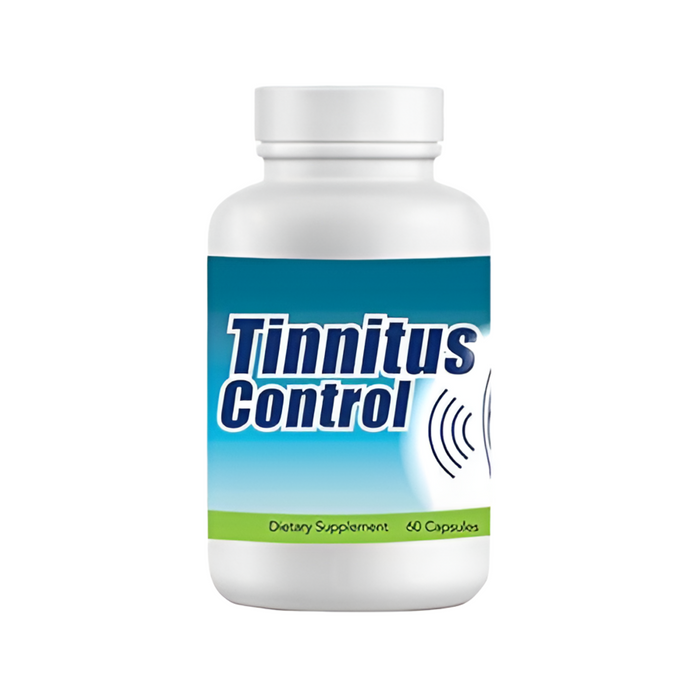
Tinnitus Control is a homeopathic formula specifically designed for tinnitus relief. The convenient sublingual spray delivers ingredients directly into the bloodstream for fast absorption. It combines traditional homeopathic ingredients known for addressing ear-related symptoms, including ringing, buzzing, and other phantom sounds.
Key features:
- Easy spray application—no pills to swallow
- Fast-absorbing sublingual delivery
- Natural homeopathic formula
- Can be used alongside other tinnitus management strategies
While homeopathic approaches work differently than pharmaceutical interventions, many users report meaningful relief from their tinnitus symptoms. As with any tinnitus remedy, results vary by individual.
Learn More About Tinnitus Control →Acupuncture for Tinnitus
Traditional Chinese Medicine has used acupuncture for tinnitus for thousands of years. Modern research shows:
- A 2018 systematic review found acupuncture may be effective for reducing tinnitus loudness and improving quality of life
- Results are often better than no treatment but not clearly superior to sham acupuncture in some studies
- May work through neurological mechanisms affecting auditory processing
- Generally considered safe when performed by qualified practitioners
If you try acupuncture, seek a licensed practitioner with experience treating tinnitus. A typical course involves 10-12 sessions.
Diet and Tinnitus
What you eat can influence tinnitus severity. While no diet "cures" tinnitus, dietary modifications may help manage symptoms and support overall ear health.
Foods That May Worsen Tinnitus
Many tinnitus sufferers report certain foods trigger or worsen their symptoms. Common culprits include:
Salt/Sodium:
High sodium intake can affect fluid balance in the inner ear, potentially worsening tinnitus, especially in those with Meniere's disease. The American Tinnitus Association recommends limiting sodium to less than 2,000 mg daily for tinnitus sufferers.
Sugar and Refined Carbohydrates:
Blood sugar spikes and crashes may affect tinnitus. Reactive hypoglycemia has been associated with tinnitus in some studies.
Caffeine:
The relationship between caffeine and tinnitus is complex. Some people find caffeine worsens their tinnitus; others find no effect. Interestingly, sudden caffeine withdrawal can trigger tinnitus in some individuals. If you suspect caffeine affects your tinnitus, try reducing gradually rather than stopping abruptly.
Alcohol:
Alcohol dilates blood vessels and can temporarily increase tinnitus volume. It also disrupts sleep, which can worsen daytime tinnitus perception.
Artificial Sweeteners:
Some individuals report that aspartame and other artificial sweeteners worsen their tinnitus, though research evidence is limited.
MSG and Other Additives:
Monosodium glutamate and similar compounds are excitotoxins that may affect neural activity. Some tinnitus sufferers report sensitivity to these additives.
Foods That May Help
Potassium-Rich Foods:
Potassium helps regulate fluid in the inner ear. Good sources include bananas, potatoes, spinach, and avocados.
Zinc-Rich Foods:
Oysters, beef, pumpkin seeds, and legumes provide zinc for inner ear health.
Omega-3 Fatty Acids:
Found in fatty fish, walnuts, and flaxseed, omega-3s reduce inflammation and support cardiovascular health, potentially improving blood flow to the ears.
Antioxidant-Rich Fruits and Vegetables:
Berries, leafy greens, and colorful vegetables provide antioxidants that may protect auditory cells from oxidative damage.
Folate-Rich Foods:
Low folate levels have been associated with hearing loss and tinnitus. Good sources include leafy greens, legumes, and fortified grains.
The Anti-Inflammatory Approach
Chronic inflammation may contribute to tinnitus in some individuals. An anti-inflammatory diet emphasizes:
- Abundant fruits and vegetables (particularly berries and leafy greens)
- Healthy fats (olive oil, avocado, nuts, fatty fish)
- Whole grains over refined
- Lean proteins
- Herbs and spices with anti-inflammatory properties (turmeric, ginger)
- Minimal processed foods, sugar, and refined carbohydrates
- Limited red meat and processed meats
The Mediterranean diet is an excellent template for anti-inflammatory eating and has been associated with better hearing in older adults according to research published in the American Journal of Epidemiology.
The Gut-Ear Connection
Emerging research suggests that gut health may influence ear health and tinnitus through several mechanisms:
- The gut-brain axis affects neural processing, including auditory processing
- Gut inflammation can trigger systemic inflammation affecting multiple organs
- Gut microbiome imbalances may affect immune function and inflammation
- Nutrient absorption in the gut affects levels of vitamins and minerals crucial for hearing
Featured: Bowtrol Probiotic
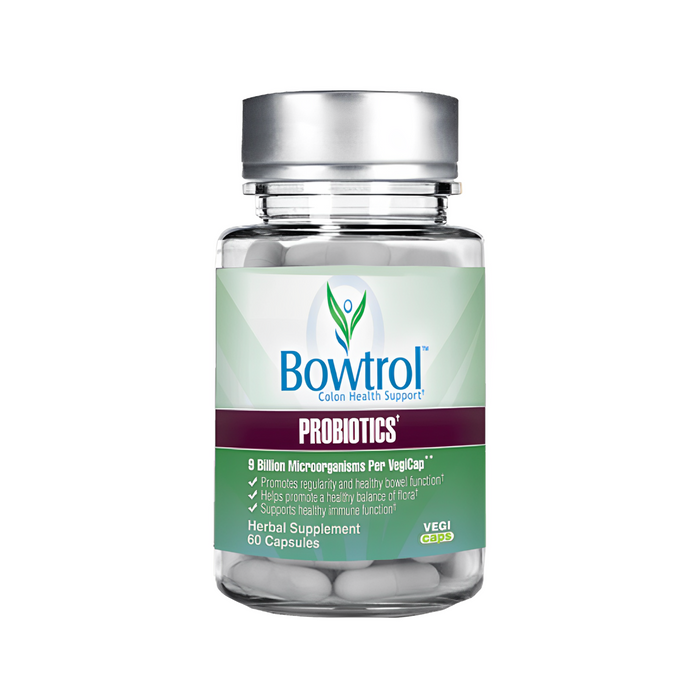
Supporting gut health may indirectly benefit overall wellness, including ear health. Bowtrol Probiotic delivers 9 billion live cultures of beneficial bacteria to support digestive health, immune function, and reduce inflammation. A healthy gut supports optimal nutrient absorption—crucial for the vitamins and minerals that support hearing.
Key benefits:
- 9 billion live probiotic cultures per serving
- Supports healthy digestive function
- May help reduce systemic inflammation
- Supports immune system health
Lifestyle Strategies for Managing Tinnitus
Beyond specific treatments, lifestyle modifications can significantly impact tinnitus severity and your ability to cope with it.
Stress Management
The relationship between stress and tinnitus is bidirectional: stress worsens tinnitus, and tinnitus causes stress. Breaking this cycle is essential.
Evidence-based stress reduction techniques:
Mindfulness Meditation:
Research published in Psychosomatic Medicine shows that mindfulness-based stress reduction (MBSR) can significantly reduce tinnitus distress. The key is learning to observe the tinnitus without reacting emotionally—breaking the cycle of attention and anxiety.
Progressive Muscle Relaxation:
Systematically tensing and relaxing muscle groups reduces physical tension that can worsen tinnitus. Many tinnitus sufferers carry tension in their neck, jaw, and shoulders.
Deep Breathing Exercises:
Activating the parasympathetic nervous system through diaphragmatic breathing can reduce the "fight or flight" response that amplifies tinnitus perception.
Biofeedback:
Learning to control physiological responses like heart rate and muscle tension may help reduce tinnitus distress.
Sleep Strategies for Tinnitus Sufferers
Tinnitus and sleep problems often go hand in hand. The quiet of nighttime makes tinnitus more noticeable, and poor sleep makes tinnitus harder to tolerate during the day.
Strategies for better sleep with tinnitus:
- Sound masking at night: A white noise machine, fan, or sound therapy app can provide background noise that makes tinnitus less noticeable
- Sleep hygiene basics: Consistent bedtime, cool dark room, no screens before bed
- Avoid stimulants: No caffeine after early afternoon, limit alcohol
- Relaxation before bed: Wind-down routine with meditation, reading, or gentle stretching
- Don't lie awake frustrated: If you can't sleep, get up briefly and do something relaxing until drowsy
- Consider melatonin: May help with sleep onset and has shown some benefit for tinnitus itself
Exercise and Tinnitus
Regular physical activity offers multiple benefits for tinnitus sufferers:
- Improves circulation: Better blood flow to the inner ear supports auditory health
- Reduces stress: Exercise is one of the most effective stress reducers
- Improves sleep: Regular exercisers sleep better
- Boosts mood: Endorphins from exercise combat the depression often associated with tinnitus
- Reduces inflammation: Regular exercise has anti-inflammatory effects
Exercise recommendations:
- Aim for 150 minutes of moderate aerobic activity weekly
- Include strength training 2-3 times per week
- Yoga and tai chi combine physical activity with stress reduction
- Avoid very high-intensity exercise that spikes blood pressure if you have pulsatile tinnitus
Caution: Be mindful of noise levels at gyms—loud music and clanging weights can worsen tinnitus. Consider ear protection if your gym is noisy.
Relaxation Techniques
Beyond general stress management, specific relaxation techniques can be particularly helpful:
Yoga: Combines physical postures, breathing, and meditation. Certain poses may help with neck tension that contributes to tinnitus.
Tai Chi: This gentle, flowing practice reduces stress and improves balance—important since tinnitus is often associated with vestibular issues.
Guided Imagery: Mental visualization techniques that redirect attention away from tinnitus.
Music Therapy: Listening to relaxing music not only masks tinnitus but can directly reduce stress and anxiety.
Protecting Your Hearing: Prevention Strategies
Whether you're trying to prevent tinnitus or protect the hearing you still have, noise protection is essential.
Understanding Noise Exposure Risks
The Occupational Safety and Health Administration (OSHA) and the National Institute for Occupational Safety and Health (NIOSH) have established guidelines for safe noise exposure:
Maximum exposure times at various decibel levels:
- 85 dB (heavy traffic, noisy restaurant): 8 hours
- 88 dB (leaf blower): 4 hours
- 91 dB (power tools): 2 hours
- 94 dB (motorcycle): 1 hour
- 97 dB (sporting event): 30 minutes
- 100 dB (MP3 player at full volume): 15 minutes
- 106 dB (rock concert): 3.75 minutes
- 109 dB (very loud club): Less than 2 minutes
- 120+ dB (gunshot, siren): Immediate damage possible
Note: For every 3 dB increase in noise level, the safe exposure time is cut in half.
Choosing the Right Ear Protection
Foam Earplugs:
- Inexpensive, disposable, widely available
- Provide 15-33 dB of noise reduction (NRR)
- Must be properly inserted to be effective
- Can muffle sound quality—not ideal for musicians
Musician's Earplugs:
- Designed to reduce volume evenly across frequencies
- Preserve sound quality while reducing dangerous levels
- Custom-fitted versions available from audiologists
- Essential for musicians, concert-goers, and audio professionals
Electronic/Active Earplugs:
- Allow normal sounds through while blocking loud impulse sounds
- Ideal for hunting, shooting, and situations with intermittent loud noises
- More expensive but offer superior protection for specific activities
Earmuffs:
- Cover the entire ear
- Easier to use correctly than earplugs
- Can be combined with earplugs for extremely loud environments
- May be uncomfortable in hot weather
Safe Listening Practices
Personal audio devices are a major source of noise-induced hearing damage, especially among young people. The WHO estimates that 1.1 billion young people are at risk from unsafe listening practices.
The 60/60 Rule: Listen at no more than 60% volume for no more than 60 minutes at a time.
Choose over-ear headphones over earbuds: They typically require lower volumes and put sound farther from the eardrum.
Use noise-canceling headphones: By reducing ambient noise, you don't need to turn up volume as high to hear your audio.
Take listening breaks: Give your ears recovery time, especially after prolonged headphone use.
Use volume-limiting features: Many devices allow you to set maximum volume limits.
Hearing Loss Prevention Throughout Life
Hearing protection strategies vary by life stage and associated risks.
Children and Teenagers
- Limit headphone/earbud use and enforce volume limits
- Provide hearing protection for loud events (concerts, sports, motorsports)
- Educate about noise dangers—hearing loss is permanent
- Monitor for signs of hearing difficulty (asking for repetition, turning up TV volume)
- Consider annual hearing screenings
- Address ear infections promptly
Adults and Workplace Protection
- Know your workplace noise levels—employers must provide this information
- Use provided hearing protection properly
- Report concerns about inadequate noise controls
- Take breaks from noisy environments when possible
- Participate in workplace hearing conservation programs
- Protect yourself during noisy hobbies (woodworking, motorcycling, shooting)
Seniors and Age-Related Changes
- Get annual hearing evaluations starting at age 50
- Address hearing loss early—untreated hearing loss is linked to cognitive decline
- Consider hearing aids if recommended
- Continue protecting remaining hearing from loud noises
- Stay physically and mentally active—both support brain health and auditory processing
- Manage conditions that affect hearing (diabetes, cardiovascular disease)
Emerging Research and Future Treatments
Tinnitus research is advancing rapidly. While no "cure" is imminent, several promising approaches are in development.
Neuromodulation Therapies
Transcranial Magnetic Stimulation (TMS):
Uses magnetic pulses to modulate neural activity in auditory processing regions. Research shows promise for reducing tinnitus severity in some patients, particularly when targeted at the auditory cortex.
Transcranial Direct Current Stimulation (tDCS):
Applies low electrical currents to the brain to modify neural activity. Early research shows potential for reducing tinnitus loudness and distress.
Vagus Nerve Stimulation (VNS) Paired with Sound:
An FDA-approved treatment combines vagus nerve stimulation with customized sound therapy to promote neural plasticity and reduce tinnitus. Early results are promising for some patients.
Bimodal Neuromodulation:
Combines auditory stimulation with electrical stimulation of another sense (often tongue or skin). The Lenire device, for example, pairs sound therapy with tongue stimulation and has shown promise in clinical trials.
Regenerative Medicine
Perhaps the most exciting frontier is the possibility of regenerating damaged inner ear hair cells:
Hair Cell Regeneration:
Birds and fish can regenerate damaged hair cells, but mammals cannot. Research is exploring ways to "unlock" this regenerative ability in humans through gene therapy and drug treatments.
Stem Cell Therapy:
Stem cells may one day be used to replace damaged cells in the inner ear. While still experimental, this represents a potential future cure for both hearing loss and tinnitus.
Gene Therapy:
Genetic approaches aim to restore or protect hearing by introducing new genes or modifying existing ones. Clinical trials are underway for certain types of genetic hearing loss.
Apps and Technology
Technology is making tinnitus management more accessible:
Tinnitus Sound Therapy Apps:
- Many free and paid apps offer sound masking, notched therapy, and relaxation sounds
- Examples include ReSound Tinnitus Relief, Resound Relief, and Oto
- Allow customization based on your tinnitus characteristics
- Available anytime on your smartphone
CBT-Based Apps:
- Apps like Oto deliver cognitive behavioral therapy for tinnitus
- Can supplement or provide alternative to in-person therapy
- Track progress and symptoms over time
Hearing Aids with Tinnitus Features:
- Modern hearing aids increasingly include built-in tinnitus masking or sound therapy
- Can be controlled and customized through smartphone apps
- Combine hearing amplification with tinnitus management
Artificial Intelligence and Tinnitus
The latest frontier in tinnitus treatment involves artificial intelligence and machine learning:
Personalized Sound Therapy:
AI algorithms can analyze your specific tinnitus characteristics and generate personalized sound therapy optimized for your unique auditory profile. These systems learn and adapt over time, potentially improving outcomes compared to one-size-fits-all approaches.
Predictive Analytics:
Machine learning models are being developed to predict which patients will respond best to specific treatments, enabling more targeted and efficient care.
Hearing Aid Optimization:
AI-powered hearing aids automatically adjust settings based on your environment and listening preferences, potentially providing better tinnitus relief throughout the day.
Cochlear Implants for Tinnitus:
While primarily used for severe hearing loss, cochlear implants have shown promise for tinnitus relief in appropriate candidates. Studies report significant tinnitus reduction in 72-86% of implant recipients. The electrical stimulation may help "reset" aberrant neural activity causing tinnitus.
Current Clinical Trials
If you're interested in contributing to tinnitus research or accessing cutting-edge treatments, clinical trials may be an option. Current areas of active research include:
- Novel drug compounds targeting neural pathways
- Advanced neuromodulation devices
- Gene therapy approaches for hearing regeneration
- Combined therapy protocols
- Biomarker identification for treatment matching
You can find tinnitus clinical trials at ClinicalTrials.gov by searching "tinnitus." Always discuss participation with your healthcare provider.
Tinnitus in Special Populations
Certain groups face unique challenges and considerations when it comes to tinnitus.
Military Veterans and Tinnitus
Tinnitus is the number one service-connected disability among U.S. veterans, affecting over 2.3 million veterans according to the Department of Veterans Affairs. Military service often involves exposure to extremely loud sounds: weapons fire, explosions, aircraft, and heavy machinery.
Key considerations for veterans:
- VA healthcare provides comprehensive tinnitus evaluation and treatment
- Progressive Tinnitus Management (PTM) is a VA-developed treatment protocol
- Service-connected tinnitus qualifies for disability benefits
- Veterans may have concurrent PTSD, which complicates tinnitus management
- Blast-related tinnitus may have different characteristics than noise-induced tinnitus
Musicians and Audio Professionals
Musicians face some of the highest tinnitus rates of any profession. Studies show that professional musicians are four times more likely to develop noise-induced hearing loss and tinnitus than the general population.
Challenges unique to musicians:
- Career depends on hearing, making tinnitus particularly distressing
- Standard earplugs can distort sound quality, making them unsuitable for performance
- Orchestral musicians may be exposed to 100+ dB during performances
- DJs and sound engineers face prolonged exposure to amplified sound
Solutions for musicians:
- Custom musician's earplugs that reduce volume evenly across frequencies
- In-ear monitors at controlled volumes instead of stage monitors
- Strategic positioning away from loudest instruments
- Regular hearing monitoring with specialized audiologists
- Proper rest periods between exposures
Tinnitus in Children and Adolescents
While often considered an adult condition, tinnitus affects an estimated 7-15% of children, according to research in International Journal of Audiology. Children may not report tinnitus because they assume everyone experiences it.
Causes in children:
- Ear infections (common in young children)
- Noise exposure from personal audio devices
- Concerts and loud events
- Congenital hearing conditions
- Certain medications
Warning signs in children:
- Difficulty concentrating in school
- Sleep problems
- Avoiding quiet environments
- Anxiety or behavioral changes
- Complaints about "sounds in their head"
The good news: children often adapt to tinnitus well. Early intervention with counseling and sound enrichment typically leads to excellent outcomes.
Tinnitus During Pregnancy
Some women develop or notice worsening tinnitus during pregnancy. Possible causes include:
- Increased blood volume and blood pressure changes
- Hormonal fluctuations affecting fluid balance
- Anemia (common in pregnancy)
- Stress and sleep changes
- Pre-eclampsia (warrants immediate medical attention)
Many women find their tinnitus improves after delivery. Safe management during pregnancy includes sound therapy, relaxation techniques, and addressing anemia if present. Most tinnitus supplements should be avoided during pregnancy—consult your OB-GYN.
Tinnitus and Mental Health
The relationship between tinnitus and mental health deserves special attention. Research in JAMA Otolaryngology shows that people with tinnitus have significantly elevated rates of:
- Depression: Up to 3 times higher than general population
- Anxiety disorders: Present in up to 45% of severe tinnitus cases
- Sleep disorders: Affect 50-70% of people with bothersome tinnitus
- Reduced quality of life: Comparable to other chronic conditions
Important: If tinnitus is causing significant emotional distress, suicidal thoughts, or preventing you from functioning normally, please seek help immediately. Tinnitus is manageable, and support is available.
Resources:
- National Suicide Prevention Lifeline: 988
- American Tinnitus Association: ata.org
- Tinnitus support groups (online and local)
- Mental health professionals experienced with chronic conditions
Common Tinnitus Myths Debunked
Misinformation about tinnitus abounds. Let's separate fact from fiction:
Myth: "Tinnitus means you're going deaf."
Fact: While tinnitus often accompanies hearing loss, many people with tinnitus have normal hearing. And having hearing loss doesn't mean you'll go deaf. Most hearing loss is partial and stabilizes with proper protection.
Myth: "Nothing can be done about tinnitus."
Fact: Multiple evidence-based treatments can significantly reduce tinnitus distress. While there's no universal "cure," most people find substantial relief through proper management.
Myth: "Tinnitus is just in your head—it's not real."
Fact: Tinnitus involves real neural activity that can be measured with brain imaging. While the sound isn't external, the experience is genuine and not imaginary.
Myth: "You just have to learn to live with it."
Fact: While acceptance is part of successful coping, passive resignation isn't the answer. Active management, treatment, and support make a real difference.
Myth: "Loud music caused my tinnitus, so I can never enjoy music again."
Fact: You can still enjoy music—just at safer volumes and with appropriate hearing protection at loud events. Many musicians and music lovers manage tinnitus while maintaining their passion.
Myth: "Tinnitus will definitely get worse over time."
Fact: For most people, tinnitus stays stable or even improves as the brain habituates. With proper hearing protection, there's no reason it should worsen. Progression typically only occurs with continued noise exposure or untreated underlying conditions.
Myth: "Supplements that claim to cure tinnitus work for everyone."
Fact: No supplement cures tinnitus for everyone. Some supplements may help certain individuals—especially those with nutritional deficiencies—but results vary widely. Be skeptical of dramatic claims.
Tinnitus and Relationships
Tinnitus doesn't just affect the individual—it impacts families and relationships too.
For Partners and Family Members
Understanding what your loved one experiences:
- Tinnitus is invisible, but its effects are real
- The frustration of having sounds no one else can hear
- Sleep deprivation affects mood and patience
- Social situations may be challenging if hearing loss is present
- Quiet environments may actually be harder than noisy ones
How you can help:
- Believe their experience—it's not exaggerated or imaginary
- Learn about tinnitus to better understand
- Be patient with communication difficulties
- Support treatment efforts without pressure
- Help maintain a soothing sound environment at home
- Encourage without dismissing ("It could be worse" isn't helpful)
- Consider couples counseling if tinnitus is straining the relationship
Communication Strategies
For tinnitus sufferers:
- Explain your experience clearly to loved ones
- Be specific about what helps and what doesn't
- Don't suffer in silence—communicate your needs
- Avoid using tinnitus as an excuse when it's not the real issue
For family members:
- Face the person when speaking
- Reduce background noise when having important conversations
- Don't shout—it doesn't help and may hurt
- Repeat or rephrase if needed without frustration
- Get their attention before starting important conversations
Living Well with Tinnitus: Real Success Stories
While tinnitus can initially feel overwhelming, countless people have found ways to manage their symptoms and live full, happy lives. Here are key insights from those who've successfully adapted:
Acceptance doesn't mean giving up: Many find that accepting tinnitus as part of their reality—rather than fighting it constantly—reduces distress and paradoxically makes tinnitus less intrusive.
Active management works: Those who take proactive steps—trying treatments, making lifestyle changes, seeking support—generally do better than those who simply suffer in silence.
Time and habituation help: Most people find their tinnitus less bothersome over time as their brain learns to filter it out. This process can take months to years but is remarkably reliable.
Support matters: Connecting with others who understand—through support groups (online or in-person)—reduces isolation and provides practical coping strategies.
Protecting remaining hearing is crucial: Those who protect their ears from further noise damage generally have better long-term outcomes.
Mental health support helps: Addressing anxiety and depression, often with CBT, significantly improves quality of life regardless of tinnitus loudness.
Your Tinnitus Action Plan
If you're living with tinnitus, here's a practical action plan:
Step 1: Get Properly Evaluated
- See an audiologist for comprehensive hearing evaluation
- Consult an ENT to rule out treatable causes
- Get any recommended imaging or blood tests
- Review medications with your doctor for ototoxic potential
Step 2: Address Treatable Factors
- Remove impacted earwax if present
- Treat any ear infections or medical conditions
- Consider switching problematic medications (with medical guidance)
- Evaluate and address TMJ issues if present
Step 3: Implement Sound Therapy
- Try background sound enrichment (especially at night)
- Consider hearing aids if you have hearing loss
- Explore sound therapy apps
- Discuss tinnitus retraining therapy with an audiologist
Step 4: Optimize Lifestyle Factors
- Reduce stress through meditation, exercise, or other methods
- Prioritize sleep hygiene
- Exercise regularly
- Review diet for potential triggers
- Limit alcohol and caffeine if they worsen symptoms
Step 5: Consider Evidence-Based Supplements
- Test for deficiencies (zinc, B12, vitamin D)
- Try targeted supplements based on your situation
- Consider a comprehensive tinnitus support formula like Tinnitus Control
- Add anti-inflammatory support with Curcumin 2000 if inflammation is a factor
- Support gut health with Bowtrol Probiotic for overall wellness
Step 6: Seek Psychological Support
- Consider CBT if tinnitus is causing significant distress
- Join a tinnitus support group
- Address depression and anxiety if present
Step 7: Protect Your Hearing Going Forward
- Use hearing protection in loud environments
- Follow safe listening practices with personal audio
- Get regular hearing check-ups
When to See a Doctor
See a healthcare provider promptly if:
- You develop tinnitus after an upper respiratory infection that doesn't improve within a week
- Your tinnitus is accompanied by sudden hearing loss—this is a medical emergency
- You have tinnitus in only one ear
- You hear rhythmic pulsing (pulsatile tinnitus)
- Tinnitus is accompanied by dizziness or balance problems
- Tinnitus is severely affecting your quality of life, sleep, or mental health
- You experience any neurological symptoms (weakness, numbness, vision changes)
- Tinnitus develops after head injury
- Your tinnitus changes significantly in character or intensity
Conclusion: Hope for Tinnitus Sufferers
Living with tinnitus presents real challenges, but the outlook for those affected has never been better. Understanding of the condition has advanced dramatically, effective treatments exist, and promising research offers hope for even better solutions in the future.
Key takeaways from this guide:
- Tinnitus is common—affecting 50 million Americans—and manageable for the vast majority
- Multiple effective treatments exist, from sound therapy to CBT to supplements
- The brain naturally habituates to tinnitus over time for most people
- Addressing stress, sleep, and lifestyle factors significantly impacts outcomes
- Protecting remaining hearing is essential to prevent worsening
- Research is advancing rapidly, with new treatments continually emerging
If you're struggling with tinnitus, remember: you don't have to face this alone. Seek proper evaluation, try evidence-based treatments, connect with others who understand, and give yourself time. For most people, tinnitus that once seemed unbearable becomes manageable—and often fades into the background of daily life.
The sounds may not completely disappear, but your relationship with them can fundamentally change. That transformation—from suffering to adaptation to thriving—is possible for you too.
Final Words of Encouragement
If you're newly diagnosed with tinnitus or struggling with a recent worsening, know this: the first few weeks and months are typically the hardest. The brain needs time to adjust, and the anxiety and hypervigilance that often accompany new tinnitus actually amplify the perception of sound.
Give yourself permission to grieve the silence you've lost, but don't lose hope. The vast majority of people—including those who initially felt their lives were ruined—eventually reach a point where tinnitus no longer dominates their thoughts or disrupts their lives. This isn't false optimism; it's documented in study after study.
Your tinnitus journey will likely include setbacks and breakthroughs, good days and harder days. That's normal. What matters is maintaining forward momentum: seeking appropriate care, implementing helpful strategies, protecting your remaining hearing, and connecting with others who understand.
Whether through professional treatment, natural supplements like Tinnitus Control and Curcumin 2000, lifestyle modifications, or simply the passage of time, relief is attainable. You have more control than it might feel right now. Take that first step—and then the next.
The road to habituation and relief may not be straight, but millions have walked it successfully. You can too.
Medical Disclaimer
This article is for informational purposes only and does not constitute medical advice. The information provided is based on research and should not be used as a substitute for professional medical consultation, diagnosis, or treatment. Always seek the advice of a qualified healthcare provider with any questions regarding a medical condition. Never disregard professional medical advice or delay seeking it because of something you have read in this article.
Tinnitus can sometimes indicate serious underlying conditions that require medical evaluation. If you experience sudden hearing loss, tinnitus in only one ear, pulsatile tinnitus, or tinnitus with neurological symptoms, seek medical attention promptly.
Supplements and natural remedies mentioned in this article are not FDA-evaluated for treating, curing, or preventing any disease. Individual results may vary significantly.
Sources & References
This article synthesizes research from peer-reviewed sources including:
- American Tinnitus Association – ata.org
- National Institute on Deafness and Other Communication Disorders (NIDCD) – nidcd.nih.gov
- Mayo Clinic – mayoclinic.org
- Cleveland Clinic – clevelandclinic.org
- Harvard Medical School – health.harvard.edu
- British Tinnitus Association – tinnitus.org.uk
- World Health Organization – who.int
- Centers for Disease Control and Prevention – cdc.gov
- American Academy of Audiology – audiology.org
- National Institute for Occupational Safety and Health (NIOSH) – cdc.gov/niosh
- Journal of the American Academy of Audiology
- International Journal of Audiology
- Ear and Hearing (journal)
- Frontiers in Neuroscience
- JAMA Otolaryngology–Head & Neck Surgery
- The Lancet
- Cochrane Database of Systematic Reviews
- American Journal of Audiology
- Hearing Research (journal)
- Neuroscience Letters
Individual studies are available through PubMed (pubmed.ncbi.nlm.nih.gov) and the Cochrane Library (cochranelibrary.com).