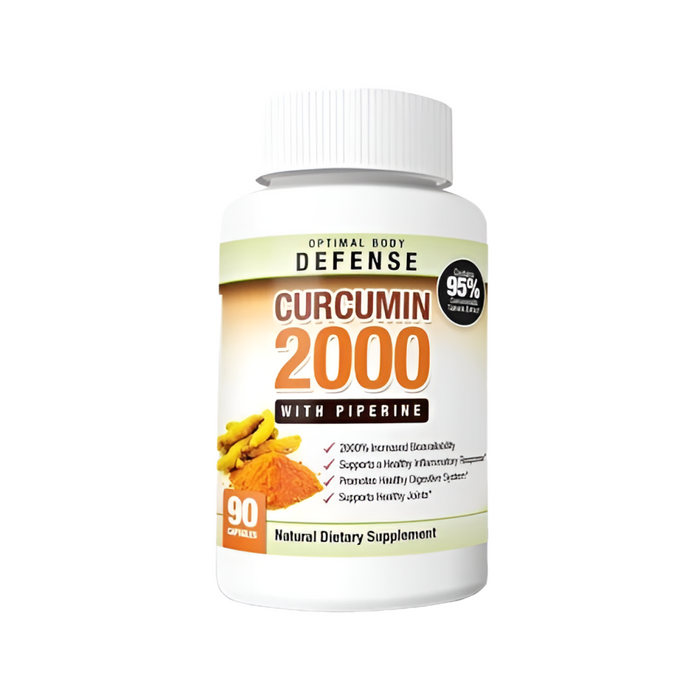
The supplement industry generates over $50 billion annually in the US alone, yet regulation is limited compared to pharmaceuticals. This guide answers the most important questions about supplement safety, quality, and how to make informed purchasing decisions.
Regulation & Oversight
Are supplements regulated by the FDA?
Yes, but differently than drugs. Under the Dietary Supplement Health and Education Act (DSHEA) of 1994:
- Supplements don't require FDA approval before sale
- Manufacturers are responsible for safety and label accuracy
- FDA can act only AFTER a product causes harm
- Claims must be truthful but don't require pre-approval
- Good Manufacturing Practices (GMP) are required but enforcement is limited
This means quality varies significantly between manufacturers.
What does "FDA-approved" mean for supplements?
Almost nothing. Only pharmaceutical drugs are FDA-approved. When supplement companies say "manufactured in an FDA-registered facility," this just means they registered their existence—it doesn't indicate FDA approval or inspection.
The only FDA-approved supplement claim is for certain health claims (like calcium for bone health) that have met specific evidence standards.
Quality Assurance
What is GMP certification?
Good Manufacturing Practices (GMP) are FDA regulations requiring that supplements be:
- Produced consistently batch-to-batch
- Free from contamination
- Accurately labeled
- Manufactured in sanitary conditions
GMP certification is the minimum quality standard. Reputable manufacturers exceed these requirements.
What is third-party testing?
Independent laboratories test supplements for:
- Identity: Confirms the label matches contents
- Potency: Verifies stated amounts of active ingredients
- Purity: Tests for contaminants (heavy metals, pesticides, microbes)
- Dissolution: Ensures tablets/capsules dissolve properly
What certifications should I look for?
- USP (United States Pharmacopeia): Rigorous testing for quality, purity, potency
- NSF International: Tests for contaminants and verifies label claims
- NSF Certified for Sport: Additional testing for banned substances (important for athletes)
- ConsumerLab: Independent testing and quality verification
- Informed Sport/Informed Choice: Banned substance testing for athletes
Products with these certifications have been independently verified.
Safety Concerns
What are the biggest supplement safety risks?
- Contamination: Heavy metals, pesticides, bacteria, or undeclared ingredients
- Inaccurate labeling: Too much or too little of stated ingredients
- Hidden pharmaceuticals: Some supplements illegally contain prescription drugs
- Drug interactions: Supplements can interact with medications
- Excessive doses: More isn't always better; some nutrients are toxic at high levels
Which supplements have the most quality concerns?
- Herbal products: Botanical identification is complex; substitution/contamination is common
- Products from unknown sources: International products may not meet US standards
- Weight loss supplements: Frequently found to contain undeclared stimulants or drugs
- Sexual enhancement products: Often contain undeclared Viagra or similar drugs
- Bodybuilding supplements: May contain undeclared steroids or stimulants
Are "natural" supplements safer?
Not necessarily. "Natural" has no regulatory definition and doesn't indicate safety:
- Many toxic substances are natural (arsenic, hemlock, etc.)
- Natural doesn't mean no side effects or interactions
- Natural herbs can be potent medicines requiring respect
- The term is often used for marketing rather than indicating quality
Smart Buying Practices
How can I identify quality supplements?
- Look for third-party certification (USP, NSF, ConsumerLab)
- Choose established brands with reputation to protect
- Check for specific doses, not "proprietary blends" hiding amounts
- Research the manufacturer: Do they have GMP certification? History of recalls?
- Be skeptical of extreme claims: If it sounds too good to be true, it probably is
- Verify contact information: Legitimate companies provide real addresses and customer service
What are red flags when buying supplements?
- "Proprietary blends" that hide ingredient amounts
- Prices far below competitors (quality ingredients cost money)
- Outrageous claims ("lose 30 pounds in 30 days," "cure cancer")
- No verifiable contact information
- Pressure tactics ("limited time," "act now")
- Celebrity endorsements without evidence
- Products only available through MLM/network marketing
- Claims the product is "FDA approved" (supplements aren't)
Where should I buy supplements?
Safer options:
- Established retailers (pharmacies, health food stores, Amazon)
- Directly from manufacturer websites
- Stores that verify supplier credentials
Higher risk:
- Unknown international websites
- Classified ads or social media sellers
- Flea markets or unauthorized retailers
Drug Interactions
Can supplements interact with medications?
Yes, significantly. Common interactions include:
- St. John's Wort: Reduces effectiveness of birth control, antidepressants, HIV medications, blood thinners
- Vitamin K: Opposes blood thinners like warfarin
- Ginkgo, garlic, fish oil: Increase bleeding risk with blood thinners
- Calcium: Reduces absorption of certain antibiotics and thyroid medications
- Iron: Reduces absorption of thyroid medication and certain antibiotics
Always inform your healthcare provider about all supplements you take.
Are supplements safe with prescription medications?
Many are, but some aren't. Before combining:
- Tell your doctor and pharmacist about ALL supplements
- Check interaction databases (Drugs.com, WebMD)
- Ask if timing matters (some should be taken separately)
- Be especially careful with blood thinners, diabetes medications, and psychiatric drugs
Special Populations
Are supplements safe during pregnancy?
Many are NOT safe during pregnancy:
- Generally safe: Prenatal vitamins, folic acid, iron (as directed), DHA
- Avoid: Most herbal supplements, high-dose vitamins, weight loss products
- Ask your OB-GYN before taking any supplement during pregnancy
Are supplements safe for children?
- Use products specifically formulated for children
- Follow pediatrician recommendations
- Keep adult supplements away from children (iron toxicity is a risk)
- Never assume adult doses can be reduced for children
Should older adults take different supplements?
Considerations for seniors:
- B12 absorption decreases with age (consider sublingual forms)
- Vitamin D needs may increase
- Drug interactions become more likely with multiple medications
- Kidney function affects supplement processing
- Consult a healthcare provider familiar with your medications
Reporting Problems
How do I report a supplement problem?
Report adverse events to:
- FDA MedWatch: www.fda.gov/medwatch or 1-800-FDA-1088
- Poison Control: 1-800-222-1222
- The manufacturer
Your report helps FDA identify dangerous products and protect others.
Conclusion
Supplements can be safe and beneficial when chosen carefully. The keys are:
- Buy from reputable manufacturers with third-party testing
- Be skeptical of extreme claims
- Inform your healthcare provider about all supplements
- Watch for interactions with medications
- Report any adverse effects
Quality supplements from trusted sources, used appropriately, can be valuable tools for health optimization.