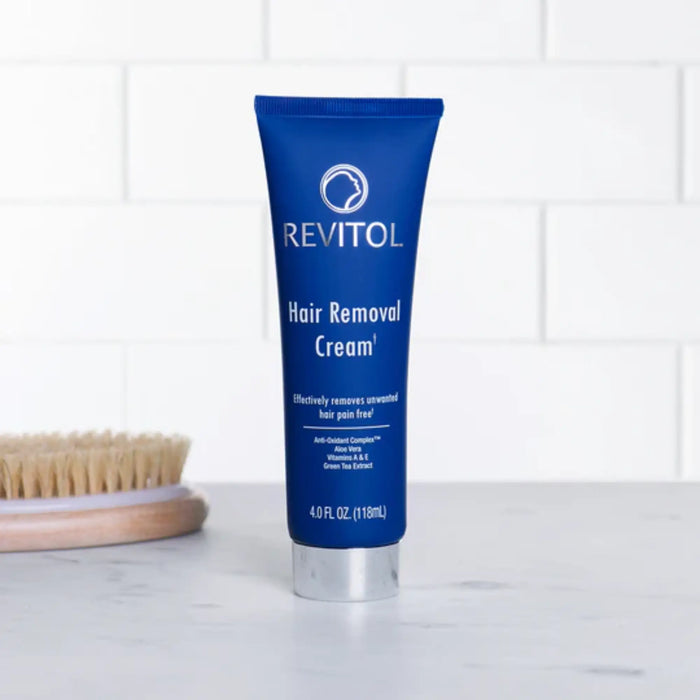
Stretch marks, medically known as striae distensae, are one of the most common skin conditions—affecting up to 90% of pregnant women and 70% of adolescent girls during growth spurts. Yet despite their prevalence, stretch marks remain poorly understood and often undertreated. This comprehensive guide examines the science behind stretch mark formation, evidence-based prevention strategies, and the most effective treatments available—separating marketing hype from what actually works.
What Are Stretch Marks? The Anatomy of Striae
Stretch marks are a form of dermal scarring that occurs when skin is stretched beyond its elastic capacity. Unlike superficial skin damage, stretch marks originate in the dermis—the middle layer of skin responsible for maintaining shape and elasticity.
The Structure of Healthy Skin
Understanding skin anatomy helps explain why stretch marks form:
- Epidermis (outer layer): Provides barrier protection; constantly regenerates
- Dermis (middle layer): Contains collagen and elastin fibers that provide strength and elasticity; where stretch marks originate
- Hypodermis (subcutaneous layer): Fat storage and insulation
The dermis contains a network of collagen and elastin fibers arranged in a basket-weave pattern. This structure allows skin to stretch and return to its original shape—like a rubber band. When stretching exceeds the dermis's capacity to adapt, these fibers tear, disrupting the normal architecture and creating the visible lines we call stretch marks.
What's Actually Happening Under the Skin
When stretch marks form:
- Collagen and elastin fibers rupture due to excessive mechanical stress
- Inflammatory response occurs as the body attempts repair
- Abnormal scarring develops as the dermis heals imperfectly
- Blood vessel visibility creates the red/purple color of new marks
- Melanin disruption occurs, often making the area lighter than surrounding skin
Why Do Stretch Marks Form?
Mechanical Stretching
The primary cause is rapid stretching of the skin faster than it can adapt. This occurs during:
- Pregnancy: Rapid abdominal expansion, especially in the third trimester
- Puberty growth spurts: Rapid height and body changes during adolescence
- Rapid weight gain: Whether from overeating, medical conditions, or medications
- Muscle building: Bodybuilders often develop stretch marks on shoulders, biceps, and thighs
- Breast augmentation: Rapid increase in breast volume
Hormonal Factors
Hormones play a crucial role—explaining why stretch marks are so common during pregnancy and puberty:
Cortisol: Elevated cortisol (from stress, Cushing's syndrome, or corticosteroid medications) weakens elastic fibers in the skin. This is why stretch marks are a common side effect of long-term corticosteroid use.
Relaxin: This pregnancy hormone softens collagen in the cervix and pelvis for childbirth—but also affects skin collagen, making it more prone to tearing.
Estrogen: Fluctuating estrogen levels during pregnancy and puberty alter collagen composition and skin elasticity.
Genetic Predisposition
Genetics significantly influence stretch mark susceptibility. Studies show that if your mother had severe pregnancy stretch marks, you're more likely to develop them. Genetic factors affecting:
- Skin elasticity and collagen quality
- Wound healing capacity
- Hormonal responses
- Skin thickness and composition
Who Is Most Likely to Get Stretch Marks?
Risk Factors
- Pregnancy: 50-90% of pregnant women develop stretch marks
- Being female: Women are more affected (though men get them too)
- Adolescence: 70% of girls and 40% of boys develop stretch marks during puberty
- Rapid weight changes: Gaining or losing weight quickly
- Family history: Strong genetic component
- Lighter skin: Stretch marks are more visible on lighter skin tones
- Chronic corticosteroid use: Medications weaken skin elasticity
- Marfan syndrome and similar disorders: Connective tissue conditions increase risk
- Poor nutrition: Deficiencies in vitamins C, E, zinc, and protein impair skin health
- Dehydration: Well-hydrated skin is more elastic
Common Locations
Stretch marks typically appear where skin stretches most:
- Pregnancy: Abdomen, breasts, hips, thighs, buttocks
- Weight gain: Abdomen, thighs, upper arms, lower back
- Puberty girls: Breasts, hips, thighs, buttocks
- Puberty boys: Back, thighs, upper arms, buttocks
- Bodybuilding: Shoulders, upper arms, thighs, chest
Types and Stages of Stretch Marks
Striae Rubrae (Red/Purple Stage)
New stretch marks appear as raised, red, pink, or purple lines. This color comes from inflammation and visible blood vessels through the thinned dermis. At this stage:
- Marks may be itchy or tender
- Skin texture is slightly raised or indented
- Blood vessels are visible through damaged tissue
- This is the optimal time for treatment—the marks are still actively healing
Striae Albae (White/Silver Stage)
As stretch marks mature (typically over 6-12 months), they fade to white, silver, or pale color. This indicates:
- Inflammation has subsided
- Blood vessels have retracted
- Collagen has settled into permanent scar tissue
- Melanin production in the area is disrupted
- Treatment is more challenging at this stage but still possible
Striae Gravidarum
The specific term for pregnancy stretch marks. They follow the same progression from red to white but are often more numerous and extensive due to the degree of stretching involved.
Stretch Marks During Pregnancy: What to Expect
When They Typically Appear
Most pregnancy stretch marks develop during the third trimester (weeks 28-40) when the belly is growing most rapidly. However, they can appear earlier, especially in women carrying multiples or with prior pregnancies.
Why Pregnancy Is a Perfect Storm
Pregnancy combines multiple risk factors:
- Rapid, significant stretching of abdominal skin
- Hormonal changes (relaxin, cortisol, estrogen) affecting skin elasticity
- Weight gain affecting other areas (breasts, hips, thighs)
- Blood volume increase putting pressure on skin
Prevention During Pregnancy
While genetics play a major role, several strategies may help reduce stretch mark severity during pregnancy:
1. Healthy Weight Gain: Follow recommended weight gain guidelines (25-35 lbs for normal BMI). Excessive weight gain increases stretch mark risk.
2. Stay Hydrated: Drink 8-10 glasses of water daily. Well-hydrated skin is more supple and elastic.
3. Moisturize Consistently: While no topical product can completely prevent stretch marks, keeping skin moisturized may improve elasticity and reduce severity. Apply Revitol Stretch Mark Cream twice daily starting early in pregnancy, focusing on the abdomen, breasts, hips, and thighs.
4. Nutrition: Ensure adequate intake of vitamins C, E, zinc, and protein—all essential for collagen synthesis and skin health.
5. Gentle Massage: Regular massage improves blood flow and may help skin adapt to stretching.
Evidence-Based Prevention Strategies
What Actually Works for Prevention
Honest assessment: no prevention method is 100% effective, especially against genetic predisposition. However, certain strategies show promise:
Maintaining Skin Hydration
Research suggests that well-hydrated skin is more elastic and better able to withstand stretching. Methods include:
- Adequate water intake (8+ glasses daily)
- Limiting dehydrating substances (excess caffeine, alcohol)
- Using humidifiers in dry environments
- Regular application of moisturizers
Controlled Rate of Body Changes
Since rapid stretching is a primary cause, controlling the rate of body changes helps:
- Gradual weight gain during pregnancy (per guidelines)
- Avoiding rapid weight gain from overeating
- Slow, controlled muscle building for athletes
- Gradual weight loss (1-2 lbs per week) to avoid rebound stretch marks
Nutritional Support for Skin Elasticity
Vitamin C: Essential for collagen synthesis. Found in citrus fruits, bell peppers, strawberries.
Vitamin E: Antioxidant that protects skin cells. Found in nuts, seeds, olive oil.
Zinc: Critical for wound healing and collagen formation. Found in oysters, beef, pumpkin seeds.
Protein: Provides amino acids for collagen. Aim for 0.8-1g per pound of body weight.
Omega-3 fatty acids: Support skin cell membranes. Found in fatty fish, walnuts, flaxseed.
Topical Prevention
While research on topical prevention is mixed, certain ingredients show promise:
- Centella asiatica (Gotu Kola): Studies suggest it may stimulate collagen production
- Hyaluronic acid: Improves hydration and skin elasticity
- Vitamin E: Antioxidant protection for skin cells
- Cocoa butter: While no direct evidence for prevention, it's an effective moisturizer
Revitol Stretch Mark Prevention Cream combines multiple evidence-based ingredients including centella asiatica, vitamin E, and moisturizing compounds to support skin during periods of rapid change.
Topical Treatments: What the Research Shows
Tretinoin (Prescription Retinoid)
Tretinoin is the most studied topical treatment for stretch marks, with evidence for improving the appearance of early (red) stretch marks.
How it works: Increases collagen production, speeds cell turnover, improves skin texture
Evidence: Studies show improvement in length and width of early stretch marks after 3-6 months of use
Limitations: Less effective on mature (white) stretch marks; not safe during pregnancy or breastfeeding
Over-the-Counter Retinols
Milder than prescription tretinoin but may provide some benefit for texture and collagen stimulation.
Hyaluronic Acid
A small study showed that application of hyaluronic acid improved the appearance of early stretch marks. It works by improving hydration and may stimulate collagen synthesis.
Centella Asiatica (Gotu Kola)
Traditional remedy with some clinical evidence. Contains active compounds (asiaticoside, madecassoside) that may stimulate collagen production and improve wound healing. Found in many stretch mark creams including Revitol Stretch Mark Cream.
Vitamin E
While evidence is mixed, vitamin E's antioxidant properties protect skin from oxidative damage. Often combined with other treatments.
Cocoa Butter and Similar Emollients
Despite being the most popular home remedy, large studies haven't shown cocoa butter specifically prevents stretch marks. However, it's an excellent moisturizer that improves skin suppleness and may reduce itching.
Key Point: Timing Matters
Topical treatments are most effective on early (red) stretch marks that are still healing. Once stretch marks have matured to white/silver, topical treatments alone provide limited improvement.
Professional and Medical Treatments
For more significant improvement, especially with mature stretch marks, professional treatments offer better results:
Laser Therapy
Pulsed Dye Laser (PDL):
- Best for: Early red/purple stretch marks
- How it works: Targets blood vessels, reducing redness and stimulating collagen
- Effectiveness: Good for color improvement; modest texture improvement
- Sessions: 3-6 treatments spaced 4-6 weeks apart
Fractional Laser (Fraxel, CO2):
- Best for: Both early and mature stretch marks
- How it works: Creates microscopic wounds that stimulate collagen remodeling
- Effectiveness: Good evidence for improving texture and appearance; 50-75% improvement possible
- Sessions: 3-6 treatments; more invasive with longer recovery
Excimer Laser:
- Best for: Restoring pigment to white stretch marks
- How it works: Stimulates melanin production in depigmented areas
- Effectiveness: Can improve color match with surrounding skin
Microneedling (Collagen Induction Therapy)
Uses tiny needles to create controlled micro-injuries, stimulating collagen production and skin remodeling.
- Effectiveness: Studies show 50-70% improvement in stretch mark appearance after multiple sessions
- Benefits: Less expensive than laser; suitable for all skin types
- Sessions: 4-6 treatments spaced 4-6 weeks apart
- Can be combined with topical treatments for enhanced results
Radiofrequency (RF) Therapy
Uses heat energy to stimulate collagen contraction and new collagen formation.
- Often combined with microneedling (RF microneedling)
- Tightens skin while improving texture
- Multiple sessions required
Chemical Peels
Controlled acid application removes outer skin layers and stimulates regeneration.
- Glycolic acid peels may improve stretch mark appearance
- Most effective on early stretch marks
- Multiple sessions needed
Platelet-Rich Plasma (PRP)
Your own blood platelets are concentrated and injected into stretch marks to stimulate healing.
- Emerging treatment with promising early results
- Often combined with microneedling
- Uses body's own healing factors
Cost Considerations
Professional treatments can be expensive ($200-$3,000+ per session) and typically aren't covered by insurance. Multiple sessions are usually required. Consider topical treatments as a first-line approach, reserving professional treatments for resistant cases.
Natural Remedies and Home Treatments
Aloe Vera
Aloe vera contains compounds that may support wound healing and collagen synthesis. Apply pure aloe vera gel to stretch marks 2-3 times daily. While evidence is limited, it's safe and moisturizing.
Rosehip Oil
Rich in vitamin A, vitamin C, and essential fatty acids. Some studies suggest rosehip oil may improve scar appearance. Massage into stretch marks twice daily.
Coconut Oil
Excellent moisturizer with antimicrobial properties. While not proven to fade stretch marks, it keeps skin supple and may support healing.
Exfoliation
Regular gentle exfoliation (sugar scrubs, dry brushing) removes dead skin cells and may improve topical product penetration. Be gentle—aggressive scrubbing can damage healing tissue.
Massage
Regular massage improves circulation and may help break up scar tissue. Use circular motions with your preferred oil or cream for 5-10 minutes daily.
Realistic Expectations
Natural remedies are most effective for prevention and mild improvement. They work best in combination with proper nutrition, hydration, and as part of a comprehensive skincare routine. For significant improvement of established stretch marks, professional treatments typically offer better results.
Can You Treat Old Stretch Marks?
The honest answer: mature (white/silver) stretch marks are more challenging to treat than new ones, but improvement is still possible.
Why Old Stretch Marks Are Harder to Treat
- Inflammation has subsided—no longer actively healing
- Collagen has settled into permanent scar pattern
- Blood vessels have retracted (no more red coloring)
- Melanin production is permanently disrupted in the area
Best Approaches for Mature Stretch Marks
1. Fractional Laser: The gold standard for old stretch marks. Creates new injury that restarts healing process, stimulating collagen remodeling.
2. Microneedling with PRP: Combines collagen induction with growth factors from your own blood.
3. Excimer Laser: For restoring pigment to white stretch marks that stand out against surrounding skin.
4. Consistent Topical Care: While less effective for mature marks, continued use of retinols and collagen-stimulating products can provide modest improvement over time.
For comprehensive scar and stretch mark care, Revitol Scar Cream combines multiple active ingredients that support skin remodeling and may help improve the appearance of both new and old marks with consistent use.
What to Expect
Complete removal of stretch marks is rarely possible. Realistic goals include:
- 50-75% improvement in appearance
- Improved texture (less indented)
- Better color match with surrounding skin
- Less visible under normal lighting
Nutrition and Hydration for Skin Elasticity
Collagen-Supporting Nutrients
Vitamin C: Essential for collagen synthesis. Without vitamin C, collagen production fails. Foods: citrus fruits, bell peppers, strawberries, broccoli. Aim for 75-90mg daily; more during pregnancy (85mg) or healing.
Vitamin E: Protects skin cell membranes from oxidative damage. Foods: almonds, sunflower seeds, spinach, avocado. Aim for 15mg daily.
Zinc: Critical for collagen synthesis and wound healing. Deficiency significantly impairs skin repair. Foods: oysters, beef, pumpkin seeds, lentils. Aim for 8-11mg daily.
Protein: Provides amino acids (especially glycine, proline) for collagen production. Aim for 0.8-1g per pound of body weight, or more during pregnancy.
Omega-3 Fatty Acids: Reduce inflammation and support skin cell membranes. Foods: fatty fish (salmon, mackerel), walnuts, flaxseed. Aim for 250-500mg EPA/DHA daily.
Silica: Trace mineral that supports collagen formation. Foods: oats, brown rice, bananas, green beans.
Hydration Guidelines
- Drink at least 8 glasses (64 oz) of water daily; more during pregnancy or exercise
- Limit dehydrating beverages (alcohol, excessive caffeine)
- Eat water-rich foods (cucumbers, watermelon, citrus)
- Monitor urine color—aim for pale yellow
- Increase intake in dry climates or heated/air-conditioned environments
Stretch Mark Myths vs Facts
Myth: Only women get stretch marks
Fact: Men get stretch marks too—especially during puberty growth spurts, rapid weight gain, or bodybuilding. Up to 40% of adolescent boys develop stretch marks.
Myth: Thin people don't get stretch marks
Fact: Stretch marks can occur regardless of body size. Thin people experiencing rapid growth or body changes are just as susceptible. Genetics and skin composition matter more than body fat percentage.
Myth: Cocoa butter prevents stretch marks
Fact: Despite its popularity, large clinical trials haven't shown cocoa butter specifically prevents stretch marks. It's an excellent moisturizer that may reduce itching and improve skin condition, but it's not a guarantee against stretch marks.
Myth: Stretch marks can be completely removed
Fact: While significant improvement is possible (50-75%), complete removal is rarely achievable with current treatments. Stretch marks are dermal scars; all scars leave some trace.
Myth: Stretch marks only happen during pregnancy
Fact: Pregnancy is a common cause, but stretch marks occur during any rapid body change—puberty, weight fluctuation, muscle building, medications, and medical conditions.
Myth: Stretch marks are a sign of poor skin care
Fact: Genetics play the largest role in stretch mark susceptibility. People with excellent skin care routines can still develop severe stretch marks if they're genetically predisposed.
Myth: If you've had stretch marks once, you'll get worse ones with future pregnancies
Fact: This isn't necessarily true. Some women get fewer marks with subsequent pregnancies because skin has already stretched. Others may develop new marks. It varies by individual.
The Emotional Impact and Body Acceptance
Stretch marks affect more than just skin—they can significantly impact self-esteem and body image. Research shows that people with stretch marks often experience:
- Embarrassment about their body
- Avoidance of swimming, intimate situations, or revealing clothing
- Negative impact on relationships and social activities
- Depression and anxiety related to body image
A Balanced Perspective
While this guide focuses on treatment options, it's equally important to cultivate a healthy relationship with your body:
Stretch marks are extremely common: The majority of adults have them. They're a natural response to growth and change.
They often represent meaningful life events: Pregnancy marks represent carrying a child. Puberty marks represent growing into adulthood. Muscle-building marks represent physical achievement.
They become less visible over time: Most stretch marks fade significantly with time, even without treatment.
Treatment as Self-Care
If stretch marks affect your quality of life, seeking treatment is a valid form of self-care—not vanity. Feeling comfortable in your own skin matters for mental and emotional wellbeing. Pursue treatment if it will genuinely improve your confidence, but also work on accepting your body as it is.
Conclusion: A Practical Approach to Stretch Marks
Stretch marks are one of the most common skin conditions, yet effective management is possible with the right approach. Here's a practical summary:
For prevention: Focus on controlled rate of body changes, excellent hydration, proper nutrition, and consistent use of topical products like Revitol Stretch Mark Cream during high-risk periods (pregnancy, growth spurts, weight changes).
For early (red) stretch marks: Act quickly while marks are still healing. Use topical treatments (retinoids if not pregnant, hyaluronic acid, centella asiatica) consistently. Consider microneedling or laser therapy for faster improvement.
For mature (white) stretch marks: Set realistic expectations. Combine consistent topical care with professional treatments (fractional laser, microneedling with PRP) for best results. Revitol Scar Cream can support ongoing improvement.
For emotional impact: Remember that stretch marks are extremely common and often represent meaningful life changes. Seek treatment if it genuinely improves your quality of life, while also cultivating body acceptance.
The key is consistency—whether using topical treatments, pursuing professional options, or focusing on prevention. Your skin can improve with time and proper care.
Disclaimer: This article is for informational purposes only and is not medical advice. Consult a dermatologist for personalized stretch mark treatment recommendations, especially during pregnancy or if considering professional treatments.