
One-third of your life is spent sleeping—or trying to. Yet in our hyperconnected, always-on world, quality sleep has become a luxury that millions struggle to attain. If you've ever stared at the ceiling at 3 AM, unable to quiet your racing mind, or dragged yourself through days fueled by caffeine and willpower, you understand the profound impact that poor sleep has on every aspect of life. This comprehensive guide synthesizes the latest research from Stanford's Sleep Medicine Center, Harvard's Division of Sleep Medicine, and decades of clinical evidence to give you everything you need to understand, optimize, and finally master your sleep.
Introduction: The Global Sleep Crisis
We are living through an unprecedented sleep deprivation epidemic. According to the Centers for Disease Control and Prevention (CDC), more than one-third of American adults don't get the recommended seven or more hours of sleep per night. The American Academy of Sleep Medicine reports that 30-35% of adults have brief symptoms of insomnia, while 10% have chronic insomnia severe enough to cause daytime impairment.
The consequences are staggering. The RAND Corporation estimates that sleep deprivation costs the United States economy up to $411 billion annually in lost productivity. But the cost goes far beyond economics—inadequate sleep is linked to increased risk of heart disease, diabetes, obesity, depression, and even early death.
Dr. Matthew Walker, professor of neuroscience at UC Berkeley and author of "Why We Sleep," calls sleep deprivation "the greatest public health challenge we face in the 21st century." His research has demonstrated that sleeping less than six hours per night increases mortality risk by 12%, while consistently poor sleep quality raises risk of numerous chronic diseases.
Yet despite the severity of this crisis, most people receive almost no education about sleep. We're taught about nutrition and exercise from childhood, but sleep—the pillar of health that affects everything else—remains largely misunderstood.
This guide changes that. By the end, you'll understand:
- The science of what happens during sleep and why it matters
- The 20 most common causes of sleep problems
- Evidence-based supplements that actually improve sleep
- The complete sleep hygiene protocol used by sleep clinics
- How to overcome insomnia without medication
- When to seek professional help
- A 30-day action plan to transform your sleep
Quality sleep is not a luxury—it's a biological necessity. Let's reclaim it.
Sleep Science 101: What Happens When You Sleep
Far from being passive rest, sleep is an intensely active process during which your brain and body perform critical maintenance that simply cannot occur while you're awake. Understanding what happens during sleep reveals why it's so essential—and why even small disruptions can have cascading effects on your health.
Understanding Sleep Architecture & Cycles
Sleep unfolds in cycles lasting approximately 90-110 minutes, with each cycle containing distinct stages characterized by different brain wave patterns, physiological activities, and functions.
Stage 1 (N1) - Light Sleep:
This transition phase between wakefulness and sleep typically lasts just 1-7 minutes. Your muscles begin to relax, brain waves slow from alpha to theta frequencies, and you may experience hypnic jerks (that falling sensation). You're easily awakened during this stage. N1 comprises about 5% of total sleep time in healthy adults.
Stage 2 (N2) - True Sleep Onset:
During this stage, body temperature drops, heart rate slows, and your brain produces distinctive "sleep spindles" and "K-complexes"—burst patterns believed to protect sleep from disruption and facilitate memory consolidation. You become increasingly difficult to wake. N2 represents about 45-55% of total sleep time—the largest proportion of any stage.
Stage 3 (N3) - Deep Sleep (Slow-Wave Sleep):
This is the most restorative stage—the sleep you need most. Characterized by slow delta brain waves, deep sleep is when:
- Physical restoration occurs: Tissue growth and repair, muscle building, immune strengthening
- Growth hormone is released: 70-80% of daily HGH release occurs during deep sleep
- The glymphatic system activates: Brain cells shrink by 60%, allowing cerebrospinal fluid to flush metabolic waste including beta-amyloid (associated with Alzheimer's disease)
- Memory consolidation begins: Memories from the day are processed and stabilized
Deep sleep is hardest to achieve and most commonly deficient in modern adults. It decreases naturally with age but is also highly sensitive to alcohol, stress, and environmental disruption. Deep sleep comprises about 15-25% of total sleep time in young adults, declining to just 5-10% in older adults.
REM (Rapid Eye Movement) Sleep:
REM sleep is characterized by rapid eye movements, virtual paralysis of voluntary muscles (REM atonia), and brain activity similar to wakefulness. This is when most vivid dreaming occurs. During REM:
- Emotional processing: The brain processes emotional experiences, stripping emotional charge from memories
- Learning consolidation: Procedural and creative memory is consolidated
- Problem-solving: The brain makes novel connections (why "sleeping on it" often produces solutions)
- Mood regulation: REM deprivation is strongly linked to depression and anxiety
REM periods grow longer through the night, with the longest REM periods occurring in early morning hours. This is why early waking (or alarm clocks cutting into sleep) disproportionately affects REM sleep. REM comprises about 20-25% of total sleep time.
The 90-Minute Cycle:
Throughout the night, you cycle through these stages 4-6 times. Early cycles contain more deep sleep; later cycles contain more REM. This is why:
- The first half of the night is most critical for physical restoration
- The second half is most critical for mental/emotional processing
- Cutting sleep short at either end impairs different functions
- Trying to sleep 7.5 hours (5 complete cycles) may leave you feeling more refreshed than 8 hours (awakening mid-cycle)
The Circadian Rhythm: Your Internal Clock
Your circadian rhythm is a roughly 24-hour internal clock that regulates when you feel sleepy and alert. Controlled primarily by the suprachiasmatic nucleus (SCN) in the hypothalamus, this master clock orchestrates sleep-wake cycles, hormone release, body temperature, and countless other physiological processes.
How the Circadian System Works:
The SCN receives direct input from special photoreceptors in your eyes called intrinsically photosensitive retinal ganglion cells (ipRGCs). These cells are particularly sensitive to blue light (480nm wavelength). When exposed to light in the morning:
- The SCN signals the pineal gland to suppress melatonin production
- Cortisol release is triggered, promoting alertness
- Body temperature begins to rise
- Cognitive performance improves
As evening approaches and light dims:
- Melatonin production begins (typically 2-3 hours before sleep onset)
- Body temperature drops
- Alertness decreases
- Sleep pressure builds
Chronotypes: Morning Larks vs. Night Owls:
Genetic variations affect individual circadian timing, creating distinct "chronotypes." Research published in Nature Communications identified nearly 350 genetic loci associated with being a "morning person" or "evening person."
- Morning chronotypes (larks): About 25% of the population naturally wake early and function best in morning hours
- Evening chronotypes (owls): About 25% naturally stay up late and struggle with early mornings
- Intermediate: About 50% fall between extremes
Importantly, your chronotype is largely genetic—not a character flaw or discipline issue. Forcing a night owl to function on an early bird schedule causes chronic circadian misalignment, contributing to sleep deprivation and health problems.
Social Jet Lag:
Dr. Till Roenneberg of Ludwig-Maximilians-University Munich introduced the concept of "social jet lag"—the chronic misalignment between biological and social time. When your work schedule forces you to wake before your biological clock is ready, you accumulate sleep debt similar to traveling across time zones. Research shows social jet lag is associated with increased obesity, depression, cardiovascular disease, and reduced academic and work performance.
Why Sleep Matters: The Science of Sleep Deprivation
The consequences of inadequate sleep extend to virtually every system in your body. Understanding these effects provides powerful motivation for prioritizing sleep.
Sleep and Brain Health
The brain is exquisitely sensitive to sleep deprivation. Research from the University of Pennsylvania's Center for Sleep and Circadian Neurobiology demonstrates that even modest sleep restriction (6 hours per night for two weeks) produces cognitive impairment equivalent to going without sleep for two full days.
The Glymphatic System:
Discovered only in 2012 by Dr. Maiken Nedergaard at the University of Rochester, the glymphatic system is a brain-wide waste clearance system that operates primarily during sleep. During deep sleep, brain cells shrink by about 60%, creating space for cerebrospinal fluid to flow through and flush out metabolic waste products—including beta-amyloid, the protein that accumulates in Alzheimer's disease.
Research published in Science showed that this cleansing process is 10 times more active during sleep than wakefulness. Even one night of sleep deprivation increases brain amyloid levels. This may explain why chronic poor sleep is consistently linked to increased dementia risk—the brain simply isn't being cleaned.
Memory and Learning:
Sleep is essential for memory consolidation—the process of stabilizing new memories for long-term storage. Different sleep stages consolidate different types of memory:
- Deep sleep: Declarative memory (facts and events)
- REM sleep: Procedural memory (skills and how-to knowledge) and emotional memory
- Stage 2 sleep spindles: Integration of new information with existing knowledge
Dr. Walker's research shows that sleep-deprived individuals have a 40% deficit in forming new memories compared to well-rested controls. Sleep doesn't just consolidate what you've learned—it also prepares the brain to learn new information the following day.
Sleep and Weight Management
The connection between sleep and weight is profound and bidirectional. Poor sleep promotes weight gain, while excess weight disrupts sleep—creating a vicious cycle that affects millions.
Hormonal Disruption:
Sleep deprivation directly affects the hormones that regulate hunger and satiety:
- Ghrelin (hunger hormone): Increases by 15% with sleep deprivation, driving appetite
- Leptin (satiety hormone): Decreases by 15%, making it harder to feel full
- Cortisol: Elevates with poor sleep, promoting fat storage especially around the abdomen
- Insulin sensitivity: Decreases, promoting weight gain and diabetes risk
A landmark study in the Annals of Internal Medicine found that sleep restriction caused participants to lose 55% more fat-free mass and 60% less fat when dieting—meaning poor sleep literally makes your body burn muscle instead of fat.
Additionally, sleep-deprived individuals crave high-calorie, carbohydrate-rich foods. Brain imaging studies show that sleep deprivation activates reward centers in response to junk food while dampening prefrontal cortex activity that helps resist temptation. You're not weak—you're sleep-deprived.
Sleep and Immune Function
Your immune system relies heavily on adequate sleep to function properly. Research from the University of California, San Francisco found that people sleeping less than six hours per night were 4.2 times more likely to catch a cold compared to those sleeping more than seven hours.
How Sleep Supports Immunity:
- Cytokine production: Sleep promotes the release of cytokines—proteins that help fight infection and inflammation. Both sleep duration and quality affect cytokine levels.
- T-cell function: Research published in the Journal of Experimental Medicine showed that sleep improves T-cells' ability to attach to and destroy virus-infected cells.
- Vaccine response: Sleep-deprived individuals show significantly reduced antibody response to vaccinations. One study found that people who slept four hours for six nights produced less than half the antibodies of well-rested participants.
The immune-boosting effects of sleep explain why you feel so tired when fighting infection—your body is forcing you to sleep so it can mount an effective immune response.
Sleep and Hormonal Balance
Sleep orchestrates the release and regulation of virtually every hormone in your body:
Growth Hormone (HGH):
Human growth hormone, essential for tissue repair, muscle building, fat metabolism, and overall vitality, is released in pulses throughout the day—but 70-80% of daily HGH secretion occurs during deep sleep. Sleep deprivation dramatically reduces HGH output, contributing to accelerated aging, muscle loss, and fat gain.
This is why natural HGH support supplements like HGH Energizer work best when combined with optimized sleep—the supplement supports your body's production, but the actual release happens during deep sleep.
Testosterone:
In men, testosterone levels peak during sleep. Research published in JAMA found that young healthy men who slept only five hours per night for one week had testosterone levels 10-15% lower than normal. Since testosterone affects not just sexual function but also muscle mass, bone density, energy, and mood, this has widespread implications.
Thyroid Hormones:
Thyroid-stimulating hormone (TSH) follows a circadian pattern, peaking during the night. Chronic sleep disruption can alter thyroid function, affecting metabolism, energy, and weight. Supporting thyroid health with supplements like Thyromine works best alongside adequate sleep.
Cortisol:
Cortisol naturally peaks in early morning and falls throughout the day. Sleep deprivation flattens this rhythm, leaving cortisol chronically elevated. High cortisol promotes fat storage, breaks down muscle, impairs immunity, and disrupts sleep further—a destructive cycle.
Sleep and Aging (Longevity)
The connection between sleep and longevity is now firmly established. Research from Harvard Medical School following over 100,000 people found that poor sleep was associated with a 30% higher risk of death from any cause over the study period.
Sleep and Telomeres:
Telomeres—protective caps on chromosomes that shorten with age—are affected by sleep. Research published in PLOS ONE found that older adults who slept poorly had significantly shorter telomeres, equivalent to several years of additional biological aging.
Sleep and Cellular Repair:
During deep sleep, the body increases protein synthesis, the process by which new proteins are made. This enables tissue repair and regeneration throughout the body. Chronic sleep deprivation leaves the body in a state of accelerated decay.
Sleep and Inflammation:
Poor sleep increases inflammatory markers like C-reactive protein (CRP) and interleukin-6 (IL-6). Since chronic inflammation is implicated in virtually every age-related disease—from heart disease to cancer to Alzheimer's—this may be the primary mechanism linking sleep to longevity. Anti-inflammatory support through supplements like Curcumin 2000 can complement sleep optimization in controlling systemic inflammation.
Why You Can't Sleep: 20 Causes of Insomnia
Insomnia is a symptom, not a disease—meaning something is causing it. Identifying your specific triggers is essential for finding effective solutions. Here are the 20 most common causes of sleep problems:
1. Stress and Anxiety
The most common cause of acute insomnia. When you're stressed, your body produces cortisol and adrenaline—hormones designed to keep you alert and ready for danger. This "hyperarousal" state makes falling and staying asleep extremely difficult. Racing thoughts and worry compound the problem.
2. Poor Sleep Hygiene
Habits that interfere with sleep: irregular sleep schedules, stimulating activities before bed, uncomfortable sleep environment, using the bed for work or entertainment, and inconsistent wake times.
3. Caffeine
With a half-life of 5-7 hours (varying by genetics), caffeine consumed even in the afternoon can significantly disrupt sleep architecture—even if you don't have trouble falling asleep. Studies show caffeine reduces deep sleep and REM, leaving you less rested even with adequate total sleep time.
4. Alcohol
While alcohol may help you fall asleep faster, it severely disrupts sleep quality. As alcohol is metabolized, it causes increased awakenings, reduced REM sleep, and more time in light sleep stages. The net effect is less restorative sleep.
5. Screen Time/Blue Light
Blue light from screens suppresses melatonin production for up to three hours after exposure. Evening screen use delays sleep onset and reduces sleep quality. The mental stimulation from devices also promotes hyperarousal.
6. Irregular Schedule
Shift work, jet lag, weekend "catch-up" sleep, and inconsistent bedtimes disrupt circadian rhythm. Your body thrives on consistency—varying bedtimes by even 1-2 hours on weekends can create jet-lag-like effects.
7. Medical Conditions
Chronic pain, acid reflux (GERD), respiratory conditions, neurological disorders, hormonal imbalances (thyroid, menopause), and heart conditions can all disrupt sleep.
8. Medications
Many medications interfere with sleep: stimulants, certain antidepressants, steroids, beta-blockers, some blood pressure medications, decongestants, and even some over-the-counter drugs.
9. Sleep Disorders
Sleep apnea, restless legs syndrome, periodic limb movement disorder, and circadian rhythm disorders require specific treatment beyond general sleep hygiene.
10. Mental Health Conditions
Depression, anxiety disorders, PTSD, and other mental health conditions are strongly linked to insomnia. The relationship is bidirectional—poor sleep worsens mental health, and mental health problems worsen sleep.
11. Aging
Sleep naturally changes with age: less deep sleep, more nighttime awakenings, earlier circadian timing. While some change is normal, severe insomnia in older adults often has treatable causes.
12. Hormonal Changes
Menstruation, pregnancy, perimenopause, and menopause all affect sleep through hormonal fluctuations. Low testosterone in men similarly affects sleep quality.
13. Environmental Factors
Noise, light, temperature (too hot or cold), uncomfortable mattress or pillow, partner disturbance, and pets in bed all contribute to poor sleep.
14. Eating Patterns
Large meals close to bedtime, spicy or acidic foods, and excessive fluid intake leading to nighttime urination all disrupt sleep.
15. Napping
While short naps can be beneficial, long or late-afternoon naps reduce sleep drive and make nighttime sleep more difficult.
16. Exercise Timing
Vigorous exercise within 2-3 hours of bedtime can raise core body temperature and stimulate the nervous system, interfering with sleep onset.
17. Gut Health Issues
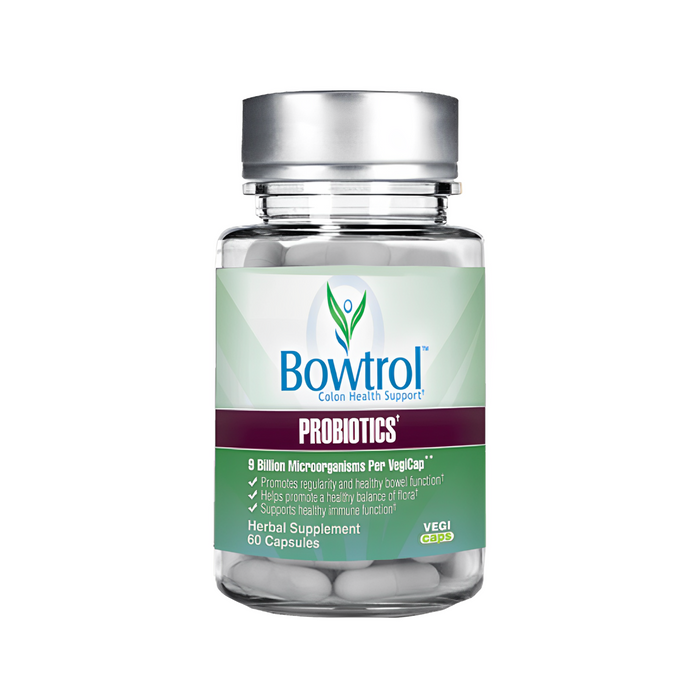
The gut-brain axis significantly influences sleep. Research shows that gut microbiome composition affects melatonin production and sleep quality. Conditions like IBS, dysbiosis, and inflammation in the gut can disrupt sleep. Supporting gut health with quality probiotics like Bowtrol Probiotic can improve sleep through the gut-brain connection.
18. Chronic Pain
Joint pain, back pain, fibromyalgia, and other chronic pain conditions make finding comfortable sleep positions difficult and cause frequent awakenings. Addressing underlying inflammation with supplements like Joint Advance can help break the pain-sleep disruption cycle.
19. Sleep Anxiety (Paradoxical Insomnia)
After experiencing insomnia, many people develop anxiety about sleep itself. This creates a self-fulfilling prophecy: worrying about not sleeping makes it harder to sleep, which increases worry. Breaking this cycle often requires cognitive behavioral therapy techniques.
20. Conditioned Arousal
If you've spent months or years lying awake in bed, your brain may have associated the bed with wakefulness rather than sleep. This conditioned arousal makes the bedroom environment itself stimulating rather than relaxing.
Sleep Disorders Explained
While general sleep difficulties affect nearly everyone occasionally, sleep disorders are specific medical conditions requiring targeted treatment. Understanding these conditions helps identify when professional evaluation is necessary.
Types of Insomnia
The International Classification of Sleep Disorders recognizes several insomnia subtypes:
Acute Insomnia (Adjustment Insomnia):
Short-term insomnia lasting days to weeks, typically triggered by identifiable stressors: work deadlines, relationship problems, travel, illness, or major life changes. Usually resolves when the stressor passes or adaptation occurs.
Chronic Insomnia:
Insomnia occurring at least three nights per week for at least three months. Often begins as acute insomnia but perpetuates through maladaptive coping behaviors (spending too much time in bed, napping, worrying about sleep). Cognitive behavioral therapy for insomnia (CBT-I) is the gold-standard treatment.
Sleep Onset Insomnia:
Difficulty falling asleep at the beginning of the night. Often related to anxiety, hyperarousal, delayed circadian rhythm, or conditioned arousal.
Sleep Maintenance Insomnia:
Difficulty staying asleep—waking during the night and having trouble returning to sleep. Common causes include sleep apnea, pain, reflux, and hormonal changes. More common in older adults.
Early Morning Awakening:
Waking too early (e.g., 4 AM) and being unable to return to sleep. Often associated with depression and advanced circadian rhythm.
Sleep Apnea: The Silent Epidemic
Sleep apnea is a serious condition in which breathing repeatedly stops and starts during sleep. The American Sleep Apnea Association estimates that 22 million Americans have sleep apnea, with 80% of moderate to severe cases undiagnosed.
Obstructive Sleep Apnea (OSA):
The most common type. During sleep, throat muscles relax and allow the airway to collapse, blocking breathing. The brain senses oxygen dropping and briefly rouses you to reopen the airway—often so briefly you don't remember it. This can happen 5 to over 100 times per hour.
Warning Signs of Sleep Apnea:
- Loud snoring
- Observed pauses in breathing during sleep
- Gasping or choking during sleep
- Excessive daytime sleepiness despite adequate sleep time
- Morning headaches
- Waking with dry mouth or sore throat
- Difficulty concentrating
- Mood changes, irritability, depression
Consequences of Untreated Sleep Apnea:
Sleep apnea is not just a nuisance—it's a serious health threat. Untreated OSA is associated with:
- 3x increased risk of hypertension
- 2-4x increased risk of heart attack
- 2-4x increased risk of stroke
- Increased risk of type 2 diabetes
- Increased risk of sudden cardiac death during sleep
- Car accidents due to drowsy driving
- Cognitive impairment and dementia risk
If you suspect sleep apnea, seek evaluation immediately. Diagnosis requires a sleep study (polysomnography), and treatment typically involves CPAP therapy, oral appliances, or in some cases surgery. Weight loss also significantly improves sleep apnea in overweight individuals.
Restless Legs Syndrome
Restless legs syndrome (RLS) is a neurological condition characterized by uncomfortable sensations in the legs (and sometimes arms) that create an irresistible urge to move. Symptoms typically worsen during rest and in the evening, making falling asleep extremely difficult.
Symptoms Include:
- Uncomfortable sensations (crawling, pulling, throbbing, aching) in the legs
- Irresistible urge to move legs
- Symptoms worse during rest and evening
- Movement provides temporary relief
- Often accompanied by periodic limb movements during sleep
Causes and Contributing Factors:
- Iron deficiency (most common correctable cause)
- Pregnancy
- Kidney disease
- Certain medications (antihistamines, antidepressants, antipsychotics)
- Dopamine system dysfunction
- Genetic factors (often runs in families)
Treatment includes iron supplementation if deficient, medications that affect dopamine, lifestyle changes, and in some cases alpha-2-delta ligands like gabapentin.
Other Sleep Disorders
Circadian Rhythm Disorders:
- Delayed Sleep Phase Disorder: Sleep timing shifted hours later than desired; common in teenagers and young adults
- Advanced Sleep Phase Disorder: Sleep timing shifted hours earlier; more common in older adults
- Shift Work Disorder: Insomnia and excessive sleepiness due to work schedule conflicting with circadian rhythm
- Jet Lag Disorder: Temporary misalignment from rapid time zone changes
Parasomnias:
- Sleepwalking: Complex behaviors performed while partially aroused from deep sleep
- Night Terrors: Episodes of screaming and intense fear during sleep, more common in children
- REM Sleep Behavior Disorder: Acting out dreams due to lack of normal muscle paralysis during REM; can be associated with neurodegenerative diseases
- Sleep Paralysis: Brief inability to move when falling asleep or waking; often frightening but not dangerous
Hypersomnias:
- Narcolepsy: Excessive daytime sleepiness with sudden sleep attacks; may include cataplexy (muscle weakness triggered by emotion)
- Idiopathic Hypersomnia: Excessive sleepiness without an identifiable cause
Evidence-Based Natural Sleep Supplements
While sleep hygiene and behavioral interventions should be the foundation of any sleep improvement plan, certain supplements have demonstrated efficacy in clinical research. Here's what the evidence actually shows:
Melatonin: The Sleep Hormone
What It Is:
Melatonin is a hormone naturally produced by the pineal gland in response to darkness. It doesn't directly cause sleep—rather, it signals to your body that it's time to sleep, helping regulate your circadian rhythm.
Evidence Summary:
Meta-analyses published in PLOS ONE and Sleep Medicine Reviews confirm that melatonin:
- Reduces time to fall asleep by 7-12 minutes on average
- Is particularly effective for jet lag and shift work
- Helps delayed sleep phase disorder
- Has modest effects on sleep quality in primary insomnia
- Is beneficial for older adults (who produce less natural melatonin)
Optimal Usage:
- Dose: 0.5-3mg is typically sufficient; more is not better. Research suggests low doses (0.5-1mg) may be more effective than high doses for many people.
- Timing: Take 1-2 hours before desired sleep time. For jet lag, timing depends on direction of travel.
- Form: Immediate-release for sleep onset issues; extended-release for sleep maintenance. Sublingual forms offer faster absorption.
Important Notes:
Melatonin is a hormone, and while generally safe for short-term use, long-term effects aren't fully established. It can interact with blood thinners, immunosuppressants, and diabetes medications. It's not recommended during pregnancy or breastfeeding.
Magnesium: The Relaxation Mineral
What It Is:
Magnesium is an essential mineral involved in over 300 enzymatic reactions in the body, including those regulating nervous system function, muscle relaxation, and neurotransmitter activity.
Evidence Summary:
Research published in the Journal of Research in Medical Sciences found that magnesium supplementation in elderly subjects with insomnia:
- Significantly increased sleep time
- Improved sleep efficiency
- Reduced time to fall asleep
- Increased melatonin and decreased cortisol levels
- Reduced early morning awakening
Magnesium deficiency is common—the National Institutes of Health estimates nearly half of Americans don't meet the recommended daily intake.
Optimal Usage:
- Forms: Magnesium glycinate is best tolerated and may have additional calming effects from glycine. Magnesium threonate crosses the blood-brain barrier effectively. Avoid magnesium oxide (poorly absorbed) and citrate (may cause digestive issues).
- Dose: 200-400mg elemental magnesium, typically taken 1-2 hours before bed
- Additional benefit: Helps with muscle cramps and restless legs that can disrupt sleep
L-Theanine: Calm Without Drowsiness
What It Is:
L-theanine is an amino acid found naturally in tea leaves (particularly green tea). It promotes relaxation without sedation by increasing alpha brain wave activity—the same brain state achieved during meditation.
Evidence Summary:
Research published in Nutrients and the Journal of Clinical Psychiatry shows L-theanine:
- Improves sleep quality without causing daytime drowsiness
- Reduces anxiety and promotes relaxation
- Decreases resting heart rate
- Is particularly effective for those whose sleep is disrupted by racing thoughts or anxiety
- Works synergistically with GABA to enhance calming effects
Optimal Usage:
- Dose: 100-400mg, typically 200mg 30-60 minutes before bed
- Unique benefit: Unlike sedatives, L-theanine promotes calmness without impairing next-day cognitive function
- Can be used during the day: For anxiety without drowsiness
GABA: The Calming Neurotransmitter
What It Is:
Gamma-aminobutyric acid (GABA) is the primary inhibitory neurotransmitter in the brain. It reduces neural activity, promoting calmness and relaxation. Many pharmaceutical sleep aids (like benzodiazepines) work by enhancing GABA activity.
Evidence Summary:
Research on GABA supplementation shows:
- Significantly reduced time to fall asleep
- Increased total sleep time
- Improved sleep quality measurements
- Reduced stress and anxiety markers
There's debate about whether supplemental GABA crosses the blood-brain barrier effectively. However, newer forms (like PharmaGABA, produced through fermentation) appear to be more bioavailable, and GABA also acts on receptors in the gut which communicate with the brain.
Optimal Usage:
- Dose: 100-300mg 30-60 minutes before bed
- Form: PharmaGABA (natural fermentation) may be more effective than synthetic GABA
- Synergy: Works well combined with L-theanine and magnesium
Valerian Root: Traditional Sleep Aid
What It Is:
Valerian (Valeriana officinalis) is an herb used for centuries as a sleep aid. It contains compounds that interact with GABA receptors and may also affect adenosine and serotonin systems.
Evidence Summary:
Research on valerian is mixed but generally positive:
- Meta-analyses suggest valerian may improve sleep quality, though effects are modest
- Benefits may increase with continued use over 2-4 weeks
- Generally well-tolerated with rare side effects
- European regulatory agencies have approved valerian for sleep disturbances
Optimal Usage:
- Dose: 300-600mg standardized extract 30-60 minutes before bed
- Duration: May take 2-4 weeks of consistent use for full effect
- Note: Has a distinctive odor that some find unpleasant; capsules avoid this
Glycine: Deep Sleep Enhancer
What It Is:
Glycine is a non-essential amino acid that serves as an inhibitory neurotransmitter in the central nervous system. It helps lower core body temperature—a process essential for sleep initiation.
Evidence Summary:
Research from Ajinomoto Pharmaceuticals, published in Sleep and Biological Rhythms, found that 3g glycine before bed:
- Significantly improved subjective sleep quality
- Reduced time to fall asleep
- Enhanced sleep efficiency
- Improved next-day alertness and cognitive function
- Reduced fatigue in sleep-deprived individuals
Glycine works partly by lowering core body temperature and partly through direct effects on the brain's sleep-promoting regions.
Optimal Usage:
- Dose: 3g (3000mg) about one hour before bed
- Form: Pure powder dissolves easily in water with a slightly sweet taste
- Additional benefit: Also supports collagen production and gut health
The Gut-Sleep Connection: Probiotics for Better Sleep
The Science:
The gut-brain axis is a bidirectional communication system between your gut microbiome and your brain. This connection profoundly affects sleep through several mechanisms:
- Serotonin production: Over 90% of the body's serotonin is produced in the gut. Serotonin is the precursor to melatonin—your sleep hormone.
- GABA production: Certain gut bacteria produce GABA, the calming neurotransmitter essential for sleep.
- Inflammation: Gut dysbiosis promotes systemic inflammation, which disrupts sleep.
- Cortisol regulation: The gut microbiome influences cortisol rhythm.
- Vagus nerve signaling: Gut bacteria communicate directly with the brain through the vagus nerve.
Evidence:
Research published in Frontiers in Psychiatry and Beneficial Microbes demonstrates that:
- People with insomnia have different gut microbiome compositions than good sleepers
- Probiotic supplementation can improve sleep quality scores
- Certain strains (particularly Lactobacillus and Bifidobacterium) show sleep benefits
- Improving gut health reduces sleep-disrupting inflammation
Supporting gut health with a quality probiotic like Bowtrol Probiotic addresses one of the often-overlooked root causes of sleep problems. The gut-sleep connection explains why digestive issues so often accompany insomnia.
Sleep Hygiene: The Complete Protocol
Sleep hygiene refers to habits and environmental factors that promote quality sleep. While the term may seem mundane, implementing comprehensive sleep hygiene is remarkably effective—often more effective than medication. The following protocol synthesizes recommendations from major sleep centers worldwide.
Creating the Perfect Sleep Environment
Temperature:
The ideal bedroom temperature for sleep is between 60-67°F (15-19°C). Your core body temperature needs to drop by about 2-3°F to initiate sleep. A cool room facilitates this process. Research from the University of South Australia found that even small increases in room temperature significantly increased wakefulness during the night.
Darkness:
Complete darkness is ideal. Even small amounts of light can suppress melatonin and disrupt sleep—research shows that light exposure during sleep affects metabolism and heart function. Strategies include:
- Blackout curtains or shades
- Sleep mask
- Cover or remove any light-emitting electronics
- Use motion-activated dim red lights for nighttime bathroom trips
Noise:
While complete silence is ideal for some, consistent background noise (white noise, pink noise, or nature sounds) can mask disruptive sounds. Sudden noises—even if they don't wake you consciously—can shift you to lighter sleep stages. Options include:
- White noise machines or fans
- Earplugs (silicone or foam)
- Sound-masking apps or devices
Bedding:
Invest in quality. You spend about one-third of your life in bed—your mattress and pillow quality matter enormously:
- Replace mattresses every 7-10 years (sagging affects sleep quality and back health)
- Choose pillows that maintain neutral neck alignment for your sleep position
- Consider breathable, moisture-wicking bedding materials
- Keep bedding clean—allergens in bedding can disrupt sleep
Air Quality:
Poor air quality affects sleep. Consider:
- HEPA air purifiers, especially for allergy sufferers
- Removing dust-collecting items from the bedroom
- Regular vacuuming with HEPA filters
- Keeping humidity between 30-50%
The Bed Is for Sleep (and Sex) Only:
One of the most important but most violated rules. When you work, scroll, watch TV, or even read extensively in bed, your brain associates the bed with wakefulness. Reserve the bed exclusively for sleep and intimacy to strengthen the bed-sleep association.
Optimizing Your Sleep Schedule
Consistency Is King:
The single most important sleep hygiene rule: go to bed and wake up at the same time every day—including weekends. Your circadian rhythm thrives on consistency. Varying your schedule by even 1-2 hours on weekends creates "social jet lag" that impairs sleep throughout the week.
Wake Time Is More Important Than Bedtime:
Counterintuitively, if you can only control one thing, make it a consistent wake time. A fixed wake time anchors your circadian rhythm. Even if you sleep poorly one night, wake at the same time—the increased sleep pressure will help you sleep better the following night.
Don't Go to Bed Unless You're Sleepy:
Going to bed when you're not sleepy leads to lying awake, which reinforces the bed-wakefulness association. Wait until you feel genuinely drowsy—heavy eyelids, difficulty keeping eyes open.
If You Can't Sleep, Get Up:
The 20-minute rule: if you're not asleep within about 20 minutes (don't clock-watch), get up and do something relaxing in dim light until you feel sleepy again. Lying in bed awake teaches your brain that the bed is a place for wakefulness.
Calculate Your Sleep Window:
Most adults need 7-9 hours. Determine your ideal sleep duration (when you wake naturally feeling refreshed) and count back from your required wake time to set your target bedtime.
The Ultimate Pre-Sleep Routine
2-3 Hours Before Bed:
- Last caffeinated beverage (ideally 6+ hours before bed if sensitive)
- Last alcoholic drink (if consuming at all)
- Finish dinner (avoid large meals close to bedtime)
- Complete vigorous exercise
1-2 Hours Before Bed:
- Begin dimming lights throughout your home
- Stop work and mentally demanding activities
- Start your wind-down routine
- Avoid emotionally stimulating content (news, arguments, thriller shows)
- Take sleep-supporting supplements (if using)
The Wind-Down Ritual (60-90 Minutes Before Bed):
Create a consistent sequence of relaxing activities that signal to your body that sleep is approaching:
- Take a warm bath or shower (the subsequent body temperature drop promotes sleep)
- Practice relaxation techniques: meditation, deep breathing, progressive muscle relaxation, gentle stretching, or yoga
- Engage in calm activities: reading (physical book, not screen), journaling, light conversation, puzzles
- Listen to calming music or nature sounds
- Prepare for the next day (reduces racing thoughts about tomorrow)
30 Minutes Before Bed:
- Put away all screens
- Move to the bedroom
- Keep lights very dim
- Do relaxation exercises if desired
- Don't get in bed until you feel drowsy
Technology and Sleep: Friend or Foe?
Blue Light and Sleep
Blue light (wavelength 450-495nm) is abundant in sunlight and LED screens. While beneficial during the day—boosting alertness, attention, and mood—evening blue light exposure is problematic.
How Blue Light Disrupts Sleep:
- Suppresses melatonin production for up to 3 hours after exposure
- Shifts circadian rhythm later (delays sleep onset)
- Reduces total sleep time and REM sleep
- Impairs next-day alertness and cognitive performance
Research Evidence:
A Harvard study found that blue light exposure at night suppressed melatonin twice as much as green light and shifted circadian rhythms by twice as much. Research published in PNAS showed that people who read e-books before bed took longer to fall asleep, had less REM sleep, and felt sleepier the next morning than those who read printed books.
Mitigation Strategies:
- Screen-free time: The gold standard—stop screen use 1-2 hours before bed
- Blue light glasses: Amber-tinted glasses block blue light effectively. Research shows they can improve sleep even with continued evening screen use.
- Night modes: Enable night shift/night mode on devices (reduces but doesn't eliminate blue light)
- App-based filters: Software like f.lux can further reduce blue light emissions
- Smart lighting: Programmable bulbs that shift warmer in the evening
The mental stimulation from devices—separate from blue light—also impairs sleep. Engaging content keeps the mind active when it should be winding down.
Sleep Trackers: Are They Worth It?
Consumer sleep trackers (wearables, smart watches, bed sensors) have become increasingly popular. But how accurate are they, and do they actually help?
Accuracy Assessment:
Research comparing consumer devices to polysomnography (the gold standard) shows:
- Total sleep time: Generally accurate within 20-30 minutes
- Sleep onset/offset: Reasonably accurate
- Sleep stages: Significantly less accurate. Most devices overestimate light sleep and have difficulty distinguishing deep sleep from REM.
- Sleep quality metrics: Should be viewed as estimates, not precise measurements
Potential Benefits:
- Increases awareness of sleep patterns
- Helps identify trends and correlations
- Can motivate prioritizing sleep
- Useful for tracking effects of interventions
Potential Downsides:
- Orthosomnia: Anxiety about achieving "perfect" sleep scores, which ironically worsens sleep
- Over-reliance on data vs. subjective feel
- False reassurance or false alarm from inaccurate readings
- Can perpetuate sleep anxiety
Recommendation:
Sleep trackers can be useful tools for identifying patterns and trends, but don't obsess over nightly scores. How you feel is more important than any number. If tracking increases sleep anxiety, stop.
Lifestyle Factors That Affect Sleep
Exercise and Sleep: The Sweet Spot
Exercise is one of the most effective non-pharmacological interventions for improving sleep. Research consistently shows that regular exercisers sleep better, fall asleep faster, and spend more time in deep sleep.
How Exercise Improves Sleep:
- Increases adenosine (sleep pressure)
- Reduces anxiety and depression
- Regulates circadian rhythm (especially outdoor exercise)
- Reduces inflammation
- Improves body composition (reduces sleep apnea risk)
- Increases time in deep sleep
Evidence:
A meta-analysis published in Sleep Medicine Reviews analyzing 66 studies found that exercise:
- Reduced time to fall asleep by 12 minutes on average
- Increased total sleep time by 10 minutes
- Improved sleep efficiency and quality
- Benefits were seen across all types of exercise and age groups
Optimal Timing:
The relationship between exercise timing and sleep is more nuanced than the blanket "don't exercise at night" advice:
- Morning exercise: May be best for consolidating nighttime sleep and promoting morning alertness. Outdoor morning exercise provides light exposure that reinforces circadian rhythm.
- Afternoon exercise (4-6 PM): May be optimal for some, as body temperature naturally peaks in late afternoon, potentially enhancing exercise performance.
- Evening exercise: Research suggests that for many people, moderate exercise even 1-2 hours before bed doesn't impair and may actually improve sleep. However, high-intensity exercise close to bedtime may be problematic for some individuals.
Individual responses vary. Experiment to find what works for you.
Foods That Help (and Hurt) Sleep
Sleep-Promoting Foods:
- Tart cherries (or tart cherry juice): One of the few natural food sources of melatonin. Research shows tart cherry juice can increase sleep time and efficiency.
- Kiwifruit: Studies show eating two kiwis one hour before bed improved sleep onset, duration, and efficiency. May be due to serotonin and antioxidant content.
- Fatty fish: Rich in omega-3s and vitamin D, both associated with serotonin production and sleep regulation.
- Nuts: Almonds and walnuts contain melatonin, magnesium, and tryptophan.
- Complex carbohydrates: Moderate intake of whole grains may increase tryptophan availability to the brain.
- Dairy: Contains tryptophan and calcium, which helps the brain use tryptophan to produce melatonin. The "warm milk before bed" tradition has some scientific basis.
- Herbal teas: Chamomile contains apigenin, which binds to GABA receptors and promotes relaxation. Passionflower and lavender also have calming effects.
Foods That Hurt Sleep:
- Large meals close to bedtime: Can cause discomfort and reflux
- Spicy foods: May cause acid reflux and raise body temperature
- High-fat foods: Slow to digest, can cause discomfort
- High-sugar foods: May cause blood sugar fluctuations that disrupt sleep
- Excessive fluids: Lead to nighttime bathroom trips
Timing Guidelines:
- Finish eating at least 2-3 hours before bed
- If hungry at bedtime, have a small snack combining complex carbs and protein
- Avoid heavy, spicy, acidic foods in the evening
- Limit fluids 1-2 hours before bed to prevent nighttime urination
Caffeine, Alcohol, and Sleep
Caffeine:
Caffeine is the world's most widely consumed psychoactive substance—and a major sleep disruptor for many. Understanding its pharmacokinetics is essential:
- Half-life: 5-7 hours average, but varies enormously by genetics. Some people clear caffeine in 3 hours; others take 10+ hours.
- Mechanism: Caffeine blocks adenosine receptors. Adenosine builds up during wakefulness and creates sleep pressure. By blocking adenosine, caffeine prevents you from feeling sleepy—but doesn't eliminate the underlying sleep debt.
- Sleep effects: Even if you can fall asleep after caffeine, sleep architecture is affected. Research shows caffeine reduces deep sleep and total sleep time even when consumed 6 hours before bed.
Recommendations:
- Set a personal caffeine cutoff (start with early afternoon and adjust)
- Be aware of hidden caffeine sources: chocolate, some medications, decaf coffee (still contains some caffeine)
- If you're caffeine-sensitive, consider eliminating it entirely and observe the effect on your sleep
- Genetic testing can reveal your caffeine metabolism speed
Alcohol:
Alcohol is a deceptive sleep aid. While it may help you fall asleep faster due to its sedative effects, it severely damages sleep quality:
- Reduced REM sleep: Alcohol suppresses REM, especially in the first half of the night
- Sleep fragmentation: As alcohol is metabolized, its sedative effects give way to a rebound stimulant effect, causing awakenings in the second half of the night
- Increased sleep apnea: Alcohol relaxes throat muscles, worsening apnea
- Increased urination: Alcohol is a diuretic, increasing nighttime bathroom trips
- Dehydration: Contributes to poor sleep quality and next-day fatigue
Recommendations:
- Avoid alcohol within 3 hours of bedtime
- Recognize that "needing a drink to sleep" is a red flag for dependency
- If consuming alcohol, moderate intake and hydrate adequately
- For sleep improvement, consider eliminating alcohol entirely for a trial period
Stress, Anxiety, and Sleep
The relationship between stress and sleep is one of the most vicious cycles in health. Stress makes it hard to sleep; sleep deprivation increases stress. Breaking this cycle requires addressing both sides.
How Stress Disrupts Sleep:
- Hyperarousal: Stress activates the sympathetic nervous system and HPA axis, increasing cortisol, adrenaline, and alertness—the opposite of what's needed for sleep.
- Racing thoughts: An activated mind rehashes the day's problems and anticipates tomorrow's challenges.
- Physical tension: Stress causes muscle tension that can interfere with relaxation.
- Sleep anxiety: After poor sleep nights, anxiety about sleep itself develops.
Evidence-Based Stress Management Techniques for Sleep:
1. Progressive Muscle Relaxation (PMR):
Systematically tensing and releasing muscle groups from toes to head. Research shows PMR significantly improves sleep quality and reduces time to fall asleep. Takes about 15-20 minutes. Particularly effective for those who hold physical tension.
2. Deep Breathing (4-7-8 Breathing):
Inhale for 4 counts, hold for 7 counts, exhale for 8 counts. This activates the parasympathetic nervous system, directly countering stress response. Can be done in bed.
3. Mindfulness Meditation:
Research published in JAMA Internal Medicine found that mindfulness meditation significantly improved sleep quality in older adults with sleep disturbances—comparable to sleep medications without the side effects.
4. Worry Time/Journaling:
Schedule 15-20 minutes earlier in the evening (not at bedtime) to write down worries and potential solutions. This "externalizes" concerns, reducing the need for the brain to process them during sleep.
5. Cognitive Restructuring:
Challenge catastrophic thinking about sleep ("I'll never be able to function tomorrow"). Replace with more realistic thoughts ("I've functioned on poor sleep before; one bad night won't ruin me").
Sleep Optimization by Age
Sleep needs and challenges change throughout life. Understanding age-specific patterns helps set appropriate expectations and interventions.
Adults (26-64):
- Recommended sleep: 7-9 hours
- Common challenges: Work stress, family demands, shift work, technology overuse
- Key strategies: Prioritize sleep as non-negotiable, maintain consistent schedule, address stress, optimize bedroom environment
Older Adults (65+):
- Recommended sleep: 7-8 hours
- Normal changes: Earlier bedtime/wake time (circadian advance), more time in light sleep, less deep sleep, more nighttime awakenings
- Common challenges: Medications affecting sleep, chronic pain, nocturia, sleep apnea, restless legs
- Key strategies: Maintain social engagement and daytime activity, get morning light exposure, review medications with doctor, address underlying conditions, avoid long or late naps
- Important note: Severe insomnia is not a normal part of aging. Persistent sleep problems warrant medical evaluation.
CBT-I: The Gold Standard Treatment for Insomnia
Cognitive Behavioral Therapy for Insomnia (CBT-I) is the first-line treatment recommended by the American College of Physicians, the American Academy of Sleep Medicine, and the European Sleep Research Society. Unlike sleep medications, CBT-I addresses the underlying causes of insomnia and produces lasting results.
What CBT-I Involves:
1. Sleep Restriction Therapy:
Paradoxically, spending less time in bed initially. By limiting time in bed to actual sleep time, sleep efficiency improves. As sleep consolidates, time in bed is gradually extended. This is the most powerful (and most challenging) component.
2. Stimulus Control:
Re-establishing the bed-sleep association through strict rules:
- Only go to bed when sleepy
- Get out of bed if not asleep within ~20 minutes
- Use bed only for sleep and sex
- Wake at the same time every day regardless of sleep quality
- No napping (initially)
3. Cognitive Therapy:
Identifying and challenging unhelpful beliefs about sleep:
- "I need 8 hours or I can't function" (false—many thrive on less)
- "If I don't sleep tonight, tomorrow will be ruined" (catastrophizing)
- "I've lost the ability to sleep" (not biologically possible)
- Reducing performance anxiety about sleep
4. Sleep Hygiene Education:
The environmental and behavioral factors detailed earlier in this guide.
5. Relaxation Training:
Progressive muscle relaxation, deep breathing, meditation, biofeedback.
Effectiveness:
Meta-analyses show CBT-I:
- Reduces time to fall asleep by 20-30 minutes
- Reduces time awake during the night by 30-40 minutes
- Improves sleep efficiency to 85%+
- Maintains benefits long-term (unlike medications)
- Works for 70-80% of chronic insomnia patients
How to Access CBT-I:
- In-person therapy with a trained CBT-I provider
- Online programs (Sleepio, Somryst are FDA-cleared)
- Self-help books ("Say Good Night to Insomnia" by Gregg Jacobs)
- Apps with CBT-I components
CBT-I requires commitment and short-term discomfort for long-term gain. The sleep restriction phase can be challenging. But the results are worth it.
When to See a Doctor
While many sleep problems can be improved with the strategies in this guide, certain situations require professional evaluation:
See a Doctor If:
- Insomnia persists for more than 3 weeks despite sleep hygiene improvements
- You or your partner notice loud snoring, breathing pauses, or gasping during sleep (possible sleep apnea)
- You have excessive daytime sleepiness that interferes with daily activities
- You experience unusual behaviors during sleep (sleepwalking, acting out dreams)
- You have symptoms of restless legs syndrome or periodic limb movements
- You fall asleep at inappropriate times (driving, meetings)
- You experience sleep paralysis or vivid hallucinations when falling asleep/waking
- Your sleep problems are accompanied by depression, anxiety, or other mental health concerns
- You rely on alcohol or over-the-counter medications to sleep
- Your sleep schedule is completely reversed (awake at night, sleeping during day)
What to Expect:
A sleep evaluation may include:
- Detailed sleep history and sleep diary review
- Physical examination
- Review of medications and medical conditions
- Questionnaires assessing sleepiness, insomnia severity, and sleep disorder symptoms
- Sleep study (polysomnography) if sleep apnea or other disorders are suspected
- Blood tests to check for conditions affecting sleep
Types of Sleep Specialists:
- Sleep medicine physicians: Board-certified specialists in sleep disorders
- Pulmonologists: Often specialize in sleep apnea
- Neurologists: May specialize in sleep, especially for disorders like narcolepsy
- Psychiatrists: For sleep problems associated with mental health conditions
- Behavioral sleep medicine specialists: Psychologists trained in CBT-I
Your 30-Day Better Sleep Action Plan
Implementing everything at once can be overwhelming. This phased approach builds sustainable sleep improvements step by step.
Week 1: Foundation
- Set a consistent wake time (the same every day, including weekends)
- Stop caffeine after early afternoon
- Begin keeping a simple sleep diary
- Assess your bedroom environment (temperature, darkness, noise)
- Remove screens from the bedroom
Week 2: Environment Optimization
- Implement bedroom changes identified in Week 1
- Establish a device cutoff time (1-2 hours before bed)
- Create a simple wind-down routine (15-30 minutes)
- Evaluate your mattress and pillow; replace if needed
- Consider adding magnesium supplementation (200-400mg before bed)
Week 3: Behavioral Changes
- Implement the 20-minute rule (get up if not sleeping)
- Stop using bed for anything except sleep and sex
- Add morning light exposure (at least 15 minutes)
- Establish regular exercise if not already exercising
- Consider additional supplements (L-theanine, glycine, or probiotic support)
Week 4: Fine-Tuning
- Review your sleep diary for patterns and insights
- Adjust wind-down routine based on what's working
- Address any remaining environmental issues
- If still struggling, consider formal CBT-I or medical evaluation
- Establish maintenance routines for long-term success
Key Metrics to Track:
- Time to fall asleep (goal: under 30 minutes)
- Number of nighttime awakenings
- Total sleep time
- Sleep quality rating (1-10)
- Daytime energy and mood
Conclusion: Reclaiming Your Nights
Sleep is not a luxury—it's a biological imperative as essential as food and water. The science is unequivocal: sleep deprivation damages every system in your body, from your brain to your immune system to your waistline. Yet good sleep is achievable for the vast majority of people with the right knowledge and commitment.
The key takeaways from this comprehensive guide:
- Sleep is active: Far from passive rest, sleep is when critical brain cleaning, memory consolidation, hormone release, and tissue repair occur. You can't afford to skimp.
- Consistency matters most: A regular sleep-wake schedule may be the single most powerful intervention for better sleep. Your circadian rhythm thrives on predictability.
- Environment shapes sleep: Your bedroom should be cool, dark, quiet, and reserved for sleep. Small changes can yield significant improvements.
- Habits compound: Caffeine timing, alcohol use, screen exposure, exercise, and stress all affect sleep. Optimizing these factors creates synergistic benefits.
- Supplements can support: Evidence-based supplements like magnesium, L-theanine, glycine, and melatonin can meaningfully improve sleep when combined with good sleep hygiene. The gut-sleep connection makes probiotic support particularly valuable for many people.
- Inflammation disrupts sleep: Chronic inflammation impairs sleep quality and duration. Addressing inflammation through diet, lifestyle, and targeted supplements like Curcumin 2000 supports better sleep.
- Deep sleep is essential for recovery: Growth hormone release, tissue repair, and brain detoxification happen primarily during deep sleep. Natural HGH support supplements like HGH Energizer work best when deep sleep is optimized.
- CBT-I works: If insomnia persists despite lifestyle changes, cognitive behavioral therapy for insomnia offers lasting solutions without medication dependency.
- Medical evaluation matters: Snoring, breathing pauses, excessive daytime sleepiness, and persistent insomnia warrant professional evaluation. Sleep disorders are treatable.
- It's never too late: Whether you've struggled with sleep for months or years, improvement is possible. Your body wants to sleep well—remove the obstacles and provide the support it needs.
Tonight is a new opportunity. Every night is a chance to reset, restore, and rebuild. Prioritize your sleep, implement the evidence-based strategies in this guide, and watch as every aspect of your health and life improves.
Sleep well. Wake renewed. Live fully.
Medical Disclaimer
This article is for informational purposes only and does not constitute medical advice. Always consult a qualified healthcare provider before starting any supplement regimen or making significant changes to your health routine, especially if you have existing health conditions or take medications. Chronic sleep disorders require professional evaluation and treatment.
References & Sources
This article synthesizes research from peer-reviewed sources including:
- Stanford Center for Sleep Sciences and Medicine – sleep.stanford.edu
- Harvard Medical School Division of Sleep Medicine – healthysleep.med.harvard.edu
- National Sleep Foundation – sleepfoundation.org
- American Academy of Sleep Medicine – aasm.org
- Centers for Disease Control and Prevention – cdc.gov
- National Institutes of Health – nih.gov
- Mayo Clinic – mayoclinic.org
- RAND Corporation – rand.org
- University of California Berkeley Sleep and Neuroimaging Lab
- University of Rochester Medical Center (glymphatic system research)
- Sleep Medicine Reviews
- Journal of Clinical Sleep Medicine
- PLOS ONE
- Nature Communications
- JAMA Internal Medicine
- Annals of Internal Medicine
- Frontiers in Psychiatry
- Journal of Research in Medical Sciences
- Sleep and Biological Rhythms
- British Journal of Sports Medicine
- Proceedings of the National Academy of Sciences
Individual studies are available through PubMed (pubmed.ncbi.nlm.nih.gov).