Sexual health is one of the most important yet least discussed aspects of overall wellbeing. It affects our relationships, self-esteem, mental health, and even serves as a barometer for cardiovascular function. Yet millions of people suffer in silence, embarrassed to seek help for conditions like low libido, erectile dysfunction, or arousal difficulties. This comprehensive guide—backed by research from Harvard Medical School, the Cleveland Clinic, Mayo Clinic, and leading sexual medicine centers—will give you the evidence-based knowledge and practical solutions to enhance your sexual health naturally and reclaim the vital, fulfilling intimate life you deserve.
Introduction: Sexual Health as a Vital Sign
In 2006, a groundbreaking paper in the American Journal of Cardiology proposed something revolutionary: erectile dysfunction should be considered a "window to the heart." Researchers found that ED often precedes cardiovascular events by 3-5 years, making it an early warning sign that could save lives. This insight transformed how we view sexual health—not as a luxury or peripheral concern, but as a vital sign of overall health.
Today, organizations like the World Health Organization recognize sexual health as "a state of physical, emotional, mental and social well-being in relation to sexuality." It's not merely the absence of disease or dysfunction but encompasses the possibility of having pleasurable and safe sexual experiences, free of coercion and discrimination.
The scale of sexual health concerns is staggering:
- Over 30 million American men experience erectile dysfunction
- Approximately 43% of women report some form of sexual dysfunction
- Low libido affects up to 40% of women and 20% of men at some point in their lives
- Testosterone deficiency affects roughly 4-5 million American men
- Sexual health issues are cited as a contributing factor in 20-25% of divorces
Yet despite these numbers, fewer than 25% of those affected ever seek treatment. The stigma surrounding sexual health prevents millions from getting help that could transform their lives and relationships.
This guide aims to change that. We'll explore the science of sexual function, examine evidence-based natural solutions, and provide practical strategies that have helped countless individuals reclaim their sexual vitality. Whether you're dealing with specific concerns or simply want to optimize your intimate wellness, the knowledge ahead can make a meaningful difference.
Why Sexual Health Matters for Overall Wellbeing
Sexual health is deeply intertwined with nearly every aspect of our wellbeing. Understanding these connections helps explain why prioritizing intimate wellness yields benefits far beyond the bedroom.
The Cardiovascular-Sexual Health Connection
The link between sexual function and heart health is one of the most important discoveries in modern medicine. Research published in the European Heart Journal found that men with ED have a 59% higher risk of cardiovascular disease compared to men without ED, even after controlling for traditional risk factors.
Why are they connected?
- Shared blood vessel biology: Erection requires healthy blood vessel function. The arteries supplying the penis are smaller than coronary arteries, so they show dysfunction earlier
- Endothelial dysfunction: The same vascular lining damage that causes atherosclerosis also impairs sexual function
- Shared risk factors: Obesity, diabetes, high blood pressure, smoking, and sedentary lifestyle affect both cardiovascular and sexual health
- Nitric oxide: This molecule is essential for both healthy erections and cardiovascular function
This connection works both ways. Research from Harvard shows that improving cardiovascular health through exercise and diet also improves erectile function. A study in the Journal of Sexual Medicine found that men who exercised regularly were 30% less likely to experience ED than sedentary men.
Mental Health & Sexual Function
The relationship between mental health and sexuality is bidirectional and powerful. Depression and anxiety are among the leading causes of low libido in both men and women, while sexual dysfunction significantly increases the risk of developing depression.
Research findings:
- Men with ED are 2-3 times more likely to suffer from depression
- Up to 75% of patients with major depression report decreased sexual desire
- Anxiety disorders are associated with premature ejaculation in men and arousal difficulties in women
- Performance anxiety creates a self-fulfilling prophecy, where worry about sexual function actually impairs it
Conversely, a healthy sex life provides mental health benefits including stress relief through oxytocin release, improved sleep, enhanced self-esteem, and deeper emotional connection with partners. Regular sexual activity has been associated with lower rates of anxiety and depression in longitudinal studies.
Relationship Quality & Intimacy
Sexual satisfaction is one of the strongest predictors of relationship satisfaction. A meta-analysis of 30 studies published in the Archives of Sexual Behavior found a moderate to strong correlation between sexual and relationship satisfaction.
However, research also shows that sexual intimacy doesn't require intercourse. Physical affection, emotional intimacy, and non-sexual touch all contribute to relationship health. Couples who prioritize all forms of intimacy—not just sex—report higher relationship satisfaction overall.
This matters because relationship quality itself affects health. Being in a satisfying relationship is associated with lower cortisol levels, better immune function, and even longer lifespan. Sexual health, relationship health, and physical health form an interconnected web where improvement in one area benefits all others.
Understanding Libido: The Science of Sexual Desire
Libido—sexual desire or drive—is far more complex than it appears. It emerges from an intricate dance of hormones, neurotransmitters, psychological factors, and social context. Understanding this complexity is the first step toward effectively addressing libido concerns.
Hormones That Drive Sexual Desire
Testosterone: The Primary Driver
Testosterone is the primary hormone driving sexual desire in both men and women. Yes, women produce testosterone too—about 10% of male levels—and it plays a crucial role in female libido.
In men:
- Testosterone levels peak in the late teens/early 20s
- Levels decline approximately 1-2% per year after age 30
- Low testosterone (<300 ng/dL) is associated with decreased desire, ED, and reduced energy
- Even normal-low levels can impact some men's libido
In women:
- Testosterone levels drop by approximately 50% between ages 20 and 40
- Surgical menopause (oophorectomy) causes sudden testosterone decline
- Low testosterone contributes to decreased desire, arousal difficulties, and reduced sexual satisfaction
Estrogen: While not directly driving desire, estrogen is essential for vaginal lubrication, tissue health, and comfort during intercourse. Declining estrogen in perimenopause and menopause often contributes to painful sex, which secondarily affects desire.
Progesterone: High progesterone (as in the luteal phase of the menstrual cycle) tends to decrease desire, while low progesterone may contribute to anxiety and mood symptoms that affect sexuality.
Cortisol: The stress hormone has a profound inhibitory effect on libido. Chronic stress keeps cortisol elevated, which directly suppresses testosterone production and diverts resources away from "non-essential" functions like reproduction.
Thyroid hormones: Both hypothyroidism and hyperthyroidism can significantly impact sexual function. Thyroid disorders are often overlooked as a cause of sexual dysfunction, particularly in women.
Neurotransmitters & Arousal
Sexual desire and arousal involve a complex interplay of brain chemicals:
Dopamine: The "reward" neurotransmitter drives sexual desire and motivation. It creates the anticipatory excitement and pursuit of sexual pleasure. Dopamine agonist medications sometimes increase libido (and can rarely cause compulsive sexual behavior).
Serotonin: Generally inhibitory for sexual function. High serotonin levels (as from SSRI antidepressants) often reduce desire and make orgasm difficult. Conversely, drugs that reduce serotonin tend to increase sexual function.
Norepinephrine: Involved in arousal and orgasm. Medications that increase norepinephrine (like bupropion) often have positive or neutral effects on sexual function.
Oxytocin: The "bonding" hormone, released during physical touch and orgasm. It promotes attachment and may increase desire for specific partners. Oxytocin levels influence the emotional component of sexuality.
Nitric oxide: While technically a signaling molecule rather than neurotransmitter, nitric oxide is essential for physical arousal. It dilates blood vessels, enabling erection in men and clitoral/vaginal engorgement in women.
Psychological & Relationship Factors
The brain is arguably the most important sex organ. Psychological and relational factors often play a larger role in desire than hormones:
Factors that increase desire:
- Novelty and anticipation
- Emotional connection and feeling desired
- Confidence and positive body image
- Relaxation and freedom from stress
- Privacy and permission to explore
Factors that decrease desire:
- Relationship conflict and resentment
- Body image issues and self-consciousness
- Past sexual trauma
- Performance anxiety
- Routine and predictability (the "familiarity kills desire" paradox)
- Life stress and exhaustion
Famous sex therapist Esther Perel notes that desire requires "erotic space"—psychological freedom from the mundane responsibilities of daily life. Many couples find that their desire hasn't disappeared; it's simply crowded out by stress, exhaustion, and the mental load of modern life.
Male Sexual Health: A Comprehensive Overview
Male sexual health encompasses desire (libido), arousal (erection), and orgasm. Problems in any of these areas can affect overall sexual satisfaction and wellbeing. Let's examine the most common concerns and evidence-based solutions.
Erectile Dysfunction: Understanding the Condition
Erectile dysfunction—the consistent inability to achieve or maintain an erection sufficient for sexual intercourse—affects approximately 52% of men between ages 40-70, with prevalence increasing with age. However, ED is not an inevitable part of aging, and many cases are preventable or treatable.
Normal erection physiology:
- Sexual stimulation (physical or mental) triggers nerve signals
- Nerves release nitric oxide in penile tissue
- Nitric oxide activates the production of cGMP (cyclic guanosine monophosphate)
- cGMP causes smooth muscle relaxation in blood vessel walls
- Blood flows into the corpora cavernosa (erectile chambers)
- Expanding tissue compresses veins, trapping blood and maintaining erection
- After orgasm or stimulation ceases, cGMP is broken down by PDE5 enzyme, and erection subsides
Dysfunction can occur at any point in this process—from initial nerve signaling to blood flow to vein compression.
Physical & Psychological Causes of ED
Physical causes (account for approximately 80% of cases):
- Vascular disease: Atherosclerosis, high blood pressure, and diabetes damage blood vessels—the most common cause
- Neurological conditions: Multiple sclerosis, Parkinson's disease, spinal cord injury
- Hormonal imbalances: Low testosterone, thyroid disorders, high prolactin
- Structural issues: Peyronie's disease (penile scarring)
- Medications: Antidepressants (especially SSRIs), blood pressure medications, antihistamines
- Surgery or radiation: Prostate cancer treatment often affects erectile nerves
Psychological causes:
- Performance anxiety: Creates a self-fulfilling cycle of worry and dysfunction
- Depression: Reduces libido and can cause ED directly
- Relationship problems: Conflict, lack of attraction, communication issues
- Stress: Activates sympathetic nervous system, opposing erection
- Pornography-induced ED: An emerging concern, especially in younger men
A key diagnostic clue: men with primarily psychological ED typically have normal nighttime/morning erections, while physical ED affects all erections.
Testosterone Decline & Male Vitality
Testosterone levels naturally decline with age—a process sometimes called "andropause" or "male hypogonadism." While testosterone replacement therapy (TRT) is appropriate for some men with clinically low levels, many can optimize their testosterone naturally.
Signs of low testosterone:
- Decreased sexual desire and morning erections
- Erectile dysfunction
- Fatigue and low energy
- Loss of muscle mass and strength
- Increased body fat, especially visceral fat
- Mood changes—depression, irritability
- Poor concentration and cognitive fog
- Decreased bone density
Factors that accelerate testosterone decline:
- Obesity: Fat tissue converts testosterone to estrogen via aromatase enzyme
- Chronic stress: Elevated cortisol suppresses testosterone production
- Poor sleep: Most testosterone is produced during sleep
- Sedentary lifestyle: Exercise, especially resistance training, supports testosterone
- Excessive alcohol: Directly suppresses testosterone production
- Endocrine disruptors: Chemicals like BPA and phthalates affect hormone levels
Research from the Journal of Clinical Endocrinology & Metabolism found that modern men have lower testosterone levels than men of the same age decades ago—suggesting lifestyle and environmental factors play a significant role beyond normal aging.
Evidence-Based Solutions for Men
Fortunately, men have many options for improving sexual function naturally:
1. Lifestyle Optimization (Foundation)
- Exercise: Both aerobic exercise and resistance training improve erectile function and testosterone
- Weight loss: Losing excess body fat directly increases testosterone and improves vascular health
- Sleep improvement: 7-9 hours of quality sleep supports hormonal health
- Stress management: Reduces cortisol, supports testosterone, improves psychological arousal
2. Nutritional Support
- Mediterranean diet pattern improves erectile function in studies
- Nitrate-rich foods (beets, leafy greens) support nitric oxide production
- Adequate zinc (found in oysters, meat, pumpkin seeds)—essential for testosterone synthesis
- Vitamin D optimization—deficiency is associated with low testosterone
3. Evidence-Based Supplementation
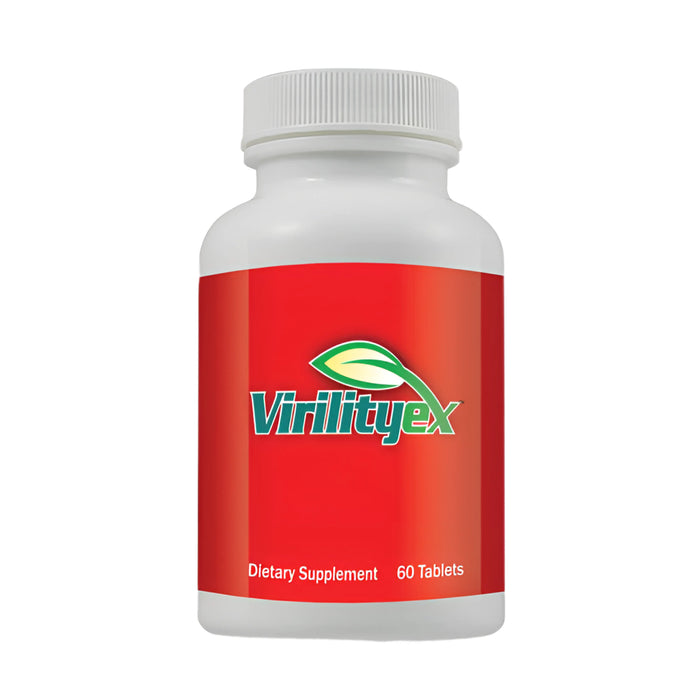
For comprehensive support, formulations like Virility EX combine multiple evidence-based ingredients including L-Arginine for nitric oxide production, Tribulus Terrestris for testosterone support, and Maca Root for libido enhancement in one convenient formula.
For testosterone-specific support, Pro Testosterone provides a research-backed blend of ingredients shown to support healthy testosterone levels naturally, including Tongkat Ali, Fenugreek, and adaptogenic herbs that address multiple aspects of male hormonal health.
4. Pelvic Floor Exercises (Kegels)
Often overlooked for men, pelvic floor exercises strengthen the muscles that support erection and control ejaculation. A study in BJU International found that pelvic floor exercises helped 40% of men with ED regain normal erectile function.
5. Address Underlying Conditions
Managing diabetes, optimizing blood pressure, treating sleep apnea, and addressing depression can significantly improve sexual function.
Female Sexual Health: Breaking the Silence
Female sexual dysfunction has historically received far less attention than male, despite being equally common. Recent research is finally illuminating the unique aspects of female sexual health and effective treatments.
The Science of Female Desire
Female sexual response differs from the traditional linear model (desire → arousal → orgasm → resolution) proposed by Masters and Johnson. Sex researcher Dr. Rosemary Basson proposed a more accurate circular model for many women:
- Sexual neutrality (not actively feeling desire)
- Openness to sexual stimulation for various reasons (connection, pleasure, partner satisfaction)
- Arousal leading to responsive desire
- Further arousal and desire, orgasm (variable)
- Physical and emotional satisfaction
- Increased motivation for future intimacy
This model explains why many women don't experience "spontaneous" desire but still have satisfying sex lives. For these women, desire is responsive—arising in response to arousal rather than preceding it. This is completely normal, not dysfunction.
However, when arousal fails to trigger desire, or when other factors block the sexual response cycle, difficulties arise.
Female Sexual Interest/Arousal Disorder
FSIAD is characterized by reduced or absent sexual interest, sexual/erotic thoughts, receptivity to partner's initiation, pleasure during sexual activity, or genital/non-genital sensations during sexual activity.
Contributing factors:
- Hormonal: Low estrogen (menopause), low testosterone, thyroid disorders
- Medical: Chronic illness, pain conditions, medications (especially antidepressants)
- Psychological: Depression, anxiety, body image issues, past trauma
- Relational: Partner attractiveness, relationship conflict, communication problems
- Contextual: Stress, fatigue, lack of privacy, inadequate stimulation
Importantly, decreased desire is only considered a disorder if it causes personal distress. Some women have lower baseline libido and are perfectly content—this doesn't require treatment.
Menopause & Sexual Changes
The menopausal transition brings significant changes to female sexuality:
Physical changes:
- Vaginal atrophy: Declining estrogen causes vaginal tissue to thin, lose elasticity, and produce less lubrication
- Decreased blood flow: Less engorgement during arousal
- Reduced sensitivity: Changes in nerve function may reduce pleasurable sensation
- Painful intercourse: Vaginal dryness and tissue fragility can make penetration uncomfortable
Hormonal changes:
- Estrogen decline: Directly causes many physical changes
- Testosterone decline: May reduce desire and arousal capacity
- Progesterone decline: Can contribute to mood symptoms
However, menopause doesn't mean the end of satisfying sexuality. Many women report improved sex lives post-menopause due to freedom from pregnancy concerns, increased comfort with their bodies, and more time after children leave home.
Evidence-Based Solutions for Women
1. Address Physical Factors
- Vaginal moisturizers: Regular use maintains tissue health (hyaluronic acid-based products)
- Lubricants: Essential for comfortable sex with decreased natural lubrication
- Vaginal estrogen: Low-dose local estrogen (by prescription) reverses atrophy safely
- Pelvic floor therapy: Addresses muscle tension, weakness, and pain
2. Enhance Natural Lubrication and Tissue Health
For women seeking to support vaginal tissue health and intimate wellness, products like V-Tight Gel combine natural ingredients including Manjakani extract, known for its astringent and toning properties, to help support vaginal tightness and sensation naturally.
3. Support Hormonal Balance
- Optimize vitamin D levels
- Support adrenal health (adrenals produce testosterone in women)
- Consider adaptogenic herbs that support hormonal balance
- Address thyroid function if symptomatic
4. Psychological and Relational Interventions
- Sex therapy can help address psychological barriers
- Mindfulness-based approaches show promise for female desire issues
- Couples counseling for relational factors
- Address depression and anxiety
5. Supplementation
- Maca root has shown benefits for postmenopausal women's sexual function in studies
- DHEA supplementation (with medical supervision) may help some women
- Tribulus terrestris has some evidence for female desire
Pelvic Floor Health & Sexual Function
The pelvic floor muscles play a crucial role in sexual function for both sexes but are particularly important for women:
Pelvic floor functions in sexuality:
- Support vaginal walls and maintain proper anatomy
- Enable vaginal tightness and grip during penetration
- Control rhythmic contractions during orgasm
- Influence blood flow and engorgement
Common pelvic floor issues:
- Weakness: After childbirth, with age, or due to inactivity—can reduce sensation and satisfaction
- Tension/spasm: Can cause painful sex (dyspareunia), especially in anxiety-prone women
- Lack of coordination: Difficulty relaxing for penetration or contracting for orgasm
Kegel exercises—contracting and relaxing pelvic floor muscles—are well-established for improving sexual function. A review in The Journal of Sexual Medicine found that pelvic floor muscle training improved female sexual function scores significantly.
For enhanced pelvic floor support and vaginal tone, combining Kegel exercises with topical products can provide comprehensive benefits. Regular exercise combined with products designed to support vaginal health can help women maintain intimate wellness at any age.
Testosterone Optimization: The Foundation
Whether you're male or female, testosterone plays a crucial role in sexual desire, arousal, and overall vitality. Optimizing testosterone naturally is one of the most impactful strategies for enhancing sexual health.
Natural Ways to Boost Testosterone
1. Resistance Training
Strength training is the most potent natural testosterone booster. Studies show that compound exercises (squats, deadlifts, bench press) create the greatest testosterone response. Key factors:
- Train large muscle groups
- Use moderate-to-heavy weights
- Keep workouts under 60 minutes (longer sessions increase cortisol)
- Allow adequate recovery between sessions
2. High-Intensity Interval Training (HIIT)
Short bursts of intense activity followed by rest periods have been shown to boost testosterone more effectively than steady-state cardio. However, excessive endurance training can actually lower testosterone.
3. Optimize Body Composition
Excess body fat, especially visceral (belly) fat, contains aromatase enzyme that converts testosterone to estrogen. Losing fat through caloric deficit combined with exercise increases testosterone. Studies show that for every point decrease in BMI, testosterone increases by approximately 1 nmol/L.
4. Prioritize Sleep
The majority of testosterone is produced during sleep, particularly during REM phases. Research published in JAMA found that young men who slept only 5 hours per night for one week had testosterone levels 10-15% lower than when they slept 8 hours.
5. Manage Stress
Chronic stress elevates cortisol, which directly suppresses testosterone production through the hypothalamic-pituitary-gonadal axis. Stress management techniques—meditation, yoga, deep breathing—help maintain healthy testosterone levels.
6. Minimize Alcohol
Alcohol suppresses testosterone acutely and chronically. Heavy drinking increases aromatization of testosterone to estrogen and directly impairs testicular function. Moderate consumption (1-2 drinks) has minimal impact, but regular excess drinking significantly lowers testosterone.
7. Avoid Endocrine Disruptors
Chemicals like BPA (in plastic containers), phthalates (in fragrances), and pesticides can interfere with testosterone. Practical steps:
- Use glass or stainless steel containers
- Choose fragrance-free products
- Eat organic when possible
- Filter drinking water
Evidence-Based Testosterone Support Supplements
Several supplements have demonstrated ability to support healthy testosterone levels:
Vitamin D: Often called a "prohormone," vitamin D deficiency is strongly associated with low testosterone. Studies show that supplementing vitamin D in deficient men increases testosterone significantly. Target blood levels of 40-60 ng/mL.
Zinc: Essential for testosterone production. Even mild zinc deficiency reduces testosterone levels. Supplementation in zinc-deficient men can increase testosterone by up to 100%. Food sources include oysters, beef, pumpkin seeds.
Ashwagandha: This adaptogenic herb has strong evidence for testosterone support. A study in the Journal of the International Society of Sports Nutrition found that ashwagandha supplementation increased testosterone by 15-17% in men engaged in resistance training.
Tongkat Ali (Longjack): Research shows Tongkat Ali can support testosterone levels, especially in stressed individuals. A study in the Journal of the International Society of Sports Nutrition found significant increases in testosterone and improvements in stress hormone profiles.
Fenugreek: Multiple studies show fenugreek extract can support healthy testosterone levels and improve sexual function in men.
For comprehensive testosterone support, Pro Testosterone combines these key ingredients in research-backed dosages, providing multi-pathway support for natural testosterone optimization.
Additionally, Growth Hormone optimization can support overall hormonal health and vitality. Products like HGH Energizer contain amino acids and nutrients that support natural HGH production, which works synergistically with testosterone for optimal male vitality.
Lifestyle Factors That Impact Sexual Health
Beyond supplements and targeted interventions, daily lifestyle choices profoundly impact sexual function. These fundamentals often matter more than any supplement.
Exercise: The Natural Performance Enhancer
Exercise improves sexual function through multiple mechanisms:
Direct benefits:
- Improves cardiovascular function and blood flow
- Supports testosterone production
- Reduces stress and cortisol
- Improves body image and confidence
- Increases energy and stamina
Research findings:
- A Harvard study of 31,000 men found that active men had 30% lower ED risk
- Just 30 minutes of walking daily reduces ED risk significantly
- Women who exercise report higher arousal, lubrication, and satisfaction
- Exercise immediately before sex increases arousal response in women
Optimal exercise for sexual health:
- Resistance training: 2-4 sessions/week for hormonal support
- Cardiovascular: 150+ minutes/week of moderate activity for heart and blood vessel health
- Flexibility/yoga: Enhances body awareness and relaxation
- Pelvic floor exercises: Specific benefit for sexual function
However, over-training can backfire. Excessive endurance exercise (marathon training, overtraining syndrome) can suppress testosterone and libido temporarily.
Nutrition for Sexual Vitality
What you eat affects every aspect of sexual health, from hormone production to blood flow to energy levels.
Pro-sexual nutrition strategies:
1. Follow a Mediterranean-style diet
Research published in the American Journal of Medicine found that greater adherence to Mediterranean diet was associated with lower prevalence of ED. This pattern emphasizes:
- Abundant vegetables and fruits
- Healthy fats (olive oil, nuts)
- Fish and seafood
- Moderate wine consumption
- Limited processed foods and sugar
2. Include nitric oxide-boosting foods
Nitric oxide is essential for erection and female arousal. Dietary nitrates (converted to nitric oxide in the body) are found in:
- Beets and beet juice (one of the most potent sources)
- Leafy greens (spinach, arugula, lettuce)
- Pomegranate
- Watermelon (contains citrulline)
- Dark chocolate (flavanols support nitric oxide)
3. Prioritize zinc-rich foods
- Oysters (extremely high in zinc—often called an aphrodisiac for this reason)
- Beef and lamb
- Pumpkin seeds
- Chickpeas and lentils
4. Ensure adequate healthy fats
Testosterone and other sex hormones are produced from cholesterol. Extremely low-fat diets can impair hormone production. Include:
- Avocados
- Olive oil
- Fatty fish (salmon, mackerel)
- Nuts
- Eggs
5. Limit sexual health saboteurs
- Excessive sugar: Increases inflammation, impairs blood vessel function
- Trans fats: Damage blood vessels, may reduce testosterone
- Excess alcohol: Suppresses testosterone, impairs arousal
- Soy (in excess): Phytoestrogens may impact hormones in large amounts
Sleep & Sex Drive
Sleep deprivation devastates sexual function:
- Testosterone production drops up to 15% with chronic sleep restriction
- Sleep apnea is strongly associated with ED and low testosterone
- Fatigue is one of the most common causes of low libido
- Poor sleep increases stress hormones and inflammation
Sleep optimization strategies:
- Target 7-9 hours per night
- Maintain consistent sleep/wake times
- Create a cool, dark, quiet sleep environment
- Avoid screens 1-2 hours before bed
- Treat sleep apnea if present (strongly linked to sexual dysfunction)
Stress Management for Better Intimacy
Chronic stress is one of the most potent libido killers for both sexes. The stress response evolved to prioritize survival over reproduction—when your body perceives threat, sexual function becomes non-essential.
Stress impacts sexuality through:
- Elevated cortisol: Directly suppresses testosterone and sex hormone production
- Sympathetic dominance: The "fight or flight" nervous system opposes arousal
- Mental distraction: Difficult to be present and responsive when worried
- Relationship tension: Stress often causes irritability and conflict
- Fatigue: Chronic stress is exhausting, leaving no energy for intimacy
Evidence-based stress management:
- Regular exercise: One of the most effective stress reducers
- Meditation/mindfulness: Even 10 minutes daily reduces cortisol
- Deep breathing: Activates parasympathetic (calming) nervous system
- Yoga: Combines movement, breathing, and mindfulness
- Nature exposure: Time outdoors reduces stress hormones
- Social connection: Supportive relationships buffer stress
Adaptogenic herbs like Ashwagandha specifically help the body adapt to stress while supporting hormonal health. Research shows Ashwagandha reduces cortisol by up to 30% while supporting testosterone.
Evidence-Based Supplements for Sexual Health
While lifestyle forms the foundation, certain supplements have demonstrated efficacy for enhancing sexual function. Here's what the research shows:
L-Arginine & L-Citrulline: The Nitric Oxide Boosters
L-Arginine is an amino acid that serves as the precursor to nitric oxide—the molecule essential for erection and female arousal. L-Citrulline is converted to L-Arginine in the kidneys and may actually raise blood arginine levels more effectively than arginine itself.
Research evidence:
- A study in BJU International found that L-Arginine improved ED in men with nitric oxide deficiency
- Combining L-Arginine with Pycnogenol (pine bark extract) showed significant benefits in multiple studies
- L-Citrulline improved erection hardness in a study published in Urology
Dosage range: L-Arginine: 3-6g daily; L-Citrulline: 1-3g daily
L-Arginine is a key ingredient in comprehensive male enhancement formulas like Virility EX, which combines it with other synergistic ingredients for optimal nitric oxide support.
Maca Root: The Peruvian Libido Enhancer
Maca (Lepidium meyenii) is a root vegetable native to the Peruvian Andes, traditionally used to enhance energy, stamina, and sexual function.
Research evidence:
- A systematic review in BMC Complementary and Alternative Medicine concluded that maca improves sexual desire
- Studies show benefits for both men and women
- Appears to work independently of testosterone levels (beneficial for women and men)
- May improve sexual function in people taking antidepressants (SSRIs)
Dosage range: 1.5-3g daily of maca root powder or equivalent extract
Maca works through mechanisms not yet fully understood but appears to benefit desire and satisfaction without directly affecting sex hormones—making it useful for both sexes.
Tribulus Terrestris: Tradition Meets Science
Tribulus terrestris is a plant used in traditional Ayurvedic and Chinese medicine for sexual enhancement and vitality.
Research evidence:
- Mixed results for directly increasing testosterone in healthy men
- More consistent benefits for sexual desire and satisfaction in both men and women
- A study in women found significant improvements in desire, arousal, and satisfaction
- May work through mechanisms beyond testosterone, including nitric oxide support
Dosage range: 250-750mg daily of standardized extract
Ashwagandha: The Stress-Libido Connection
Ashwagandha (Withania somnifera) is an adaptogenic herb that addresses multiple pathways affecting sexual health.
Research evidence:
- Reduces cortisol by 14-30% in clinical trials
- Increases testosterone by 10-22% in men
- Improves sperm quality parameters
- A study in BioMed Research International found improved sexual function in women
- Reduces anxiety that often impairs sexual function
Dosage range: 300-600mg daily of root extract (standardized to withanolides)
Ashwagandha's dual action—reducing stress while supporting hormones—makes it particularly valuable for individuals whose low libido is linked to chronic stress.
Tongkat Ali: Malaysian Ginseng for Vitality
Tongkat Ali (Eurycoma longifolia) is a Southeast Asian herb with growing research support for testosterone and sexual function.
Research evidence:
- A systematic review found consistent improvements in testosterone levels
- Studies show improved erectile function and libido
- May work by reducing sex hormone-binding globulin (SHBG), increasing free testosterone
- Research in stressed adults showed significant improvements in testosterone and stress hormone profiles
Dosage range: 200-400mg daily of standardized extract
Tongkat Ali is included in testosterone-focused formulas like Pro Testosterone for its demonstrated ability to support healthy testosterone levels naturally.
Fenugreek: Testosterone & Desire
Fenugreek (Trigonella foenum-graecum) contains compounds called furostanolic saponins that may support testosterone levels.
Research evidence:
- Studies show increases in free testosterone
- Improved sexual function and libido in men
- May work by inhibiting aromatase (reducing conversion of testosterone to estrogen)
- Also supports blood sugar control, which benefits sexual health
Dosage range: 500-600mg daily of standardized extract
DHEA: The Precursor Hormone
DHEA (dehydroepiandrosterone) is a hormone produced by the adrenal glands that serves as a precursor to both testosterone and estrogen.
Research evidence:
- DHEA levels decline significantly with age
- Supplementation has shown benefits for sexual function in postmenopausal women
- May help with ED in men, particularly when related to low DHEA levels
- Mixed results in younger individuals with normal DHEA levels
Dosage range: 25-50mg daily (lower doses for women)
Caution: As a hormone, DHEA should be used carefully. It can convert to both testosterone and estrogen, so monitoring may be appropriate. Consult a healthcare provider before use.
Understanding Nitric Oxide & Sexual Function
Nitric oxide (NO) deserves special attention because it's arguably the most important molecule for physical arousal in both sexes.
Blood Flow & Sexual Performance
Sexual arousal is fundamentally a vascular (blood flow) event:
In men: Erection occurs when blood flows into the corpora cavernosa and is trapped there. Nitric oxide is the primary signal that relaxes blood vessel walls and enables this engorgement. Without adequate NO, erection is impossible regardless of desire or stimulation.
In women: Arousal involves similar engorgement of the clitoris, labia, and vaginal walls. Increased blood flow enables swelling, sensitivity, and natural lubrication. Impaired nitric oxide function reduces these responses.
This is why cardiovascular health and sexual health are so closely linked—both depend on healthy blood vessel function and nitric oxide production.
Factors that impair nitric oxide:
- Aging (NO production naturally declines)
- Endothelial dysfunction (blood vessel damage from diabetes, high blood pressure, smoking)
- Oxidative stress and inflammation
- Poor diet lacking nitrate-rich foods
- Sedentary lifestyle
- Certain medications
Foods That Boost Nitric Oxide
Dietary nitrates are converted to nitric oxide through a pathway involving oral bacteria and stomach acid:
Top nitrate-rich foods:
- Beets and beet juice: Among the highest nitrate sources. Studies show beetroot juice improves blood vessel function within hours
- Arugula: Contains more nitrates than any other leafy green
- Spinach: High in nitrates and beneficial for blood pressure
- Lettuce: Especially darker varieties
- Celery: Traditional aphrodisiac actually has scientific basis through nitrates
- Pomegranate: Powerful antioxidants protect nitric oxide from degradation
- Watermelon: Contains citrulline, which converts to arginine and then nitric oxide
- Dark chocolate: Flavanols support nitric oxide production
Note: Using antiseptic mouthwash can impair nitric oxide production by killing the oral bacteria needed for nitrate conversion. Some researchers suggest avoiding harsh mouthwashes if optimizing NO is a priority.
Age-Related Changes & How to Adapt
Sexual function naturally evolves with age. Understanding these changes—and adapting to them—is key to maintaining satisfying intimacy throughout life.
Sexual Health for Men After 40
Common changes:
- Testosterone declines approximately 1-2% per year after 30
- Erections may require more direct stimulation
- Refractory period (time between erections) increases
- Ejaculatory volume may decrease
- Orgasm intensity may change
Adaptation strategies:
- Prioritize lifestyle factors (exercise, sleep, stress management) that support testosterone
- Consider comprehensive supplementation to support hormonal health
- Focus on overall intimacy, not just penetrative sex
- Allow more time for arousal and foreplay
- Address underlying health conditions promptly
- Communicate with partner about changes and needs
Products like Deer Antler Plus, which contains IGF-1 precursors and other compounds that support overall vitality, can be part of a comprehensive approach to maintaining vigor and energy as men age.
Sexual Health for Women After 40
Perimenopause and menopause changes:
- Hormonal fluctuations affect mood and desire unpredictably
- Vaginal dryness and tissue changes (vulvovaginal atrophy)
- Decreased sensitivity or changed sensation
- Longer time to arousal
- Hot flashes can interfere with intimacy
Adaptation strategies:
- Use vaginal moisturizers regularly (not just for sex)
- Use adequate lubricant—silicone-based for longer-lasting effect
- Explore pelvic floor exercises for improved sensation and control
- Consider vaginal health products like V-Tight Gel for tissue support
- Allow more time for arousal
- Explore what feels good now (it may be different than before)
- Discuss options with a healthcare provider, including local hormone therapy if appropriate
Many women find that once they adapt to hormonal changes, sex can be as satisfying—or more so—than in younger years. Freedom from pregnancy concerns, increased comfort with their bodies, and potentially more time for intimacy can all contribute to a fulfilling sex life post-menopause.
Maintaining Desire Long-Term
One of the greatest challenges in long-term relationships is maintaining sexual desire. Research suggests some strategies:
1. Cultivate novelty
Dopamine—the neurotransmitter of desire—responds strongly to novelty. In long-term relationships, finding ways to introduce newness keeps desire alive:
- New experiences together (travel, adventures)
- Varying sexual routines
- Maintaining some mystery and independence
2. Maintain individual identity
Paradoxically, some psychological distance can fuel desire. Esther Perel's research suggests that witnessing your partner "at a distance"—competent, confident, in their element—can reignite attraction.
3. Prioritize physical affection
Regular non-sexual touch maintains physical connection and can lead to sexual desire.
4. Schedule intimacy
While unromantic-sounding, scheduling sex ensures it doesn't get lost in busy lives. Anticipation itself can build desire.
5. Address relationship issues
Resentment, anger, and feeling unappreciated are potent desire killers. Couples therapy can help resolve underlying issues.
Medical Conditions That Affect Sexual Health
Many chronic health conditions impact sexual function. Addressing the underlying condition often improves sexual health as well.
Diabetes & Sexual Function
Diabetes is one of the most common causes of sexual dysfunction in both sexes:
Impact on men:
- ED affects 35-75% of men with diabetes
- Nerve damage (neuropathy) impairs sensation and arousal signals
- Blood vessel damage reduces blood flow
- Testosterone levels are often lower in diabetic men
Impact on women:
- Decreased vaginal lubrication
- Reduced genital sensitivity
- Higher rates of vaginal infections (affecting comfort)
- Arousal difficulties
Management: Tight blood sugar control is the single most important factor. Research shows that improving HbA1c improves sexual function. Additionally:
- Support supplements for blood sugar management may help indirectly
- Exercise improves both diabetes control and sexual function
- Address other cardiovascular risk factors
Heart Disease & Intimate Health
Cardiovascular disease and its treatments affect sexual function significantly:
The condition itself:
- Reduced blood flow impairs arousal
- Fatigue and reduced exercise tolerance limit sexual activity
- Fear of exertion (concerns about triggering heart attack)
Medications:
- Beta-blockers can cause ED and reduce desire
- Diuretics may cause ED
- Some blood pressure medications affect sexual function
Good news: Studies show sexual activity is safe for most cardiac patients. The exertion of sex is roughly equivalent to climbing 1-2 flights of stairs. If you can do that without symptoms, sex is generally safe. Discuss with your cardiologist if uncertain.
Supporting heart health through supplements like Hypercet Blood Pressure Support may benefit both cardiovascular and sexual function by promoting healthy blood pressure and vessel function.
Medications That Affect Libido
Many common medications impact sexual function:
Antidepressants (especially SSRIs):
- Affect 30-70% of users
- Decrease desire, arousal, and ability to orgasm
- Options: dose adjustment, switching medications, adding bupropion, taking drug holidays (with doctor's guidance)
Blood pressure medications:
- Beta-blockers and diuretics most problematic
- ACE inhibitors and ARBs are generally safer for sexual function
- Never stop blood pressure medication without medical guidance
Hormonal contraceptives:
- Can decrease desire in some women by lowering free testosterone
- Effects vary significantly between individuals and formulations
Opioid pain medications:
- Strongly suppress testosterone
- Significantly impact desire and function in both sexes
Antihistamines:
- Can cause dryness (including vaginal dryness)
- May cause sedation affecting desire
If you suspect medication is affecting your sexual function, discuss alternatives with your prescriber. Never discontinue necessary medications without medical guidance.
Communication & Emotional Intimacy
No supplement or technique can replace the foundation of sexual satisfaction: emotional connection and open communication with your partner.
Research consistently shows:
- Couples who communicate about sex have higher sexual satisfaction
- Emotional intimacy predicts sexual satisfaction more strongly than frequency of sex
- Feeling desired and appreciated enhances arousal
- Unresolved conflict inhibits desire
Communication strategies:
- Initiate conversations outside the bedroom: Talking about sex during sex creates pressure. Have relaxed discussions at other times
- Use "I" statements: "I feel..." rather than "You never..."
- Express appreciation: Share what you enjoy, not just complaints
- Be specific: Vague requests are hard to fulfill
- Listen without defensiveness: Your partner's feedback is information, not criticism
- Check in regularly: Needs and preferences can change
If communication is difficult, a sex therapist can provide a safe space and structured approaches for improving intimate dialogue.
When to Seek Medical Help
While many sexual health issues respond to lifestyle and natural interventions, some require medical evaluation:
See a healthcare provider if you experience:
- Sudden onset of ED (may indicate cardiovascular disease or neurological condition)
- ED in men under 40 without obvious psychological cause
- Painful sex (dyspareunia) that doesn't resolve with lubrication
- Significant change in desire without explanation
- Symptoms of hormonal imbalance (hot flashes, fatigue, mood changes)
- ED after starting a new medication
- Penile curvature or pain (possible Peyronie's disease)
- Symptoms of STI
- Persistent genital numbness or tingling
What to expect:
A thorough evaluation typically includes medical history, physical examination, and possibly blood tests (hormone levels, blood sugar, lipids). For men with ED, additional testing may assess blood vessel function. Treatment options range from lifestyle modification to medications to devices, depending on the cause.
Building Your Personal Sexual Wellness Plan
Based on everything we've covered, here's how to build a comprehensive approach to sexual health:
Step 1: Assess Your Baseline
- What specific concerns do you have?
- When did issues begin? Any triggering events?
- What's your overall health status?
- What medications do you take?
- How are your stress levels and sleep?
- How is your relationship health?
Step 2: Address Fundamentals First
- Optimize sleep (7-9 hours, consistent schedule)
- Regular exercise (both cardio and resistance training)
- Stress management practice (meditation, yoga, deep breathing)
- Nutrition supporting hormonal and vascular health
- Limit alcohol and avoid smoking
Step 3: Consider Targeted Supplementation
For men focused on erectile function and performance: Look for formulas combining L-Arginine, Tribulus, Maca, and other nitric oxide and testosterone-supporting ingredients, like Virility EX.
For men focused on testosterone optimization: Choose products with evidence-based testosterone-supporting ingredients like Tongkat Ali, Fenugreek, and Ashwagandha, such as Pro Testosterone.
For women seeking intimate wellness support: Products like V-Tight Gel can support vaginal health and sensation when combined with pelvic floor exercises.
For overall vitality and energy: HGH-supporting supplements like HGH Energizer can complement other interventions by supporting overall hormonal health and energy levels.
Step 4: Address Relationship Factors
- Open communication with partner
- Quality time together (non-sexual intimacy)
- Novelty and exploration
- Professional help if needed (couples therapy, sex therapy)
Step 5: Track and Adjust
- Give interventions adequate time (4-8 weeks minimum for supplements)
- Note what's working and what isn't
- Adjust approach based on results
- Seek medical evaluation if concerns persist
Conclusion: Reclaiming Your Sexual Vitality
Sexual health is not a luxury—it's a fundamental aspect of human wellbeing that affects our relationships, self-esteem, and even our physical health. The good news is that most sexual health concerns can be significantly improved through the evidence-based approaches outlined in this guide.
Key takeaways:
- Sexual health is total health: It reflects and affects cardiovascular function, mental health, and relationship quality. Improving sexual health often improves overall wellbeing.
- Lifestyle is foundational: Exercise, sleep, stress management, and nutrition form the base upon which all other interventions build. No supplement can overcome poor lifestyle choices.
- Hormones matter, but they're not everything: While testosterone and other hormones play crucial roles, psychological, relational, and vascular factors are equally important. A comprehensive approach addresses all these dimensions.
- Evidence-based supplements can help: Compounds like L-Arginine, Maca, Ashwagandha, Tribulus, and Tongkat Ali have demonstrated benefits for sexual function. Quality products like Virility EX and Pro Testosterone combine these ingredients for comprehensive support.
- Communication is crucial: The best interventions won't matter if you and your partner aren't connecting emotionally and communicating openly about needs and concerns.
- Age doesn't mean decline: While sexual function naturally evolves with age, satisfying intimacy is possible at any stage of life with appropriate adaptation and support.
- Professional help is available: If self-help approaches aren't sufficient, urologists, gynecologists, sex therapists, and other specialists can provide valuable assistance. Sexual dysfunction is common and treatable—don't suffer in silence.
Your sexual vitality is worth prioritizing. Whether you're addressing a specific concern or simply optimizing your intimate wellness, the knowledge and tools in this guide can help you experience greater satisfaction, connection, and vitality.
The journey to better sexual health starts with a single step. Take it today.
References & Sources
This article synthesizes research from peer-reviewed sources including:
- Harvard Medical School – Men's Health, Women's Health
- Mayo Clinic – Sexual Health Resources
- Cleveland Clinic – Urological and Sexual Health Research
- National Institutes of Health (NIH) – nih.gov
- American Urological Association
- International Society for Sexual Medicine
- American Journal of Cardiology (ED as cardiovascular predictor)
- Journal of Sexual Medicine
- BJU International
- Journal of Clinical Endocrinology & Metabolism
- Archives of Sexual Behavior
- European Heart Journal
- JAMA (testosterone and sleep studies)
- BMC Complementary and Alternative Medicine
- Journal of the International Society of Sports Nutrition
- Urology
- BioMed Research International
Individual studies are available through PubMed (pubmed.ncbi.nlm.nih.gov).