The prostate is a small gland that causes big problems for aging men. By age 50, approximately 50% of men have some degree of prostate enlargement. By age 80, that number rises to 90%. If you're a man over 40, understanding prostate health isn't optional—it's essential for maintaining quality of life. This comprehensive guide covers everything from basic anatomy to advanced treatment options, including both conventional medicine and evidence-based natural approaches.
Understanding Your Prostate: Anatomy and Function
What Is the Prostate?
The prostate is a walnut-sized gland located below the bladder and in front of the rectum. The urethra (the tube that carries urine from the bladder out of the body) runs directly through the center of the prostate. This anatomical position is why prostate problems so commonly affect urination.
Functions of the Prostate
- Seminal fluid production: The prostate produces about 30% of seminal fluid, which nourishes and transports sperm
- Muscular function: During ejaculation, prostate muscles help propel semen
- PSA production: The prostate produces Prostate-Specific Antigen (PSA), which liquefies semen after ejaculation
- Hormone metabolism: The prostate converts testosterone to its more potent form, dihydrotestosterone (DHT)
The Prostate's Zones
The prostate has three main zones:
- Peripheral zone: Outer region; where most prostate cancers develop (70%); examined during digital rectal exam
- Central zone: Surrounds ejaculatory ducts; least common site for disease
- Transition zone: Surrounds urethra; where benign enlargement (BPH) develops
How the Prostate Changes with Age
The prostate goes through two growth phases:
- Puberty: Prostate doubles in size under testosterone influence
- Age 25+: Prostate begins growing again slowly, continuing throughout life
This second growth phase is driven by hormonal changes, particularly the conversion of testosterone to DHT, and leads to the enlargement that causes symptoms in older men.
Common Prostate Conditions Explained
1. Benign Prostatic Hyperplasia (BPH)
Non-cancerous enlargement of the prostate. Extremely common with aging—affects 50% of men by age 60 and 90% by age 80. Causes urinary symptoms by compressing the urethra. Not cancerous and doesn't increase cancer risk.
2. Prostatitis
Inflammation of the prostate. Can affect men at any age. Four types exist: acute bacterial (sudden, severe), chronic bacterial (recurring), chronic pelvic pain syndrome (most common, cause unknown), and asymptomatic inflammatory prostatitis. Symptoms include pain, urinary problems, and sometimes fever.
3. Prostate Cancer
The most common cancer in men (other than skin cancer). Typically slow-growing. Risk increases with age, family history, and African-American ethnicity. Often has no early symptoms—screening is important. Highly treatable when caught early (5-year survival rate nearly 100% for localized disease).
Key Point: These Are Different Conditions
BPH does not cause prostate cancer, and having BPH doesn't increase cancer risk. However, they can coexist, and symptoms can overlap. This is why proper diagnosis is essential—never assume urinary symptoms are "just BPH" without medical evaluation.
Benign Prostatic Hyperplasia (BPH): The Most Common Issue
What Causes BPH?
The exact cause isn't fully understood, but several factors contribute:
Hormonal changes: As men age, the balance of testosterone and estrogen shifts. Additionally, DHT (dihydrotestosterone)—converted from testosterone by the enzyme 5-alpha reductase—accumulates in prostate tissue and stimulates growth.
Cell growth and death imbalance: Normally, cell growth and cell death are balanced. In BPH, this balance tips toward growth.
Inflammation: Chronic low-grade inflammation may contribute to prostate growth.
Genetic factors: Family history of BPH increases risk, especially severe cases.
How BPH Causes Symptoms
As the prostate enlarges, it compresses the urethra (which runs through it) and affects the bladder:
- Urethral compression: Narrowed urethra makes urination difficult, weak stream
- Bladder changes: The bladder muscle thickens trying to push urine through the obstruction
- Incomplete emptying: Bladder can't fully empty, leading to frequent urination
- Bladder irritation: Chronic obstruction causes urgency and increased frequency
BPH Symptoms (Lower Urinary Tract Symptoms, LUTS)
Obstructive symptoms (storage):
- Weak urine stream
- Difficulty starting urination (hesitancy)
- Stopping and starting during urination
- Straining to urinate
- Dribbling at the end of urination
- Feeling of incomplete emptying
Irritative symptoms (voiding):
- Frequent urination (especially at night—nocturia)
- Urgent need to urinate
- Waking multiple times at night to urinate
Severity Assessment: IPSS Score
The International Prostate Symptom Score (IPSS) is a standardized questionnaire used to assess BPH severity:
- 0-7: Mild symptoms (watchful waiting often appropriate)
- 8-19: Moderate symptoms (may benefit from treatment)
- 20-35: Severe symptoms (treatment usually recommended)
Warning Symptoms: When to See a Doctor
See a Doctor If You Experience:
- Blood in urine or semen
- Pain with urination or ejaculation
- Complete inability to urinate (urinary retention—this is an emergency)
- Fever with urinary symptoms
- Lower back, hip, or bone pain
- Unexplained weight loss
- Symptoms that significantly affect quality of life
- Any urinary symptoms after age 40 (for baseline evaluation)
Don't Ignore Urinary Changes
Many men dismiss urinary symptoms as "normal aging." While some changes are common, they deserve evaluation because:
- Symptoms can indicate serious conditions requiring treatment
- Early BPH treatment prevents complications
- Prostate cancer often has no symptoms until advanced
- Effective treatments exist for all conditions
Risk Factors for Prostate Problems
Non-Modifiable Risk Factors
Age: The single biggest risk factor. Prostate problems are rare before 40, increase significantly after 50.
Family history: Having a father or brother with prostate problems (BPH or cancer) increases your risk 2-3 times.
Ethnicity: African-American men have higher rates of both BPH and prostate cancer. Asian men have lower rates.
Genetics: Specific gene mutations (BRCA1/BRCA2) increase prostate cancer risk.
Modifiable Risk Factors
Diet: High consumption of red meat and high-fat dairy may increase risk. Diets rich in vegetables, especially tomatoes (lycopene), may be protective.
Obesity: Increases risk of aggressive prostate cancer and worsens BPH symptoms.
Physical inactivity: Sedentary lifestyle increases risk; regular exercise is protective.
Inflammation: Chronic inflammation and infections may contribute to prostate problems.
Metabolic syndrome: Diabetes, high blood pressure, and obesity worsen prostate health.
How Prostate Conditions Are Diagnosed
Digital Rectal Exam (DRE)
The doctor inserts a gloved, lubricated finger into the rectum to feel the prostate. This exam can detect:
- Prostate size (enlargement)
- Abnormal lumps or hard areas (potential cancer)
- Tenderness (potential infection/inflammation)
PSA Blood Test
Measures Prostate-Specific Antigen in blood:
- Normal: Generally under 4 ng/mL, but varies by age
- Elevated PSA can indicate: BPH, prostatitis, prostate cancer, or recent ejaculation/prostate manipulation
- PSA velocity (rate of change) is also important
Note: PSA is not specific for cancer. Many conditions elevate PSA. Additional testing is needed if elevated.
Urinalysis
Checks for infection, blood, or other abnormalities in urine.
Uroflowmetry
Measures urine flow rate. Weak flow suggests obstruction from enlarged prostate.
Post-Void Residual (PVR)
Ultrasound measures how much urine remains in bladder after urination. High residual indicates incomplete emptying.
Transrectal Ultrasound (TRUS)
Ultrasound probe inserted into rectum provides detailed prostate images. Used to measure prostate size and guide biopsies.
Prostate Biopsy
If cancer is suspected, tissue samples are taken and examined under microscope. Only definitive way to diagnose prostate cancer.
Conventional Medical Treatments
Watchful Waiting (Active Surveillance)
For mild symptoms (IPSS 0-7): Regular monitoring without active treatment. Lifestyle changes and natural supplements may be used. Appropriate when symptoms aren't significantly affecting quality of life.
Medications for BPH
Alpha-blockers (Tamsulosin, Alfuzosin):
- Relax smooth muscle in prostate and bladder neck
- Improve urine flow within days to weeks
- Don't shrink prostate—only relieve symptoms
- Side effects: dizziness, retrograde ejaculation
5-Alpha Reductase Inhibitors (Finasteride, Dutasteride):
- Block conversion of testosterone to DHT
- Actually shrink prostate (20-30% over 6-12 months)
- Take 3-6 months to work
- Side effects: decreased libido, erectile dysfunction, decreased ejaculate
- Reduce PSA by ~50% (important for cancer screening interpretation)
Combination Therapy:
Alpha-blocker + 5-ARI is more effective than either alone for moderate-severe BPH.
PDE5 Inhibitors (Tadalafil):
Yes, the ED drug is also approved for BPH. Low daily dose improves both urinary symptoms and erectile function.
Surgical Treatments
TURP (Transurethral Resection of the Prostate):
- Gold standard surgical treatment
- Tissue removed through urethra (no incision)
- Very effective for symptom relief
- Risks: retrograde ejaculation, urinary incontinence (rare), ED (rare)
Minimally Invasive Procedures:
- Rezum (steam therapy): Injects water vapor to destroy prostate tissue
- UroLift: Small implants hold prostate lobes apart
- Laser procedures: Various laser technologies to remove tissue
Evidence-Based Natural Supplements for Prostate Health
Many men prefer natural approaches to prostate health, either as first-line treatment for mild symptoms or as complementary support alongside conventional medicine. Several supplements have clinical evidence supporting their use.
The Case for Natural Supplements
- Generally fewer side effects than medications
- May address underlying inflammation and hormonal factors
- Appropriate for mild-moderate symptoms
- Can complement conventional treatment
- Support overall prostate wellness, not just symptom relief
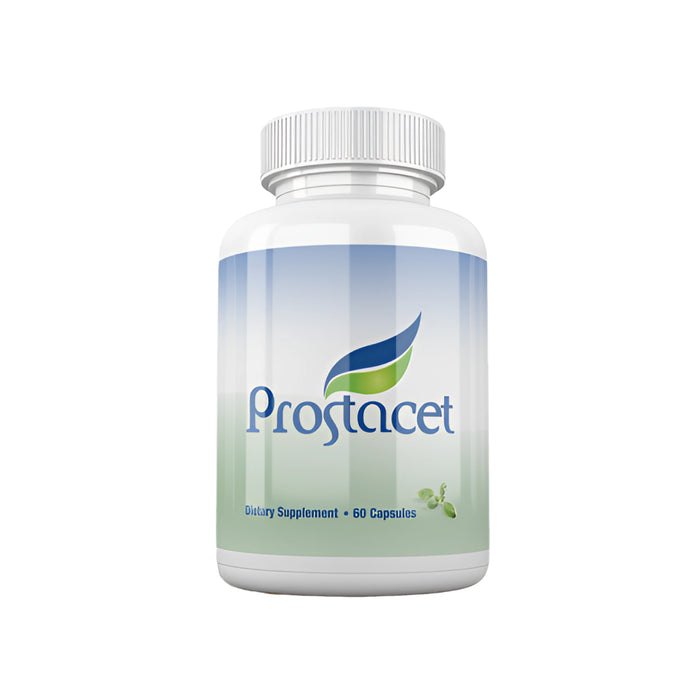
For comprehensive prostate support, Prostacet combines multiple clinically-studied ingredients including saw palmetto, beta-sitosterol, and supporting nutrients in a single formula designed for men's prostate health.
Saw Palmetto: The Most Studied Prostate Supplement
What Is Saw Palmetto?
Saw palmetto (Serenoa repens) is a small palm tree native to the southeastern United States. The berries have been used medicinally for over 100 years for urinary and reproductive issues.
How It Works
Saw palmetto acts through multiple mechanisms:
- 5-alpha reductase inhibition: Blocks conversion of testosterone to DHT (similar to finasteride, but milder)
- Anti-inflammatory effects: Reduces prostate inflammation
- Antiandrogenic activity: May block DHT binding to prostate receptors
- Smooth muscle relaxation: May help bladder and prostate function
Clinical Evidence
Saw palmetto has been studied extensively, with mixed but generally positive results:
A Cochrane review of multiple trials found that saw palmetto extract improves urinary flow and reduces night-time urination compared to placebo. European studies using specific extracts (Permixon) show consistent benefits.
Some studies show benefits comparable to finasteride for mild-moderate BPH, with significantly fewer sexual side effects.
Recommended Dosage
320 mg daily of standardized extract (85-95% fatty acids and sterols). Can be taken as single dose or split into two doses. Allow 4-6 weeks for initial effects; full benefits may take 3-6 months.
Safety
Generally very well tolerated. Mild GI upset in some users. Doesn't significantly affect PSA levels (unlike finasteride), so doesn't interfere with cancer screening.
Other Supplements That Support Prostate Health
Beta-Sitosterol
Plant sterol found in many foods. Multiple clinical trials show improvement in urinary symptoms and flow rate in BPH patients. May work by reducing cholesterol absorption and inflammation in prostate tissue. Often combined with saw palmetto for enhanced effects.
Pygeum Africanum
Extract from African plum tree bark. Studies show improvements in urinary symptoms, particularly night-time urination and residual urine volume. Has anti-inflammatory and anti-proliferative effects. Often used in European countries as primary BPH treatment.
Stinging Nettle Root
May inhibit 5-alpha reductase and bind to sex hormone-binding globulin (SHBG). Studies show improvement in urinary symptoms. Often combined with saw palmetto. Contains anti-inflammatory compounds.
Zinc
The prostate contains more zinc than any other organ. Prostate tissue zinc levels decline in BPH and prostate cancer. Zinc inhibits 5-alpha reductase and may have protective effects. Dosage: 15-30 mg daily (don't exceed 40 mg long-term).
Lycopene
Carotenoid found in tomatoes that accumulates in prostate tissue. Antioxidant and anti-inflammatory properties. Studies suggest potential protective effects against prostate cancer. Dosage: 10-30 mg daily. Cooking tomatoes increases bioavailability.
Vitamin D
Vitamin D receptors are present in prostate tissue. Deficiency is linked to increased prostate cancer risk. May have anti-proliferative effects on prostate cells. Many men are deficient—test levels and supplement if needed.
Pumpkin Seed Oil
Contains zinc, fatty acids, and phytosterols. Studies show improvement in BPH symptoms, especially when combined with saw palmetto. Also supports bladder function. Pleasant taste; can be used in cooking or as supplement.
Comprehensive Formula
Prostacet combines saw palmetto, beta-sitosterol, pygeum, zinc, and other prostate-supporting nutrients in clinically relevant doses—providing comprehensive support in a convenient formula.
Diet and Lifestyle for Prostate Wellness
Foods That Support Prostate Health
Tomatoes and tomato products: Rich in lycopene, which accumulates in prostate tissue. Cooking improves absorption (tomato sauce, paste, soup). Multiple studies link high tomato intake with reduced prostate cancer risk.
Cruciferous vegetables: Broccoli, cauliflower, Brussels sprouts, cabbage. Contain sulforaphane and indole-3-carbinol, which may have cancer-protective effects.
Fatty fish: Salmon, mackerel, sardines. Omega-3 fatty acids reduce inflammation. Studies suggest protective effects against aggressive prostate cancer.
Green tea: Contains EGCG with anti-inflammatory and potentially anti-cancer properties. Population studies link green tea consumption with lower prostate cancer rates.
Soy foods: Contain isoflavones that may inhibit prostate cell growth. Asian populations with high soy intake have lower prostate cancer rates.
Pumpkin seeds: High in zinc, fatty acids, and phytosterols. Traditionally used for prostate and urinary health.
Foods to Limit
- Red meat: High consumption linked to increased prostate cancer risk
- Processed meats: Bacon, sausage, deli meats increase cancer risk
- High-fat dairy: Some studies link to increased risk (moderate intake likely fine)
- Excess calcium: Very high calcium intake (2,000+ mg daily) may increase risk
- Alcohol: Excessive intake worsens urinary symptoms and overall health
- Caffeine: Can worsen urinary frequency and urgency (moderate consumption usually okay)
Lifestyle Recommendations
Regular exercise: Reduces BPH symptoms and prostate cancer risk. Both aerobic and resistance training are beneficial. Aim for 150+ minutes per week.
Maintain healthy weight: Obesity worsens BPH symptoms and increases aggressive prostate cancer risk. Even modest weight loss improves urinary symptoms.
Limit evening fluids: Stop drinking 2-3 hours before bed to reduce nighttime urination. Avoid caffeine and alcohol in the evening.
Urinate when needed: Don't delay urination. "Double voiding" (urinating, waiting a minute, then trying again) can help empty the bladder more completely.
Manage stress: Stress worsens urinary symptoms. Relaxation techniques may help.
Stay sexually active: Regular ejaculation may be protective (studies show lower prostate cancer risk with more frequent ejaculation).
The Testosterone-Prostate Connection
The Testosterone Paradox
Testosterone and prostate health have a complex relationship. Testosterone is converted to DHT in the prostate, and DHT drives prostate growth. This is why 5-alpha reductase inhibitors (which block this conversion) shrink the prostate.
However, testosterone itself isn't the enemy:
- Men with naturally higher testosterone don't have higher BPH rates
- Testosterone replacement therapy doesn't increase prostate cancer risk (current evidence)
- Low testosterone is associated with more aggressive prostate cancer
Low Testosterone and Prostate Health
Interestingly, low testosterone is associated with:
- More metabolic syndrome (which worsens BPH)
- Increased inflammation
- Higher rates of aggressive prostate cancer
- Worse overall health outcomes
Supporting Healthy Testosterone
Maintaining healthy testosterone levels supports overall men's health:
- Regular resistance exercise
- Adequate sleep (7-9 hours)
- Healthy body weight
- Stress management
- Adequate zinc, vitamin D, and magnesium
Pro Testosterone provides natural testosterone support through clinically studied ingredients, helping maintain healthy hormone levels as part of overall men's wellness.
Testosterone Replacement Therapy (TRT) and Prostate
If you have low testosterone and prostate concerns:
- TRT is NOT contraindicated for BPH—current guidelines don't prohibit it
- Get baseline PSA before starting TRT
- Monitor PSA regularly during treatment
- Active prostate cancer IS a contraindication
- Discuss with urologist if you have prostate concerns
Prostate Cancer Screening: What You Need to Know
Current Screening Recommendations
Screening guidelines have evolved and remain somewhat controversial:
American Cancer Society recommendations:
- Age 50: Discuss screening with doctor (average risk)
- Age 45: Discuss screening (high risk—African American, family history)
- Age 40: Discuss screening (very high risk—multiple first-degree relatives with early cancer)
The PSA Controversy
PSA screening is not straightforward:
Benefits:
- Can detect cancer early when most treatable
- Reduces prostate cancer deaths in screened populations
- Provides peace of mind if normal
Concerns:
- Many prostate cancers are slow-growing and wouldn't cause harm if never detected
- False positives lead to unnecessary biopsies
- Treatment side effects (incontinence, ED) for cancers that might never have caused problems
- Anxiety and medical interventions from detecting "insignificant" cancers
Informed Decision-Making
The key is having an informed discussion with your doctor about:
- Your personal risk factors
- Benefits and limitations of screening
- What you would do with the information
- Your values regarding early detection vs. potential overtreatment
Prevention Strategies for Long-Term Prostate Health
Start Early (40s)
- Establish baseline PSA and DRE with your doctor
- Adopt prostate-healthy diet (more plants, less red meat)
- Maintain healthy weight through regular exercise
- Consider foundational supplements (vitamin D, omega-3, zinc)
- Limit alcohol, quit smoking
Proactive Management (50s+)
- Annual prostate screening discussions with doctor
- Address any urinary symptoms promptly
- Consider saw palmetto and prostate-supporting supplements like Prostacet
- Maintain sexual activity
- Continue exercise and weight management
- Manage metabolic health (blood sugar, blood pressure, cholesterol)
If You Have BPH Symptoms
- Get evaluated—don't assume it's "normal aging"
- Consider natural supplements for mild-moderate symptoms
- Make lifestyle modifications (fluid management, exercise)
- Discuss medication options if needed
- Don't delay treatment—progression can cause complications
Long-Term Perspective
Prostate health is a marathon, not a sprint. The choices you make in your 40s and 50s affect your prostate health in your 60s, 70s, and beyond. A combination of healthy lifestyle, appropriate screening, prompt attention to symptoms, and evidence-based supplements provides the best foundation for lifelong prostate wellness.
Conclusion: Taking Control of Your Prostate Health
Prostate issues are extremely common as men age, but they're not inevitable or untreatable. Understanding your prostate, recognizing warning symptoms, getting appropriate screening, and taking proactive steps can significantly impact your quality of life.
For mild-moderate symptoms or general prostate support, evidence-based supplements like saw palmetto, beta-sitosterol, and comprehensive formulas like Prostacet offer natural approaches with fewer side effects than medications. Supporting overall men's health with Pro Testosterone may also contribute to healthy aging.
Don't be embarrassed to discuss prostate health with your doctor—it's one of the most common issues in men's health. Take control, stay informed, and make the choices that support your wellbeing for decades to come.
Disclaimer: This article is for informational purposes only and is not medical advice. Consult with a urologist or healthcare provider for personalized recommendations regarding prostate health, especially if you have symptoms or risk factors. Never delay seeking medical attention for urinary symptoms.