Your thyroid gland may be small—about the size of a butterfly resting on your throat—but its influence is enormous. This master metabolic regulator controls how fast you burn calories, how energetic you feel, and even how clearly you think. When thyroid function is suboptimal, every system in your body slows down.
Introduction: The Thyroid-Metabolism Connection
If you've struggled with stubborn weight, fatigue that won't quit, or feeling cold when everyone else is comfortable, your thyroid might be to blame. An estimated 20 million Americans have thyroid conditions, and up to 60% are unaware of their condition.
Even more people have "subclinical" thyroid dysfunction—their levels fall within "normal" lab ranges but are suboptimal for their body. These individuals often struggle with metabolic symptoms despite being told their thyroid is "fine."
Understanding thyroid function—and how to support it naturally—can be the missing piece in metabolic optimization.
Understanding Your Thyroid Gland
Location and Structure
The thyroid is a butterfly-shaped gland located at the front of your neck, below the Adam's apple. It wraps around the trachea (windpipe) and consists of two lobes connected by a central band called the isthmus.
Thyroid Hormones
The thyroid produces two main hormones:
- Thyroxine (T4): The storage form of thyroid hormone; relatively inactive
- Triiodothyronine (T3): The active form; 3-5 times more potent than T4
About 80% of thyroid output is T4, which gets converted to active T3 in peripheral tissues (liver, kidneys, muscles). This conversion process is critical—and where many people have problems.
The HPT Axis
Thyroid function is controlled by a feedback loop:
- Hypothalamus releases TRH (Thyrotropin-Releasing Hormone)
- Pituitary responds by releasing TSH (Thyroid-Stimulating Hormone)
- Thyroid produces T4 and T3 in response to TSH
- Feedback: When T4/T3 levels rise, they signal the hypothalamus/pituitary to reduce TRH and TSH
This feedback loop maintains hormone balance—when it works properly. Various factors can disrupt this delicate system.
What Thyroid Hormones Do
Thyroid hormones affect virtually every cell in your body by controlling metabolism:
- Basal Metabolic Rate: How many calories you burn at rest
- Body Temperature: Heat production and regulation
- Heart Rate: Cardiovascular function
- Digestive Speed: How quickly food moves through your system
- Brain Function: Cognition, mood, memory
- Cholesterol Metabolism: Lipid processing
- Muscle Function: Strength and recovery
- Hair, Skin, Nails: Growth and quality
Signs of Thyroid Dysfunction
Hypothyroidism (Underactive Thyroid)
When thyroid function is low, everything slows down:
- Weight gain or difficulty losing weight despite diet/exercise
- Fatigue and low energy, even after adequate sleep
- Feeling cold when others are comfortable
- Constipation and slow digestion
- Dry skin, brittle hair, hair loss
- Brain fog, poor concentration, memory issues
- Depression and low mood
- Muscle weakness and joint pain
- Elevated cholesterol
- Heavy or irregular periods (in women)
- Puffy face, swelling
Hyperthyroidism (Overactive Thyroid)
When thyroid function is too high, everything speeds up:
- Unexplained weight loss
- Rapid heartbeat, palpitations
- Anxiety, nervousness, irritability
- Trembling hands
- Sweating, heat intolerance
- Frequent bowel movements
- Difficulty sleeping
- Thin skin, fine hair
Subclinical Thyroid Dysfunction
Many people fall into a gray zone—not sick enough for diagnosis, but not functioning optimally. Symptoms tend to be milder versions of the above: nagging fatigue, a few extra pounds that won't budge, slightly elevated cholesterol, feeling "not quite right."
Thyroid Testing: What You Need to Know
Standard Testing
Most doctors start with TSH (Thyroid-Stimulating Hormone). High TSH suggests hypothyroidism (thyroid underperforming, so pituitary produces more TSH to stimulate it). Low TSH suggests hyperthyroidism.
The Problem with TSH-Only Testing
TSH provides incomplete information. A "normal" TSH doesn't mean optimal thyroid function because:
- TSH levels fluctuate throughout the day
- Lab "normal" ranges are very wide
- TSH doesn't measure actual hormone levels or conversion
- Some people have poor T4-to-T3 conversion despite normal TSH
Complete Thyroid Panel
For comprehensive assessment, request:
- TSH: Pituitary signal (optimal: 1.0-2.0 mIU/L for most people)
- Free T4: Available thyroxine (optimal: upper half of range)
- Free T3: Active hormone (optimal: upper half of range)
- Reverse T3: Inactive T3 that blocks receptors (should be low)
- Thyroid Antibodies: TPO and TG antibodies for autoimmune thyroid
Essential Nutrients for Thyroid Health
Your thyroid requires specific nutrients to produce and convert hormones. Deficiency in any can impair function.
Iodine: The Essential Building Block
Role: Iodine is literally incorporated into thyroid hormones—T4 contains 4 iodine atoms, T3 contains 3.
Deficiency: Without adequate iodine, the thyroid can't produce sufficient hormones. Iodine deficiency causes goiter (enlarged thyroid) and hypothyroidism.
Sources: Iodized salt, seaweed, fish, dairy, eggs
Caution: Both deficiency AND excess can impair thyroid. Don't mega-dose—RDA is 150mcg for adults. Those with autoimmune thyroid should be particularly careful with high-dose iodine.
Selenium: The Conversion Catalyst
Role: Selenium is essential for T4-to-T3 conversion. The enzyme (deiodinase) that removes one iodine atom from T4 to make active T3 requires selenium.
Deficiency: Poor T3 conversion despite adequate T4; may contribute to autoimmune thyroid
Sources: Brazil nuts (1-2 nuts provide daily needs), fish, meat, eggs
Optimal intake: 100-200mcg daily
Zinc: Hormone Synthesis Support
Role: Required for thyroid hormone synthesis and T4-to-T3 conversion. Also needed for the hypothalamus to sense thyroid levels.
Deficiency: Common in vegetarians and those with digestive issues
Optimal intake: 15-30mg daily
Tyrosine: The Amino Acid Backbone
Role: Thyroid hormones are made from tyrosine plus iodine. The name "thyro-sine" reveals this connection.
Sources: Protein-rich foods (meat, fish, eggs, dairy, legumes)
Supplementation: 500-1500mg daily on empty stomach
Iron: Often Overlooked
Role: Required for thyroid peroxidase, the enzyme that adds iodine to thyroid hormones.
Deficiency: Very common in women; causes poor hormone synthesis
Note: Get ferritin levels tested—optimal is 70-90 ng/mL
Vitamin D: Immune and Thyroid Connection
Role: Vitamin D receptors exist on thyroid cells. Deficiency is linked to autoimmune thyroid diseases.
Optimal levels: 40-60 ng/mL blood level
Natural Thyroid Support Compounds
Ashwagandha (Withania somnifera)
Evidence: Clinical studies show Ashwagandha significantly increases T3 and T4 levels in subclinical hypothyroidism. Also reduces stress hormones that suppress thyroid function.
Mechanism: May stimulate thyroid directly and improve T4-to-T3 conversion. Also reduces cortisol, which interferes with thyroid function.
Dosing: 300-600mg of root extract daily
Guggul (Commiphora mukul)
Evidence: Traditional Ayurvedic remedy with modern research support. Studies show improved T3:T4 ratio and enhanced T4-to-T3 conversion.
Mechanism: Stimulates thyroid function and improves hormone conversion
Dosing: 25-500mg of guggulsterones daily
Bladderwrack (Fucus vesiculosus)
Traditional use: Seaweed used historically for thyroid support due to natural iodine content
Caution: Iodine content varies; use standardized products
L-Tyrosine
Role: Direct precursor to thyroid hormones. May help when dietary protein is inadequate or under high stress (tyrosine is also used for stress hormones).
Dosing: 500-1500mg on empty stomach
Thyromine: Comprehensive Support
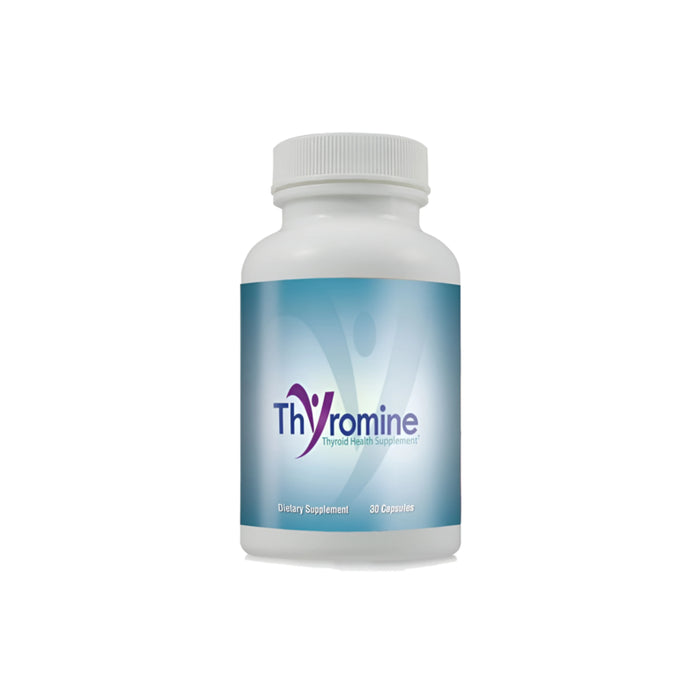
Thyromine combines iodine, L-tyrosine, ashwagandha, guggul extract, and other thyroid-supporting nutrients in a comprehensive formula designed to support healthy thyroid function and metabolism.
Strategies for Metabolic Optimization
Beyond thyroid support, several strategies can optimize overall metabolism:
Build Lean Muscle
Muscle tissue is metabolically active—it burns calories even at rest. Resistance training 2-4 times weekly increases resting metabolic rate.
Protein at Every Meal
Protein has a high thermic effect—25-30% of protein calories are burned during digestion. Include protein at every meal to boost daily calorie burn.
Cold Exposure
Cold activates brown fat, which burns calories to generate heat. Cold showers, ice baths, or simply keeping room temperatures cooler can boost metabolic rate.
HIIT Training
High-intensity interval training creates an "afterburn effect" (EPOC) where metabolism stays elevated for hours post-exercise.
Avoid Extreme Calorie Restriction
Severe calorie restriction signals the body to slow metabolism as a survival mechanism. This "adaptive thermogenesis" is why crash diets backfire. Moderate deficits (500-750 calories) are sustainable without metabolic slowdown.
Metabolic Support Supplements
For comprehensive metabolic support, consider combining thyroid nutrients with:
- African Mango for leptin optimization and appetite control
- Forskolin Fuel for cAMP activation and thermogenesis
Lifestyle Factors Affecting Thyroid Function
Stress and Cortisol
Chronic stress devastates thyroid function:
- Cortisol inhibits TSH release
- Stress hormones impair T4-to-T3 conversion
- Cortisol increases Reverse T3 (inactive)
- Stress depletes nutrients needed for thyroid function
Stress management isn't optional for thyroid health—it's essential.
Sleep
Sleep deprivation elevates cortisol and suppresses thyroid function. TSH follows a circadian rhythm, with highest levels during sleep. Disrupted sleep disrupts this pattern.
Goitrogens
Certain foods interfere with thyroid function when eaten in excess:
- Cruciferous vegetables: Broccoli, cauliflower, cabbage, kale
- Soy: Particularly processed soy products
- Millet and peanuts
Cooking deactivates most goitrogens. These foods are healthy—just don't eat massive amounts raw if you have thyroid concerns.
Toxin Exposure
Environmental toxins can disrupt thyroid function:
- Fluoride and chlorine: In water; compete with iodine
- BPA and plastics: Endocrine disruptors
- Pesticides: Many affect thyroid
- Heavy metals: Mercury, lead interfere with thyroid enzymes
Filter water, minimize plastic use, choose organic when possible, and support detoxification pathways.
When to See a Doctor
Seek medical evaluation if you experience:
- Persistent symptoms of hypo- or hyperthyroidism
- Visible goiter or neck swelling
- Unexplained weight changes (gain or loss)
- Heart palpitations or rapid heartbeat
- Severe fatigue not explained by lifestyle factors
- Family history of thyroid disease
- Planning pregnancy (thyroid health is critical)
Natural support is appropriate for optimization and mild concerns. Thyroid disease requires medical diagnosis and often medication.
Conclusion: Your Thyroid Optimization Protocol
For General Thyroid Support
- Ensure adequate iodine, selenium, zinc, iron, and vitamin D through diet or supplementation
- Consider Thyromine for comprehensive thyroid-supporting nutrients
- Manage stress (crucial for thyroid function)
- Prioritize quality sleep
- Avoid excessive goitrogens and environmental toxins
For Metabolic Optimization
- Build lean muscle through resistance training
- Include protein at every meal
- Avoid extreme calorie restriction
- Consider metabolic support supplements (Thyromine + African Mango)
For Suspected Thyroid Issues
- Request complete thyroid panel (TSH, Free T4, Free T3, antibodies)
- Find a provider who considers optimal ranges, not just "normal"
- Use natural support alongside appropriate medical treatment
Your thyroid doesn't exist in isolation—it responds to nutrition, stress, sleep, toxins, and overall lifestyle. By addressing all these factors, you give your thyroid the support it needs to optimize your metabolism, energy, and overall health.
Disclaimer: This article is for informational purposes only and is not medical advice. Thyroid conditions require proper medical diagnosis and treatment. Consult with an endocrinologist or healthcare provider for thyroid concerns. Do not discontinue thyroid medication without medical supervision. These statements have not been evaluated by the FDA.