Pain affects more people than diabetes, heart disease, and cancer combined. Over 50 million Americans live with chronic pain, and globally, back pain alone is the leading cause of disability. Yet despite decades of pharmaceutical innovation, we're in the midst of an unprecedented pain crisis—one that has revealed the limitations and dangers of conventional pain medications. This comprehensive guide synthesizes the latest research from Harvard Medical School, the Mayo Clinic, the National Institutes of Health, and leading pain research centers to provide you with evidence-based, natural approaches to pain management that actually work.
Introduction: The Pain Epidemic & A New Approach
We stand at a crossroads in pain medicine. The opioid crisis has claimed over 500,000 American lives since 1999, exposing the devastating consequences of over-reliance on pharmaceutical pain management. Meanwhile, chronic pain continues to rise—affecting an estimated 20% of adults worldwide and costing the U.S. economy over $600 billion annually in healthcare costs and lost productivity.
But from this crisis has emerged something remarkable: a revolution in our understanding of pain and a renewed interest in evidence-based natural approaches that address the root causes of pain rather than merely masking symptoms.
Consider these paradigm-shifting findings:
- Research from Harvard Medical School shows that meditation can physically alter brain structures involved in pain processing, providing lasting relief without medication
- Studies published in JAMA demonstrate that certain natural compounds—particularly curcumin—can match the efficacy of NSAIDs for arthritis pain without the cardiovascular and gastrointestinal risks
- Mayo Clinic research reveals that exercise is often more effective than medications for chronic low back pain, yet remains vastly underutilized
- New understanding of the gut-brain axis shows how inflammation throughout the body can amplify pain signals, opening new targets for intervention
- Peptide therapies like BPC-157 are showing remarkable results in accelerating tissue repair and reducing chronic pain at its source
This guide will take you on a comprehensive journey through the science of pain—what it is, why it persists, and how to address it naturally. We'll cover specific conditions including back pain, arthritis, migraines, neuropathy, and fibromyalgia. You'll learn about evidence-based supplements, lifestyle modifications, physical therapies, and emerging treatments. Most importantly, you'll gain the knowledge to build a personalized pain management plan that addresses your unique situation.
The goal isn't just to reduce pain—it's to reclaim your life from pain's grip. Let's begin.
Understanding Pain: The Science Behind What You Feel
To effectively manage pain, we must first understand what it actually is. Pain isn't simply a sensation—it's a complex, multidimensional experience created by your brain based on danger signals from your body, past experiences, current emotional state, beliefs, and context.
This understanding is crucial because it explains why two people with identical injuries can experience vastly different levels of pain, and why addressing only the physical aspects of pain often fails.
Types of Pain: Acute vs. Chronic
Acute pain is the body's alarm system—a protective response to actual or potential tissue damage. When you touch a hot stove, pain signals cause you to withdraw your hand immediately. This type of pain serves a vital biological function and typically resolves as the underlying injury heals.
Characteristics of acute pain:
- Clear cause (injury, surgery, illness)
- Proportional to tissue damage
- Resolves with healing (typically within 3 months)
- Generally responds well to conventional treatments
Chronic pain is fundamentally different. Defined as pain lasting more than 3-6 months, chronic pain represents a failure of the nervous system to return to normal after the initial threat has passed. The pain itself becomes the disease.
Characteristics of chronic pain:
- Often persists after original injury has healed
- May have no identifiable physical cause
- Involves changes in the nervous system (neuroplasticity)
- Affects mood, sleep, and quality of life
- Responds poorly to medications alone
- Requires multimodal approach
Understanding this distinction is critical: treatments that work for acute pain often fail—or even worsen—chronic pain. The approach outlined in this guide is specifically designed for the complexity of chronic pain conditions.
How Pain Signals Travel Through Your Body
Pain begins at specialized nerve endings called nociceptors, found throughout your skin, muscles, joints, and organs. When these receptors detect potentially damaging stimuli—mechanical pressure, extreme temperatures, or inflammatory chemicals—they generate electrical signals.
The pain pathway:
- Transduction: Nociceptors convert harmful stimuli into electrical signals
- Transmission: Signals travel along nerve fibers to the spinal cord
- Modulation: The spinal cord can amplify or dampen signals before they reach the brain
- Perception: The brain interprets signals and creates the conscious experience of pain
Crucially, this pathway isn't a one-way street. Descending pathways from the brain can either amplify or inhibit pain signals at the spinal cord level. This explains why stress increases pain, why distraction can reduce it, and why mind-body techniques can be so effective.
Two types of pain fibers:
- A-delta fibers: Fast, myelinated nerves that transmit sharp, localized pain (the "ouch!" when you stub your toe)
- C fibers: Slow, unmyelinated nerves that transmit dull, diffuse, aching pain (the throbbing that follows)
Different pain conditions involve different fiber types, which is why some respond better to certain treatments than others.
Central Sensitization: When Pain Becomes Amplified
One of the most important discoveries in pain science is central sensitization—a process where the nervous system becomes "wound up" and amplifies pain signals. This explains why chronic pain can persist long after tissues have healed and why pain can spread to areas beyond the original injury.
What happens in central sensitization:
- Spinal cord neurons become hyperexcitable
- Normal touch signals are interpreted as painful (allodynia)
- Mildly painful stimuli cause severe pain (hyperalgesia)
- Pain spreads beyond the original injury site
- Brain regions involved in pain processing become overactive
Research from Stanford University's pain laboratory has shown that central sensitization involves measurable changes in brain structure and function. The good news? These changes are reversible with appropriate intervention.
Conditions associated with central sensitization:
- Fibromyalgia
- Chronic low back pain
- Chronic tension headaches
- Temporomandibular disorders (TMJ)
- Irritable bowel syndrome
- Chronic pelvic pain
Addressing central sensitization requires approaches that calm the nervous system—not just treat peripheral tissues. This is why mind-body techniques, sleep optimization, and anti-inflammatory interventions are so crucial for chronic pain.
The Inflammation-Pain Connection
Inflammation is intimately connected to pain. When tissue is damaged, immune cells release inflammatory mediators—prostaglandins, cytokines, bradykinin—that activate and sensitize nociceptors. This is why anti-inflammatory medications can be so effective for acute pain.
But in chronic conditions, low-grade systemic inflammation creates a persistent pain-promoting environment throughout the body. This type of inflammation may not be visible or detectable through standard tests, yet it continuously activates pain pathways.
Sources of chronic inflammation:
- Diet: Processed foods, sugar, refined carbohydrates, industrial seed oils
- Gut dysbiosis: Imbalanced gut bacteria and "leaky gut"
- Obesity: Fat tissue produces inflammatory cytokines
- Chronic stress: Elevates cortisol and inflammatory markers
- Poor sleep: Sleep deprivation increases inflammation
- Sedentary lifestyle: Movement has anti-inflammatory effects
- Environmental toxins: Pollutants trigger inflammatory responses
This is why targeting inflammation through diet, supplements like curcumin, and lifestyle modifications is so effective for chronic pain—it addresses a root cause rather than just symptoms.
Back Pain: The Most Common Pain Condition
Low back pain is the single leading cause of disability worldwide. Approximately 80% of adults will experience significant back pain at some point, and for many, it becomes a chronic, life-limiting condition. Yet despite its prevalence, back pain remains poorly understood and often poorly treated.
The medical establishment has historically approached back pain through a structural lens—looking for disc herniations, arthritis, and other visible abnormalities on imaging. However, research has revealed a surprising truth: imaging findings often don't correlate with pain.
Studies show that many people with severe disc herniations have no pain, while others with normal-appearing spines experience severe chronic pain. This disconnect has forced a paradigm shift in how we understand and treat back pain.
Common Causes of Back Pain
1. Muscular causes (most common)
- Muscle strains from overuse or sudden movements
- Muscle imbalances from prolonged sitting
- Trigger points (hyperirritable muscle knots)
- Weak core muscles failing to support the spine
2. Disc-related causes
- Disc degeneration (normal aging process)
- Disc herniation (protrusion pressing on nerves)
- Discogenic pain (disc itself generating pain)
3. Joint-related causes
- Facet joint arthritis
- Sacroiliac joint dysfunction
4. Nerve-related causes
- Sciatica (irritation of sciatic nerve)
- Spinal stenosis (narrowing of spinal canal)
- Radiculopathy (nerve root compression)
5. Inflammatory causes
- Ankylosing spondylitis
- Systemic inflammation affecting spinal structures
6. Central sensitization
- Nervous system amplification of normal signals
- Often present in chronic cases
Natural Solutions for Back Pain
Evidence Level: Strong
The American College of Physicians now recommends non-pharmacological treatments as first-line therapy for chronic low back pain. This represents a major shift from previous guidelines that emphasized medications.
1. Movement & Exercise (Strongest Evidence)
Despite the instinct to rest, research overwhelmingly shows that movement is medicine for back pain. A Cochrane review of 61 trials found that exercise therapy is effective for chronic low back pain—often more effective than standard medical care.
Effective exercise approaches:
- Core stabilization: Strengthening deep core muscles (transverse abdominis, multifidus) that support the spine
- McKenzie Method: Specific exercises based on directional preference
- Yoga: Multiple trials show yoga significantly reduces chronic back pain
- Pilates: Core-focused movement with spine alignment emphasis
- Walking: Simple but effective for mild to moderate back pain
- Swimming/water exercise: Low-impact option for severe cases
2. Anti-Inflammatory Supplementation
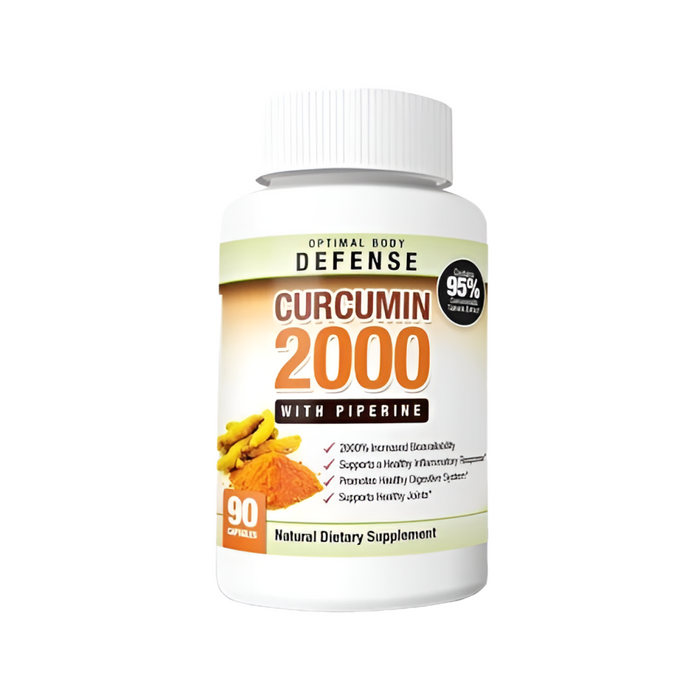
Targeting inflammation can reduce both pain and tissue damage. Curcumin 2000 provides high-potency turmeric curcumin with BioPerine for 2000% enhanced absorption. Research published in Clinical Interventions in Aging shows curcumin provides significant relief for chronic back pain, with effects comparable to NSAIDs but without the gastrointestinal risks.
3. Joint Support
For back pain originating from facet joints or spinal degeneration, cartilage-supporting supplements can help. Joint Advance combines clinical doses of glucosamine (1500mg), chondroitin (1200mg), and MSM (1000mg) to support joint health throughout the spine.
4. Mind-Body Approaches
Given the role of central sensitization and psychological factors in chronic back pain, mind-body techniques are essential:
- Cognitive Behavioral Therapy (CBT): Changes pain-related thoughts and behaviors
- Mindfulness-Based Stress Reduction (MBSR): 8-week program with strong evidence for back pain
- Pain Reprocessing Therapy (PRT): Newer approach showing remarkable results
5. Physical Therapies
- Massage therapy: Reduces muscle tension and pain
- Spinal manipulation: Moderate evidence for short-term relief
- Acupuncture: Moderate evidence, especially combined with other treatments
6. Ergonomic Modifications
- Standing desk or sit-stand workstation
- Proper chair support
- Frequent movement breaks
- Sleep position optimization
Arthritis Pain: Protecting Your Joints Naturally
Arthritis affects over 54 million American adults—nearly 1 in 4—making it the leading cause of disability in the United States. The pain, stiffness, and functional limitations of arthritis can severely impact quality of life. Yet natural approaches can significantly reduce symptoms and slow disease progression.
Osteoarthritis: Wear and Tear
Osteoarthritis (OA) is the most common form of arthritis, affecting over 32 million Americans. Once viewed as simple "wear and tear," we now understand OA as an active disease process involving inflammation, cartilage breakdown, bone remodeling, and changes throughout the joint.
Risk factors for osteoarthritis:
- Age (primary risk factor)
- Previous joint injury
- Obesity (especially for knee OA)
- Genetics
- Repetitive joint stress
- Joint malalignment
- Metabolic factors (diabetes, metabolic syndrome)
Pathophysiology:
In a healthy joint, cartilage covers bone ends, providing a smooth, cushioned surface. Synovial fluid lubricates the joint. In OA:
- Cartilage begins to break down faster than it can repair
- Underlying bone thickens and forms spurs (osteophytes)
- Synovial membrane becomes inflamed
- Joint space narrows as cartilage thins
- Eventually, bone-on-bone contact causes severe pain
The inflammation factor:
We now know that low-grade inflammation plays a crucial role in OA progression—not just in rheumatoid arthritis. Inflammatory cytokines (IL-1, IL-6, TNF-α) promote cartilage breakdown and pain. This is why anti-inflammatory approaches are so effective.
Rheumatoid Arthritis: Autoimmune Inflammation
Rheumatoid arthritis (RA) is an autoimmune disease where the immune system mistakenly attacks joint tissues, causing chronic inflammation, joint destruction, and systemic effects. Unlike OA, RA typically:
- Affects multiple joints symmetrically
- Causes morning stiffness lasting hours
- Involves systemic symptoms (fatigue, fever)
- Affects younger people (often ages 30-50)
- Requires medical management
Important: While natural approaches can complement RA treatment and reduce symptoms, medical therapy is essential to prevent joint destruction. Never replace prescribed disease-modifying drugs without medical supervision.
That said, many natural interventions can reduce RA symptoms and potentially allow for lower medication doses:
- Anti-inflammatory diet (Mediterranean diet has evidence)
- Omega-3 fatty acids (reduce joint inflammation)
- Curcumin (inhibits inflammatory pathways involved in RA)
- Stress management (stress triggers flares)
- Adequate sleep
Evidence-Based Supplements for Arthritis
Several supplements have meaningful clinical evidence for arthritis pain and progression:
1. Glucosamine & Chondroitin
These are structural components of cartilage. Supplementation provides the raw materials for cartilage repair and may slow progression.
Evidence:
- A 3-year study published in The Lancet showed glucosamine sulfate (1500mg/day) significantly slowed knee OA progression
- The GAIT trial found glucosamine + chondroitin was effective for moderate-to-severe knee OA
- Most effective when taken consistently for months to years
Joint Advance provides clinical doses of both glucosamine (1500mg) and chondroitin (1200mg), plus MSM and ginger for comprehensive joint support.
2. Curcumin
Curcumin, the active compound in turmeric, is one of the most researched natural anti-inflammatories. It inhibits multiple inflammatory pathways including COX-2, LOX, and NF-κB.
Evidence:
- A meta-analysis of 8 randomized controlled trials found curcumin significantly reduces arthritis pain, comparable to NSAIDs
- Research published in Journal of Medicinal Food showed curcumin improved knee OA symptoms by 50%+ in 8 weeks
- Curcumin may protect cartilage by inhibiting enzymes that break it down
The challenge with curcumin is absorption—standard turmeric is poorly bioavailable. Curcumin 2000 includes BioPerine (black pepper extract) which increases curcumin absorption by 2000%, ensuring you actually benefit from this remarkable compound.
3. Omega-3 Fatty Acids
EPA and DHA from fish oil have well-documented anti-inflammatory effects, reducing production of inflammatory prostaglandins and cytokines.
Evidence:
- Multiple trials show omega-3s reduce joint pain and stiffness
- May allow reduced NSAID use
- Effective dose: 2-3 grams EPA+DHA daily
4. MSM (Methylsulfonylmethane)
MSM provides sulfur necessary for cartilage and collagen synthesis. It also has anti-inflammatory properties.
Evidence:
- A 12-week RCT showed 3g MSM daily significantly reduced pain and improved function in knee OA
- Works synergistically with glucosamine
5. Boswellia
Boswellia serrata extract (frankincense) inhibits 5-LOX enzyme, reducing leukotrienes involved in joint inflammation.
Evidence:
- Clinical trials show significant pain reduction in knee OA
- One study showed improved symptoms within 7 days
6. Collagen
Type II collagen is the primary structural protein of cartilage. Supplementation may support cartilage health.
Evidence:
- Undenatured type II collagen (UC-II) at 40mg daily improved knee OA symptoms better than glucosamine+chondroitin in some studies
- Hydrolyzed collagen provides amino acids for cartilage repair
Migraines & Headaches: Beyond the Basics
Migraines affect over 39 million Americans, with women three times more likely to suffer than men. These aren't just "bad headaches"—migraines are a complex neurological condition that can be completely disabling. The good news: natural approaches can significantly reduce frequency and severity.
The Neuroscience of Migraines
Our understanding of migraines has evolved dramatically. They were once thought to be purely vascular (blood vessel) problems. We now know migraines involve:
1. Cortical Spreading Depression
A wave of electrical activity spreads across the brain cortex, followed by suppressed activity. This causes the visual aura many migraineurs experience.
2. Trigeminovascular Activation
The trigeminal nerve—which innervates the face and head—becomes activated and releases inflammatory neuropeptides (CGRP, substance P) around blood vessels and meninges.
3. Central Sensitization
Pain pathways become hypersensitive, amplifying signals and causing allodynia (pain from normal stimuli like light touch).
4. Brainstem Dysfunction
The brainstem's pain-modulating centers become dysregulated.
The Four Phases of Migraine:
- Prodrome (hours to days before): Mood changes, food cravings, neck stiffness, fatigue
- Aura (if present, 5-60 minutes before pain): Visual disturbances, sensory changes, speech difficulties
- Headache (4-72 hours): Usually unilateral, throbbing, moderate to severe, worse with activity
- Postdrome (hours to days after): "Migraine hangover"—fatigue, cognitive difficulties, mood changes
Identifying Your Triggers
Triggers don't cause migraines—they set off attacks in susceptible individuals. Identifying and managing triggers can significantly reduce frequency.
Common triggers:
- Hormonal: Menstruation, birth control, menopause
- Sleep: Too little, too much, or irregular sleep
- Stress: During or after stressful periods
- Dietary: Alcohol (especially red wine), aged cheeses, processed meats, MSG, artificial sweeteners, caffeine withdrawal
- Environmental: Bright lights, strong smells, weather changes, altitude
- Physical: Skipped meals, dehydration, intense exercise
Keeping a headache diary is essential for identifying your personal triggers. Track:
- Date and time of migraine onset
- Duration and severity
- Foods eaten in 24 hours before
- Sleep quality and hours
- Stress level
- Weather conditions
- Menstrual cycle (if applicable)
- Medications and supplements taken
Natural Migraine Prevention & Relief
Several natural approaches have strong evidence for migraine prevention:
1. Magnesium
Magnesium deficiency is common in migraineurs, and supplementation can reduce frequency by 40%+ in some studies.
Evidence:
- Multiple RCTs support 400-600mg magnesium daily for migraine prevention
- The American Academy of Neurology rates it "probably effective"
- Magnesium oxide, citrate, or glycinate are common forms
2. Riboflavin (Vitamin B2)
High-dose riboflavin (400mg daily) may improve mitochondrial function in the brain.
Evidence:
- RCTs show ~50% reduction in migraine frequency after 3 months
- Rated "probably effective" by American Academy of Neurology
- Very safe, even at high doses
3. Coenzyme Q10
CoQ10 supports mitochondrial energy production and has antioxidant properties.
Evidence:
- 100-300mg daily reduced migraine frequency in trials
- May be especially helpful for migraines with aura
4. Feverfew
This herb has been used for migraine prevention for centuries.
Evidence:
- Some trials show reduced frequency, though results are mixed
- May work by inhibiting inflammatory pathways
- Typical dose: 100-300mg standardized extract
5. Butterbur (Petasites)
One of the most studied herbs for migraine prevention.
Evidence:
- 150mg daily reduced migraine frequency by 48% in a large RCT
- Rated "effective" by American Academy of Neurology
- Important: Only use PA-free (pyrrolizidine alkaloid-free) products to avoid liver toxicity
6. Curcumin
Emerging research suggests curcumin's anti-inflammatory effects may help with migraines:
- Reduces neuroinflammation involved in migraine pathophysiology
- Modulates pain pathways
- Studies show promise, especially for migraine-associated symptoms
Curcumin 2000 provides high-absorption curcumin that may complement other migraine prevention strategies.
7. Lifestyle Interventions
- Regular sleep schedule: Same bedtime and wake time daily
- Regular meals: Avoid skipping meals
- Hydration: Dehydration triggers migraines
- Regular exercise: Reduces frequency (but avoid as trigger during attacks)
- Stress management: Meditation, yoga, biofeedback
Neuropathic Pain: When Nerves Malfunction
Neuropathic pain arises from damage or dysfunction of the nervous system itself. Unlike nociceptive pain (normal pain from tissue damage), neuropathic pain involves abnormal nerve signaling and often responds poorly to conventional painkillers.
Common neuropathic pain conditions:
- Diabetic neuropathy: Affects up to 50% of diabetics
- Postherpetic neuralgia: Persistent pain after shingles
- Trigeminal neuralgia: Severe facial pain
- Sciatica: Nerve root compression
- Chemotherapy-induced neuropathy: Side effect of cancer treatment
- Complex regional pain syndrome (CRPS): Severe, complex neuropathic condition
Characteristics of neuropathic pain:
- Burning, shooting, or electric shock sensations
- Numbness or tingling
- Pain from light touch (allodynia)
- Spontaneous pain without stimulus
- Often worse at night
Natural approaches for neuropathic pain:
1. Alpha-Lipoic Acid
- Strong evidence for diabetic neuropathy
- Antioxidant that protects nerves
- Typical dose: 600-1200mg daily
- Studies show reduced burning, tingling, and numbness
2. B Vitamins
- B1 (thiamine), B6, B12 are essential for nerve health
- Deficiencies can cause or worsen neuropathy
- Methylcobalamin form of B12 may be preferable
3. Acetyl-L-Carnitine
- Supports nerve regeneration
- Evidence for diabetic and chemotherapy-induced neuropathy
- Typical dose: 1000-3000mg daily
4. Capsaicin Cream
- Depletes substance P from nerve endings
- Initial burning gives way to pain relief
- Must be used consistently for weeks
5. BPC-157 Peptide
Emerging research suggests BPC-157 may support nerve healing and regeneration, potentially offering hope for neuropathic conditions. This peptide has shown promise in accelerating tissue repair throughout the body, including nervous tissue.
Fibromyalgia: The Invisible Pain Syndrome
Fibromyalgia is a chronic pain condition characterized by widespread musculoskeletal pain, fatigue, sleep problems, and cognitive difficulties ("fibro fog"). It affects approximately 4 million Americans, predominantly women.
Fibromyalgia is now understood as a disorder of central pain processing—the brain and spinal cord amplify pain signals, creating pain sensitivity throughout the body even without tissue damage.
Diagnostic criteria:
- Widespread pain index (WPI) ≥ 7 and symptom severity (SS) scale ≥ 5, OR WPI 4-6 and SS ≥ 9
- Symptoms present for at least 3 months
- No other disorder explaining the pain
Associated symptoms:
- Chronic fatigue
- Unrefreshing sleep
- Cognitive dysfunction
- Headaches
- IBS symptoms
- Anxiety and depression
- Sensitivity to temperature, light, sound
Natural management of fibromyalgia:
Because fibromyalgia involves central sensitization, approaches that calm the nervous system are essential:
1. Exercise (Most Important)
- Strong evidence that regular aerobic exercise reduces fibromyalgia symptoms
- Start very gently—fibromyalgia patients are prone to post-exertional flares
- Walking, water aerobics, tai chi, yoga are good starting points
- Gradual progression is key
2. Sleep Optimization
- Poor sleep worsens fibromyalgia; improved sleep reduces symptoms
- Sleep hygiene is essential
- Rule out sleep disorders (sleep apnea is common)
3. Cognitive Behavioral Therapy
- Strong evidence for fibromyalgia management
- Addresses pain-related thoughts, behaviors, and sleep
4. Mind-Body Practices
- Tai chi showed excellent results in a Harvard study
- Yoga reduces symptoms
- Meditation and mindfulness help with pain acceptance
5. Supplements
- Magnesium: Often deficient in fibromyalgia; supplementation may help
- Vitamin D: Deficiency associated with worse symptoms
- CoQ10: May improve fatigue and pain
- Curcumin: Anti-inflammatory effects may help overall inflammation state
- SAMe: Some evidence for pain and mood improvement
6. Anti-Inflammatory Diet
- Reduce processed foods, sugar, artificial additives
- Increase vegetables, fruits, omega-3 fatty acids
- Some patients benefit from elimination diets
Evidence-Based Anti-Inflammatory Supplements
Inflammation is a common thread connecting many chronic pain conditions. Whether you're dealing with arthritis, back pain, headaches, or fibromyalgia, targeting inflammation through supplementation can provide significant relief. Here we examine the compounds with the strongest scientific support.
Curcumin (Turmeric): Nature's Anti-Inflammatory
Curcumin is arguably the most well-researched natural anti-inflammatory compound. This bright yellow polyphenol from turmeric root has over 12,000 peer-reviewed publications documenting its effects.
Mechanisms of Action:
Curcumin's power comes from its ability to modulate multiple inflammatory pathways simultaneously:
- COX-2 inhibition: Reduces prostaglandin production (like NSAIDs)
- LOX inhibition: Blocks leukotriene synthesis
- NF-κB suppression: Master regulator of inflammatory gene expression
- Cytokine modulation: Reduces IL-1, IL-6, TNF-α
- Antioxidant activity: Neutralizes free radicals that promote inflammation
Clinical Evidence:
Arthritis:
- A meta-analysis of 8 RCTs found curcumin significantly reduced pain and improved function in osteoarthritis, comparable to NSAIDs
- One study found 1500mg curcumin equivalent to 1200mg ibuprofen for knee OA
- Unlike NSAIDs, no GI side effects or cardiovascular risks
Back Pain:
- Studies show significant reduction in chronic low back pain
- Reduces inflammatory markers in spinal structures
General Inflammation:
- Reduces CRP (C-reactive protein), a marker of systemic inflammation
- Beneficial effects on metabolic syndrome markers
The Absorption Challenge:
Standard curcumin has very poor bioavailability—most passes through the GI tract unabsorbed. This is why formulation matters enormously.
Absorption enhancers:
- Piperine (BioPerine): Black pepper extract that increases absorption by 2000%
- Phospholipid complexes: Meriva, Longvida
- Nanoparticle formulations: Theracurmin
Curcumin 2000 combines high-potency curcumin with BioPerine for dramatically enhanced absorption, ensuring you actually receive the benefits of this remarkable compound. For anyone dealing with inflammatory pain—arthritis, back pain, or other conditions—this is a foundational supplement.
Dosage:
- Standard curcumin: 1500-2000mg daily
- Enhanced absorption forms: 500-1000mg daily
- Take with meals containing fat for best absorption
- Effects are cumulative—allow 4-8 weeks for full benefits
Safety:
- Generally very safe with minimal side effects
- May interact with blood thinners (consult doctor)
- Not recommended during pregnancy in supplement doses
- Rare cases of GI upset at high doses
Omega-3 Fatty Acids: Essential Pain Relief
Omega-3 fatty acids—particularly EPA (eicosapentaenoic acid) and DHA (docosahexaenoic acid) from fish oil—have well-established anti-inflammatory effects and pain-relieving properties.
Mechanisms:
- Compete with omega-6 fatty acids for enzymes, reducing inflammatory eicosanoid production
- Give rise to resolvins and protectins—specialized mediators that actively resolve inflammation
- Reduce pro-inflammatory cytokine production
- Modulate cell membrane function
Evidence for Pain Conditions:
Rheumatoid Arthritis:
- Strong evidence for reduced joint pain and stiffness
- May allow reduced NSAID use
- Doses of 2.7g+ EPA+DHA daily most effective
Osteoarthritis:
- Moderate evidence for symptom improvement
- Anti-inflammatory effects may slow progression
Back Pain:
- Several studies show reduced pain, especially chronic inflammatory back pain
Neuropathic Pain:
- Emerging evidence for benefit in diabetic neuropathy
Migraines:
- Some trials show reduced frequency and severity
Dosage:
- General anti-inflammatory: 2000-3000mg EPA+DHA daily
- Arthritis: 2700mg+ EPA+DHA daily
- Look for supplements listing EPA and DHA amounts (not just "fish oil")
Quality Considerations:
- Choose molecularly distilled or purified products to avoid heavy metals
- Store in refrigerator to prevent oxidation
- Triglyceride form may absorb better than ethyl ester
Glucosamine & Chondroitin: Rebuilding Cartilage
These compounds are structural components of cartilage and have been used for decades to support joint health. While not directly anti-inflammatory, they work by supporting cartilage repair and may reduce joint-specific pain.
How They Work:
Glucosamine:
- Building block for glycosaminoglycans (GAGs) in cartilage
- May stimulate chondrocyte (cartilage cell) activity
- May inhibit enzymes that degrade cartilage
Chondroitin:
- Major structural component of cartilage
- Attracts fluid into cartilage, improving shock absorption
- Inhibits cartilage-degrading enzymes
Clinical Evidence:
Evidence has been mixed, but several important findings stand out:
- A 3-year Lancet study showed glucosamine sulfate significantly slowed knee OA progression
- The large GAIT trial found the combination effective for moderate-to-severe knee OA
- Glucosamine sulfate form appears more effective than hydrochloride
- Benefits are cumulative—require months of use
Joint Advance provides clinical doses of glucosamine sulfate (1500mg), chondroitin sulfate (1200mg), and MSM (1000mg)—the three most evidence-based compounds for joint support. It also includes ginger root extract for natural anti-inflammatory action and vitamin C for collagen synthesis.
Dosage:
- Glucosamine sulfate: 1500mg daily
- Chondroitin sulfate: 800-1200mg daily
- MSM: 1000-3000mg daily
- Can be taken together or split throughout the day
- Allow 4-8 weeks for initial benefits, 3+ months for full effect
Who Benefits Most:
- Early to moderate osteoarthritis (before severe cartilage loss)
- Joint pain from activity or previous injury
- Athletes wanting to protect joints from wear
- Those wanting to reduce NSAID use
BPC-157: The Healing Peptide
BPC-157 (Body Protection Compound-157) is a synthetic peptide derived from a protective protein found in human gastric juice. It represents one of the most exciting developments in regenerative medicine and pain management.
Mechanisms:
- Angiogenesis: Stimulates blood vessel formation, improving healing
- Collagen synthesis: Promotes tissue repair
- Nitric oxide modulation: Affects blood flow and healing
- Growth factor regulation: Influences tissue regeneration
- Anti-inflammatory effects: Reduces inflammatory mediators
Research Areas:
While most research has been in animal models, results have been remarkable across multiple tissue types:
Tendon and Ligament:
- Accelerated healing of Achilles tendon injuries
- Improved healing of severed tendons and ligaments
- Potential for chronic tendinopathy
Muscle:
- Accelerated muscle healing after injury
- May help with muscle tears and strains
Bone:
- Promoted bone healing in fracture models
Gut:
- Protective effects on gastric mucosa
- May help with inflammatory bowel conditions
Nervous System:
- Neuroprotective effects observed
- May support nerve healing
BPC-157 Peptide Complex provides this cutting-edge compound for those seeking advanced tissue healing support. It may be particularly valuable for chronic injuries, tendon problems, and conditions where tissue repair is impaired.
Important Notes:
- Most research is preclinical (animal studies)
- Human trials are limited but promising
- Generally well-tolerated in available research
- Consult with a healthcare provider knowledgeable about peptide therapy
Other Evidence-Based Pain Supplements
Boswellia (Indian Frankincense)
- Inhibits 5-LOX enzyme, reducing leukotrienes
- Strong evidence for osteoarthritis
- May work synergistically with curcumin
- Typical dose: 300-500mg boswellic acids daily
Ginger
- Natural COX-2 and LOX inhibitor
- Evidence for osteoarthritis and muscle pain
- Anti-nausea effects beneficial for migraines
- Typical dose: 500-1000mg dried ginger or extract
Devil's Claw
- Traditional African remedy with anti-inflammatory properties
- Evidence for back pain and osteoarthritis
- Typical dose: 50-100mg harpagoside daily
White Willow Bark
- Natural source of salicin (related to aspirin)
- Gentler on stomach than aspirin
- Evidence for low back pain
- Typical dose: 120-240mg salicin daily
SAMe (S-Adenosylmethionine)
- Involved in cartilage repair
- Evidence matches NSAIDs for osteoarthritis in some studies
- Also has mood-supporting effects
- Expensive but effective
- Typical dose: 600-1200mg daily
Proteolytic Enzymes (Bromelain, Papain)
- Break down inflammatory proteins
- Evidence for post-surgical swelling and trauma
- May help with arthritis and sports injuries
- Take on empty stomach for systemic effects
Lifestyle Interventions for Pain Management
Supplements can provide significant relief, but they work best as part of a comprehensive approach that includes lifestyle modifications. These interventions address root causes of pain and can produce profound, lasting improvements.
Exercise: The Unexpected Pain Reliever
It seems counterintuitive—moving when you're in pain—but exercise is one of the most powerful pain management tools available. The evidence is overwhelming across virtually every chronic pain condition.
Why Exercise Reduces Pain:
- Endorphin release: Natural painkillers produced during exercise
- Reduced inflammation: Regular exercise has anti-inflammatory effects
- Improved blood flow: Enhances tissue healing and nutrient delivery
- Central desensitization: Regular movement can recalibrate pain pathways
- Muscle strengthening: Better support and protection for joints
- Improved sleep: Better sleep reduces pain sensitivity
- Mood enhancement: Exercise improves depression and anxiety that amplify pain
- Weight management: Less stress on joints
Evidence by Condition:
Low Back Pain:
- Exercise therapy is first-line treatment according to guidelines
- Cochrane reviews support exercise for chronic back pain
- McKenzie exercises, core stabilization, yoga, and general aerobic exercise all effective
Osteoarthritis:
- Exercise reduces pain and improves function as effectively as medications
- Both strength training and aerobic exercise are beneficial
- Aquatic exercise excellent for severe cases
Fibromyalgia:
- Strong evidence for aerobic exercise reducing symptoms
- Must start very gently and progress slowly
- Tai chi showed excellent results in Harvard study
Migraines:
- Regular aerobic exercise reduces migraine frequency
- One study found 40 minutes of aerobic exercise 3x/week as effective as medication
Starting an Exercise Program with Chronic Pain:
- Start very low: 5-10 minutes of gentle activity
- Progress slowly: Increase by 10% per week maximum
- Expect some discomfort: Distinguish between exercise discomfort (okay) and injury (not okay)
- Be consistent: Daily gentle movement beats sporadic intense sessions
- Choose activities you enjoy: Sustainability matters more than "optimal" exercise
- Consider physical therapy: A PT can design a safe, effective program
Best Exercises for Pain:
- Walking: Low-impact, accessible, effective
- Swimming/Water exercise: Takes weight off joints
- Yoga: Combines movement, stretching, mindfulness
- Tai Chi: Gentle, meditative movement with strong evidence
- Cycling: Low-impact cardiovascular exercise
- Strength training: Critical for joint support and function
Sleep & Pain: The Bidirectional Relationship
Sleep and pain have a powerful bidirectional relationship: pain disrupts sleep, and poor sleep amplifies pain. Breaking this cycle is often essential for pain management success.
How Poor Sleep Worsens Pain:
- Sleep deprivation increases inflammatory cytokines
- Reduced pain inhibition from brain during sleep deprivation
- Increased pain sensitivity (hyperalgesia)
- Disrupted endogenous opioid system
- Worsened mood and stress tolerance
Research from UC Berkeley found that just one night of sleep deprivation increased pain sensitivity by 30%—explaining why many chronic pain patients experience worse pain after poor sleep.
Sleep Optimization Strategies:
Sleep Hygiene:
- Consistent schedule: Same bedtime and wake time daily (even weekends)
- Dark, cool room: 65-68°F, eliminate light sources
- No screens 1-2 hours before bed: Blue light suppresses melatonin
- Limit caffeine: None after noon if sleep-sensitive
- Limit alcohol: Disrupts sleep architecture
- Wind-down routine: Signal to your brain that sleep is coming
Addressing Pain-Specific Sleep Issues:
- Positioning: Pillows to support painful areas (between knees for back pain, under affected joint)
- Timing of pain medications: Some work better taken before bed
- Heat/ice before bed: Reduce pain that interferes with falling asleep
- Relaxation techniques: Progressive muscle relaxation, deep breathing
Natural Sleep Supports:
- Magnesium: Promotes relaxation; many pain patients are deficient
- Melatonin: Can help reset sleep timing; start with low doses (0.5-3mg)
- Glycine: Amino acid that may improve sleep quality
- CBD: May help with both pain and sleep (evidence still emerging)
When to Seek Help:
- Sleep apnea is common in chronic pain patients and dramatically worsens pain
- If you snore, wake frequently, or feel unrefreshed despite adequate hours, get evaluated
- Cognitive behavioral therapy for insomnia (CBT-I) is highly effective and available online
Stress, Cortisol & Pain Amplification
Chronic stress profoundly impacts pain perception. The stress response evolved to help us survive acute threats, but chronic activation damages tissues, promotes inflammation, and amplifies pain.
How Stress Increases Pain:
- Cortisol effects: Initially anti-inflammatory, but chronic elevation promotes inflammation
- Muscle tension: Chronic stress creates muscle guarding and tension
- Central sensitization: Stress hormones contribute to nervous system wind-up
- Sleep disruption: Stress impairs sleep, which worsens pain
- Behavioral changes: Stress leads to poor eating, less exercise, more pain behaviors
- Catastrophizing: Stress increases negative thinking about pain
Evidence-Based Stress Management for Pain:
1. Mindfulness Meditation
- Strong evidence for chronic pain management
- Changes brain structure in areas involved in pain processing
- Mindfulness-Based Stress Reduction (MBSR) has the most research
- Start with apps like Headspace, Calm, or Insight Timer
- 10-20 minutes daily shows benefits
2. Deep Breathing
- Activates parasympathetic nervous system (relaxation response)
- Immediately reduces muscle tension
- Can be done anywhere, anytime
- 4-7-8 breathing: Inhale 4 counts, hold 7, exhale 8
3. Progressive Muscle Relaxation
- Systematically tense and release muscle groups
- Increases awareness of tension patterns
- Especially helpful for muscle-related pain
4. Biofeedback
- Learn to control physiological responses
- Evidence for headaches, back pain, fibromyalgia
- Can now be done with home devices/apps
5. Nature Exposure
- Research shows time in nature reduces cortisol and pain perception
- Even looking at nature images has some effect
- "Forest bathing" (shinrin-yoku) has significant research support
The Anti-Inflammatory Diet for Pain
Diet profoundly impacts inflammation and pain. The standard Western diet—high in processed foods, sugar, and industrial seed oils—promotes chronic inflammation. An anti-inflammatory diet can significantly reduce pain while improving overall health.
Foods That INCREASE Inflammation and Pain:
- Sugar and refined carbohydrates: Spike blood sugar and promote inflammatory pathways
- Industrial seed oils: Soybean, corn, canola, cottonseed oils high in omega-6
- Trans fats: Partially hydrogenated oils (being phased out)
- Processed meats: Hot dogs, bacon, lunch meats contain inflammatory compounds
- Excessive alcohol: Promotes inflammation and disrupts sleep
- Deep-fried foods: High in advanced glycation end products (AGEs)
- Artificial additives: Some people react to MSG, artificial colors, preservatives
Foods That DECREASE Inflammation and Pain:
- Fatty fish: Salmon, mackerel, sardines—high in omega-3s
- Vegetables: Especially leafy greens, cruciferous vegetables
- Berries: Blueberries, strawberries, cherries—rich in anthocyanins
- Olive oil: Contains oleocanthal with ibuprofen-like properties
- Nuts: Especially walnuts (omega-3s) and almonds
- Turmeric and ginger: Powerful anti-inflammatory spices
- Green tea: Contains anti-inflammatory EGCG
- Dark chocolate: Flavanols reduce inflammation (in moderation)
- Tart cherry juice: Reduces inflammatory markers; evidence for arthritis and muscle pain
The Mediterranean Diet:
The Mediterranean diet is the best-studied anti-inflammatory eating pattern. It emphasizes:
- Abundant vegetables, fruits, nuts, seeds, legumes
- Olive oil as primary fat source
- Fish 2-3 times per week
- Moderate poultry and eggs
- Limited red meat
- Minimal processed foods
- Red wine in moderation (optional)
Research shows the Mediterranean diet reduces inflammatory markers (CRP, IL-6) and is associated with reduced arthritis symptoms and better pain outcomes.
Elimination Diets:
Some individuals have sensitivities to specific foods that contribute to pain. Common triggers include:
- Gluten (especially if celiac disease or non-celiac sensitivity)
- Dairy (particularly for inflammatory conditions)
- Nightshades (tomatoes, peppers, eggplant, potatoes) for some arthritis patients
- Histamine-containing foods (for some with migraine)
A structured elimination diet—removing suspect foods for 3-4 weeks then reintroducing systematically—can identify personal triggers.
Mind-Body Techniques: Meditation, CBT & Beyond
Mind-body approaches address the psychological and neurological components of pain that purely physical treatments miss. These aren't "just in your head"—they produce measurable changes in brain structure and function.
Cognitive Behavioral Therapy (CBT) for Chronic Pain
CBT is the most researched psychological treatment for chronic pain. It works by addressing pain-related thoughts, beliefs, and behaviors that perpetuate suffering.
Key components:
- Cognitive restructuring: Identifying and challenging unhelpful thoughts about pain
- Behavioral activation: Gradually increasing activity despite pain
- Pacing: Learning to balance activity and rest
- Relaxation training: Techniques to reduce muscle tension and stress
- Sleep hygiene: Improving sleep to reduce pain
Evidence:
- Effective for chronic low back pain, fibromyalgia, arthritis, headaches
- Effects can last years after treatment ends
- Often available through pain clinics, psychologists, or online programs
Acceptance and Commitment Therapy (ACT)
ACT takes a different approach—rather than trying to control or reduce pain, it focuses on accepting pain while committing to valued activities.
Key concepts:
- Acceptance: Allowing pain to be present without struggling against it
- Cognitive defusion: Creating distance from pain-related thoughts
- Values clarification: Identifying what matters most
- Committed action: Taking steps toward values despite pain
Evidence:
- Growing evidence base, especially for chronic pain
- May be particularly helpful when pain cannot be eliminated
Pain Reprocessing Therapy (PRT)
A newer approach based on the understanding that chronic pain often involves learned neural pathways that can be "unlearned."
Key principles:
- Understanding that chronic pain often involves brain-generated signals
- Reappraising pain as "safe" rather than dangerous
- Gradually exposing to feared movements/activities
Evidence:
- A 2021 study in JAMA Psychiatry showed remarkable results for chronic back pain
- 66% of PRT group were pain-free or nearly so after treatment
- Effects maintained at 1-year follow-up
Mindfulness-Based Stress Reduction (MBSR)
An 8-week program developed by Jon Kabat-Zinn at the University of Massachusetts specifically for chronic pain and stress.
Components:
- Body scan meditation
- Sitting meditation
- Gentle yoga
- Education on stress and pain
- Daily home practice
Evidence:
- Reduces pain intensity and pain-related distress
- Effective for chronic low back pain, fibromyalgia, headaches
- Changes brain structure in areas involved in pain processing
- Widely available in-person and online
Physical Therapies: What Actually Works
Beyond exercise, various hands-on and physical treatments can help manage pain. Evidence varies considerably—here's what the research actually shows.
Massage Therapy
Massage involves manipulation of soft tissues (muscle, connective tissue) by a trained therapist.
Evidence:
- Low back pain: Moderate evidence for short-term relief
- Neck pain: Some evidence for benefit
- Fibromyalgia: May reduce pain and anxiety
- Headaches: Limited but promising evidence
Mechanisms:
- Reduces muscle tension and trigger points
- Improves circulation
- Activates relaxation response
- May affect pain gate (competing sensory input)
Practical considerations:
- Effects are often short-term; regular sessions may be needed
- Different styles (Swedish, deep tissue, myofascial release) for different needs
- Find a licensed massage therapist experienced with your condition
Acupuncture: Ancient Practice, Modern Evidence
Acupuncture involves inserting thin needles at specific points. Once dismissed by Western medicine, it now has substantial research support for certain pain conditions.
Evidence:
- Chronic pain: Cochrane review found acupuncture superior to sham and no treatment for back/neck pain, osteoarthritis, headache
- Low back pain: Recommended by American College of Physicians guidelines
- Migraines: Evidence supports use for prevention
- Knee osteoarthritis: Moderate evidence for short-term relief
Mechanisms (proposed):
- Releases endogenous opioids (endorphins, enkephalins)
- Modulates pain pathways at spinal cord level
- Affects autonomic nervous system
- Local effects at needle sites
Practical considerations:
- Seek licensed acupuncturist (LAc) or physician trained in acupuncture
- Typically requires multiple sessions (6-12) to evaluate effectiveness
- Very safe when performed by qualified practitioners
- Insurance coverage varies
Chiropractic Care
Chiropractic treatment primarily involves spinal manipulation (adjustments) to improve spinal function and relieve pain.
Evidence:
- Acute low back pain: Moderate evidence for short-term relief
- Chronic low back pain: Some evidence, similar to other treatments
- Neck pain: Some evidence for benefit
- Headaches: Limited evidence for cervicogenic headaches
Practical considerations:
- Most effective when combined with exercise and other treatments
- If helpful, effects are often short-term; ongoing care may be needed
- Very safe for most people; rare serious complications
- Avoid if certain spinal conditions present (fracture, infection, cancer)
Heat vs. Cold Therapy: When to Use Each
These simple interventions are often underestimated. Proper use can significantly reduce pain without any cost or side effects.
Cold Therapy (Cryotherapy):
Best for:
- Acute injuries (first 48-72 hours)
- Swelling and inflammation
- After exercise
- Acute flares of inflammatory conditions
- Migraines (many find cold helpful)
How it works:
- Constricts blood vessels, reducing swelling
- Slows nerve conduction, reducing pain signals
- Decreases metabolic activity
Application:
- Ice packs, frozen gel packs, ice massage
- 15-20 minutes at a time
- Protect skin with cloth barrier
- Can repeat every 1-2 hours
Heat Therapy (Thermotherapy):
Best for:
- Chronic pain conditions
- Muscle stiffness and tension
- Before exercise or stretching
- Arthritis stiffness
- Back pain
How it works:
- Increases blood flow and tissue healing
- Relaxes muscles
- Increases tissue extensibility (helpful before stretching)
- Activates heat-sensitive pathways that may reduce pain
Application:
- Heating pads, warm baths, hot water bottles
- 15-30 minutes at a time
- Avoid high temperatures to prevent burns
- Moist heat often more effective than dry
Contrast Therapy:
Alternating heat and cold can combine benefits and create a "pumping" action that may enhance healing. Often used for subacute injuries and chronic conditions.
Emerging & Cutting-Edge Pain Therapies
The field of pain medicine is rapidly evolving. Several emerging therapies show remarkable promise for conditions that have been difficult to treat.
Peptide Therapy for Tissue Repair
Peptides are short chains of amino acids that act as signaling molecules in the body. Several peptides show promise for pain conditions through tissue repair mechanisms.
BPC-157:
As discussed earlier, this gastric peptide shows remarkable tissue healing properties in research. BPC-157 Peptide Complex represents this exciting area of pain management—addressing the underlying tissue damage that causes pain rather than just masking symptoms.
Thymosin Beta-4:
- Promotes cell migration and tissue repair
- Research in wound healing, muscle, and cardiac tissue
- Being investigated for musculoskeletal applications
Important note: Peptide therapy is still emerging. Work with knowledgeable healthcare providers and understand that research is ongoing.
PRP & Regenerative Medicine
Platelet-Rich Plasma (PRP):
PRP involves concentrating platelets from your own blood and injecting them into damaged tissue. Platelets release growth factors that may accelerate healing.
Evidence:
- Knee osteoarthritis: Some studies show benefit, particularly in early-moderate disease
- Tendinopathy: Promising results for chronic tendon problems
- Mixed results overall; protocols vary widely
Stem Cell Therapy:
Using stem cells (often from bone marrow or fat) to potentially regenerate damaged tissue. Research is ongoing, and while promising, evidence is still developing. Be cautious of clinics making dramatic claims.
Prolotherapy:
Injection of irritant solutions (often dextrose) to stimulate healing response. Some evidence for chronic low back pain and tendon problems.
Condition-Specific Pain Protocols
Let's put this all together with practical protocols for common pain conditions.
Sciatica Relief Protocol
Sciatica involves pain radiating down the leg from irritation of the sciatic nerve, usually from disc herniation or spinal stenosis.
Immediate relief:
- Alternating ice and heat on lower back
- Gentle walking if tolerable
- Avoid prolonged sitting
- Sleep position: Side-lying with pillow between knees
Supplements:
- Curcumin 2000 for inflammation reduction
- Magnesium for muscle relaxation and nerve function
- B vitamins for nerve health
Movement:
- McKenzie exercises if extension helps
- Nerve glides (neural flossing)
- Core stabilization as acute phase resolves
- Avoid forward bending in acute phase
Physical therapy:
- Essential for most cases
- Decompression techniques
- Progressive exercise program
Knee Pain Protocol
Knee pain—whether from osteoarthritis, runner's knee, or other causes—benefits from a comprehensive approach.
Foundational supplements:
- Joint Advance (glucosamine, chondroitin, MSM) for cartilage support
- Curcumin 2000 for inflammation
- Omega-3 fatty acids
Exercise:
- Quadriceps strengthening (crucial for knee pain)
- Hamstring flexibility
- Hip strengthening (hip weakness contributes to knee pain)
- Low-impact cardio: swimming, cycling, elliptical
Weight management:
- Every pound lost reduces knee load by 4 pounds during walking
- Even modest weight loss significantly helps
Lifestyle:
- Anti-inflammatory diet
- Supportive footwear
- Consider knee sleeve for activity
- Avoid deep squatting and high-impact activities
Neck Pain Protocol
Neck pain is increasingly common due to smartphone and computer use ("tech neck").
Ergonomic changes:
- Computer monitor at eye level
- Reduce phone use; hold phone at eye level when using
- Supportive pillow that maintains neutral neck position
- Frequent breaks from desk work
Supplements:
- Curcumin 2000 for inflammation
- Magnesium for muscle relaxation
Exercise:
- Chin tucks (combats forward head posture)
- Neck stretches (upper trapezius, levator scapulae, scalenes)
- Strengthening of deep neck flexors
- Upper back/scapular exercises
Manual therapy:
- Massage for tight muscles
- Consider physical therapy or chiropractic if not improving
Topical Pain Treatments: Creams, Gels & Patches
Topical treatments deliver pain-relieving compounds directly to affected areas, avoiding systemic side effects while providing targeted relief. For localized pain—arthritis in specific joints, muscle strains, localized nerve pain—topicals can be remarkably effective.
Categories of Topical Pain Treatments:
1. NSAIDs (Diclofenac, etc.)
Prescription and over-the-counter NSAID gels deliver anti-inflammatory medication directly to tissues.
Evidence:
- Effective for knee and hand osteoarthritis
- Comparable efficacy to oral NSAIDs for superficial joints
- Much lower systemic absorption—reduced GI and cardiovascular risks
- FDA-approved options include Voltaren gel (now OTC) and Pennsaid
Best for:
- Knee osteoarthritis
- Hand arthritis
- Superficial joint pain
- Those who can't tolerate oral NSAIDs
2. Capsaicin
Derived from hot peppers, capsaicin depletes substance P—a neurotransmitter involved in pain signaling—from nerve endings.
Evidence:
- Moderate evidence for arthritis pain
- Good evidence for neuropathic pain (postherpetic neuralgia, diabetic neuropathy)
- Requires consistent use for 2-4 weeks to see full effect
- Initial burning sensation diminishes with continued use
Tips for use:
- Start with lower concentration (0.025-0.075%)
- Apply 3-4 times daily initially
- Wash hands thoroughly after application
- Avoid contact with eyes and mucous membranes
- Expect burning initially—this means it's working
3. Menthol and Camphor
These counterirritants create cooling or warming sensations that can override pain signals.
How they work:
- Activate cold-sensitive receptors (TRPM8)
- Produce a cooling sensation that competes with pain signals
- May have mild local anesthetic effects
Best for:
- Temporary relief of minor aches
- Muscle soreness
- Combination with other treatments
4. Lidocaine Patches/Gels
Lidocaine is a local anesthetic that blocks nerve signal transmission.
Evidence:
- Strong evidence for postherpetic neuralgia
- May help other localized neuropathic pain
- Prescription patches (Lidoderm) or OTC products available
5. Topical Curcumin and Herbal Preparations
Emerging topical formulations of curcumin and other anti-inflammatory botanicals show promise:
- Curcumin gels for knee osteoarthritis
- Arnica for bruising and minor trauma
- Comfrey for back pain (some evidence)
- Essential oils (peppermint, eucalyptus) for minor pain relief
6. Transdermal Patches
Various patches deliver medications through the skin over extended periods:
- Lidocaine patches for localized neuropathic pain
- Capsaicin patches (high-concentration, applied by healthcare providers)
- Prescription opioid patches (for severe chronic pain, medical supervision required)
Maximizing Topical Effectiveness:
- Apply to clean, dry skin
- Rub in thoroughly (most products)
- Give adequate time for absorption before covering
- Use consistently—many topicals require regular application
- Consider occlusion (covering with plastic wrap) for increased absorption when appropriate
- Combine with other approaches for best results
The Psychology of Chronic Pain
Understanding the psychological dimensions of chronic pain isn't about dismissing pain as "all in your head"—it's about recognizing that the brain creates all pain experiences and that psychological factors profoundly influence this process. Addressing these factors is often the key to breakthrough pain relief.
Pain Catastrophizing
Catastrophizing is a pattern of negative thinking about pain that includes:
- Rumination: Constantly thinking about the pain
- Magnification: Exaggerating the threat or severity of pain
- Helplessness: Feeling unable to cope with pain
Research shows that catastrophizing is one of the strongest predictors of chronic pain outcomes—more predictive than the original injury, imaging findings, or physical factors. The good news: catastrophizing is modifiable through techniques like CBT.
Signs of catastrophizing:
- "This pain is terrible and it's never going to get any better"
- "I can't stop thinking about how much it hurts"
- "There's nothing I can do to reduce my pain"
- "I feel I can't go on"
- Constant worry about pain getting worse
Fear-Avoidance
Pain naturally triggers protective behaviors—avoiding movements and activities that might cause or worsen pain. In the short term, this is adaptive. But in chronic pain:
- Avoidance becomes excessive and persistent
- Muscles weaken and decondition from disuse
- Joints stiffen from lack of movement
- Fear grows as more activities are avoided
- Life becomes increasingly restricted
- Pain actually worsens due to physical deconditioning
Breaking the fear-avoidance cycle through gradual exposure to feared movements—with appropriate guidance—is essential for recovery.
Depression and Anxiety
The relationship between pain and mental health is bidirectional:
- Chronic pain increases risk of depression and anxiety (up to 3-4x higher rates)
- Depression and anxiety amplify pain perception
- They share overlapping brain circuits and neurotransmitter systems
- Sleep disruption connects both conditions
- Social isolation from chronic pain worsens mental health
Treating depression and anxiety often significantly reduces pain—even when pain treatments alone haven't worked.
The Nocebo Effect
Just as positive expectations can reduce pain (placebo), negative expectations can increase it (nocebo). Sources of nocebo effects include:
- Alarming imaging reports ("your spine is a mess")
- Negative predictions from healthcare providers
- Horror stories from others with similar conditions
- Internet searches revealing worst-case scenarios
- Beliefs that certain movements will cause damage
Being mindful of information consumption and reframing negative narratives can reduce nocebo-driven pain amplification.
Social and Occupational Factors
Pain doesn't exist in isolation. Social and work-related factors significantly impact outcomes:
- Job satisfaction affects back pain recovery more than physical job demands
- Workers' compensation claims have worse outcomes than identical injuries outside work
- Social support predicts better pain outcomes
- Isolation and loneliness worsen chronic pain
- Relationship quality affects pain perception
Addressing Pain Psychology:
- Education: Understanding pain science reduces fear and catastrophizing
- Cognitive restructuring: Identifying and challenging unhelpful thoughts
- Gradual exposure: Slowly returning to feared activities
- Behavioral activation: Engaging in valued activities despite pain
- Mindfulness: Observing pain without judgment or resistance
- Social connection: Maintaining relationships and seeking support
- Professional help: CBT, ACT, or other psychological treatments when needed
Pain Management for Special Populations
Certain groups require modified approaches to pain management due to physiological differences, increased vulnerabilities, or specific life circumstances.
Older Adults
Pain is extremely common in older adults, affecting 50%+ of community-dwelling elderly and 80%+ in nursing homes. Yet pain in this population is often undertreated.
Special considerations:
- Medication sensitivity: Older adults metabolize drugs differently; lower doses often needed
- Drug interactions: Polypharmacy is common; supplements can interact
- NSAID risks: Higher cardiovascular, GI, and kidney risks in elderly
- Falls risk: Some pain medications increase fall risk
- Cognitive effects: Some medications can worsen confusion
- Communication: Cognitive impairment may make pain assessment difficult
Safer approaches for older adults:
- Topical treatments (lower systemic absorption)
- Acetaminophen for mild-moderate pain (with attention to dose limits)
- Curcumin and other natural anti-inflammatories (generally safer than NSAIDs)
- Physical therapy and gentle exercise
- Heat/cold therapy
- Mind-body approaches
- Careful medication review with healthcare provider
Pregnant Women
Pain during pregnancy is common—back pain affects up to 80% of pregnant women. Yet many treatments are contraindicated.
Generally safe during pregnancy:
- Acetaminophen (in recommended doses, avoid chronic use)
- Physical therapy
- Prenatal yoga
- Massage (by pregnancy-trained therapist)
- Heat therapy (not on abdomen, not hot tubs)
- Acupuncture (by trained provider)
- Pregnancy support belts
- Swimming and water exercise
Generally avoid during pregnancy:
- NSAIDs (especially third trimester)
- Most herbal supplements (limited safety data)
- High-dose turmeric/curcumin supplements
- Certain essential oils
- X-rays and some imaging
Always consult healthcare provider before starting any pain treatment during pregnancy.
Athletes and Active Individuals
Active people often face unique pain challenges—from acute injuries to overuse conditions to accelerated joint wear.
Key considerations:
- Acute vs. chronic: Acute injuries require different approach than chronic overuse
- Return to sport: Rushing return risks reinjury; gradual progression essential
- Anti-inflammatory timing: Avoid NSAIDs immediately after exercise (may impair adaptation)
- Prevention focus: Proper training progression, recovery, and joint support
- Performance considerations: Some treatments may affect performance or be banned in competition
Useful approaches for athletes:
- Joint Advance for joint protection and recovery
- BPC-157 for tissue repair and recovery
- Curcumin for inflammation (timing around training)
- Proper periodization and recovery in training
- Physical therapy for injury prevention and treatment
- Sports massage
- Active recovery techniques
Individuals with Multiple Chronic Conditions
Many chronic pain patients have comorbidities that complicate treatment:
- Cardiovascular disease: NSAIDs may be contraindicated; emphasize natural anti-inflammatories
- Diabetes: Higher neuropathy risk; monitor blood sugar with some supplements
- Kidney disease: Avoid NSAIDs; adjust supplement doses
- Liver disease: Caution with acetaminophen and some supplements
- GI conditions: Avoid oral NSAIDs; topicals and other approaches preferred
Always work with healthcare providers when managing pain alongside other conditions.
Additional Complementary Therapies
Beyond the main therapies discussed, several additional approaches have varying levels of evidence and may be helpful for some individuals.
TENS (Transcutaneous Electrical Nerve Stimulation)
TENS units deliver mild electrical currents through electrodes placed on the skin.
How it works:
- May activate descending pain inhibition pathways
- May release endogenous opioids
- Provides competing sensory input (gate control)
Evidence:
- Mixed results in research, but some patients find significant relief
- Best evidence for acute pain and labor pain
- Chronic pain results are less consistent
- Safe with few side effects—worth trying
Tips for use:
- Experiment with electrode placement
- Try different intensities and patterns
- Use consistently to evaluate effectiveness
- Relatively inexpensive units available OTC
Hydrotherapy
Water-based treatments offer unique benefits for pain:
- Buoyancy reduces joint loading
- Warmth promotes relaxation and blood flow
- Resistance allows strengthening without impact
- Hydrostatic pressure may reduce swelling
Evidence:
- Aquatic exercise effective for arthritis, fibromyalgia, back pain
- Warm water immersion reduces chronic pain
- Contrast baths may help some conditions
Options:
- Pool exercise classes (arthritis-specific classes available)
- Swimming
- Warm baths or hot tubs (caution with blood pressure issues)
- Epsom salt baths (magnesium absorption plus warmth)
Yoga
Yoga combines physical postures, breathing practices, and meditation—addressing multiple dimensions of pain.
Evidence:
- Strong evidence for chronic low back pain (multiple high-quality trials)
- Evidence for neck pain, arthritis, fibromyalgia
- Reduces both pain and disability
- Effects persist after formal instruction ends
Types for pain:
- Gentle/Restorative: Best for severe pain or beginners
- Hatha: General-purpose, adaptable to limitations
- Iyengar: Emphasis on alignment, props for modifications
- Viniyoga: Therapeutic, individualized approach
Tai Chi
This gentle martial art involves slow, flowing movements with meditation and deep breathing.
Evidence:
- Excellent results for fibromyalgia (Harvard study showed superior to aerobic exercise)
- Effective for knee osteoarthritis
- May help chronic low back pain
- Improves balance and reduces fall risk
Advantages:
- Very low impact
- Suitable for older adults and those with significant limitations
- Combines movement with meditation
- Can be done standing or seated
- Classes widely available; videos for home practice
Aromatherapy
Essential oils may provide modest pain relief through various mechanisms:
- Peppermint: Cooling effect, may help headaches when applied to temples
- Lavender: Relaxation, may reduce anxiety-related pain
- Eucalyptus: Anti-inflammatory properties, muscle pain
- Rosemary: May reduce muscle pain
Note: Evidence is limited but aromatherapy is generally safe (with proper dilution for skin application) and may complement other treatments.
Music Therapy
Music can affect pain perception through distraction, relaxation, and emotional pathways.
Evidence:
- Reduces acute procedural pain
- May reduce chronic pain and need for pain medication
- Improves mood and reduces anxiety
How to use:
- Choose music you find calming or uplifting
- Use during painful procedures or episodes
- Incorporate into relaxation practice
- Formal music therapy available from trained therapists
Pain Relief Devices and Technologies
Beyond traditional treatments, various devices offer additional pain management options.
TENS Units
(Covered above in complementary therapies)
Infrared Light Therapy
Infrared light penetrates tissues and may promote healing and reduce pain.
- Some evidence for chronic pain conditions
- May improve wound healing and tissue repair
- Home devices available (varying quality)
- Generally safe
Vibration Therapy
Whole-body or local vibration may help some pain conditions:
- May reduce low back pain
- Could improve fibromyalgia symptoms
- Vibration plates and handheld devices available
Posture Correctors
Devices that remind you to maintain good posture:
- May help with posture-related neck and back pain
- Range from simple braces to electronic reminders
- Best as temporary training tool, not long-term crutch
- Combine with posture-strengthening exercises
Ergonomic Supports
Proper ergonomic equipment can prevent and reduce pain:
- Ergonomic keyboards and mice for hand/wrist pain
- Sit-stand desks for back pain
- Lumbar supports for sitting
- Cervical pillows for neck pain
- Knee pillows for side sleepers with back/hip pain
Wearable Pain Relief
Emerging technologies include:
- Wearable TENS devices
- Neuromodulation devices (some require prescription)
- Biofeedback wearables
- Cold compression systems
Red Flags: When to See a Doctor
While most pain can be safely managed with natural approaches, certain symptoms require immediate medical attention.
Seek emergency care for:
- Loss of bladder/bowel control with back pain (cauda equina syndrome)
- Rapidly progressing weakness in legs or arms
- Severe pain after trauma (possible fracture)
- Chest pain or pain with shortness of breath
- "Thunderclap" headache—sudden, severe, worst of life
- Headache with fever, stiff neck, confusion (possible meningitis)
See a doctor soon for:
- Pain with unexplained weight loss
- Pain that wakes you from sleep
- New back pain over age 50 (higher risk of serious causes)
- Pain with fever
- Pain after recent infection
- History of cancer with new pain
- Pain not improving after 4-6 weeks of conservative treatment
- Significant functional decline
- Pain requiring increasing amounts of medication
Consider specialist referral for:
- Pain persisting despite comprehensive conservative approach
- Need for specific diagnosis (rheumatologist for possible RA, neurologist for complex headaches)
- Considering interventional procedures
- Complex chronic pain requiring multidisciplinary management
Building Your Personal Pain Management Plan
Effective pain management is personalized, comprehensive, and addresses multiple aspects of the pain experience. Here's how to build your plan:
Step 1: Identify Your Pain Condition(s)
- Get appropriate diagnosis from healthcare provider
- Understand the type of pain (nociceptive, neuropathic, central sensitization)
- Rule out red flags requiring medical treatment
Step 2: Address Inflammation
- Anti-inflammatory diet (Mediterranean diet)
- Reduce inflammatory foods
- Curcumin 2000 for systemic anti-inflammatory effect
- Omega-3 fatty acids (fish oil)
- Optimize sleep and stress management
Step 3: Support Tissue Health
- Condition-specific supplements:
- Joint pain: Joint Advance (glucosamine, chondroitin, MSM)
- Tissue repair: BPC-157 Peptide Complex
- Neuropathy: Alpha-lipoic acid, B vitamins
- Migraines: Magnesium, riboflavin, CoQ10
Step 4: Implement Movement
- Start with gentle, enjoyable activity
- Progress gradually (10% per week)
- Include both aerobic exercise and condition-specific exercises
- Consider physical therapy for guidance
Step 5: Address Sleep
- Implement sleep hygiene practices
- Address pain-related sleep disruption
- Consider sleep study if not improving
- Natural sleep support if needed
Step 6: Manage Stress and Mental Health
- Daily stress management practice (meditation, deep breathing)
- Consider CBT for chronic pain if struggling
- Address depression and anxiety—they amplify pain
- Build social support
Step 7: Add Physical Therapies as Needed
- Heat/cold therapy (free and effective)
- Massage for muscle-related pain
- Acupuncture if not responding to other approaches
- Consider manual therapy (chiropractic, osteopathic)
Step 8: Track and Adjust
- Keep a pain diary (pain levels, activities, sleep, triggers)
- Give interventions adequate time (4-8 weeks minimum for supplements)
- Adjust based on results
- Work with healthcare providers for guidance
Conclusion: A Life Beyond Pain
Chronic pain doesn't have to define your life. While the journey to pain relief is rarely linear and often requires patience, the evidence is clear: comprehensive, natural approaches can significantly reduce pain and improve quality of life.
Key takeaways from this comprehensive guide:
- Pain is complex: It involves not just tissues but the entire nervous system, emotions, beliefs, and behaviors. Effective treatment must be equally multidimensional.
- Inflammation is a common thread: Whether you're dealing with arthritis, back pain, or migraines, targeting inflammation through diet, lifestyle, and supplements like Curcumin 2000 can provide significant relief.
- Movement is medicine: Despite the instinct to rest, exercise is one of the most powerful pain management tools available—and the evidence supports this across virtually every chronic pain condition.
- Sleep, stress, and mood matter: These aren't separate from physical pain—they're intimately connected. Addressing them is essential for pain management success.
- Supplements can help significantly: Evidence-based compounds like curcumin, omega-3s, glucosamine/chondroitin (Joint Advance), and emerging therapies like peptides (BPC-157) can provide meaningful relief without the risks of long-term medication use.
- Mind-body approaches are powerful: Techniques like meditation, CBT, and mindfulness produce real, measurable changes in how the brain processes pain.
- Personalization is key: Your pain is unique. The most effective plan combines multiple approaches tailored to your specific condition, preferences, and lifestyle.
- Patience is required: Unlike medications that mask pain quickly, natural approaches often take weeks to months to show full effects—but they address root causes and provide lasting benefits.
You have more control over your pain than you might realize. The tools in this guide—from anti-inflammatory nutrition to stress management, from evidence-based supplements to movement therapy—can help you reclaim activities, sleep, and quality of life that pain has stolen.
Start where you are. Implement what's practical. Build habits gradually. Track your progress. And remember: the goal isn't necessarily to eliminate every trace of pain—it's to reduce pain to a level where it no longer controls your life.
Your journey to a life beyond pain starts with a single step. Take it today.
References & Sources
This article synthesizes research from peer-reviewed sources including:
- Harvard Medical School – Pain medicine research
- Mayo Clinic – Chronic pain management programs
- National Institutes of Health (NIH) – nih.gov, NCCIH (complementary medicine)
- Cleveland Clinic – Pain management guidelines
- Stanford University – Pain management research
- American College of Physicians – Low back pain guidelines
- American Academy of Neurology – Migraine prevention guidelines
- Arthritis Foundation – arthritis.org
- Cochrane Database of Systematic Reviews
- Journal of Pain Research
- Pain (journal – IASP)
- Annals of Internal Medicine
- JAMA (Journal of the American Medical Association)
- JAMA Psychiatry (Pain Reprocessing Therapy study)
- The Lancet
- British Medical Journal
- Journal of Medicinal Food
- Clinical Interventions in Aging
- Obesity Research
- Lipids in Health and Disease
- Nutrients
- Current Rheumatology Reports
Individual studies are available through PubMed (pubmed.ncbi.nlm.nih.gov).