Anxiety is not a character flaw. It's not weakness. It's a physiological state with identifiable neurological, hormonal, and biochemical underpinnings—which means it can be addressed through targeted interventions. While medication remains valuable for many, a growing body of peer-reviewed research demonstrates that natural approaches can be remarkably effective, sometimes rivaling pharmaceutical treatments. This comprehensive guide synthesizes findings from the National Institute of Mental Health (NIMH), Harvard Medical School, the American Psychological Association, and hundreds of clinical trials to provide you with evidence-based strategies for managing anxiety naturally.
Introduction: The Anxiety Epidemic
We are living through an unprecedented mental health crisis. According to the National Institute of Mental Health (NIMH), anxiety disorders affect approximately 40 million American adults—19.1% of the population—making them the most common mental health condition in the United States. The World Health Organization (WHO) reports that globally, an estimated 301 million people suffered from anxiety disorders in 2019, a number that increased significantly following the COVID-19 pandemic.
Perhaps most striking: despite the availability of effective treatments, only 36.9% of those suffering receive treatment, according to the Anxiety and Depression Association of America (ADAA). Many avoid treatment due to stigma, cost, concerns about medication side effects, or simply not knowing where to turn.
The good news emerging from recent research is profound: natural interventions can be remarkably effective. A landmark 2021 meta-analysis published in JAMA Psychiatry found that exercise was as effective as medication for reducing anxiety and depression symptoms. Research published in the Journal of Clinical Psychiatry demonstrates that certain supplements—particularly ashwagandha, L-theanine, and magnesium—produce measurable reductions in anxiety markers comparable to low-dose anxiolytics.
This guide will equip you with evidence-based tools to address anxiety at its roots—through targeted supplementation, lifestyle modification, nutritional optimization, and cognitive strategies—all backed by peer-reviewed science from the world's leading research institutions.
Understanding Anxiety: What's Happening in Your Brain
Before we can effectively address anxiety, we need to understand what it actually is. Anxiety is fundamentally a survival mechanism—the brain's threat detection system working overtime.
According to the American Psychological Association (APA), anxiety is characterized by:
- Feelings of tension, worried thoughts, and physical changes like increased blood pressure
- Recurring intrusive thoughts or concerns
- Avoidance of certain situations
- Physical symptoms such as sweating, trembling, dizziness, or rapid heartbeat
What separates normal anxiety from an anxiety disorder is intensity, duration, and interference with daily life. Feeling anxious before a job interview is normal. Feeling so anxious you can't leave the house is a disorder requiring attention.
Types of Anxiety Disorders
The NIMH recognizes several distinct anxiety disorders:
Generalized Anxiety Disorder (GAD): Characterized by persistent, excessive worry about various aspects of life (work, health, family, money) that is difficult to control. Affects 6.8 million American adults (3.1% of population). Physical symptoms include restlessness, fatigue, difficulty concentrating, irritability, muscle tension, and sleep disturbances.
Panic Disorder: Recurrent unexpected panic attacks—sudden periods of intense fear with physical symptoms like racing heart, sweating, trembling, shortness of breath, chest pain, and feelings of impending doom. Affects 6 million American adults (2.7%).
Social Anxiety Disorder: Intense fear of social situations due to concerns about embarrassment, judgment, or rejection. More than typical shyness—can be debilitating. Affects 15 million American adults (7.1%).
Specific Phobias: Intense, irrational fear of specific objects or situations (heights, flying, spiders, blood). Affects 19.3 million American adults (9.1%).
Separation Anxiety Disorder: Excessive fear about separation from attachment figures. While common in children, can affect adults.
Anxiety vs. Stress: What's the Difference?
Though often used interchangeably, stress and anxiety are distinct:
Stress is a response to an external trigger—a deadline, argument, or difficult situation. It typically resolves when the stressor is removed. Stress is usually short-term and can even be motivating.
Anxiety is characterized by persistent, excessive worry that doesn't necessarily require an external trigger. Anxiety persists even when there's no immediate threat. It's the continuation of stress responses without a clear cause.
According to research from Harvard Health Publishing, chronic stress can evolve into anxiety when the stress response becomes dysregulated—essentially, the alarm system gets stuck in the "on" position.
The Neuroscience of Anxiety
Understanding the brain mechanisms underlying anxiety reveals why certain interventions work. According to neuroscience research published in Nature Reviews Neuroscience, anxiety involves several interconnected brain systems:
The Amygdala: The brain's "fear center." The amygdala processes threats and triggers fear responses. In anxiety disorders, the amygdala is often hyperactive, detecting threats where none exist. Neuroimaging studies show increased amygdala activity in individuals with anxiety disorders.
The Prefrontal Cortex: The brain's executive center, responsible for rational thought and emotional regulation. The prefrontal cortex normally "puts the brakes" on amygdala fear responses. In anxiety, this regulatory function is often impaired.
The Hippocampus: Involved in memory formation and context. Helps distinguish between genuine threats and safe situations. In chronic anxiety, the hippocampus may fail to properly contextualize experiences, contributing to generalized fear.
The Insula: Processes internal body sensations (interoception). Heightened insula activity may explain why anxious individuals are hyper-aware of physical sensations like heart rate changes.
GABA and Glutamate: The Balance of Calm and Alert
Two neurotransmitters are particularly relevant to anxiety:
GABA (Gamma-Aminobutyric Acid): The brain's primary inhibitory neurotransmitter. GABA reduces neuronal excitability, producing calm, relaxed states. Research published in the Journal of Clinical Psychiatry consistently shows that individuals with anxiety disorders have reduced GABA activity. Benzodiazepines (Xanax, Valium) work by enhancing GABA activity—but with significant side effects and addiction potential.
Glutamate: The brain's primary excitatory neurotransmitter. While essential for learning and memory, excess glutamate can contribute to anxiety, agitation, and even neurotoxicity. The GABA-glutamate balance is crucial—anxiety often involves too much glutamate relative to GABA.
Many natural anti-anxiety interventions work by enhancing GABA activity or modulating glutamate—without the side effects of pharmaceutical approaches.
The HPA Axis: Your Stress Response System
The Hypothalamic-Pituitary-Adrenal (HPA) axis is your body's central stress response system. Here's how it works:
- Perception of threat: The hypothalamus detects stress (real or perceived)
- CRH release: The hypothalamus releases corticotropin-releasing hormone (CRH)
- ACTH release: CRH stimulates the pituitary gland to release adrenocorticotropic hormone (ACTH)
- Cortisol release: ACTH signals the adrenal glands to release cortisol
- Stress response: Cortisol mobilizes energy, increases alertness, and suppresses non-essential functions
- Negative feedback: Normally, elevated cortisol signals the hypothalamus to reduce CRH, ending the cycle
In chronic anxiety, research published in Psychoneuroendocrinology shows that this feedback system becomes dysregulated. Cortisol remains chronically elevated, or the system becomes hypersensitive, triggering stress responses to minor stimuli.
Adaptogens like ashwagandha work precisely by regulating HPA axis function—restoring normal cortisol rhythms and stress responsiveness.
The Gut-Brain Axis: Your Second Brain's Role in Anxiety
One of the most significant discoveries in mental health research is the profound connection between gut health and mental health. According to research published in the Journal of Psychiatric Research, the gut-brain axis represents a bidirectional communication system with major implications for anxiety.
Key gut-brain connections:
Neurotransmitter production: According to research from the American Psychological Association, approximately 95% of your body's serotonin—a neurotransmitter critical for mood regulation—is produced in the gut. Gut bacteria also produce GABA, dopamine, and other mood-relevant compounds.
The vagus nerve: This major nerve connects the gut directly to the brain, transmitting signals in both directions. Gut inflammation or dysbiosis can send stress signals directly to the brain via the vagus nerve.
Inflammatory pathways: An unhealthy gut microbiome produces inflammatory compounds that can cross the blood-brain barrier and contribute to neuroinflammation—increasingly recognized as a factor in anxiety and depression.
Clinical evidence: A meta-analysis published in General Psychiatry (2019) analyzed 21 studies with 1,503 participants and found that probiotic supplementation significantly reduced anxiety symptoms, with effects particularly strong for clinical anxiety.
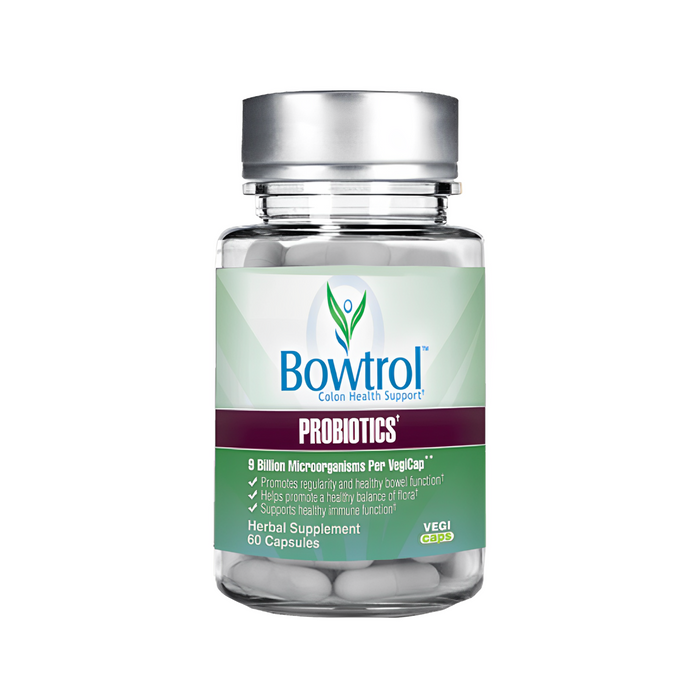
This research has given rise to the term "psychobiotics"—probiotics that confer mental health benefits. Bowtrol Probiotic, with its 9 billion CFU of Lactobacillus and Bifidobacterium strains, supports both gut health and the gut-brain axis that influences mental wellbeing.
Evidence-Based Supplements for Anxiety
Not all supplements are created equal. The following have substantial clinical evidence supporting their use for anxiety, published in peer-reviewed journals and recognized by major health institutions.
Ashwagandha: The Premier Adaptogen
Evidence Level: Strong
Ashwagandha (Withania somnifera) is an Ayurvedic herb with over 3,000 years of traditional use—and now robust clinical validation. It's classified as an adaptogen, meaning it helps the body adapt to stress.
Clinical evidence:
A 2019 randomized, double-blind, placebo-controlled study published in Medicine (Baltimore) examined 60 stressed adults taking 240mg of ashwagandha extract daily for 60 days. Results showed:
- Significant reduction in anxiety measured by the Hamilton Anxiety Rating Scale (HAM-A)
- 23% reduction in morning cortisol
- Improved sleep quality
- No significant adverse effects
A 2021 systematic review in the Journal of Alternative and Complementary Medicine analyzed 12 studies and concluded that ashwagandha significantly reduces stress and anxiety compared to placebo.
Mechanisms:
- HPA axis regulation: Normalizes cortisol levels and stress hormone rhythms
- GABAergic activity: Compounds in ashwagandha (withanolides) modulate GABA receptors
- Anti-inflammatory effects: Reduces neuroinflammation associated with chronic stress
- Neuroprotection: May support neuroplasticity and protect against stress-induced brain changes
Dosage: Most studies use 300-600mg daily of root extract standardized to withanolides. Effects typically noticed within 4-8 weeks.
Safety: Generally well-tolerated. May cause mild drowsiness. Avoid during pregnancy. Those with thyroid conditions should consult a healthcare provider as ashwagandha may affect thyroid function.
L-Theanine: Calm Without Sedation
Evidence Level: Strong
L-theanine is an amino acid found almost exclusively in tea leaves (Camellia sinensis). It's why tea can be simultaneously calming and alertness-promoting—the L-theanine balances caffeine's stimulating effects.
Clinical evidence:
A 2019 randomized controlled trial published in Nutrients examined 30 healthy adults. After just 4 weeks of 200mg L-theanine daily:
- Significant reduction in stress-related symptoms (anxiety, depression, sleep disturbances)
- Improved cognitive function
- Better sleep quality
A 2016 systematic review in Plant Foods for Human Nutrition found L-theanine promotes relaxation without drowsiness, increases alpha brain waves (associated with calm alertness), and may enhance attention and cognitive performance.
Mechanisms:
- Increases alpha brain waves: Produces a state of "wakeful relaxation"
- Modulates neurotransmitters: Increases GABA, serotonin, and dopamine in specific brain regions
- Reduces glutamate: May block glutamate receptors, reducing excitatory neurotransmission
- Crosses blood-brain barrier: Takes effect within 30-40 minutes of ingestion
Dosage: 100-400mg daily. Often taken in 100-200mg doses, 1-2 times daily. Can be taken as needed for acute stress.
Safety: Excellent safety profile with no significant adverse effects reported in clinical trials. Does not cause sedation or impair cognitive function. Can be combined with caffeine to reduce jitteriness while maintaining alertness.
Magnesium: The Relaxation Mineral
Evidence Level: Strong
Magnesium is involved in over 300 enzymatic reactions in the body, including many related to nervous system function. According to the NIH Office of Dietary Supplements, an estimated 50% of Americans don't get adequate magnesium from their diet.
Clinical evidence:
A 2017 systematic review published in Nutrients analyzed 18 studies and concluded that magnesium supplementation has beneficial effects on subjective anxiety, particularly in anxiety-prone individuals.
A 2020 study in PLoS ONE found that magnesium status is significantly associated with depression and anxiety symptoms—lower magnesium levels correlate with higher anxiety scores.
Mechanisms:
- GABA receptor modulation: Magnesium binds to and activates GABA receptors
- NMDA receptor regulation: Blocks excessive glutamate activity by regulating NMDA receptors
- HPA axis regulation: Helps normalize stress hormone responses
- Muscle relaxation: Reduces physical tension often accompanying anxiety
Dosage: 200-400mg daily. Forms matter: Magnesium glycinate is best for anxiety (the glycine has additional calming effects). Magnesium citrate is well-absorbed but more laxative. Avoid magnesium oxide (poorly absorbed).
Safety: Generally safe at recommended doses. High doses may cause loose stools. Those with kidney disease should consult a healthcare provider before supplementing.
Probiotics: Psychobiotics for Mental Health
Evidence Level: Moderate-Strong
The gut-brain axis research has revolutionized our understanding of how gut bacteria influence mental health. Specific probiotic strains—termed "psychobiotics"—have demonstrated anti-anxiety effects in clinical trials.
Clinical evidence:
A 2019 meta-analysis in General Psychiatry analyzing 21 studies found that probiotic interventions significantly reduce anxiety symptoms. Effects were strongest when:
- Using multi-strain formulations
- Treatment duration was 8+ weeks
- Participants had clinical anxiety levels
Research published in Brain, Behavior, and Immunity found that Lactobacillus rhamnosus reduced anxiety-related behavior in mice through vagus nerve signaling—an effect that disappeared when the vagus nerve was severed, confirming the gut-brain connection.
Best-studied strains for anxiety:
- Lactobacillus rhamnosus: Reduces anxiety and stress hormones
- Lactobacillus helveticus: Combined with B. longum, reduced anxiety and cortisol in human trials
- Bifidobacterium longum: Reduced cortisol and improved mood in stressed volunteers
- Lactobacillus acidophilus: Supports overall gut-brain axis health
Bowtrol Probiotic provides 9 billion CFU of beneficial bacteria including Lactobacillus acidophilus, supporting both digestive health and the gut-brain connection that influences mental wellbeing.
Dosage: 1-10 billion CFU daily. Multi-strain formulations appear most effective. Effects may take 4-8 weeks to manifest fully.
Omega-3 Fatty Acids: Brain Food for Mood
Evidence Level: Moderate
Omega-3 fatty acids, particularly EPA and DHA, are essential components of brain cell membranes and play crucial roles in neurotransmitter function and neuroinflammation.
Clinical evidence:
A 2018 meta-analysis in JAMA Network Open analyzed 19 clinical trials with 2,240 participants and found that omega-3 supplementation significantly reduced anxiety symptoms. Effects were most pronounced with higher EPA doses (2,000mg+ daily).
Research from Harvard Medical School notes that populations consuming high amounts of fatty fish have lower rates of anxiety and depression.
Mechanisms:
- Anti-inflammatory effects: Reduce neuroinflammation associated with anxiety
- Neurotransmitter function: Support serotonin and dopamine signaling
- Brain structure: Essential for brain cell membrane integrity
- HPA axis regulation: May help normalize stress hormone responses
Dosage: 1,000-2,000mg combined EPA/DHA daily. Higher EPA ratios may be more effective for mood. Choose quality fish oil products tested for purity.
Vitamin D: The Sunshine Vitamin for Mental Health
Evidence Level: Moderate
Vitamin D receptors are found throughout the brain, including regions involved in mood regulation. Research increasingly links vitamin D deficiency to anxiety and depression.
Clinical evidence:
A 2020 meta-analysis in Journal of Affective Disorders found that vitamin D supplementation significantly reduced anxiety symptoms, particularly in those with deficiency and in those taking higher doses (≥2000 IU/day).
According to the NIH, approximately 42% of American adults are vitamin D deficient—with higher rates in northern latitudes, darker-skinned individuals, and older adults.
Mechanisms:
- Neurotransmitter synthesis: Required for production of serotonin, dopamine, and norepinephrine
- Neuroinflammation: Modulates inflammatory pathways in the brain
- Neuroprotection: Supports brain cell health and neuroplasticity
Dosage: 1,000-4,000 IU daily, depending on baseline levels. Blood testing recommended to determine optimal dose. Target blood level: 30-50 ng/mL.
GABA Supplements: Do They Work?
Evidence Level: Limited/Controversial
Given GABA's central role in anxiety, it seems logical that GABA supplements would help. However, the evidence is complicated.
The blood-brain barrier question:
Conventional wisdom held that GABA molecules are too large to cross the blood-brain barrier. However, newer research challenges this assumption:
- A 2015 study in BioMed Research International found that GABA supplementation reduced anxiety and increased alpha brain waves in stressed individuals
- Some GABA may cross the blood-brain barrier, especially in individuals with increased permeability
- GABA may exert effects through the gut-brain axis rather than direct brain action
Dosage: Studies typically use 100-300mg. Effects may be individual—some people report benefits while others notice nothing.
Better approaches: Rather than supplementing GABA directly, supporting the body's own GABA production through magnesium, L-theanine, and B-vitamins may be more effective.
Other Promising Supplements
Curcumin:
The active compound in turmeric has anti-inflammatory and antioxidant properties relevant to mental health. A 2020 meta-analysis in Critical Reviews in Food Science and Nutrition found curcumin significantly reduced anxiety symptoms. Curcumin 2000 with BioPerine® provides enhanced absorption for maximum benefit.
Passionflower (Passiflora incarnata):
A 2001 study in the Journal of Clinical Pharmacy and Therapeutics found passionflower extract as effective as oxazepam (a benzodiazepine) for GAD, with fewer side effects. It likely works through GABA modulation.
Valerian root:
Traditional sleep and anxiety remedy. Evidence is mixed but suggests modest benefits for anxiety, particularly sleep-related anxiety. Works through GABA mechanisms.
Lemon balm (Melissa officinalis):
Research published in Nutrients shows lemon balm reduces anxiety and improves mood, likely through GABA enhancement and rosmarinic acid's calming effects.
B-vitamins:
Essential for neurotransmitter synthesis. B6 is required for GABA and serotonin production. B12 and folate deficiencies are linked to mood disorders. A good B-complex supports overall nervous system function.
Lifestyle Interventions That Rival Medication
Some of the most powerful anxiety treatments don't come in a bottle. The following lifestyle interventions have clinical evidence comparable to—and sometimes exceeding—pharmaceutical treatments.
Exercise: Nature's Anxiolytic
Evidence Level: Very Strong
Exercise may be the most underutilized treatment for anxiety. A groundbreaking 2021 meta-analysis in the British Journal of Sports Medicine analyzed 97 reviews covering 1,039 trials and 128,119 participants. The conclusion? Physical activity is highly effective for reducing symptoms of depression, anxiety, and psychological distress—with effects comparable to or exceeding medication for many individuals.
Mechanisms:
- Endorphin release: Exercise triggers release of mood-boosting endorphins
- BDNF increase: Brain-derived neurotrophic factor supports neuroplasticity and stress resilience
- HPA axis regulation: Regular exercise normalizes stress hormone responses
- Neurogenesis: Promotes growth of new brain cells in the hippocampus
- Reduces inflammation: Lowers systemic inflammation linked to anxiety
- Improves sleep: Better sleep reduces anxiety vulnerability
- Builds self-efficacy: Achievement in exercise translates to confidence in managing other challenges
How much exercise?
According to the American Psychological Association:
- Optimal: 150+ minutes moderate or 75+ minutes vigorous exercise weekly
- Any exercise helps: Even single sessions reduce acute anxiety
- Both cardio and strength training show benefits
- Consistency matters more than intensity
Practical recommendations:
- Start with walking—30 minutes daily produces measurable benefits
- Find activities you enjoy for sustainable practice
- Outdoor exercise provides additional benefits (nature exposure)
- Group exercise adds social connection benefits
- Morning exercise may be particularly beneficial for anxiety
Sleep: The Foundation of Mental Health
Evidence Level: Very Strong
Sleep and anxiety have a bidirectional relationship: anxiety disrupts sleep, and poor sleep worsens anxiety. Breaking this cycle is essential for managing anxiety.
Research from the University of California, Berkeley published in Nature Human Behaviour found that just one night of sleep deprivation increased anxiety levels by 30%. The study used brain imaging to show that sleep deprivation shut down the prefrontal cortex—the region that normally keeps anxiety in check—while amplifying activity in deeper emotional centers.
Sleep's impact on anxiety:
- Emotional processing: REM sleep helps process emotional experiences and reduce next-day reactivity
- Prefrontal cortex restoration: Sleep restores the brain's ability to regulate emotions
- Stress hormone regulation: Adequate sleep normalizes cortisol patterns
- Memory consolidation: Sleep helps the brain distinguish between real threats and false alarms
Sleep hygiene recommendations:
- 7-9 hours nightly for adults
- Consistent sleep/wake times—even on weekends
- Cool, dark, quiet bedroom
- No screens 1-2 hours before bed
- Limit caffeine after noon
- Establish a relaxing bedtime routine
- Address sleep disorders (sleep apnea, insomnia) with professional help
Meditation and Mindfulness: Rewiring the Anxious Brain
Evidence Level: Strong
Mindfulness meditation has moved from alternative practice to mainstream treatment, backed by rigorous research. According to Harvard Health Publishing, meditation can literally change brain structure in ways that reduce anxiety.
The science:
Research from Massachusetts General Hospital using MRI brain scans found that after 8 weeks of mindfulness practice:
- Amygdala gray matter decreased—correlating with reduced stress
- Prefrontal cortex activity increased—enhancing emotional regulation
- Hippocampus density increased—improving context processing
A 2014 meta-analysis in JAMA Internal Medicine analyzed 47 trials with 3,515 participants and found that mindfulness meditation programs showed moderate evidence for improving anxiety.
Types of meditation for anxiety:
- Mindfulness-Based Stress Reduction (MBSR): 8-week structured program with strong evidence
- Loving-kindness meditation: Reduces self-criticism common in anxiety
- Body scan meditation: Reduces physical tension and improves interoception
- Breath-focused meditation: Activates parasympathetic nervous system
How to start:
- Begin with 5-10 minutes daily
- Use guided meditations (apps like Headspace, Calm, or Insight Timer)
- Consistency matters more than duration
- Expect thoughts—meditation isn't about stopping thoughts but noticing them
- Benefits accumulate over time—8+ weeks for structural brain changes
Breathing Techniques for Immediate Relief
Evidence Level: Strong
Breathing is the only autonomic function you can consciously control—making it a powerful lever for influencing your nervous system state. Research published in Frontiers in Human Neuroscience confirms that specific breathing patterns can shift the body from sympathetic (fight-or-flight) to parasympathetic (rest-and-digest) dominance within minutes.
4-7-8 Breathing (Dr. Andrew Weil):
- Exhale completely through your mouth
- Inhale through your nose for 4 seconds
- Hold your breath for 7 seconds
- Exhale slowly through your mouth for 8 seconds
- Repeat 4 cycles
The extended exhale activates the parasympathetic nervous system. Use during acute anxiety or before bed.
Box Breathing (Navy SEAL technique):
- Inhale for 4 seconds
- Hold for 4 seconds
- Exhale for 4 seconds
- Hold for 4 seconds
- Repeat 4+ cycles
Used by military and first responders to maintain calm in high-stress situations.
Physiological Sigh (Stanford research):
Research from Stanford published in Cell Reports Medicine (2023) found this technique most effective for immediate stress relief:
- Take a deep breath in through your nose
- At the top, take a second, shorter breath to fully expand your lungs
- Slowly exhale through your mouth (longer than the inhale)
- Repeat 2-3 times
The double-inhale fully expands alveoli in the lungs, maximizing oxygen intake and CO2 release, which rapidly reduces physiological stress markers.
Nutrition for a Calmer Mind
What you eat directly influences your brain chemistry, gut microbiome, inflammation levels, and blood sugar stability—all factors in anxiety.
Foods That Reduce Anxiety
Research supports the following foods for anxiety management:
- Fatty fish (salmon, mackerel, sardines): High in omega-3s that reduce neuroinflammation
- Fermented foods (yogurt, kefir, sauerkraut, kimchi): Support gut-brain axis health
- Dark chocolate (70%+ cacao): Contains flavonoids that improve mood and reduce stress hormones
- Green leafy vegetables: High in magnesium and folate
- Nuts (especially almonds, walnuts): Magnesium, zinc, and healthy fats
- Seeds (pumpkin, sunflower, chia): Zinc, magnesium, tryptophan
- Turmeric: Curcumin's anti-inflammatory effects extend to the brain
- Green tea: L-theanine promotes calm alertness
- Blueberries: Antioxidants that reduce oxidative stress in the brain
- Eggs: Complete protein with choline for acetylcholine production
- Turkey: Tryptophan—precursor to serotonin
- Oats: Complex carbohydrates support serotonin production
Foods That Worsen Anxiety
- Sugar and refined carbohydrates: Blood sugar spikes and crashes trigger stress hormone release and worsen anxiety symptoms
- Artificial sweeteners: Some research links aspartame to increased anxiety and depression
- Processed foods: Inflammatory, often high in additives that may affect mood
- Trans fats: Associated with increased inflammation and depression
- Excessive sodium: Can increase blood pressure and physical anxiety symptoms
- Food sensitivities: Individual reactions to gluten, dairy, or other foods can manifest as anxiety in some people
Caffeine and Alcohol: The Anxiety Connection
Caffeine:
Caffeine is the world's most widely consumed psychoactive substance—and it has complex effects on anxiety. According to research published in the Journal of Clinical Psychiatry:
- Caffeine blocks adenosine receptors, increasing alertness but also potentially triggering anxiety in sensitive individuals
- High doses (400mg+) can produce symptoms indistinguishable from anxiety attacks
- People with anxiety disorders are often more sensitive to caffeine
- Caffeine can worsen sleep, indirectly increasing anxiety
Recommendation: If you have anxiety, limit caffeine to 200mg/day (about 2 cups of coffee), consume before noon, and consider a 2-week elimination to assess your individual sensitivity.
Alcohol:
Many people use alcohol to "calm nerves," but this backfires:
- Initial effect: Alcohol enhances GABA, producing temporary calm
- Rebound effect: As alcohol clears, GABA drops and glutamate surges, often causing heightened anxiety
- "Hangxiety": Next-day anxiety from alcohol is extremely common
- Disrupted sleep: Alcohol prevents restorative deep sleep
- Long-term: Regular drinking dysregulates GABA receptors, increasing baseline anxiety
Research from the ADAA notes that approximately 20% of people with social anxiety disorder have alcohol dependence—often from self-medication that worsens the underlying condition.
Cognitive Strategies for Managing Anxious Thoughts
Anxiety isn't just physiological—thought patterns play a crucial role. Cognitive-Behavioral Therapy (CBT) is the gold-standard psychological treatment for anxiety, and its core strategies can be practiced independently.
Common cognitive distortions in anxiety:
- Catastrophizing: Assuming the worst possible outcome
- Mind reading: Assuming you know what others think (negatively)
- Fortune telling: Predicting negative futures with false certainty
- Black-and-white thinking: No middle ground—things are perfect or disasters
- Overgeneralization: One negative event means everything is negative
- Should statements: Rigid rules that create pressure and guilt
Challenging anxious thoughts:
- Identify the thought: "What am I telling myself right now?"
- Examine the evidence: "What facts support or contradict this thought?"
- Consider alternatives: "What's another way to look at this situation?"
- Assess probability: "How likely is this feared outcome, realistically?"
- Decatastrophize: "If the worst happened, could I cope? Have I coped before?"
- Test predictions: "Can I do a small experiment to check this assumption?"
The worry time technique:
Rather than fighting worries all day, designate a specific 15-30 minute "worry time." When anxious thoughts arise, note them and postpone to worry time. During worry time, work through the list using cognitive strategies. This reduces overall time spent worrying while preventing suppression (which backfires).
Natural Approaches vs. Medication: What the Research Says
This isn't an either/or question. Both natural and pharmaceutical approaches have their place. Here's what the research shows:
When natural approaches may be sufficient:
- Mild to moderate anxiety
- Situational or occasional anxiety
- Anxiety responsive to lifestyle changes
- When side effects from medications are intolerable
- As maintenance after acute treatment
- When combined comprehensively (exercise + nutrition + supplements + sleep + stress management)
When medication may be necessary:
- Severe anxiety interfering with daily function
- Panic disorder with frequent attacks
- Co-occurring depression or other conditions
- When natural approaches alone are insufficient
- During crisis periods for rapid stabilization
- As part of a comprehensive treatment plan alongside therapy
Important perspective: The American Psychological Association notes that the most effective treatment for anxiety disorders combines medication (when needed), psychotherapy (particularly CBT), and lifestyle modifications. Natural approaches can enhance any treatment plan and may reduce medication requirements over time.
When to Seek Professional Help
Natural approaches are valuable, but they have limits. Seek professional help if you experience:
- Anxiety so severe it interferes with work, relationships, or daily activities
- Panic attacks (sudden intense fear with physical symptoms)
- Persistent anxiety lasting months without improvement
- Thoughts of self-harm or suicide
- Substance use to cope with anxiety
- Physical symptoms requiring medical evaluation
- Anxiety following trauma
- Complete avoidance of necessary activities (leaving home, work, social situations)
Types of professional help:
- Primary care physician: Rule out medical causes, initial treatment
- Psychiatrist: Medication management, complex cases
- Psychologist/Therapist: CBT, exposure therapy, other evidence-based therapies
- Psychiatric Nurse Practitioner: Medication and some therapy
Resources:
- SAMHSA National Helpline: 1-800-662-4357 (free, confidential, 24/7)
- Crisis Text Line: Text HOME to 741741
- National Suicide Prevention Lifeline: 988
- ADAA Therapist Directory: adaa.org/find-help
Building Your Personalized Anti-Anxiety Protocol
Based on the evidence reviewed, here's how to construct an effective natural anxiety management plan:
Foundation Layer (Essential for Everyone):
- Sleep optimization: 7-9 hours nightly with consistent timing
- Regular exercise: 150+ minutes moderate activity weekly
- Anti-inflammatory nutrition: Whole foods, omega-3s, minimal sugar
- Caffeine and alcohol moderation: Assess your individual sensitivity
- Daily stress management practice: Meditation, breathing, or similar (10+ minutes)
Supplement Layer (Add Based on Individual Needs):
- Magnesium glycinate: 200-400mg daily—most people are deficient
- Vitamin D: 1,000-4,000 IU daily (test levels first if possible)
- Probiotics: Multi-strain formula like Bowtrol Probiotic for gut-brain support
- Omega-3s: 1,000-2,000mg EPA/DHA if not eating fatty fish regularly
Targeted Support (For Moderate-Severe Anxiety):
- Ashwagandha: 300-600mg daily standardized extract
- L-Theanine: 200-400mg daily or as needed for acute stress
- Curcumin: For anti-inflammatory support—Curcumin 2000 with enhanced absorption
Acute Anxiety Tools (For Immediate Relief):
- Breathing techniques (4-7-8, box breathing, physiological sigh)
- L-theanine (100-200mg—works within 30-40 minutes)
- Cold water on face (activates dive reflex, slows heart rate)
- 5-4-3-2-1 grounding (name 5 things you see, 4 you hear, etc.)
- Brief walk or movement
Implementation timeline:
- Week 1-2: Implement foundation layer (sleep, exercise, nutrition)
- Week 3-4: Add basic supplements (magnesium, vitamin D, probiotics)
- Week 5-8: Add targeted supplements if needed (ashwagandha, L-theanine)
- Ongoing: Refine based on response, maintain practices that work
Conclusion: A Holistic Approach to Anxiety Management
Anxiety is not a personal failing—it's a physiological state with identifiable causes and evidence-based solutions. The research is clear: natural approaches can be profoundly effective, sometimes rivaling pharmaceutical treatments in their impact.
The key insights from this comprehensive review:
- Anxiety has biological roots: Neurotransmitter imbalances, HPA axis dysregulation, gut-brain axis dysfunction, and neuroinflammation all contribute. Understanding these mechanisms reveals why specific interventions work.
- The gut-brain connection is real: With 95% of serotonin produced in the gut and emerging psychobiotic research, supporting gut health through probiotics is a legitimate mental health strategy.
- Certain supplements have strong evidence: Ashwagandha, L-theanine, and magnesium have multiple randomized controlled trials supporting their anxiolytic effects. They work through identified mechanisms without the side effects of pharmaceuticals.
- Lifestyle factors are powerful medicine: Exercise rivals medication in effectiveness. Sleep deprivation increases anxiety by 30%. Meditation literally changes brain structure. These aren't soft recommendations—they're evidence-based treatments.
- Nutrition matters: Blood sugar stability, omega-3 intake, and anti-inflammatory eating all influence anxiety. What you eat changes your brain chemistry.
- Cognitive strategies complement physical approaches: Thought patterns perpetuate anxiety. Learning to identify and challenge cognitive distortions breaks the cycle.
- Natural and conventional approaches can complement each other: This isn't either/or. Natural approaches can reduce medication needs, enhance effectiveness, and provide tools for long-term management.
Anxiety management is not about finding a single solution—it's about building a comprehensive system. The most resilient individuals layer multiple evidence-based approaches: solid sleep and exercise foundations, targeted supplementation, stress management practices, and cognitive tools.
Start where you are. Implement changes gradually. Give approaches adequate time to work (most supplements need 4-8 weeks). Track your response. Adjust based on what works for your unique biology.
You have more power over your anxiety than you might believe. The science supports it. The evidence is there. Now it's time to put it into practice.
References & Sources
This article synthesizes research from peer-reviewed sources including:
- National Institute of Mental Health (NIMH) – nimh.nih.gov
- American Psychological Association (APA) – apa.org
- Anxiety and Depression Association of America (ADAA) – adaa.org
- Harvard Health Publishing – health.harvard.edu
- Mayo Clinic – mayoclinic.org
- Cleveland Clinic – clevelandclinic.org
- World Health Organization (WHO) – who.int
- JAMA Psychiatry
- Journal of Clinical Psychiatry
- Journal of Affective Disorders
- British Journal of Sports Medicine
- Nature Human Behaviour
- Nutrients
- Psychoneuroendocrinology
- Brain, Behavior, and Immunity
- General Psychiatry
- JAMA Internal Medicine
- Cell Reports Medicine
Individual studies are available through PubMed (pubmed.ncbi.nlm.nih.gov) and institutional repositories.