Menopause is one of the most significant biological transitions in a woman's life—yet it remains shrouded in stigma, misinformation, and insufficient support. Over 1.3 million women enter menopause each year in the United States alone, and approximately 75% experience symptoms that significantly impact their quality of life. This comprehensive guide—backed by research from Harvard Medical School, the Mayo Clinic, and the North American Menopause Society—provides the evidence-based information you need to understand, manage, and even thrive during this transformative life stage.
Introduction: Understanding the Menopause Transition
Menopause isn't a disease—it's a natural biological process marking the end of reproductive years. Yet the experience of menopause is far more complex than simply "no more periods." The hormonal shifts that occur can affect virtually every system in the body, from temperature regulation and sleep to mood, metabolism, and cognition.
Consider these statistics:
- Average age of menopause: 51 years in the US
- Perimenopause duration: 4-8 years on average, sometimes up to 10 years
- Hot flashes: Affect up to 80% of women, lasting an average of 7 years
- Sleep disruption: Reported by 40-60% of menopausal women
- Weight gain: Average of 5-8 pounds during the transition
- Vaginal atrophy: Eventually affects up to 50% of postmenopausal women
- Mood symptoms: 20-40% experience significant anxiety or depression
Despite affecting every woman who lives past midlife, menopause has historically received inadequate medical attention, research funding, and public discussion. The result is that many women suffer unnecessarily, unaware that effective treatments—both natural and medical—exist for most symptoms.
This guide empowers you with comprehensive knowledge about what's happening in your body, what symptoms to expect, and the full range of evidence-based solutions available. Whether you're just entering perimenopause or are years into postmenopause, you'll find actionable strategies to improve your quality of life.
What Is Menopause? Defining the Stages
The "menopause transition" isn't a single event but a continuum spanning several years. Understanding the stages helps you recognize where you are and what to expect.
Perimenopause: The Transition Phase
Perimenopause (literally "around menopause") is the transitional phase when hormones begin fluctuating and symptoms typically start. Key characteristics:
When it begins: Most commonly in the mid-40s, but can start as early as late 30s
Duration: 4-8 years on average, sometimes longer
What's happening:
- Ovaries produce less consistent amounts of estrogen and progesterone
- Hormone levels fluctuate unpredictably—sometimes higher than normal, sometimes lower
- Ovulation becomes irregular
- Menstrual cycles may become shorter, longer, heavier, lighter, or skip altogether
Perimenopause symptoms often include:
- Irregular periods
- Hot flashes and night sweats (often beginning here)
- Sleep disturbances
- Mood changes
- Breast tenderness
- Worsening PMS
- Decreased fertility (though pregnancy is still possible)
Important: During perimenopause, hormone levels can swing wildly, sometimes causing symptoms of both high and low estrogen. This is often the most symptomatic phase of the transition.
Menopause: The Milestone
Menopause itself is a specific point in time—defined as having gone 12 consecutive months without a menstrual period (in the absence of other causes like pregnancy, breastfeeding, or medical conditions).
Average age: 51 years (range: 45-55 is considered normal)
What's happened:
- Ovaries have stopped releasing eggs
- Estrogen and progesterone production has dropped to very low levels
- Menstruation has permanently ended
- Natural fertility has ended
Menopause is confirmed retrospectively—you know you've reached it only after a full year without periods. Any bleeding after this point is considered postmenopausal bleeding and should be evaluated by a doctor.
Postmenopause: Life After
Postmenopause refers to all the years after menopause. Many women find that some symptoms (like hot flashes) gradually improve during this phase, while others (like vaginal dryness) may worsen without treatment.
Key considerations for postmenopause:
- Bone density loss accelerates (highest risk for osteoporosis)
- Cardiovascular disease risk increases
- Genitourinary symptoms may develop or worsen
- Metabolic changes continue to affect weight and body composition
- Many women report feeling better overall once hormone levels stabilize
The Hormonal Changes of Menopause
Understanding the hormonal shifts helps explain why menopause affects so many body systems.
Estrogen: The Master Female Hormone
Estrogen isn't just a reproductive hormone—it has receptors throughout the body and influences:
- Brain: Mood, cognition, temperature regulation
- Cardiovascular system: Blood vessel flexibility, cholesterol levels
- Bones: Bone formation and maintenance
- Skin: Collagen production, moisture retention
- Vaginal and urinary tract: Tissue health, lubrication
- Metabolism: Fat distribution, insulin sensitivity
During menopause, estrogen levels drop by approximately 90%. The ovaries continue producing small amounts, and fat tissue converts androgens to estrogen (one reason some body fat may be protective), but overall levels are dramatically reduced.
Progesterone Changes
Progesterone, produced mainly after ovulation, drops earlier than estrogen in perimenopause (since ovulation becomes irregular). Low progesterone relative to estrogen can cause:
- Heavy or prolonged periods
- Breast tenderness
- Water retention
- Sleep disturbances (progesterone has calming effects)
- Anxiety or irritability
Testosterone in Women
Yes, women produce testosterone too—and it matters. Testosterone contributes to:
- Libido and sexual response
- Muscle mass and strength
- Energy and vitality
- Mood and well-being
Testosterone declines gradually throughout adulthood but doesn't drop as dramatically at menopause as estrogen does. However, relative changes can still affect how women feel.
Menopause Symptoms: The Complete List
Menopause can cause over 30 different symptoms affecting virtually every body system. Here's a comprehensive look at what women may experience.
Vasomotor Symptoms (Hot Flashes & Night Sweats)
The hallmark symptoms of menopause, affecting up to 80% of women:
Hot flashes:
- Sudden feeling of intense heat, usually starting in the chest and spreading to face and neck
- Often accompanied by flushing (visible redness) and sweating
- Typically last 1-5 minutes
- Can occur multiple times daily or just occasionally
- Often followed by chills as the body overcompensates
- Average duration: 7 years (some women have them for much longer)
Night sweats:
- Hot flashes that occur during sleep
- Can drench sheets and pajamas
- Significantly disrupt sleep quality
- Often more severe than daytime hot flashes
What causes them: The hypothalamus (body's thermostat) becomes more sensitive to slight changes in body temperature when estrogen declines. Minor temperature increases trigger a full cooling response (sweating, blood vessel dilation).
Sleep Disturbances & Insomnia
Sleep problems affect 40-60% of menopausal women:
- Difficulty falling asleep
- Waking during the night (from night sweats or independently)
- Waking too early
- Non-restorative sleep (waking tired)
Contributing factors:
- Night sweats disrupting sleep
- Decreased progesterone (has sedative effects)
- Increased cortisol
- Mood changes (anxiety, depression)
- Increased need to urinate at night
Poor sleep compounds other symptoms, affecting mood, weight, cognition, and overall quality of life.
Mood Changes, Anxiety & Depression
Hormonal fluctuations significantly impact brain chemistry:
- Irritability: Often worse during perimenopause when hormones fluctuate most
- Anxiety: New-onset anxiety or worsening of pre-existing anxiety; panic attacks may occur
- Depression: Risk increases 2-4x during perimenopause; those with history of depression are at higher risk
- Mood swings: Rapid shifts similar to PMS but potentially more intense
- Decreased stress tolerance: Things that wouldn't have bothered you before may feel overwhelming
The perimenopause transition is a particularly vulnerable time for depression. This isn't "just hormones"—it's a real biological change that can require treatment.
Brain Fog & Cognitive Changes
Many women report cognitive symptoms:
- Difficulty concentrating
- Memory lapses (especially word-finding difficulties)
- "Brain fog" or fuzzy thinking
- Difficulty multitasking
Good news: Research suggests these cognitive symptoms are mostly temporary. Most women's cognition returns to baseline in postmenopause. The symptoms may relate more to sleep disruption and vasomotor symptoms than to estrogen itself.
Weight Gain & Metabolic Changes
Most women gain weight during midlife, averaging 5-8 pounds during the menopause transition. But it's not just about the number on the scale:
- Body composition shift: Fat redistributes from hips/thighs to abdomen (visceral fat)
- Muscle loss: Accelerated loss of lean muscle mass
- Metabolic slowdown: Basal metabolic rate decreases
- Insulin resistance: Increased risk of blood sugar dysregulation
Why it happens:
- Estrogen influences where fat is stored; less estrogen = more abdominal fat
- Muscle mass naturally declines with age, reducing calorie burn
- Sleep disruption affects hunger hormones and metabolism
- Stress and lifestyle factors compound the effects
This shift in body composition increases cardiovascular and metabolic disease risk, making weight management during menopause particularly important.
Vaginal & Urinary Symptoms
Genitourinary syndrome of menopause (GSM) affects up to 50% of postmenopausal women and typically worsens over time without treatment:
Vaginal symptoms:
- Dryness and decreased lubrication
- Itching or burning
- Pain with intercourse (dyspareunia)
- Decreased elasticity
- Vaginal atrophy (thinning of vaginal walls)
- Changed discharge
- Increased susceptibility to vaginal infections
Urinary symptoms:
- Urinary frequency or urgency
- Recurrent urinary tract infections (UTIs)
- Stress incontinence (leaking with cough, sneeze, exercise)
- Urge incontinence
- Pain with urination
Unlike hot flashes, which often improve over time, GSM symptoms typically don't resolve on their own and often require intervention.
Hair & Skin Changes
Hair:
- Thinning hair on scalp
- Hair loss (female pattern hair loss often emerges or worsens)
- Unwanted facial hair (estrogen decline unmasks testosterone effects)
- Changes in hair texture
Skin:
- Dryness (estrogen supports skin moisture)
- Thinning skin
- Decreased collagen (skin loses ~30% of collagen in first 5 years after menopause)
- Increased wrinkles
- Slower wound healing
- Changes in sensation (sometimes crawling or itching sensations)
Joint & Muscle Pain
Musculoskeletal symptoms are common but often overlooked:
- Joint pain and stiffness
- Muscle aches
- Increased risk of frozen shoulder
- Worsening of existing arthritis
Why it happens: Estrogen has anti-inflammatory effects and supports joint health. Its decline can increase inflammation. Poor sleep and reduced physical activity compound these effects.
For inflammation-related joint pain, anti-inflammatory support from supplements like Curcumin 2000 can provide relief alongside other strategies.
Other Common Symptoms
Cardiovascular:
- Heart palpitations (often accompany hot flashes)
- Increased blood pressure
- Changing cholesterol profile
Other:
- Headaches (may worsen or improve)
- Breast tenderness (especially perimenopause)
- Tinnitus (ringing in ears)
- Dizziness
- Electric shock sensations
- Burning mouth syndrome
Hot Flash & Night Sweat Relief: Evidence-Based Solutions
Hot flashes are the most common menopause complaint, affecting up to 80% of women, and fortunately, multiple effective treatments exist. Understanding the science behind hot flashes helps explain why certain treatments work.
The science of hot flashes:
Hot flashes originate in the hypothalamus, your brain's thermostat. During menopause, the thermoregulatory zone (the range of body temperatures your brain considers "normal") narrows significantly. What this means: tiny increases in core body temperature—increases that wouldn't have triggered any response before—now set off a full cooling cascade.
When your brain perceives you're "overheating" (even by a fraction of a degree), it initiates rapid cooling: blood vessels dilate (causing the flush), sweating begins, and heart rate increases. This response is appropriate for actual overheating but excessive when triggered by normal temperature variations.
Severity varies widely:
- Mild: Brief warmth, minimal sweating, not disruptive
- Moderate: Noticeable flushing, sweating, uncomfortable but manageable
- Severe: Drenching sweats, significant distress, disrupts activities and sleep
Frequency ranges from rare (few per week) to very frequent (20+ per day). Night sweats—hot flashes during sleep—often cause the most distress because they disrupt the restorative sleep your body desperately needs during this transition.
Identifying & Avoiding Triggers
Many women find certain triggers make hot flashes worse:
- Heat: Hot weather, saunas, hot tubs, overdressing
- Hot beverages: Coffee, tea, hot chocolate
- Alcohol: Especially red wine
- Spicy foods: Capsaicin in particular
- Caffeine: Even cold caffeinated beverages
- Stress: Emotional triggers can spark hot flashes
- Smoking: Smokers have more frequent, severe hot flashes
- Sugar: Blood sugar spikes may trigger some women
Keep a hot flash diary for 1-2 weeks to identify your personal triggers.
Lifestyle Modifications for Hot Flashes
Dress strategies:
- Wear layers that can be removed
- Choose natural, breathable fabrics (cotton, linen, moisture-wicking)
- Keep a small fan or handheld fan nearby
- Use cooling towels or ice packs
Sleep environment:
- Keep bedroom cool (65-68°F / 18-20°C)
- Use moisture-wicking sheets and pajamas
- Consider a cooling mattress pad or pillow
- Keep a fan or AC accessible
Behavioral techniques:
- Paced breathing: Slow, deep abdominal breathing can reduce hot flash intensity
- Cognitive behavioral therapy (CBT): Proven to reduce hot flash distress
- Clinical hypnosis: Studies show significant reduction in hot flashes
- Mindfulness: May not reduce frequency but helps manage response
Weight management: Overweight women tend to have more severe hot flashes (paradoxically, since fat produces estrogen). Weight loss can significantly reduce symptoms.
Natural Remedies for Hot Flashes
Several natural approaches have evidence for hot flash relief:
Phytoestrogens:
- Soy isoflavones: Studies show modest reduction in hot flashes, particularly in Asian populations
- Red clover: Contains isoflavones; some evidence for hot flash reduction
- Ground flaxseed: Contains lignans; may help some women
Botanical supplements:
- Black cohosh: Most studied herb for hot flashes; modest evidence of benefit
- Evening primrose oil: May help some women
- Rhubarb extract (Siberian rhubarb): Shows promise in studies
Lifestyle integration:
- Regular exercise (though may trigger hot flashes short-term, reduces them long-term)
- Stress reduction techniques
- Adequate sleep
Managing Menopause Weight Gain
Why Weight Gain Happens
Menopause weight gain is multifactorial:
- Metabolic slowdown: Basal metabolic rate drops approximately 5% per decade after 40
- Muscle loss: Losing muscle means burning fewer calories at rest
- Hormonal shifts: Lower estrogen promotes abdominal fat storage
- Insulin resistance: Cells become less responsive to insulin
- Sleep disruption: Poor sleep increases hunger hormones
- Stress: Elevated cortisol promotes abdominal fat
- Decreased activity: Many women become less active during this period
Optimal Diet for Menopause
Key principles:
- Prioritize protein: Aim for 1.0-1.2g per kg body weight daily to preserve muscle. Include protein at every meal
- Reduce refined carbs: Choose whole grains over refined; limit added sugars
- Healthy fats: Olive oil, avocados, nuts, fatty fish—support hormone production and satiety
- Fiber: 25-30g daily for gut health, blood sugar control, and satiety
- Phytoestrogen-rich foods: Soy, flaxseed, sesame seeds
- Calcium and Vitamin D: Critical for bone health during this period
Mediterranean diet is particularly well-suited for menopause—it's anti-inflammatory, supports heart and bone health, and is associated with easier weight management.
For additional weight management support, natural supplements like African Mango Lean can complement dietary changes by supporting healthy metabolism and appetite regulation.
Exercise Strategies for Midlife
Resistance training is essential:
- Preserves and builds muscle mass
- Supports bone density
- Boosts metabolism
- Improves insulin sensitivity
- Aim for 2-3 sessions per week, targeting all major muscle groups
Cardiovascular exercise:
- 150-300 minutes moderate intensity or 75-150 minutes vigorous per week
- HIIT (High-Intensity Interval Training) may be particularly effective for belly fat
- Walking is excellent—aim for 8,000-10,000 steps daily
Flexibility and balance:
- Yoga—also helps with stress, sleep, and hot flashes
- Pilates—core strength and flexibility
- Regular stretching
Vaginal Health & Intimate Wellness
Genitourinary syndrome of menopause (GSM) significantly impacts quality of life and relationships, yet many women suffer in silence due to embarrassment or believing nothing can be done. Help is absolutely available, and seeking treatment is an important act of self-care.
Why this matters beyond comfort:
Vaginal and urinary health aren't just about sexual function—they affect daily quality of life. Vaginal dryness can cause constant discomfort. Recurrent UTIs mean repeated courses of antibiotics. Urinary incontinence can limit activities and cause social embarrassment. These symptoms are not something you simply have to accept as part of aging.
The progressive nature of GSM:
Unlike hot flashes which often improve over time, vaginal and urinary symptoms typically worsen progressively without treatment. The tissues become thinner, drier, and less elastic year after year. Early intervention is more effective than waiting until symptoms are severe. Starting treatment at the first signs of discomfort produces better long-term outcomes.
Understanding Vaginal Atrophy
Without estrogen, the vaginal tissue undergoes significant changes:
- Thinning of vaginal walls (from multiple cell layers to just a few)
- Decreased blood flow
- Reduced natural lubrication
- Changed pH (becomes less acidic, increasing infection risk)
- Loss of elasticity
- Shortened vaginal canal
Unlike hot flashes, these changes are progressive without treatment. Early intervention is key.
Solutions for Vaginal Dryness
Non-hormonal options:
- Vaginal moisturizers: Applied regularly (not just before sex) to maintain tissue hydration
- Lubricants: Used during sexual activity; water-based or silicone-based options
- Regular sexual activity: Maintains blood flow and tissue health ("use it or lose it")
- Hyaluronic acid: Vaginal preparations can help hydrate tissue
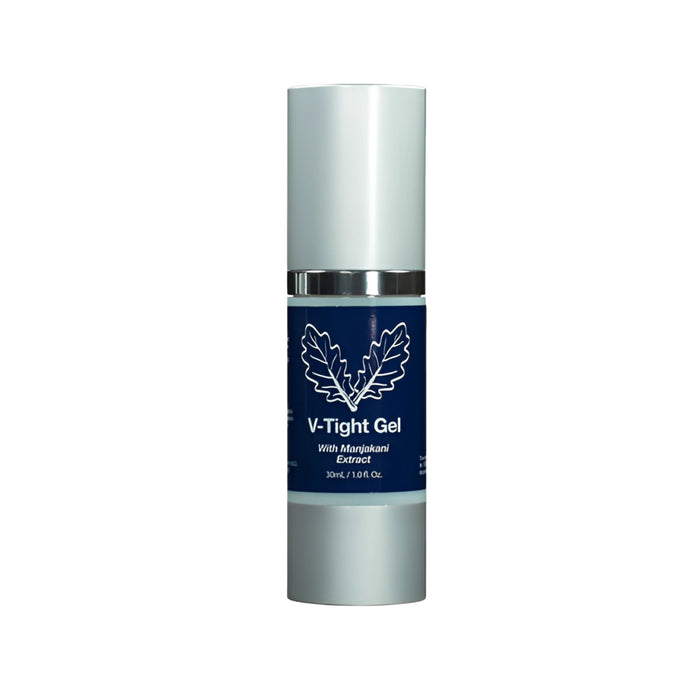
For comprehensive intimate wellness support, V-Tight Gel helps address vaginal dryness and loss of elasticity with natural ingredients including manjakani extract and aloe vera—providing moisture and tightening support that many menopausal women need.
Local estrogen therapy:
- Very effective for vaginal/urinary symptoms
- Minimal systemic absorption (considered safe even for many who can't take systemic HRT)
- Available as cream, tablet, or ring
- Usually requires prescription
DHEA vaginal inserts:
- Prasterone (Intrarosa)—FDA-approved for painful sex
- Converts to estrogen and testosterone locally
Maintaining Sexual Health
Menopause affects sexuality through multiple pathways:
- Physical: Vaginal dryness, pain with intercourse
- Hormonal: Decreased libido from hormone changes
- Psychological: Body image changes, mood symptoms
- Relationship: Partner dynamics, communication
Strategies for maintaining sexual wellness:
- Address vaginal health proactively
- Communicate openly with partner
- Explore different forms of intimacy
- Consider pelvic floor physical therapy
- Manage stress and prioritize self-care
- Address relationship issues if present
Sleep Solutions for Menopause
Quality sleep is crucial for managing all other menopause symptoms—it's not an exaggeration to say that improving sleep can improve everything else. Poor sleep worsens hot flashes, mood, weight gain, cognitive function, and overall health. Yet 40-60% of menopausal women report significant sleep problems. Breaking this cycle is essential.
Why menopause disrupts sleep:
- Night sweats: The most obvious culprit—waking drenched disrupts sleep architecture
- Progesterone decline: Progesterone has natural sedative properties; its loss affects sleep quality
- Estrogen effects: Estrogen influences sleep-regulating neurotransmitters
- Increased cortisol: Stress hormones rise, making deep sleep harder to achieve
- Mood symptoms: Anxiety and racing thoughts interfere with falling asleep
- Bladder changes: Increased nighttime urination disrupts sleep
- Pain: Joint and muscle pain may worsen at night
The sleep-symptom cycle:
Poor sleep worsens other menopause symptoms, which in turn worsen sleep—creating a vicious cycle. Breaking this cycle is a priority. Sometimes improving sleep is the single most impactful intervention for overall menopause management.
Sleep hygiene strategies:
- Consistent sleep schedule (same bedtime/wake time daily)
- Cool, dark, quiet bedroom
- Limit screen time before bed
- Avoid caffeine after noon; limit alcohol
- Regular exercise (but not too close to bedtime)
Managing night sweats:
- Cooling bedroom environment
- Moisture-wicking sleepwear and bedding
- Keep cold water and a fan by the bed
- Consider separate blankets if sleeping with a partner
Supplements that may help:
- Magnesium: Promotes relaxation and sleep quality
- Valerian: Traditional sleep support
- Melatonin: May help reset sleep cycles
- Ashwagandha: Adaptogen that can improve sleep quality
When to seek help: If sleep problems persist despite good sleep hygiene, consult a doctor. Sleep apnea risk increases after menopause, and other sleep disorders may need evaluation.
Mood & Mental Health During Menopause
The mental health impact of menopause is profound yet often underrecognized. Hormonal changes directly affect brain chemistry, while life circumstances and physical symptoms compound the effects. Understanding this is crucial: mood changes during menopause are not weakness, not "just in your head," and not something you should simply push through. They are biological realities that deserve attention and treatment.
The neuroscience of menopause mood changes:
Estrogen profoundly influences brain function. It modulates serotonin (affecting mood and anxiety), dopamine (affecting motivation and pleasure), norepinephrine (affecting energy and alertness), and GABA (affecting calm and sleep). When estrogen fluctuates wildly during perimenopause, these neurotransmitter systems become unstable. This is why many women feel like they're on an emotional rollercoaster—because neurochemically, they are.
The perfect storm of midlife:
Biological changes occur alongside significant life stressors that often peak during this period: career demands (often at senior levels with high responsibility), caring for aging parents, children leaving home (or returning), relationship changes, financial pressures, health concerns (for self or family members), and confronting aging and mortality. The combination of biological vulnerability and life stress can overwhelm even the most resilient women.
Managing Menopause Anxiety
New-onset anxiety or worsening of existing anxiety is common during perimenopause:
Why it happens:
- Fluctuating estrogen affects serotonin and other neurotransmitters
- Progesterone (which has calming effects) declines
- Sleep disruption exacerbates anxiety
- Life stressors often peak during this period (aging parents, career pressures, children leaving home)
Management strategies:
- Exercise: Proven anxiety reducer; aim for daily activity
- Mindfulness and meditation: Regular practice shows significant benefits
- Cognitive behavioral therapy (CBT): Highly effective for menopause-related anxiety
- Limit caffeine and alcohol: Both worsen anxiety
- Prioritize sleep: Sleep deprivation dramatically increases anxiety
- Social support: Stay connected with friends and family
Supplements for anxiety:
- Ashwagandha
- L-theanine
- Magnesium
- Rhodiola
Depression & Menopause
The perimenopause transition is a high-risk period for depression, particularly for women with:
- History of depression or postpartum depression
- Severe vasomotor symptoms
- Significant life stressors
- Negative attitudes toward menopause/aging
- Surgical menopause
Warning signs to watch for:
- Persistent sadness or hopelessness
- Loss of interest in activities you used to enjoy
- Changes in appetite or weight
- Sleep changes beyond night sweats
- Fatigue or loss of energy
- Difficulty concentrating
- Thoughts of worthlessness or death
Treatment options:
- Psychotherapy (CBT, interpersonal therapy)
- Antidepressants (SSRIs also help hot flashes)
- Hormone therapy (may help mood in some women)
- Lifestyle interventions (exercise, sleep, social support)
Important: Depression during menopause is treatable. Don't dismiss symptoms as "just menopause"—seek help if you're struggling.
Combating Brain Fog
Cognitive symptoms, while frustrating, are typically temporary:
Strategies that help:
- Prioritize sleep: Cognitive function depends heavily on sleep quality
- Exercise: Increases blood flow to the brain; shown to improve cognition
- Reduce multitasking: Focus on one thing at a time
- Use memory aids: Lists, calendars, reminders—don't rely on memory alone
- Mental stimulation: Learning new skills, puzzles, reading
- Manage stress: Chronic stress impairs memory and concentration
- Stay social: Social engagement supports cognitive health
Supplements for cognitive support:
- Omega-3 fatty acids
- Bacopa monnieri
- Lion's mane mushroom
- Ginkgo biloba
- B vitamins
Protecting Bone Health
Bone health is one of the most critical yet often overlooked aspects of menopause management. The statistics are sobering: bone loss accelerates dramatically in the years around menopause—women can lose up to 20% of bone density in the 5-7 years following menopause. This puts millions of women at risk for osteoporosis and fractures.
Understanding bone remodeling:
Bone is living tissue in constant flux. Cells called osteoclasts break down old bone while osteoblasts build new bone. Estrogen helps regulate this process, promoting bone formation and limiting breakdown. When estrogen declines, the balance shifts toward breakdown—you lose bone faster than you build it.
The consequences of bone loss:
- Osteoporosis: Bones become porous and fragile
- Fractures: Hip, spine, and wrist fractures become common
- Height loss: Vertebral compression causes height decrease
- Chronic pain: Spinal fractures cause ongoing pain
- Disability: Hip fractures often lead to loss of independence
- Mortality: Hip fractures carry significant mortality risk in older women
The window of opportunity:
Bone protection is most effective when started early in the menopause transition. Once significant bone loss has occurred, it's much harder to rebuild. Think of this as preventive maintenance rather than damage repair.
Risk factors for osteoporosis:
- Low body weight
- Family history
- Caucasian or Asian ethnicity
- Smoking
- Excessive alcohol
- Sedentary lifestyle
- Low calcium/vitamin D intake
- Early menopause
- Certain medications (steroids, etc.)
Protection strategies:
- Calcium: 1,200mg daily from food and/or supplements
- Vitamin D: 800-2000 IU daily (get levels tested)
- Weight-bearing exercise: Walking, jogging, dancing, stairs
- Resistance training: Puts stress on bones, stimulating strengthening
- Avoid smoking: Accelerates bone loss
- Limit alcohol: More than 1-2 drinks daily increases fracture risk
- Protein: Adequate intake supports bone health
Testing: Consider a bone density scan (DEXA) around menopause to establish a baseline, especially if you have risk factors.
Heart Health After Menopause
Before menopause, women enjoy a significant cardiovascular advantage over men. After menopause, this protection disappears rapidly—cardiovascular disease becomes the #1 cause of death in women, killing more women than all cancers combined. This shift makes heart health a critical priority during and after the menopause transition.
Why risk increases so dramatically:
- Loss of estrogen's vascular effects: Estrogen helps keep blood vessels flexible and dilated; its decline causes vessels to stiffen
- Cholesterol changes: LDL ("bad" cholesterol) increases while HDL ("good" cholesterol) may decrease
- Blood pressure changes: Many women develop hypertension after menopause
- Abdominal fat accumulation: Central obesity dramatically increases cardiovascular risk
- Insulin resistance: Increases risk of metabolic syndrome and diabetes
- Inflammation: Systemic inflammation increases with declining estrogen
- Endothelial dysfunction: The cells lining blood vessels function less optimally
The urgency of prevention:
Cardiovascular disease develops silently over years. By the time symptoms appear, significant damage may have occurred. The menopause transition is a critical window for implementing heart-protective strategies—the habits you establish now will determine your cardiovascular health for decades to come.
Heart-protective strategies:
- Regular cardiovascular exercise
- Heart-healthy diet (Mediterranean-style)
- Maintain healthy weight
- Don't smoke
- Manage blood pressure and cholesterol
- Manage stress
- Get regular check-ups
Addressing Menopause Hair Loss
Female pattern hair loss often emerges or accelerates during menopause due to the relative increase in androgens as estrogen declines.
Patterns of menopausal hair loss:
- Diffuse thinning over the crown
- Widening part line
- Reduced ponytail volume
- More visible scalp
Treatment options:
- Minoxidil: FDA-approved topical treatment that stimulates hair growth
- Nutritional support: Ensure adequate protein, iron, biotin, zinc
- Gentle hair care: Minimize heat styling and chemical treatments
- Scalp health: Address any underlying scalp conditions
- Stress management: Stress can cause additional hair shedding
For comprehensive hair regrowth support, Provillus for Women combines FDA-approved 2% minoxidil with a supplement containing biotin, horsetail silica, and other nutrients specifically formulated for women's hair health needs during and after menopause.
Evidence-Based Supplements for Menopause
While lifestyle modifications form the foundation, many women find supplements helpful for managing specific symptoms. The key is choosing supplements with actual evidence and realistic expectations—supplements work best as part of a comprehensive approach, not magic bullets.
Important considerations before starting supplements:
- Quality matters—choose reputable brands with third-party testing
- Allow adequate time—most supplements need 4-12 weeks to show effects
- Discuss with your healthcare provider, especially if you're on medications
- More is not better—stick to recommended dosages
- Track your symptoms to evaluate effectiveness
Phytoestrogens: Plant-Based Hormone Support
Phytoestrogens are plant compounds that have weak estrogen-like effects in the body:
Isoflavones (from soy and red clover):
- Most studied phytoestrogens
- Evidence for modest reduction in hot flashes
- May take 4-12 weeks to show effects
- Asian women (who consume soy from childhood) may benefit more
- Food sources: tofu, tempeh, edamame, soy milk
- Supplement dose: 40-80mg isoflavones daily
Lignans (from flaxseed):
- Converted to phytoestrogens by gut bacteria
- Some evidence for hot flash reduction
- Also provides fiber and omega-3s
- Dose: 1-2 tablespoons ground flaxseed daily
Black Cohosh
The most studied botanical for menopause symptoms:
- Used traditionally by Native Americans for women's health
- Mechanism unclear (doesn't appear to be estrogenic)
- Some studies show benefit for hot flashes; others don't
- Generally well-tolerated
- Typical dose: 20-40mg standardized extract twice daily
- May take 4-8 weeks to show effects
Caution: Rare reports of liver problems. Discontinue if you develop abdominal pain, dark urine, or jaundice, and consult a doctor.
Other Helpful Supplements
For hot flashes:
- Evening primrose oil
- Siberian rhubarb extract (ERr 731)
- Sage
- Dong quai (often in combination formulas)
For mood and stress:
- Ashwagandha—adaptogen that helps with stress and anxiety
- Rhodiola—may help with fatigue and mood
- St. John's Wort—evidence for mild-moderate depression (but has drug interactions)
For sleep:
- Magnesium
- Valerian
- Melatonin
For inflammation and joint pain:
- Curcumin 2000—powerful anti-inflammatory that can help with joint pain, inflammation, and may support mood
- Omega-3 fatty acids
For overall support:
- Vitamin D—essential for bone health, mood, and immune function
- B vitamins—support energy and mood
- Magnesium—involved in hundreds of bodily processes
Hormone Replacement Therapy (HRT): An Overview
Hormone therapy remains the most effective treatment for hot flashes and other vasomotor symptoms. Understanding the benefits and risks helps you make an informed decision with your healthcare provider.
Benefits & Risks of HRT
Proven benefits:
- Reduces hot flashes by 75-90% (most effective treatment available)
- Improves sleep quality
- Prevents vaginal atrophy
- Reduces urinary symptoms
- Prevents bone loss
- May improve mood and cognitive symptoms
- Improves skin elasticity
- May reduce colorectal cancer risk
Potential risks:
- Slightly increased risk of breast cancer with combined estrogen + progestogen (risk increases with duration of use)
- Increased risk of blood clots (particularly with oral estrogen)
- Increased risk of stroke (small absolute risk increase)
- Gallbladder disease
Important context: The risks are generally small in absolute terms, especially for younger women (under 60 or within 10 years of menopause). The "timing hypothesis" suggests that starting HRT closer to menopause may have cardiovascular benefits rather than risks.
Types of Hormone Therapy
Estrogen-only therapy:
- For women without a uterus (hysterectomy)
- Lower breast cancer risk than combined therapy
Combined estrogen + progestogen:
- Required if you have a uterus (progestogen protects against uterine cancer)
- Various regimens: continuous combined or sequential
Delivery methods:
- Oral: Pills—convenient but higher blood clot risk
- Transdermal: Patches, gels, sprays—lower blood clot risk, preferred for many women
- Vaginal: Low-dose local treatment for vaginal/urinary symptoms only
Bioidentical hormones: Chemically identical to human hormones. FDA-approved bioidentical options exist. "Compounded bioidenticals" lack standardization and FDA oversight—use with caution.
Who Is a Good Candidate for HRT?
May benefit most:
- Women with moderate-severe hot flashes affecting quality of life
- Women under 60 or within 10 years of menopause
- Women at risk for osteoporosis
- Women with early or premature menopause
Generally should avoid:
- History of breast cancer
- History of blood clots or stroke
- Active liver disease
- Unexplained vaginal bleeding
- History of endometrial cancer
Discuss carefully with doctor:
- Strong family history of breast cancer
- Cardiovascular disease
- Migraine with aura
- Gallbladder disease
The decision about HRT is highly individual. Discuss your specific symptoms, health history, and risk factors with a knowledgeable healthcare provider.
The Gut-Hormone Connection
Emerging research reveals important connections between gut health and menopause:
The estrobolome: A collection of gut bacteria that metabolize estrogens. An imbalanced estrobolome may worsen menopause symptoms by affecting estrogen levels.
Gut health affects:
- Hormone metabolism and levels
- Inflammation (which worsens many symptoms)
- Weight management
- Mood (gut-brain axis)
- Immune function
- Phytoestrogen activation (gut bacteria convert plant compounds to active forms)
Supporting gut health during menopause:
- Probiotic supplementation—Bowtrol Probiotic provides beneficial bacteria strains that support both digestive and hormonal health
- Prebiotic fiber (feeds good bacteria)
- Fermented foods
- Reduce processed foods and sugar
- Manage stress (affects gut bacteria)
Stress, Cortisol & Menopause
Stress compounds menopause symptoms through multiple mechanisms:
Cortisol effects:
- May trigger or worsen hot flashes
- Promotes abdominal fat storage
- Disrupts sleep
- Impairs memory and cognition
- Affects mood and increases anxiety
- Accelerates bone loss
- Suppresses immune function
Life stressors often peak during menopause:
- Career demands
- Caring for aging parents
- Children leaving home (or returning)
- Relationship changes
- Health concerns (self or family)
- Financial pressures
Stress management strategies:
- Regular exercise
- Mindfulness and meditation
- Adequate sleep
- Social support
- Setting boundaries
- Professional help when needed
- Adaptogenic herbs (ashwagandha, rhodiola)
Comprehensive Lifestyle Strategies
The foundation of managing menopause well rests on lifestyle factors:
Exercise:
- Reduces hot flashes over time
- Maintains muscle mass and bone density
- Supports weight management
- Improves mood and sleep
- Protects cardiovascular health
- Aim for: strength training 2-3x/week + 150+ min cardio/week
Nutrition:
- Mediterranean-style diet
- Adequate protein (critical for muscle preservation)
- Calcium and vitamin D for bones
- Phytoestrogen-rich foods
- Limit triggers (alcohol, caffeine, spicy foods)
Sleep:
- Prioritize 7-8 hours
- Cool sleeping environment
- Consistent schedule
- Address night sweats
Stress management:
- Daily practice (meditation, yoga, deep breathing)
- Social connections
- Time in nature
- Joyful activities
Avoid:
- Smoking (worsens hot flashes, accelerates bone loss, increases heart disease risk)
- Excessive alcohol (triggers hot flashes, disrupts sleep, increases breast cancer risk)
When to See a Doctor
Consult a healthcare provider if you experience:
- Symptoms significantly affecting quality of life
- Any vaginal bleeding after menopause
- Severe or sudden onset of symptoms
- Symptoms of depression (hopelessness, thoughts of self-harm)
- Symptoms not responding to self-care measures
- Uncertainty about whether symptoms are menopause-related
- Interest in discussing hormone therapy
- Concerns about bone or heart health
- Urinary symptoms (infections, incontinence)
Finding a menopause specialist: Not all healthcare providers are equally knowledgeable about menopause. The North American Menopause Society (NAMS) certifies menopause practitioners—you can search their directory at menopause.org.
Early & Premature Menopause
Definitions:
- Early menopause: Menopause before age 45
- Premature menopause: Menopause before age 40 (also called premature ovarian insufficiency)
Causes:
- Genetic factors
- Autoimmune conditions
- Chemotherapy or radiation
- Surgery (removal of ovaries)
- Sometimes unknown (idiopathic)
Special considerations:
- Higher risk of osteoporosis (more years without estrogen)
- Higher cardiovascular disease risk
- Fertility implications (though pregnancy is sometimes still possible)
- Hormone therapy generally recommended until average age of menopause (~51) to reduce health risks
- May have greater psychological impact (especially if unexpected)
Women with early or premature menopause should work closely with healthcare providers to manage long-term health risks.
Surgical Menopause
Surgical menopause occurs when both ovaries are removed (bilateral oophorectomy), causing immediate menopause regardless of age.
Key differences from natural menopause:
- Sudden, not gradual—no transitional period
- Symptoms often more severe due to abrupt hormone drop
- Complete loss of ovarian hormones (including testosterone)
- If done before natural menopause age, same long-term risks as premature menopause
Management:
- Hormone therapy often recommended (unless contraindicated) until average menopause age
- May need higher doses initially due to abrupt change
- Testosterone supplementation sometimes considered
- Aggressive management of symptoms is appropriate
Thriving During & After Menopause
While the transition can be challenging, many women report that postmenopause is one of the best phases of their lives:
Potential positives of postmenopause:
- Freedom from periods, PMS, and pregnancy concerns
- Hormone levels stabilize (end of rollercoaster)
- Hot flashes typically diminish over time
- Many women report greater confidence and self-acceptance
- Often a time of reduced caregiving responsibilities
- Opportunity to prioritize self-care
- Freedom to pursue new interests and adventures
Mindset matters: Research shows that women's attitudes toward menopause affect their experience. Cultures that view menopause positively (as a gain in status or freedom) report fewer symptoms than cultures that view it negatively.
Conclusion: Embracing This New Chapter
Menopause is a universal female experience, yet each woman's journey is unique. While symptoms can be challenging, they're also temporary—and more importantly, treatable. No woman should suffer in silence when effective solutions exist.
Key takeaways from this comprehensive guide:
- Understand what's happening: Knowledge is power. Understanding the hormonal changes helps you recognize symptoms and seek appropriate help.
- Start with lifestyle: Exercise, nutrition, sleep, and stress management form the foundation. These strategies help virtually every menopause symptom and support long-term health.
- Address symptoms proactively: Don't wait for symptoms to become unbearable. Early intervention—whether natural supplements, lifestyle changes, or medical treatment—is often more effective.
- Support your body inside and out: Products like V-Tight Gel for vaginal health, Provillus for Women for hair loss, Curcumin 2000 for inflammation, and Bowtrol Probiotic for gut-hormone support can complement your overall strategy.
- Consider all options: Natural remedies, supplements, lifestyle changes, and hormone therapy all have their place. The best approach is often a combination tailored to your needs.
- Protect long-term health: Menopause increases risks for osteoporosis and heart disease. Bone-protective strategies and cardiovascular health measures are essential investments.
- Address mental health: Mood changes, anxiety, and depression are real biological phenomena during menopause—not signs of weakness. Seek help if you're struggling.
- Find the right healthcare provider: A knowledgeable, supportive healthcare provider makes a significant difference. If your concerns are dismissed, seek another opinion.
- Connect with others: You're not alone. Talking with other women going through menopause can provide support, validation, and practical tips.
- Embrace the transition: Menopause is not an ending—it's a beginning. Many women find postmenopause to be a time of increased freedom, confidence, and well-being.
Your experience of menopause is not predetermined. With the right knowledge, support, and strategies, you can navigate this transition with confidence and emerge feeling better than ever.
This is your next chapter. Make it a great one.
References & Sources
This article synthesizes research from peer-reviewed sources including:
- Harvard Medical School – Women's Health Research
- Mayo Clinic – Menopause Resources
- North American Menopause Society (NAMS) – menopause.org
- National Institutes of Health (NIH) – nih.gov
- Cleveland Clinic – Women's Health Institute
- American College of Obstetricians and Gynecologists (ACOG)
- Menopause: The Journal of The North American Menopause Society
- Climacteric (International Menopause Society journal)
- Journal of Women's Health
- Maturitas
- The Lancet
- JAMA Internal Medicine
- British Medical Journal (BMJ)
- Cochrane Database of Systematic Reviews
- Endocrine Society Clinical Practice Guidelines
Individual studies are available through PubMed (pubmed.ncbi.nlm.nih.gov).