Joint pain affects over 50 million Americans, yet many suffer unnecessarily because they don't understand their options. This guide explains the science of joint health, reviews the clinical evidence for popular supplements, and provides practical recommendations for protecting and rebuilding your joints.
Understanding Joint Health
Joint Anatomy 101
A joint is where two bones meet. Healthy joints allow smooth, pain-free movement through several key structures:
- Cartilage: Smooth, rubbery tissue covering bone ends that acts as a shock absorber and reduces friction
- Synovial Fluid: Lubricating fluid that nourishes cartilage and reduces friction
- Synovial Membrane: Lining that produces synovial fluid
- Ligaments: Connect bones to bones, providing stability
- Tendons: Connect muscles to bones, enabling movement
What Goes Wrong: Osteoarthritis
The most common joint problem is osteoarthritis (OA)—a degenerative condition where cartilage breaks down faster than it can be repaired. Contributing factors include:
- Age: Cartilage repair slows with age; OA affects 50%+ of those over 65
- Wear and Tear: Repetitive stress from sports, work, or excess body weight
- Injury: Previous joint injuries increase OA risk
- Genetics: Family history plays a significant role
- Inflammation: Chronic low-grade inflammation accelerates cartilage breakdown
As cartilage thins:
- Friction between bones increases
- Inflammation develops in the joint
- Pain and stiffness occur, especially after rest
- Bone spurs may form
- Joint deformity can develop in severe cases
The Big Three: Glucosamine, Chondroitin, and MSM
These three compounds form the foundation of joint supplementation, each with distinct mechanisms and clinical evidence.
Glucosamine Sulfate
What It Is: A naturally occurring amino sugar that serves as a building block for cartilage components called glycosaminoglycans (GAGs).
How It Works:
- Provides raw material for cartilage synthesis
- Stimulates production of cartilage-building proteins
- May inhibit cartilage-degrading enzymes
- Has mild anti-inflammatory effects
Clinical Evidence: A landmark 3-year study published in The Lancet found that 1500mg daily of glucosamine sulfate significantly slowed structural joint damage in osteoarthritis patients compared to placebo. Multiple meta-analyses confirm pain reduction and improved function.
Dosing: 1500mg daily (can split into 500mg three times daily)
Form Matters: Glucosamine SULFATE has the most evidence. Glucosamine hydrochloride (HCl) is less studied. The sulfate form may be important—sulfur is needed for cartilage synthesis.
Chondroitin Sulfate
What It Is: A major structural component of cartilage that belongs to the glycosaminoglycan (GAG) family.
How It Works:
- Draws fluid into cartilage, improving shock absorption
- Inhibits enzymes that break down cartilage (MMPs)
- Supports cartilage matrix synthesis
- Has anti-inflammatory properties
Clinical Evidence: Chondroitin has shown benefits in multiple trials, particularly for reducing pain and slowing cartilage loss. The European League Against Rheumatism (EULAR) gives it the highest recommendation level for knee osteoarthritis.
Synergy with Glucosamine: Studies show better results when glucosamine and chondroitin are combined than either alone. They work through complementary mechanisms—glucosamine builds cartilage, chondroitin protects it.
Dosing: 1000-1200mg daily
MSM (Methylsulfonylmethane)
What It Is: An organic sulfur compound found naturally in many foods and in the body.
How It Works:
- Provides sulfur for collagen and cartilage synthesis
- Has natural anti-inflammatory effects
- May reduce oxidative stress in joints
- Supports immune function
Clinical Evidence: A 12-week randomized trial found MSM significantly reduced pain and improved physical function in knee osteoarthritis patients. Another study showed benefits for exercise-induced joint stress.
Dosing: 1000-3000mg daily
Additional Joint Support Compounds
Turmeric/Curcumin
Curcumin is a powerful natural anti-inflammatory that inhibits NF-κB, a key driver of joint inflammation. Studies show it can be as effective as ibuprofen for OA pain, without gastrointestinal side effects.
See our Curcumin 2000 with BioPerine for 2000% enhanced absorption.
Omega-3 Fatty Acids
EPA and DHA from fish oil reduce inflammatory prostaglandins and cytokines that drive joint inflammation. Multiple studies show improvements in morning stiffness, joint tenderness, and grip strength.
Collagen Peptides
Type II collagen is the primary collagen in cartilage. Supplementing with collagen peptides provides amino acids specifically needed for cartilage repair. Studies show improvements in joint comfort and mobility.
Vitamin D
Vitamin D deficiency is associated with faster cartilage loss and more severe OA symptoms. Ensuring adequate vitamin D (40-60 ng/mL blood levels) supports joint health.
Who Benefits Most from Joint Supplements?
Joint supplements are particularly valuable for:
- Osteoarthritis Patients: Especially early-to-moderate OA; less effective in severe cases with extensive cartilage loss
- Athletes: High-impact sports stress joints; supplements support repair
- Older Adults: Age-related decline in cartilage production makes supplementation more important
- Previous Injury: Past joint injuries increase OA risk; supplements may help protect
- Manual Labor: Repetitive stress occupations benefit from joint support
- Preventive Use: Those with family history or risk factors
How to Take Joint Supplements
Comprehensive Formula vs. Individual Ingredients
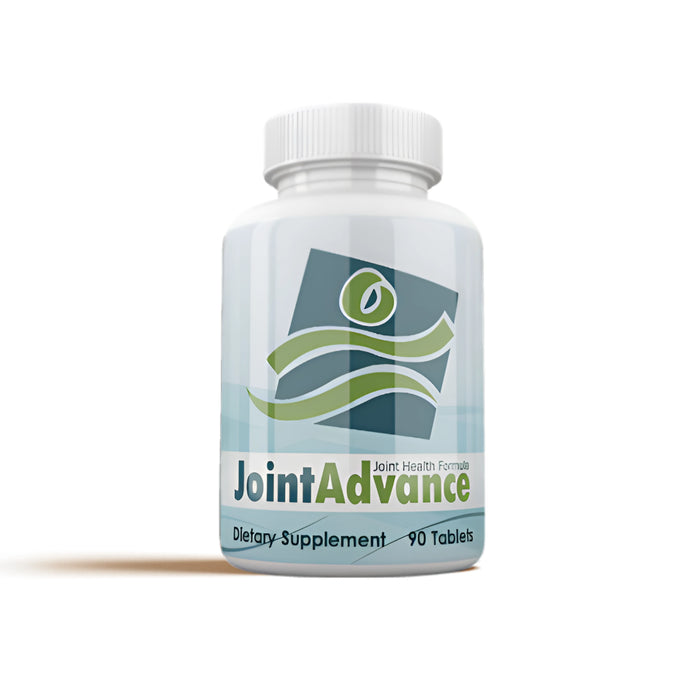
For most people, a comprehensive formula combining glucosamine, chondroitin, and MSM at clinical doses is most convenient and cost-effective. Joint Advance provides:
- Glucosamine Sulfate: 1500mg
- Chondroitin Sulfate: 1200mg
- MSM: 1000mg
- Plus ginger root (anti-inflammatory) and Vitamin C (collagen synthesis)
Timeline for Results
Joint supplements work differently than pain relievers—they're rebuilding tissue, not just masking symptoms:
- 2-3 weeks: Some reduction in stiffness may begin
- 4-8 weeks: Most users notice significant pain reduction
- 3+ months: Structural benefits (cartilage protection) develop
Commit to at least 8-12 weeks before evaluating effectiveness.
Long-Term Use
Joint supplements are designed for ongoing use. Studies showing structural benefits (cartilage protection) lasted 2-3 years. Think of it as ongoing nutrition for your joints, not a short-term fix.
Safety and Interactions
Generally Very Safe
Glucosamine, chondroitin, and MSM have excellent safety profiles with decades of use and research. Common side effects are mild: occasional digestive upset, especially early in use.
Considerations
- Shellfish Allergies: Most glucosamine is derived from shellfish shells. If you have severe shellfish allergy, consult your doctor or choose plant-based alternatives.
- Blood Thinners: Chondroitin may have mild anticoagulant effects. Inform your doctor if you take warfarin or similar medications.
- Diabetes: Very high doses of glucosamine might affect blood sugar. Normal supplement doses are generally fine, but monitor levels if diabetic.
Conclusion: Building Your Joint Health Protocol
Joint supplements represent one of the better-supported categories in the supplement world. The combination of glucosamine, chondroitin, and MSM addresses joint health from multiple angles—building cartilage, protecting existing cartilage, and reducing inflammation.
For comprehensive joint support, I recommend Joint Advance, which provides clinical doses of all three compounds plus synergistic ingredients. Combine with anti-inflammatory support like Curcumin 2000 for maximum benefit.
Remember: joint supplements work best when started before significant damage occurs. If you have risk factors for osteoarthritis, don't wait for severe pain—proactive supplementation can help protect your joints for years to come.