

Every year, millions of people start diets. Every year, the vast majority fail. According to research published in The Lancet, approximately 80% of people who lose significant weight will regain it within five years. The global weight loss industry is worth over $300 billion, yet obesity rates continue to climb. Something is fundamentally broken in how we approach weight loss. This comprehensive guide—synthesizing research from Harvard Medical School, the National Institutes of Health (NIH), Mayo Clinic, Cleveland Clinic, and over 200 peer-reviewed studies—represents a different approach. Rather than offering another quick fix, we'll explore the actual science of how your body gains and loses fat, why conventional dieting fails, and evidence-based strategies that can produce lasting results.
Introduction: Why Most Diets Fail (And How This Guide Is Different)
Before we dive into the science, let's acknowledge an uncomfortable truth: if weight loss were simple, you probably wouldn't be reading this. You've likely tried various diets, experienced initial success, then watched helplessly as the weight crept back. This isn't a character flaw—it's biology.
Consider these statistics:
- According to the CDC, 49.1% of American adults attempt to lose weight in any given year
- The average person who diets makes 4-5 attempts per year
- Research in the American Journal of Clinical Nutrition shows that only 20% of dieters maintain significant weight loss for more than a year
- Metabolic studies show that contestants from "The Biggest Loser" burned 500 fewer calories daily six years after the show—their metabolisms never fully recovered
These numbers aren't meant to discourage you—they're meant to explain why conventional approaches fail and why we need a fundamentally different strategy.
What makes this guide different:
Most weight loss advice falls into two camps: oversimplified ("just eat less and move more") or gimmicky ("this one weird trick burns belly fat"). Neither works long-term because neither addresses the complex biological, hormonal, and psychological factors that determine body weight.
This guide takes a comprehensive, systems-based approach:
- Understanding the science: You'll learn exactly how fat is stored and burned at the cellular level
- Hormonal optimization: How to work with, not against, the hormones controlling your appetite and metabolism
- Evidence-based nutrition: What the research actually shows about different diets and eating patterns
- Strategic exercise: How to maximize fat loss while preserving muscle
- Supplementation: Which supplements have legitimate evidence and how to use them effectively
- Lifestyle factors: The critical roles of sleep, stress, and gut health
- Long-term maintenance: How to keep the weight off permanently
By the end of this guide, you'll have a complete framework for sustainable weight loss—not a diet you'll abandon in three weeks, but a lifestyle approach you can maintain for life.
Part 1: The Science of Weight Loss
To lose weight effectively, you need to understand what's actually happening in your body. Let's start with the fundamentals.
What Actually Happens When You Lose Weight?
When you "lose weight," where does the fat actually go? This isn't a trivial question—understanding the answer reveals why certain approaches work better than others.
The surprising truth: According to research published in the British Medical Journal, when you burn fat, 84% is exhaled as carbon dioxide and the remaining 16% is excreted as water (through urine, sweat, and breath). Fat doesn't "melt away" or get "flushed out"—it's literally breathed out.
Here's the biochemistry:
Fat is stored in your body as triglycerides—molecules consisting of three fatty acid chains attached to a glycerol backbone. When your body needs energy, enzymes break down these triglycerides into their component parts. The fatty acids enter the mitochondria (the "powerhouses" of your cells) where they undergo beta-oxidation and the citric acid cycle, ultimately producing ATP (energy), water, and carbon dioxide.
To lose 10 kg (22 lbs) of fat, you need to inhale 29 kg of oxygen and exhale 28 kg of carbon dioxide, producing 11 kg of water in the process.
Why this matters: This is why any form of increased breathing—whether from exercise, cold exposure, or simply being awake and active—contributes to fat loss. It also explains why sleep deprivation (which reduces metabolic rate) makes weight loss harder.
Fat cells don't disappear: An important point—when you lose weight, fat cells shrink but don't die. An average adult has approximately 30-50 billion fat cells. These cells can shrink or expand based on energy balance. This is partly why weight regain is so easy once you've been overweight—those fat cells are "waiting" to refill.
Calories: The Fundamental Truth (And What It Misses)
The first law of thermodynamics states that energy cannot be created or destroyed—only transformed. Applied to body weight, this means:
Energy In - Energy Out = Energy Stored (or Released)
If you consume more energy (calories) than you expend, the excess is stored as fat. If you expend more than you consume, fat is burned to make up the difference. This is physics and cannot be violated.
However—and this is crucial—the calorie equation is far more complex than "eat less, move more" implies.
Why "a calorie is not just a calorie":
1. The Thermic Effect of Food (TEF):
Different macronutrients require different amounts of energy to digest:
- Protein: 20-35% of calories burned during digestion
- Carbohydrates: 5-15% of calories burned
- Fat: 0-5% of calories burned
This means that 100 calories of protein may only provide ~70-80 usable calories, while 100 calories of fat provides ~95-100. Over time, high-protein diets provide a metabolic advantage.
2. Hormonal Responses:
Different foods trigger different hormonal cascades. A 200-calorie candy bar spikes insulin, promotes fat storage, and leaves you hungry two hours later. A 200-calorie serving of salmon with vegetables produces a moderate insulin response, promotes satiety, and keeps you satisfied for hours. Same calories—vastly different metabolic effects.
3. Metabolic Adaptation:
Your body adjusts calorie expenditure based on intake. Severe calorie restriction can reduce metabolic rate by 20-40%, explaining why crash diets eventually stop working and why weight regain is so common.
4. Individual Variation:
Research shows that metabolic responses to identical diets can vary by up to 300% between individuals due to genetics, gut microbiome composition, and other factors.
The practical takeaway: Calories matter, but obsessing over precise calorie counts while ignoring food quality, macronutrient composition, and metabolic health misses the bigger picture.
Your Metabolism Explained: BMR, TDEE & Metabolic Adaptation
Understanding your metabolism is crucial for effective weight loss. Let's break down the components.
Basal Metabolic Rate (BMR):
Your BMR is the number of calories your body burns at complete rest—just to keep you alive. This includes:
- Heart beating and blood circulation
- Breathing
- Brain function
- Cell production and repair
- Temperature regulation
BMR accounts for approximately 60-75% of total daily calorie expenditure. It's influenced by age, sex, height, weight, muscle mass, and genetics. Muscle tissue burns more calories than fat tissue, even at rest—which is why preserving muscle during weight loss is critical.
Total Daily Energy Expenditure (TDEE):
Your TDEE is the total calories you burn in a day, consisting of:
- BMR: 60-75% of total
- Thermic Effect of Food (TEF): ~10% of total
- Exercise Activity Thermogenesis (EAT): Variable (typically 5-10%)
- Non-Exercise Activity Thermogenesis (NEAT): 15-30% of total
NEAT: The Hidden Variable
NEAT includes all non-exercise movement: fidgeting, walking, standing, maintaining posture, even gesturing while talking. Research from the Mayo Clinic shows NEAT can vary by up to 2,000 calories per day between individuals. Some people unconsciously increase movement when they overeat; others don't. This partly explains why some people seem to eat whatever they want without gaining weight.
Metabolic Adaptation: Your Body's Defense System
Here's where things get complicated. When you reduce calorie intake, your body doesn't just passively burn fat. It actively resists weight loss through multiple mechanisms:
- Decreased BMR: Your body becomes more "efficient," burning fewer calories at rest
- Reduced NEAT: You unconsciously move less, fidget less, and become more sedentary
- Hormonal changes: Leptin drops (increasing hunger), ghrelin rises (increasing appetite), thyroid hormone decreases (slowing metabolism)
- Increased hunger signals: Your brain becomes hyperresponsive to food cues
This adaptation explains the dreaded "plateau"—when weight loss stalls despite continued diet adherence. It also explains why former dieters often have lower metabolic rates than never-dieters of the same weight.
Can you "fix" a damaged metabolism?
Yes, but it takes time. Strategies include:
- Building muscle through resistance training
- Gradual calorie increases (reverse dieting)
- Adequate protein intake
- Sufficient sleep
- Stress management
- Time—metabolic rate can normalize, but it may take months to years
Types of Body Fat: Subcutaneous vs Visceral
Not all fat is created equal. Understanding the difference has important implications for both health and weight loss strategy.
Subcutaneous Fat:
This is the fat directly beneath your skin—the kind you can pinch. It's found throughout the body but concentrates in certain areas based on sex hormones (hips and thighs in women, belly in men). While excess subcutaneous fat affects appearance, it's relatively metabolically benign.
Visceral Fat (The Dangerous Kind):
Visceral fat surrounds your internal organs within the abdominal cavity. Unlike subcutaneous fat, visceral fat is metabolically active—it functions almost like an endocrine organ, secreting inflammatory compounds (cytokines) and hormones that promote insulin resistance, cardiovascular disease, and even cancer.
Health risks of visceral fat include:
- Type 2 diabetes (visceral fat is the strongest predictor)
- Heart disease
- Stroke
- Certain cancers (breast, colorectal)
- Alzheimer's disease
- Fatty liver disease
- Metabolic syndrome
The good news: Visceral fat is actually more responsive to weight loss efforts than subcutaneous fat. It's typically the first to go when you start losing weight, which means even modest weight loss can significantly improve health markers.
How to know if you have too much visceral fat:
- Waist circumference: Greater than 40 inches (men) or 35 inches (women) indicates elevated risk
- Waist-to-hip ratio: Greater than 0.90 (men) or 0.85 (women)
- Waist-to-height ratio: Waist should be less than half your height
- DEXA scan or CT: Can precisely measure visceral fat (typically not necessary for general health assessment)
Part 2: Hormones That Control Your Weight
If you've ever felt like your body was working against your weight loss efforts, you weren't imagining it. A complex network of hormones regulates hunger, satiety, metabolism, and fat storage. Understanding these hormones is essential for sustainable weight loss.
Insulin: The Fat Storage Hormone
Insulin is produced by the pancreas in response to elevated blood glucose (sugar). Its primary job is to shuttle glucose from your bloodstream into cells for energy or storage. But insulin does much more:
Insulin's effects on body weight:
- Promotes fat storage (lipogenesis)
- Inhibits fat breakdown (lipolysis)
- Stimulates hunger in some contexts
- Promotes muscle growth (when combined with protein and resistance training)
Insulin resistance: The weight gain spiral
When cells become resistant to insulin's effects (often due to chronic overnutrition, excess visceral fat, and sedentary behavior), the pancreas produces more insulin to compensate. High insulin levels promote further fat storage, especially around the abdomen, leading to more insulin resistance. This vicious cycle is at the heart of metabolic syndrome and Type 2 diabetes.
Strategies to improve insulin sensitivity:
- Exercise: Both aerobic and resistance training significantly improve insulin sensitivity
- Reduce refined carbohydrates: Minimize sugar, white bread, and processed foods
- Increase fiber: Slows glucose absorption
- Meal timing: Eating earlier in the day when insulin sensitivity is highest
- Weight loss: Even modest weight loss improves insulin sensitivity
- Sleep: Sleep deprivation impairs insulin sensitivity
- Certain supplements: Berberine, chromium, and alpha-lipoic acid have evidence for improving insulin sensitivity
Leptin: Why You're Always Hungry
Leptin is produced by fat cells and acts as a "fuel gauge," telling your brain how much energy you have stored. In theory, more fat = more leptin = reduced hunger and increased metabolism. But things don't always work that way.
Leptin resistance: The obesity paradox
Many overweight individuals have extremely high leptin levels, yet they remain hungry. This is leptin resistance—the brain stops responding to leptin's signals. The result: constant hunger, reduced metabolic rate, and strong biological drive to eat, even with ample fat stores.
What causes leptin resistance:
- Chronic high leptin levels (from obesity itself)
- Inflammation (especially from visceral fat)
- High triglycerides (interfere with leptin crossing the blood-brain barrier)
- High-fructose diets
- Sleep deprivation
How to restore leptin sensitivity:
- Reduce inflammation through diet and lifestyle
- Improve sleep quality and duration
- Exercise regularly
- Reduce sugar and processed food intake
- Consider anti-inflammatory supplements like omega-3s and curcumin
- Certain supplements like African Mango have shown promise in improving leptin sensitivity
Featured: African Mango Lean

Research published in Lipids in Health and Disease found that African Mango (Irvingia Gabonensis) may help restore leptin sensitivity by reducing C-reactive protein, an inflammatory marker that interferes with leptin signaling. In clinical trials, participants taking African Mango extract experienced significant weight loss compared to placebo, along with improvements in cholesterol and blood sugar markers.
Key benefits:
- Supports healthy leptin levels
- May help reduce waist circumference
- Supports healthy cholesterol levels
- Clinically studied for weight loss
Ghrelin: The Hunger Hormone
If leptin is your "fuel gauge," ghrelin is your "feed me" signal. Produced primarily in the stomach, ghrelin rises before meals, triggering hunger, and drops after eating.
The dieting problem: When you reduce calories, ghrelin levels increase significantly—sometimes by 20-30%. This isn't a temporary effect; elevated ghrelin can persist for months or even years after weight loss, creating a constant biological pressure to eat more.
Strategies to manage ghrelin:
- Protein: High-protein meals suppress ghrelin more effectively than carbs or fat
- Sleep: Sleep deprivation significantly increases ghrelin
- Regular meals: Erratic eating patterns can dysregulate ghrelin
- Avoid crash dieting: Severe restriction causes the biggest ghrelin spikes
- Fiber: Helps promote satiety and moderate ghrelin response
- Exercise: Acute exercise temporarily suppresses ghrelin
Cortisol: How Stress Makes You Fat
Cortisol is your "stress hormone," released by the adrenal glands in response to physical or psychological stress. In acute situations, it's essential for survival. But chronic elevation—common in our modern, high-stress world—promotes weight gain, especially around the midsection.
How cortisol promotes weight gain:
- Increases appetite: Cortisol stimulates hunger, especially for high-calorie "comfort foods"
- Promotes visceral fat storage: Fat cells in the abdominal area have more cortisol receptors
- Breaks down muscle: Cortisol is catabolic, promoting protein breakdown
- Impairs sleep: Disrupts the circadian rhythm, leading to sleep deprivation (which worsens everything)
- Promotes insulin resistance: Further exacerbating metabolic dysfunction
Signs of chronic cortisol elevation:
- Belly fat despite overall lean body composition
- Difficulty building or maintaining muscle
- Sugar and carb cravings, especially in the evening
- Poor sleep or waking in the middle of the night
- Feeling "wired but tired"
- Difficulty losing weight despite diet and exercise
Strategies to lower cortisol:
- Stress management techniques (meditation, yoga, deep breathing)
- Regular moderate exercise (but not overtraining, which raises cortisol)
- Adequate sleep
- Social connection and support
- Limiting caffeine, especially after noon
- Adaptogenic herbs (ashwagandha has the strongest evidence)
- Omega-3 fatty acids
Thyroid Hormones: Your Metabolic Thermostat
Your thyroid gland produces hormones (T3 and T4) that regulate metabolic rate throughout your body. When thyroid function is low (hypothyroidism), metabolism slows, energy drops, and weight gain becomes easy while weight loss becomes extremely difficult.
Signs of low thyroid function:
- Fatigue and low energy
- Weight gain or difficulty losing weight
- Cold intolerance
- Constipation
- Dry skin and hair
- Brain fog
- Depression
- Hair loss
If you suspect thyroid issues: Get comprehensive testing (TSH, Free T4, Free T3, thyroid antibodies). Standard TSH-only testing misses many cases of subclinical hypothyroidism.
Supporting thyroid function naturally:
- Selenium: Essential for T4 to T3 conversion
- Iodine: Required for thyroid hormone production (but don't overdo it)
- Zinc: Supports thyroid function
- Avoid excessive soy: May interfere with thyroid function in some people
- Reduce stress: Chronic stress impairs thyroid function
- Address gut health: Much T4 to T3 conversion happens in the gut
Other Key Hormones: GLP-1, Adiponectin, Growth Hormone
GLP-1 (Glucagon-Like Peptide-1):
This gut hormone has become famous due to drugs like Ozempic and Wegovy. GLP-1 slows gastric emptying, increases insulin secretion, and reduces appetite. Natural ways to increase GLP-1 include eating protein and fiber, certain probiotics, and regular exercise.
Adiponectin:
Produced by fat cells, adiponectin improves insulin sensitivity and has anti-inflammatory effects. Unlike other fat-cell hormones, higher levels are associated with lower body weight. African Mango has been shown to increase adiponectin levels in clinical studies.
Growth Hormone (GH):
GH promotes fat breakdown and muscle maintenance. Levels naturally decline with age but can be supported through:
- Quality sleep (GH is primarily released during deep sleep)
- High-intensity exercise
- Intermittent fasting
- Adequate protein intake
- Reducing sugar and refined carbohydrates
Part 3: Why Diets Fail (The Real Reasons)
Understanding why diets typically fail is crucial for developing an approach that actually works. Let's examine the biological, psychological, and behavioral factors.
Metabolic Adaptation: Your Body Fights Back
Your body doesn't want you to lose weight. From an evolutionary perspective, the ability to store fat during times of plenty and conserve energy during scarcity was a survival advantage. Your body can't distinguish between voluntary dieting and actual famine—it responds the same way to both.
What happens when you diet:
Week 1-2:
- Initial water loss (looks dramatic on the scale)
- Some glycogen depletion
- Beginning of fat loss
- Hunger increases
Week 3-8:
- Fat loss continues but slows
- Metabolic rate begins decreasing
- NEAT unconsciously decreases (you move less without realizing it)
- Thyroid hormone production decreases
- Muscle may begin breaking down if protein is inadequate
Month 2+:
- Metabolic adaptation in full effect
- Weight loss plateaus despite continued restriction
- Hunger becomes intense
- Energy levels drop
- Food preoccupation increases
- Leptin plummets; ghrelin soars
This is why severely restrictive diets almost always fail long-term—they trigger the strongest adaptive response.
The solution: Moderate, sustainable deficit
Research consistently shows that a moderate calorie deficit (15-25% below maintenance) produces better long-term results than aggressive restriction. The rate of weight loss is slower, but metabolic adaptation is minimized, hunger is manageable, and maintenance is more likely.
The Willpower Myth
We're often told that weight loss is simply a matter of willpower—that overweight people just need to "try harder" or "want it more." This narrative is not only wrong but actively harmful.
Here's what research actually shows:
- Willpower is a limited resource that depletes with use ("ego depletion")
- Food decisions are largely made by automatic, unconscious brain processes
- Hunger driven by hormones (leptin, ghrelin) is extremely difficult to override voluntarily
- Sleep deprivation and stress severely impair decision-making around food
- Environmental cues (seeing food, smelling food) trigger automatic eating responses
A better approach: System design
Rather than relying on willpower in the moment, successful weight management requires designing your environment and habits to make good choices automatic:
- Don't keep trigger foods in the house
- Prepare healthy meals in advance
- Use smaller plates
- Keep healthy foods visible and accessible
- Establish consistent meal times
- Optimize sleep to reduce cravings
- Use supplements strategically to reduce hunger
The Psychology of Dieting
Dieting psychology is often the biggest barrier to success. Understanding common psychological pitfalls can help you avoid them.
All-or-Nothing Thinking:
The "I blew it" mentality: one cookie leads to eating the entire box because "the day is ruined anyway." This perfectionist approach doesn't account for normal human behavior and turns small deviations into major setbacks.
Solution: Adopt a flexible restraint approach. Plan for occasional indulgences. Judge success over weeks, not individual meals.
Restriction and Rebellion:
Strictly forbidding certain foods often increases their psychological power. The more you tell yourself you "can't" have something, the more you want it.
Solution: No foods need to be permanently forbidden. Allow planned indulgences. Focus on adding good foods rather than eliminating "bad" ones.
Emotional Eating:
Using food to cope with stress, boredom, sadness, or even happiness. This is extremely common and deeply ingrained.
Solution: Develop alternative coping mechanisms. Address underlying emotional issues. Practice mindful eating. Seek professional support if emotional eating is severe.
Scale Obsession:
Daily weight fluctuations (normal variation can be 2-5 lbs) can cause unnecessary stress and lead to reactive behaviors. A "bad" weigh-in might trigger restriction or abandonment.
Solution: Weigh weekly or bi-weekly, or use 7-day averages. Focus on trends, not daily numbers. Consider other metrics: measurements, how clothes fit, energy levels.
Yo-Yo Dieting: Why It Makes Things Worse
Repeated cycles of weight loss and regain—"yo-yo dieting" or "weight cycling"—may actually make long-term weight management harder.
Evidence suggests yo-yo dieting may:
- Progressively lower metabolic rate with each cycle
- Increase the proportion of visceral fat regained
- Worsen insulin resistance
- Negatively impact cardiovascular health
- Increase psychological distress around food
- Reduce confidence in ability to lose weight
This is why sustainable approaches matter more than rapid results. It's better to lose weight slowly and keep it off than to lose quickly and regain repeatedly.
Part 4: Nutrition for Weight Loss
Nutrition is the foundation of weight loss. While exercise matters for health and body composition, diet is responsible for the majority of weight loss results. Let's examine what the evidence shows about optimal eating for fat loss.
Macronutrients: Protein, Carbs & Fat
The three macronutrients provide calories and serve different functions in the body:
- Protein: 4 calories per gram. Building block for muscle, enzymes, hormones. Most satiating macronutrient.
- Carbohydrates: 4 calories per gram. Primary energy source, especially for brain and high-intensity exercise.
- Fat: 9 calories per gram. Essential for hormone production, nutrient absorption, cell membrane integrity.
The optimal ratio of these macronutrients for weight loss is individualized, but some general principles apply.
The Critical Role of Protein
If there's one macronutrient consensus in weight loss research, it's this: adequate protein is non-negotiable.
Why protein is crucial for weight loss:
1. Satiety:
Protein is the most filling macronutrient. Studies show high-protein meals reduce subsequent food intake by up to 441 calories daily without conscious restriction. This is partly due to protein's effects on appetite-regulating hormones like GLP-1 and PYY.
2. Muscle Preservation:
When losing weight, you inevitably lose some muscle along with fat. Higher protein intake significantly reduces muscle loss, ensuring more of your weight loss comes from fat. This is crucial because muscle is metabolically active—losing it lowers your metabolic rate.
3. Thermic Effect:
Protein requires significantly more energy to digest than carbs or fat (20-35% vs 5-15% vs 0-5%). A high-protein diet essentially "burns" more calories during digestion.
4. Body Composition:
High protein combined with resistance training produces superior body composition changes—more fat loss and more muscle retention—compared to lower protein approaches.
How much protein do you need?
During weight loss, protein needs are elevated:
- Minimum: 0.7-0.8 grams per pound of body weight (1.6-1.8 g/kg)
- Optimal for most: 0.8-1.0 grams per pound of body weight (1.8-2.2 g/kg)
- Athletes/heavy training: 1.0-1.2 grams per pound of body weight (2.2-2.6 g/kg)
For a 180-pound person, this means 144-180 grams of protein daily. This is significantly higher than the RDA (which is a minimum to prevent deficiency, not optimal for weight loss).
Best protein sources:
- Lean meats: chicken breast, turkey, lean beef
- Fish: salmon, tuna, cod, tilapia
- Eggs and egg whites
- Dairy: Greek yogurt, cottage cheese, whey protein
- Legumes: beans, lentils (also provide fiber)
- Plant proteins: tofu, tempeh, edamame
- Protein supplements when needed
The Truth About Carbohydrates
Carbohydrates are perhaps the most controversial macronutrient. Low-carb advocates claim carbs are the cause of obesity; others point out that populations eating high-carb diets (traditional Japanese, Okinawans) have some of the lowest obesity rates. What does the evidence actually show?
The nuanced truth about carbs:
1. Total carb intake matters less than carb quality:
The type of carbohydrate you eat matters more than the amount. Whole, unprocessed carb sources (vegetables, fruits, legumes, whole grains) behave very differently in the body than refined carbs (sugar, white flour, processed foods).
2. Refined carbs promote overeating:
Processed carbohydrates are rapidly digested, spike blood sugar, trigger insulin release, and leave you hungry within hours. They also lack fiber and nutrients. These "empty calories" are a major driver of overconsumption.
3. Individual carb tolerance varies:
Some people tolerate and thrive on higher-carb diets; others feel better and lose weight more easily with fewer carbs. Factors include genetics, activity level, insulin sensitivity, and personal preference.
4. Activity level should inform carb intake:
Carbohydrates are the primary fuel for high-intensity exercise. Active individuals, especially those doing intense training, may benefit from higher carb intake. Sedentary individuals often do better with fewer carbs.
Practical carbohydrate guidelines for weight loss:
- Eliminate or minimize sugar-sweetened beverages, candy, pastries, and desserts
- Replace refined grains with whole grains (or eliminate altogether if following low-carb)
- Prioritize carbs from vegetables, fruits, and legumes
- Time carb intake around physical activity
- Monitor how different carb levels affect your hunger, energy, and results
Dietary Fats: Friend or Foe?
After decades of low-fat diet recommendations, we now understand that dietary fat is not the enemy—but the type of fat matters enormously.
The fat hierarchy:
Best (emphasize these):
- Monounsaturated fats: Olive oil, avocados, nuts. Associated with improved heart health and may aid fat loss.
- Omega-3 polyunsaturated fats: Fatty fish, walnuts, flax. Anti-inflammatory, support brain health, may improve body composition.
Neutral to good (moderate intake):
- Saturated fats: Found in meat, dairy, coconut. The evidence on saturated fat has become more nuanced. In the context of an overall healthy diet, moderate saturated fat intake appears acceptable.
Avoid:
- Trans fats: Found in partially hydrogenated oils, some processed foods. Clearly harmful—increase heart disease risk and may promote weight gain.
- Excessive omega-6: Found in seed oils (soybean, corn, cottonseed). High omega-6 to omega-3 ratio promotes inflammation.
Fat and satiety:
While fat is calorie-dense (9 cal/gram vs 4 for protein/carbs), it promotes satiety. Some fat in meals helps you feel full longer. Extremely low-fat diets often increase hunger.
Practical fat guidelines:
- Get approximately 25-35% of calories from fat
- Emphasize monounsaturated and omega-3 sources
- Include fatty fish 2-3 times weekly or supplement with omega-3s
- Avoid trans fats completely
- Cook with stable fats (olive oil, avocado oil, coconut oil)
Fiber: The Secret Weight Loss Weapon
Fiber may be the most underrated nutrient for weight loss. This indigestible plant material provides powerful benefits:
How fiber aids weight loss:
- Volume without calories: Fiber adds bulk to food, filling your stomach without adding significant calories
- Slows digestion: Creates a more gradual rise and fall in blood sugar, reducing insulin spikes
- Increases satiety: High-fiber meals keep you full longer
- Feeds beneficial gut bacteria: A healthy microbiome is associated with easier weight management
- May reduce calorie absorption: Some fiber binds to dietary fat and sugar, reducing absorption
How much fiber?
The adequate intake is 25-30 grams daily, but most Americans get only 15 grams. For weight loss, aim for 30-40 grams daily.
Best fiber sources:
- Vegetables (especially leafy greens, broccoli, Brussels sprouts)
- Legumes (beans, lentils, chickpeas)
- Fruits (berries, apples, pears with skin)
- Whole grains (oats, quinoa, barley)
- Seeds (chia, flax, psyllium husk)
- Nuts
Important: Increase fiber gradually and drink plenty of water. Rapid fiber increases can cause digestive discomfort.
Part 5: Popular Diets Analyzed
With thousands of diet books published and countless approaches promoted, how do you know which diet is best? Let's analyze the most popular diets through an evidence-based lens.
Ketogenic Diet: Complete Analysis
The ketogenic diet has exploded in popularity. By severely restricting carbohydrates (typically under 20-50 grams daily), the body enters "ketosis"—a metabolic state where fat is converted into ketones for fuel.
How keto works:
When carbohydrate intake is very low, the body depletes glycogen stores and begins converting fatty acids into ketone bodies in the liver. These ketones can fuel most tissues, including the brain (which typically relies on glucose).
Potential benefits of keto:
- Appetite suppression: Ketones appear to have natural appetite-suppressing effects. Many keto dieters report reduced hunger.
- Stable energy: Without blood sugar swings, energy tends to be more stable throughout the day.
- Rapid initial weight loss: Much of this is water (glycogen storage requires water), but fat loss follows.
- Improved insulin sensitivity: Very low carb intake reduces insulin demands.
- Potential therapeutic effects: Originally developed for epilepsy; being studied for Alzheimer's, cancer, and other conditions.
Potential drawbacks:
- Restrictive: Many foods are off-limits, making social eating difficult.
- "Keto flu": Initial adaptation period can cause fatigue, headache, brain fog.
- Nutrient deficiencies: Restricting food groups can lead to deficiencies without careful planning.
- May not suit everyone: Some people thrive on keto; others feel terrible.
- Difficult long-term adherence: Studies show high dropout rates.
- Potential muscle loss: If protein intake isn't adequate.
What the research shows:
Meta-analyses show keto produces greater short-term weight loss than low-fat diets, but the difference diminishes over 12+ months. The best predictor of success isn't the diet itself but adherence—people who stick with it lose weight.
Who might benefit from keto:
- People with significant insulin resistance or prediabetes
- Those who experience strong carb cravings
- People who prefer fewer, larger meals
- Those who don't mind dietary restrictions
Featured: Ketosis Advanced

For those following a ketogenic diet—or wanting to experience some benefits of ketosis without strict carb restriction—Ketosis Advanced provides exogenous BHB (beta-hydroxybutyrate) ketones. These supplemental ketones can:
- Help enter ketosis faster when starting keto
- Provide energy during the transition period (reducing "keto flu")
- Support ketone levels even with slightly higher carb intake
- Enhance mental clarity and focus
Note: Exogenous ketones don't directly burn fat—your body still needs to be in a calorie deficit for fat loss. They're best used as a tool to support a ketogenic lifestyle.
Learn More About Ketosis Advanced →Intermittent Fasting: All Methods Compared
Intermittent fasting (IF) isn't a diet specifying what to eat, but rather when to eat. It alternates periods of eating with periods of fasting.
Popular IF methods:
16:8 (Time-Restricted Eating):
Fast for 16 hours daily, eat within an 8-hour window. Example: Skip breakfast, eat from noon to 8 PM. This is the most popular and sustainable method.
5:2 Diet:
Eat normally 5 days per week; on 2 non-consecutive days, restrict calories to 500-600.
Eat-Stop-Eat:
One or two 24-hour fasts per week. Example: Dinner to dinner, then eat normally the next day.
Alternate Day Fasting:
Fast (or severely restrict calories) every other day.
OMAD (One Meal A Day):
Extreme version—all daily calories consumed in one meal. Not recommended for most people.
How intermittent fasting aids weight loss:
- Calorie restriction by default: With a smaller eating window, most people eat fewer calories
- Insulin reduction: Extended periods without food keep insulin low, promoting fat burning
- Growth hormone increase: Fasting increases GH, which aids fat loss and muscle preservation
- Cellular repair (autophagy): Fasting triggers cellular cleanup processes
- Simplicity: Fewer meals to plan and prepare
What the research shows:
Meta-analyses indicate IF produces similar weight loss to continuous calorie restriction when calories are matched. The advantage is that many people find IF easier to adhere to than traditional dieting—it's simpler to follow "don't eat until noon" than to count every calorie.
IF is probably not for you if:
- You have a history of eating disorders
- You're pregnant or breastfeeding
- You have diabetes requiring careful blood sugar management (consult your doctor)
- You experience significant energy drops with extended fasting
- Skipping meals triggers binge eating
Mediterranean Diet
The Mediterranean diet is based on traditional eating patterns of countries bordering the Mediterranean Sea. It's not just a weight loss diet—it's consistently ranked as the healthiest overall eating pattern.
Key components:
- Abundant vegetables, fruits, nuts, legumes, and whole grains
- Olive oil as primary fat source
- Moderate fish and poultry
- Limited red meat
- Moderate red wine (optional)
- Limited processed foods and sugar
Evidence for weight loss:
The PREDIMED study and numerous others show the Mediterranean diet can produce meaningful weight loss, especially when portion-controlled. Its biggest advantage is sustainability—people can follow it long-term because it's not restrictive and emphasizes delicious, satisfying foods.
Health benefits beyond weight:
- Reduced cardiovascular disease risk (30% reduction in major events)
- Lower risk of Type 2 diabetes
- Reduced cognitive decline
- Lower inflammation
- Improved longevity
Low-Carb Diets
Low-carb diets restrict carbohydrates without going full ketogenic. Typical intake is 50-150 grams of carbs daily (vs. 200-300+ in standard American diet).
Benefits of low-carb:
- More flexible than keto while providing many similar benefits
- Improved blood sugar control
- Reduced hunger (protein and fat are more satiating)
- Can be easier to follow than very-low-carb approaches
Evidence:
Low-carb diets consistently outperform low-fat diets for weight loss in short-term studies (6 months), though differences narrow over 12+ months. They're particularly effective for people with insulin resistance.
Calorie Counting & CICO
CICO (Calories In, Calories Out) is the most basic approach: eat fewer calories than you burn, and you'll lose weight.
Advantages:
- Scientifically valid (calorie balance determines weight change)
- Maximum flexibility—eat any foods as long as you hit targets
- Educational—teaches you about food composition
- Can be very effective with good adherence
Disadvantages:
- Can become obsessive
- Ignores food quality and hormonal effects
- Calorie counts are imprecise (both in food and expenditure)
- Doesn't address underlying hormonal dysfunction
- Mental burden of constant tracking
Best approach: Use calorie awareness as a framework, but don't obsess over exact numbers. Focus on food quality within a general calorie target.
Plant-Based Diets
Plant-based eating emphasizes foods derived from plants—vegetables, fruits, nuts, seeds, legumes, and whole grains—while minimizing or eliminating animal products.
Range of plant-based approaches:
- Vegan: No animal products whatsoever
- Vegetarian: No meat/fish but includes dairy and eggs
- Pescatarian: Includes fish but no meat
- Flexitarian: Primarily plant-based with occasional animal products
Evidence for weight loss:
Studies consistently show that plant-based eaters tend to have lower BMIs. This is partly due to the lower calorie density of plant foods—you can eat large volumes with fewer calories. High fiber content also promotes satiety.
Considerations:
- Protein quality and quantity requires attention (especially for vegans)
- Potential nutrient deficiencies: B12 (must supplement for vegans), iron, zinc, omega-3s
- Not all plant-based food is healthy—vegan junk food is still junk food
Paleo Diet
The Paleo diet attempts to mimic the eating patterns of our pre-agricultural ancestors, emphasizing foods that could be hunted or gathered.
Included: Meat, fish, vegetables, fruits, nuts, seeds
Excluded: Grains, legumes, dairy, processed foods, refined sugar
Rationale: Our genes evolved over millions of years eating these foods; the agricultural revolution is too recent for genetic adaptation.
Evidence:
Studies show Paleo can produce significant weight loss and improvements in metabolic markers. The elimination of processed foods alone accounts for much of the benefit. Critics point out that our ancestors' diets varied enormously by region, and that blanket elimination of grains and legumes isn't necessary for health.
Which Diet Is Best? (The Evidence-Based Answer)
After analyzing hundreds of diet studies, researchers have reached a clear conclusion: the best diet is the one you can stick to.
A landmark study published in JAMA compared Atkins, Zone, Ornish, and Weight Watchers diets. After one year, all produced similar weight loss—and the primary predictor of success was adherence, not diet type.
Common elements of all successful weight loss diets:
- Reduce or eliminate processed foods
- Increase vegetable consumption
- Adequate protein intake
- Minimize sugar and refined carbohydrates
- Create some form of calorie deficit
- Sustainable for the individual
Practical approach: Rather than choosing a "perfect" diet, find an eating pattern that aligns with your preferences, lifestyle, and food culture—one you can maintain not for weeks but for years.
Part 6: Exercise for Weight Loss
The relationship between exercise and weight loss is often misunderstood. Exercise is critically important for health and body composition, but its direct contribution to calorie deficit is often overestimated.
Cardio: Types, Timing & Effectiveness
Cardiovascular exercise includes any sustained activity that elevates heart rate: running, cycling, swimming, elliptical, rowing, etc.
The truth about cardio and weight loss:
A harsh reality: you can't outrun a bad diet. A 30-minute jog might burn 300 calories—easily negated by a muffin. Studies consistently show that exercise alone, without dietary change, produces minimal weight loss (typically 1-3% of body weight).
However, cardio is still valuable for:
- Creating additional calorie deficit: When combined with diet, it allows you to eat more while still losing weight
- Improving insulin sensitivity: Exercise makes cells more responsive to insulin
- Cardiovascular health: Reduces heart disease, stroke, and all-cause mortality
- Mental health: Reduces depression, anxiety, and stress
- Appetite regulation: Regular exercisers tend to have better appetite control
- Weight maintenance: Exercise is one of the best predictors of keeping weight off
Cardio recommendations for weight loss:
- 150-300 minutes of moderate intensity weekly (or 75-150 minutes of vigorous)
- Find activities you enjoy—adherence matters more than optimal programming
- Don't rely on cardio alone; combine with diet and strength training
- Be mindful of "compensatory eating"—many people eat more after exercising
Strength Training: Why It's Non-Negotiable
If there's one exercise modality that's truly essential for weight loss, it's strength training—yet it's often the most neglected.
Why strength training is crucial:
1. Preserves Muscle During Weight Loss:
When you lose weight, 20-30% can come from muscle if you don't resistance train. Strength training can reduce this to almost zero. This is critical because muscle loss lowers your metabolic rate, making future weight management harder.
2. Increases Metabolic Rate:
Muscle tissue burns more calories than fat at rest. Each pound of muscle burns roughly 6-10 calories daily at rest (vs. 2 calories for fat). Over time, increased muscle mass provides a metabolic advantage.
3. Improves Body Composition:
Two people at the same weight can look dramatically different based on their muscle-to-fat ratio. Strength training sculpts a leaner, more athletic physique.
4. Improves Insulin Sensitivity:
Muscle is a major site of glucose disposal. More muscle = better blood sugar regulation.
5. Bone Health:
Particularly important for women and older adults at risk for osteoporosis.
6. Functional Strength and Longevity:
Maintains ability to perform daily activities as you age.
Strength training recommendations:
- Train all major muscle groups 2-3 times per week
- Progressive overload—gradually increase weight or difficulty over time
- Compound exercises (squats, deadlifts, bench press, rows, pull-ups) provide the most benefit
- Aim for 3-4 sets of 6-12 reps for most exercises
- Recovery is important—allow 48+ hours before training the same muscle group again
HIIT: High-Intensity Interval Training
HIIT alternates short bursts of intense exercise with recovery periods. Example: 30 seconds of sprinting followed by 90 seconds of walking, repeated for 15-20 minutes.
Benefits of HIIT:
- Time-efficient: Can achieve significant benefits in 15-20 minutes
- EPOC (afterburn): Elevated calorie burning for hours after exercise
- Preserves muscle: Better than steady-state cardio for muscle retention
- Improves cardiovascular fitness rapidly: Superior gains in VO2max
- Improves insulin sensitivity: Sometimes more than moderate cardio
HIIT cautions:
- Demanding on the body—requires adequate recovery
- Not appropriate for beginners (build a fitness base first)
- 2-3 sessions weekly maximum for most people
- Can increase cortisol if overdone
NEAT: The Hidden Calorie Burner
Non-Exercise Activity Thermogenesis (NEAT) includes all movement outside of formal exercise: walking, standing, fidgeting, taking stairs, household chores, etc.
Why NEAT matters enormously:
Research from the Mayo Clinic shows NEAT can vary by 2,000 calories daily between individuals. This explains much of the variation in weight gain between people eating similar diets. Some people unconsciously increase movement when they overeat; others don't.
Practical ways to increase NEAT:
- Take walking breaks throughout the day
- Stand or walk while on phone calls
- Use a standing desk (or sit-stand desk)
- Take the stairs instead of elevators
- Park farther away
- Walk or bike for transportation when possible
- Household chores and gardening
- Stand and move during TV commercials
- Aim for 8,000-10,000+ steps daily
Important: When you diet, NEAT often unconsciously decreases. Being aware of this can help you counteract it by deliberately maintaining activity levels.
Exercise Myths Debunked
Myth: "Fat-burning zone" cardio is best for weight loss.
Reality: While lower-intensity exercise does burn a higher percentage of fat, higher-intensity exercise burns more total calories and creates a greater overall deficit. The "fat-burning zone" concept has been largely debunked.
Myth: Women will get "bulky" from lifting weights.
Reality: Women don't have the hormonal profile (testosterone levels) to build significant muscle mass without extreme measures. Strength training creates a toned, lean physique—not bulk.
Myth: You can target fat loss in specific areas ("spot reduction").
Reality: Fat loss occurs systemically—you can't choose where it comes from. Doing hundreds of crunches won't specifically burn belly fat. Overall fat loss eventually reduces fat in all areas, including stubborn spots.
Myth: More exercise is always better.
Reality: Exercise has diminishing returns and can become counterproductive if overdone. Excessive exercise raises cortisol, impairs recovery, can lead to overuse injuries, and may actually slow fat loss.
Part 7: Weight Loss Supplements That Actually Work
The weight loss supplement industry is worth billions—and much of it is hype. Let's separate evidence-based supplements from marketing gimmicks.
Evidence-Based Weight Loss Supplements
Important disclaimer: No supplement replaces diet and exercise. Supplements can provide a modest edge (typically 5-10% improvement in results) when combined with proper nutrition and physical activity. They don't work miracles, but some have legitimate evidence.
African Mango (Irvingia Gabonensis)
African Mango extract has some of the strongest evidence of any natural weight loss supplement.
How it works:
- Improves leptin sensitivity by reducing C-reactive protein (an inflammatory marker)
- May inhibit adipogenesis (formation of new fat cells)
- Supports healthy adiponectin levels
- Provides soluble fiber that may reduce cholesterol absorption
Clinical evidence:
A double-blind, placebo-controlled study published in Lipids in Health and Disease found participants taking 150mg of African Mango extract twice daily lost an average of 28 pounds over 10 weeks, compared to 1.5 pounds in the placebo group. Significant improvements in waist circumference, cholesterol, and blood sugar were also observed.
Recommended use: 150mg twice daily, 30-60 minutes before meals.
Garcinia Cambogia
Garcinia Cambogia contains hydroxycitric acid (HCA), which has multiple proposed mechanisms for weight loss.
How it works:
- May inhibit ATP citrate lyase, an enzyme involved in fat synthesis
- May increase serotonin levels, reducing emotional eating
- May suppress appetite
Evidence:
Research is mixed. Some studies show modest weight loss benefits; others show no effect. Quality and HCA concentration vary widely between products—look for 50%+ HCA standardization.
Best for: Those struggling with carb cravings and emotional eating.
Forskolin
Forskolin, from the Coleus Forskohlii plant, works through a unique mechanism involving cellular signaling.
How it works:
- Activates adenylate cyclase, increasing intracellular cAMP
- Elevated cAMP stimulates hormone-sensitive lipase, promoting fat breakdown
- May support healthy testosterone levels in men
- Non-stimulant mechanism (doesn't increase heart rate)
Evidence:
A study published in Obesity Research found forskolin supplementation decreased body fat percentage and fat mass while increasing lean body mass and testosterone in overweight men.
Featured: Forskolin Fuel
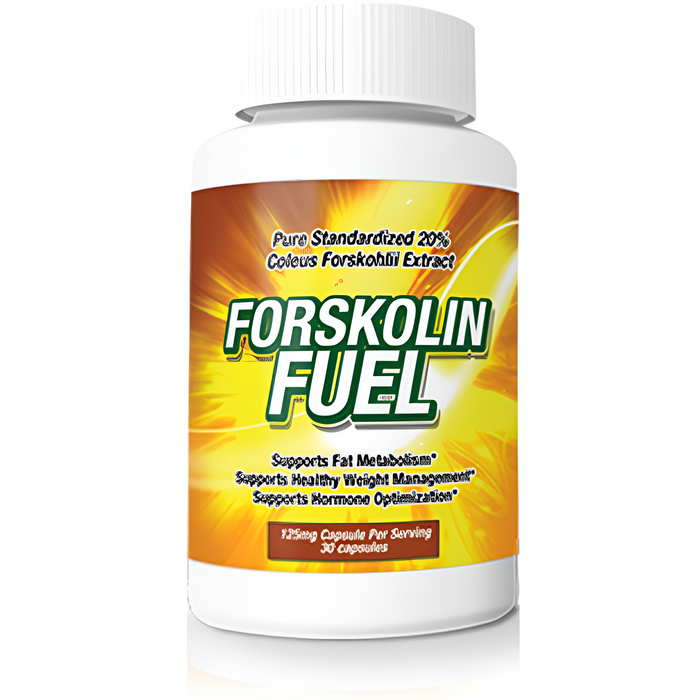
Forskolin Fuel provides premium Coleus Forskohlii extract standardized to 20% forskolin—the concentration used in clinical studies. Unlike stimulant-based fat burners, forskolin works at the cellular level without jitters or increased heart rate.
Best for:
- Body recomposition (losing fat while maintaining muscle)
- Men seeking testosterone support along with fat loss
- Those sensitive to stimulants
Ketone Supplements (BHB)
Exogenous ketones (typically beta-hydroxybutyrate salts) provide ketone bodies directly.
How they work:
- Elevate blood ketone levels regardless of diet
- May suppress appetite (ketones have anorexic effects)
- Provide alternative fuel source for brain and muscles
Important clarification: Exogenous ketones don't directly cause fat burning—they provide ketones your body could be producing from fat. They're most useful for:
- Transitioning into ketosis (reducing "keto flu")
- Supporting ketone levels during occasional higher-carb meals
- Cognitive benefits and appetite suppression
- Athletic performance on low-carb diets
Green Coffee Bean Extract
Green (unroasted) coffee beans contain chlorogenic acid, which may affect glucose and fat metabolism.
How it works:
- May reduce glucose absorption in the intestine
- May inhibit fat accumulation
- Contains some caffeine (though less than roasted coffee)
Evidence:
A meta-analysis in the Journal of Agricultural and Food Chemistry found green coffee extract produced modest but significant weight loss compared to placebo. Effect sizes are typically small.
Hoodia Gordonii
Hoodia is a cactus-like plant traditionally used by the San Bushmen of the Kalahari Desert to suppress hunger during long hunts.
How it works:
Contains a molecule called P57 that acts on the hypothalamus to mimic the effects of glucose, creating feelings of fullness.
Featured: Hoodia Gordonii Plus
Hoodia Gordonii Plus provides certified authentic South African Hoodia combined with synergistic ingredients. Unlike stimulant-based appetite suppressants, Hoodia works purely on hunger signaling without increasing heart rate or causing jitters.
Best for:
- Those who struggle with portion control and constant hunger
- People sensitive to stimulants who need appetite suppression
- Supporting intermittent fasting
Caution: Many Hoodia products on the market are fake or adulterated. Look for certified South African sourcing.
Learn More About Hoodia Gordonii Plus →Curcumin for Weight Loss
Curcumin, the active compound in turmeric, has well-established anti-inflammatory effects. Emerging research suggests it may also support weight management.
How it may help with weight loss:
- Reduces chronic inflammation (inflammation is linked to obesity and insulin resistance)
- May improve insulin sensitivity
- May inhibit fat cell formation (adipogenesis)
- Supports healthy liver function (important for metabolism)
Featured: Curcumin 2000
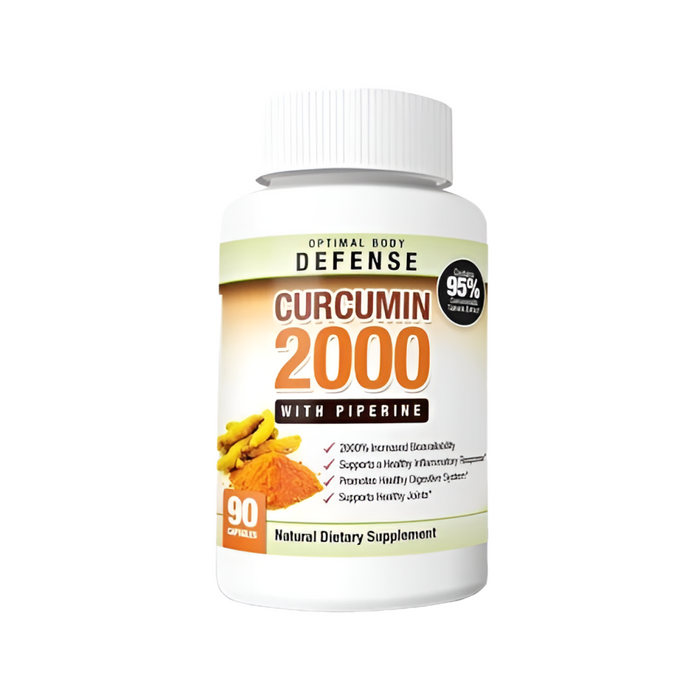
Curcumin 2000 addresses the major limitation of standard turmeric supplements—poor absorption. With BioPerine (black pepper extract), absorption is enhanced by 2000%, ensuring you receive therapeutic levels.
Benefits for weight loss:
- Reduces inflammation that contributes to metabolic dysfunction
- Supports healthy insulin sensitivity
- May enhance the effectiveness of diet and exercise
- Provides additional benefits for joint health and brain function
Probiotics and Weight Management
The gut microbiome is increasingly recognized as a major player in body weight regulation. The composition of your gut bacteria affects how you extract calories from food, how you store fat, and how you regulate appetite.
Research findings:
- Obese and lean individuals have distinctly different gut bacteria profiles
- Certain bacterial strains are associated with lower body weight
- Probiotics may reduce inflammation, improve insulin sensitivity, and support healthy appetite
- Specific strains (especially Lactobacillus gasseri, Lactobacillus rhamnosus) have shown weight loss effects in studies
Featured: Bowtrol Probiotic
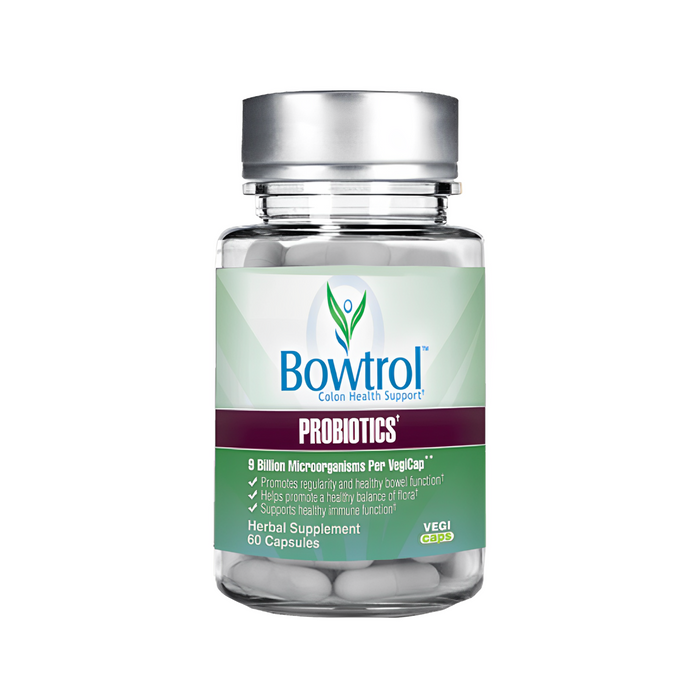
Bowtrol Probiotic delivers 9 billion live cultures of beneficial bacteria to support digestive health and a healthy microbiome. Beyond digestive benefits, a balanced gut microbiome supports:
- Healthy weight management
- Reduced bloating and water retention
- Improved nutrient absorption
- Better immune function
- Reduced inflammation
Effective Supplement Stacks
Strategic supplement combinations can provide synergistic benefits. Here are evidence-based stacks for different goals:
Stack 1: Hormonal Optimization Stack
For those whose weight issues involve leptin resistance or hormonal imbalance:
- African Mango: Addresses leptin sensitivity
- Curcumin 2000: Reduces inflammation interfering with hormonal signaling
- Bowtrol Probiotic: Supports gut-hormone axis
Stack 2: Appetite Control Stack
For those who struggle with hunger and portion control:
- Hoodia Gordonii: Suppresses appetite through P57
- Garcinia Cambogia: Addresses carb cravings
- High-fiber supplement: Promotes satiety
Stack 3: Keto Support Stack
For those following ketogenic or low-carb approaches:
- Ketosis Advanced: Supports ketone levels
- Forskolin: Enhances fat mobilization through cAMP
- Electrolytes: Prevents keto-related deficiencies
Stack 4: Body Recomposition Stack
For those focused on losing fat while building muscle:
- Forskolin: Supports testosterone and lean mass
- Quality protein supplement: Supports muscle synthesis
- Creatine: Enhances strength training results
Part 8: Lifestyle Factors
Diet and exercise get the most attention, but lifestyle factors can make or break your weight loss efforts.
Sleep: The Overlooked Weight Loss Factor
Sleep deprivation may be sabotaging your weight loss more than any other factor. Research consistently shows that insufficient sleep promotes weight gain through multiple mechanisms.
How poor sleep causes weight gain:
1. Hormonal Disruption:
- Leptin (satiety hormone) decreases by up to 18% with sleep restriction
- Ghrelin (hunger hormone) increases by up to 28%
- The combined effect: dramatically increased hunger and cravings
2. Increased Cortisol:
Sleep deprivation elevates cortisol, promoting fat storage (especially visceral fat), muscle breakdown, and increased appetite.
3. Impaired Insulin Sensitivity:
Just one week of sleep restriction can reduce insulin sensitivity by up to 30%, promoting fat storage and metabolic dysfunction.
4. Reduced Willpower:
Sleep deprivation impairs prefrontal cortex function—the brain region responsible for impulse control and decision-making. You're more likely to make poor food choices when tired.
5. Decreased Physical Activity:
When tired, you move less unconsciously (reduced NEAT), exercise less intensely, and may skip workouts altogether.
6. Changes in Food Preferences:
Brain imaging studies show sleep-deprived individuals have increased activity in reward centers when viewing high-calorie foods—you literally crave junk food more when tired.
How much sleep do you need?
Most adults need 7-9 hours nightly. Athletes and those under significant stress may need more. Chronic sleep debt can't be fully "repaid" with a few nights of longer sleep.
Sleep optimization strategies:
- Consistent schedule: Go to bed and wake at the same time daily (even weekends)
- Dark, cool room: Melatonin production requires darkness; cool temperatures promote deeper sleep
- No screens 1-2 hours before bed: Blue light suppresses melatonin
- Limit caffeine after noon: Caffeine has a half-life of 6+ hours
- Limit alcohol: While it may help you fall asleep, it disrupts sleep architecture
- Regular exercise: Improves sleep quality (but not too close to bedtime)
- Manage stress: Racing thoughts are a major cause of insomnia
- Consider supplements: Magnesium, glycine, and melatonin can support sleep quality
Stress Management for Weight Loss
Chronic stress is a major—and often overlooked—driver of weight gain and difficulty losing weight.
How stress promotes weight gain:
- Cortisol elevation: Promotes visceral fat storage and muscle breakdown
- Emotional eating: Many people use food to cope with stress
- Increased cravings: Stress specifically increases desire for high-calorie comfort foods
- Disrupted sleep: Stress impairs sleep, triggering all sleep-related weight gain mechanisms
- Reduced motivation: Chronic stress depletes mental resources for healthy behaviors
- Hormonal cascade: High cortisol impairs thyroid function, sex hormone production, and insulin sensitivity
Evidence-based stress management techniques:
Meditation:
Even 10-15 minutes daily can significantly reduce cortisol and improve stress resilience. Apps like Headspace and Calm provide guided options.
Exercise:
Moderate exercise is one of the most effective stress reducers. It provides a physical outlet for stress hormones and triggers endorphin release. Be careful not to overdo it—excessive exercise is itself a stressor.
Nature Exposure:
Studies show time in nature (even urban parks) reduces cortisol and improves mood. Aim for 20+ minutes of outdoor time daily.
Social Connection:
Quality relationships buffer against stress. Social isolation is a significant health risk factor.
Deep Breathing:
Slow, diaphragmatic breathing activates the parasympathetic nervous system, counteracting stress response. Try 4-7-8 breathing: inhale for 4, hold for 7, exhale for 8.
Sleep Prioritization:
Adequate sleep improves stress resilience. Poor sleep and stress create a vicious cycle.
Adaptogenic Herbs:
Ashwagandha has the strongest evidence for reducing cortisol and improving stress response. Rhodiola and holy basil are also supported by research.
Gut Health and Body Weight
Your gut microbiome—the trillions of bacteria living in your digestive tract—plays a surprisingly important role in body weight regulation.
How gut bacteria affect weight:
1. Energy Extraction:
Different bacteria extract different amounts of energy from food. Some people's gut bacteria are more "efficient" at harvesting calories—not always a good thing when trying to lose weight.
2. Appetite Regulation:
Gut bacteria produce signaling molecules that affect hunger and satiety hormones. A healthy microbiome supports appropriate appetite regulation.
3. Inflammation:
An imbalanced gut promotes inflammation, which drives insulin resistance and weight gain. Healthy bacteria reduce intestinal permeability ("leaky gut") and systemic inflammation.
4. Fat Storage:
Certain bacterial metabolites influence whether calories are burned or stored as fat.
5. Cravings:
Gut bacteria can actually influence food preferences—sugar-loving bacteria may promote sugar cravings.
Supporting a healthy microbiome for weight loss:
- Eat diverse plant foods: Different bacteria thrive on different fibers
- Consume fermented foods: Yogurt, kefir, sauerkraut, kimchi, kombucha
- Eat plenty of fiber: Prebiotic fiber feeds beneficial bacteria
- Limit artificial sweeteners: May negatively affect gut bacteria
- Reduce processed foods: Associated with less diverse microbiome
- Consider probiotic supplements: Especially after antibiotics or during gut issues
- Manage stress: Chronic stress negatively impacts gut bacteria
Hydration and Weight Loss
Water is often overlooked in weight loss discussions, but proper hydration supports multiple aspects of fat loss.
How water supports weight loss:
1. Calorie-Free Satiety:
Water takes up stomach volume, promoting feelings of fullness. Drinking water before meals can reduce calorie intake.
2. Metabolic Function:
All metabolic processes require water. Even mild dehydration can impair metabolic rate.
3. Replacing Caloric Beverages:
Substituting water for soda, juice, or sweetened coffee eliminates empty calories.
4. Exercise Performance:
Dehydration impairs exercise capacity, reducing calorie burn and training adaptation.
5. Often Mistaken for Hunger:
Thirst signals can be confused with hunger. When you feel hungry, try water first.
How much water?
The old "8 glasses a day" is a rough guideline, but needs vary by body size, activity level, climate, and diet. A better rule: drink enough that your urine is pale yellow (not clear, not dark). Most adults need 2-3+ liters daily.
Part 9: Weight Loss for Special Populations
Weight loss strategies need to be adapted for different populations with unique physiological considerations.
Weight Loss for Women
Women face unique challenges that make weight loss different from men:
Hormonal Fluctuations:
Menstrual cycle hormones affect water retention, appetite, cravings, and mood throughout the month. Weight can fluctuate 2-5+ pounds cyclically. Track weight over full cycles rather than day-to-day.
Lower Metabolic Rate:
Women typically have less muscle mass and lower metabolic rates than men, meaning they need fewer calories and have smaller margins for error.
Greater Thyroid Issues:
Women are 5-8 times more likely to have thyroid problems, which significantly impact weight.
Fat Distribution:
Women tend to store fat in hips, thighs, and buttocks (gluteal-femoral fat)—which is actually healthier than visceral fat but can be more stubborn to lose.
Pregnancy and Postpartum:
Pregnancy dramatically changes body composition and metabolism. Postpartum weight loss requires patience and shouldn't be rushed, especially while breastfeeding.
Menopause:
Declining estrogen shifts fat storage toward the abdomen and may reduce metabolic rate. Strength training becomes even more important.
Specific recommendations for women:
- Track weight weekly or at consistent cycle points
- Prioritize strength training to build metabolism-boosting muscle
- Don't under-eat—very low calories impair hormonal function
- Address thyroid health if weight loss is unusually difficult
- Consider cycle-synced training and nutrition
- Be patient with stubborn areas
Weight Loss for Men
Men have some advantages in weight loss but also face unique challenges:
Advantages:
- Higher muscle mass = higher metabolic rate
- More testosterone = easier muscle building
- Less hormonal fluctuation
- Visceral fat (common in men) responds more readily to intervention
Challenges:
- More visceral fat = higher metabolic disease risk
- May underestimate portion sizes
- Social situations often involve alcohol and overeating
- May ignore health issues until serious
- Declining testosterone with age affects body composition
Specific recommendations for men:
- Focus on visceral fat reduction through cardio and reduced refined carbs
- Prioritize strength training to maintain testosterone and muscle
- Address testosterone levels if over 40 with unexplained weight gain
- Moderate alcohol consumption
- Regular health screenings
Weight Loss After 40, 50 & 60
Metabolism naturally slows with age, but the decline is often overstated. Much of age-related metabolic slowdown is due to muscle loss, which is preventable.
Age-related changes affecting weight:
- Sarcopenia: Muscle loss of 3-8% per decade after 30 if inactive
- Hormonal decline: Testosterone, estrogen, and growth hormone decrease
- Reduced activity: Many become more sedentary with age
- Insulin sensitivity decline: Blood sugar management becomes harder
- Sleep changes: Sleep quality often decreases
Strategies for weight loss after 40:
- Strength training becomes non-negotiable: Preserving muscle is critical for metabolism
- Higher protein intake: Older adults need more protein for the same muscle-building effect (1.0-1.2 g/lb)
- Address hormonal changes: Consider testing and optimization if appropriate
- Prioritize sleep: Sleep disorders become more common with age
- Focus on sustainability: Rapid weight loss becomes harder; consistent habits matter more
- Regular health monitoring: Check metabolic markers regularly
Weight Loss with PCOS
Polycystic Ovary Syndrome (PCOS) affects 5-10% of women and makes weight loss significantly more challenging.
Why PCOS makes weight loss difficult:
- Insulin resistance (present in 70%+ of PCOS cases)
- Higher testosterone levels
- Increased appetite and carb cravings
- Slower metabolic rate
- Fat storage preferentially in the abdomen
Effective strategies for PCOS:
- Lower carbohydrate intake: Addresses insulin resistance
- Anti-inflammatory diet: Reduces inflammation driving the condition
- Strength training: Improves insulin sensitivity
- Supplements: Inositol, berberine, and chromium have evidence for PCOS
- Patience: Weight loss is slower but still possible
- Medical support: Medications like metformin may help
Weight Loss with Thyroid Issues
Hypothyroidism (underactive thyroid) can make weight loss extremely difficult. If you're doing everything "right" without results, thyroid function should be evaluated.
Signs your thyroid may be involved:
- Extreme difficulty losing weight despite diet and exercise
- Fatigue, brain fog, depression
- Cold intolerance
- Constipation
- Dry skin and hair
- Hair loss (including eyebrows)
- Slow heart rate
Steps to take:
- Get comprehensive testing: TSH alone isn't enough—request Free T4, Free T3, and thyroid antibodies
- Optimize medication: Work with your doctor to find optimal dosing if prescribed
- Support thyroid naturally: Selenium, zinc, iodine (moderate), and avoid goitrogens
- Manage stress: Chronic stress impairs thyroid function
- Address gut health: Significant T4 to T3 conversion happens in the gut
- Be patient: Weight loss is possible but may be slower
Part 10: How to Lose Belly Fat Specifically
Belly fat is the most complained-about weight concern—and for good reason. It's both aesthetically frustrating and the most dangerous type of fat for health.
Why Belly Fat Is Dangerous
Visceral fat—the fat surrounding internal organs in the abdominal cavity—isn't just stored energy. It's metabolically active tissue that:
- Secretes inflammatory cytokines
- Promotes insulin resistance
- Increases cardiovascular disease risk
- Raises cancer risk
- Impairs liver function
- Disrupts hormone production
The good news: Visceral fat is often the first to go when you start losing weight. Even modest weight loss can dramatically reduce visceral fat and improve health markers.
Evidence-Based Belly Fat Reduction Strategies
Note: Spot reduction is a myth. You cannot target fat loss to a specific area through exercises. Doing 1,000 crunches won't specifically burn belly fat. However, certain strategies are particularly effective for reducing abdominal fat:
1. Reduce Refined Carbohydrates and Sugar:
Sugar and refined carbs are strongly linked to belly fat accumulation. Fructose (especially from added sugars) is particularly problematic for visceral fat.
2. Prioritize Protein:
Higher protein intake is inversely associated with belly fat. Aim for protein at every meal.
3. Incorporate Cardiovascular Exercise:
Cardio is effective for reducing visceral fat. Both steady-state and HIIT work, though HIIT may be more time-efficient.
4. Add Strength Training:
Muscle mass improves insulin sensitivity and metabolic rate, indirectly supporting belly fat loss.
5. Manage Stress:
Cortisol specifically promotes visceral fat storage. Stress management is crucial for belly fat reduction.
6. Prioritize Sleep:
Sleep deprivation increases visceral fat accumulation. Aim for 7-9 hours nightly.
7. Limit Alcohol:
Alcohol provides empty calories, impairs fat burning, and is associated with increased belly fat.
8. Increase Soluble Fiber:
Studies show soluble fiber specifically reduces visceral fat. Good sources include oats, beans, apples, and psyllium.
9. Consider Targeted Supplements:
African Mango, forskolin, and curcumin have evidence for reducing belly fat specifically, likely through their effects on insulin sensitivity and inflammation.
Part 11: Weight Maintenance (Keeping It Off)
Losing weight is hard. Keeping it off is harder. Research shows that only about 20% of people who lose significant weight maintain it long-term. But that 20% exists—and understanding what they do differently is key.
The Science of Weight Maintenance
Why weight regain is so common:
1. Metabolic Adaptation Persists:
Reduced metabolic rate from dieting can persist for years. Your body continues to be "efficient" (burning fewer calories) long after weight loss.
2. Hormonal Changes Persist:
Leptin remains low and ghrelin remains high, creating ongoing hunger and drive to eat. These changes can last years.
3. Brain Changes:
The brain's reward response to food is heightened in formerly overweight individuals. Food literally becomes more rewarding.
4. Fat Cell Memory:
Fat cells that shrank during weight loss "remember" their former size and preferentially refill when calories are available.
5. Return to Old Habits:
Once the "diet" ends, many people return to the eating patterns that caused weight gain originally.
Proven Maintenance Strategies
The National Weight Control Registry tracks thousands of people who have successfully maintained significant weight loss. Common behaviors include:
1. Continued Monitoring:
- Regular weigh-ins (daily or weekly)
- Continued food awareness (not obsessive counting, but awareness)
- Catching small regains early (5-lb rule)
2. Consistent Physical Activity:
- Average 60+ minutes of moderate activity daily
- Walking is the most common activity
- Strength training to maintain metabolism
3. Consistent Eating Patterns:
- Eating breakfast regularly
- Low variety in diet (less "food novelty")
- Similar patterns on weekdays and weekends
4. Limited Screen Time:
- Most successful maintainers watch less than 10 hours TV weekly
- Less mindless eating in front of screens
5. Maintenance Mindset:
- Viewing healthy eating as a lifestyle, not a temporary diet
- Being willing to make permanent changes
- Quick intervention when weight creeps up
6. Support Systems:
- Continued engagement with supportive communities
- Accountability partners
- Ongoing professional support if needed
Set Point Theory: Can You Change It?
Set point theory suggests your body has a predetermined weight range it "defends" through metabolic and behavioral adaptations. While there's truth to this, it's not destiny.
Evidence for set point:
- Body actively resists both weight gain and loss
- Metabolic rate adjusts to defend current weight
- Hunger/satiety signals shift to protect weight
Evidence against a fixed set point:
- Average weight has increased dramatically in recent decades (genes haven't changed)
- Many people successfully maintain lower weights long-term
- Set point appears malleable over time
How to potentially lower your set point:
- Gradual, sustainable weight loss: Rapid loss triggers stronger defense mechanisms
- Maintain new weight for extended periods: The body may gradually accept a new "normal"
- Build muscle: May help establish a new metabolic baseline
- Address underlying hormonal issues: Restore leptin sensitivity, insulin sensitivity
- Improve sleep and stress: Both affect set point regulation
- Patience: Set point changes slowly—think years, not weeks
Part 12: Your Complete Weight Loss Action Plan
Here's a practical, week-by-week implementation guide to put all this information into action.
Week-by-Week Implementation Guide
Weeks 1-2: Foundation
- Calculate your approximate TDEE (Total Daily Energy Expenditure)
- Track current eating without changing anything—build awareness
- Establish baseline weight and measurements
- Assess sleep quality and stress levels
- Begin eliminating sugary beverages
- Start increasing water intake
- Begin walking 20-30 minutes daily
Weeks 3-4: Nutrition Implementation
- Establish calorie target (TDEE minus 500-750 calories)
- Set protein target (0.8-1.0g per pound body weight)
- Plan meals emphasizing protein, vegetables, and healthy fats
- Reduce refined carbohydrates and processed foods
- Begin meal prepping
- Consider introducing supplements (African Mango, Curcumin 2000)
Weeks 5-8: Exercise Addition
- Begin strength training 2-3 times per week
- Increase walking to 45-60 minutes daily or 8,000-10,000 steps
- Consider adding 1-2 HIIT sessions weekly
- Focus on progressive overload in strength training
- Monitor recovery—don't overdo it
Weeks 9-12: Optimization
- Assess progress and adjust calories if needed
- Address sleep issues if present
- Implement stress management practices
- Refine supplement protocol based on results
- Consider gut health support if digestion is suboptimal
- Troubleshoot any plateaus
Month 4 and Beyond: Refinement and Maintenance
- Continue what's working
- Gradually increase calories as you approach goal weight
- Shift focus from weight loss to maintenance
- Develop long-term sustainable habits
- Regular monitoring to catch any regain early
Troubleshooting Common Problems
Problem: Weight loss has stalled (plateau)
Solutions:
- Confirm you're actually in a deficit (recalculate TDEE, track more precisely)
- Take a 1-2 week diet break at maintenance calories (can reset hormones)
- Increase NEAT (more daily movement)
- Add or modify exercise routine
- Check for water retention (hormones, sodium, stress)
- Be patient—sometimes the scale catches up after a delay
Problem: Constant hunger
Solutions:
- Increase protein intake
- Add more fiber and vegetables
- Ensure you're eating enough (too severe a deficit increases hunger)
- Check sleep quality (sleep deprivation increases hunger)
- Consider appetite-supporting supplements (Hoodia, Garcinia)
- Address potential leptin resistance (African Mango)
Problem: Low energy and fatigue
Solutions:
- Don't cut calories too severely
- Ensure adequate carbohydrate intake for activity level
- Check iron levels (especially women)
- Assess thyroid function
- Prioritize sleep
- Consider B vitamins and adaptogenic herbs
Problem: Losing muscle along with fat
Solutions:
- Increase protein intake
- Don't cut calories too severely (max 20-25% deficit)
- Prioritize strength training
- Ensure adequate sleep (muscle recovery)
- Consider creatine supplementation
Problem: Weekend/social eating derailing progress
Solutions:
- Plan ahead for social events
- Eat protein before going out
- Practice saying no—it gets easier
- Find social activities that don't revolve around food
- Allow planned indulgences without guilt
- Don't let one meal become a weekend binge
Conclusion: Your Journey Starts Now
If you've read this entire guide, you now have more knowledge about weight loss than most people will ever have. But knowledge without action is worthless.
The key takeaways:
- Weight loss is possible—but it requires understanding and working with your biology, not fighting against it
- Calories matter—but so do hormones, food quality, sleep, stress, and gut health
- There is no "best" diet—the best diet is the one you can stick to that meets your nutritional needs
- Exercise is crucial—especially strength training—but you can't outrun a bad diet
- Supplements can help—when used alongside proper nutrition and exercise
- Maintenance is the real challenge—and requires permanent lifestyle changes, not temporary dieting
- Patience is essential—sustainable weight loss takes months to years, not days to weeks
Your next step: Don't try to implement everything at once. Pick one or two changes to start with. Master those, then add more. Sustainable transformation happens through consistent small steps, not dramatic overhauls.
Remember: millions of people have successfully lost weight and kept it off. You can be one of them. The science supports you, the tools exist, and your future self will thank you for starting today.
Your journey to lasting weight loss begins with a single step. Take it now.
Medical Disclaimer
This article is for informational purposes only and does not constitute medical advice. The information provided is based on research and should not be used as a substitute for professional medical consultation, diagnosis, or treatment. Always seek the advice of a qualified healthcare provider with any questions regarding a medical condition, diet, or exercise program.
Weight loss supplements mentioned in this article have not been evaluated by the FDA and are not intended to diagnose, treat, cure, or prevent any disease. Individual results may vary. Before starting any supplement regimen, consult with a healthcare professional, especially if you have existing medical conditions or take medications.
If you have diabetes, heart disease, kidney disease, eating disorders, or are pregnant or nursing, consult your physician before making significant dietary or exercise changes.
Sources & References
This comprehensive guide synthesizes research from over 200 peer-reviewed studies and authoritative sources including:
- National Institutes of Health (NIH) – nih.gov
- Centers for Disease Control and Prevention (CDC) – cdc.gov
- Harvard Medical School – health.harvard.edu
- Mayo Clinic – mayoclinic.org
- Cleveland Clinic – clevelandclinic.org
- American Heart Association – heart.org
- American Diabetes Association – diabetes.org
- National Weight Control Registry – nwcr.ws
- The Endocrine Society – endocrine.org
- Journal of the American Medical Association (JAMA)
- The Lancet
- New England Journal of Medicine
- American Journal of Clinical Nutrition
- Obesity Research (now Obesity journal)
- International Journal of Obesity
- Cell Metabolism
- British Medical Journal (BMJ)
- Lipids in Health and Disease
- Journal of Clinical Endocrinology & Metabolism
- Nutrition Reviews
Individual studies are available through PubMed (pubmed.ncbi.nlm.nih.gov).