Your immune system is the most sophisticated biological defense network ever evolved. Comprising trillions of cells, hundreds of different proteins, and multiple organ systems working in perfect coordination, it protects you from countless pathogens every single day—most of the time without you even noticing. Yet despite its complexity, the strategies for supporting optimal immune function are remarkably accessible. This comprehensive guide synthesizes the latest peer-reviewed research from institutions including the National Institutes of Health (NIH), Harvard Medical School, and leading immunology journals to provide you with actionable, evidence-based approaches to strengthening your immune system naturally.
Introduction: Why Immune Health Matters More Than Ever
The COVID-19 pandemic fundamentally changed how the world thinks about immune health. According to the World Health Organization (WHO), respiratory infections remain one of the leading causes of morbidity and mortality worldwide, with seasonal influenza alone causing 290,000-650,000 deaths annually. But beyond acute infections, emerging research published in Nature Reviews Immunology reveals that immune function influences virtually every aspect of health—from cancer surveillance to cardiovascular disease, from autoimmune conditions to mental health.
The good news? Your immune system is remarkably responsive to lifestyle interventions. A landmark 2019 study published in the Journal of Clinical Investigation demonstrated that dietary changes can measurably alter immune cell function within just two weeks. Research from Harvard T.H. Chan School of Public Health shows that people who adopt comprehensive healthy lifestyle practices reduce their risk of infectious disease by up to 50%.
This guide will equip you with the scientific understanding and practical strategies to optimize your immune defenses—not through magic pills or miracle cures, but through evidence-based approaches that actually work.
Understanding Your Immune System: The Science
Before we discuss how to strengthen immunity, it's essential to understand what we're working with. The immune system isn't a single entity but rather an intricate network of cells, tissues, and organs that evolved over hundreds of millions of years.
According to the National Institute of Allergy and Infectious Diseases (NIAID), the immune system's primary components include:
- White blood cells (leukocytes): The soldiers of your immune army, including neutrophils, lymphocytes, monocytes, and more
- Antibodies: Proteins that identify and neutralize foreign invaders
- The complement system: A cascade of proteins that enhance immune responses
- The lymphatic system: A network of vessels and nodes that transport immune cells
- The spleen: Filters blood and stores immune cells
- The thymus: Where T-cells mature and learn to distinguish self from non-self
- Bone marrow: Where all blood cells, including immune cells, are produced
- The gut-associated lymphoid tissue (GALT): The largest immune organ, housing 70-80% of immune cells
Innate Immunity: Your First Line of Defense
Innate immunity is the defense system you're born with—it provides immediate, non-specific protection against any pathogen. According to research published in The Lancet, innate immunity consists of:
Physical barriers:
- Skin: Your largest organ creates an almost impenetrable barrier. The skin's slightly acidic pH (around 5.5) creates an inhospitable environment for many pathogens.
- Mucous membranes: Line respiratory, digestive, and urogenital tracts, trapping pathogens before they can enter tissues
- Cilia: Hair-like structures in airways that sweep pathogens upward and out
- Stomach acid: With a pH of 1.5-3.5, destroys most ingested pathogens
Cellular components:
- Neutrophils: The most abundant white blood cells, these "first responders" engulf and destroy bacteria. A single neutrophil can consume up to 20 bacteria before dying.
- Macrophages: Large cells that engulf pathogens and debris, and present antigens to activate adaptive immunity
- Natural Killer (NK) cells: Specialized cells that destroy virus-infected cells and cancer cells without prior sensitization
- Dendritic cells: The "messengers" that bridge innate and adaptive immunity by presenting antigens to T-cells
Chemical defenses:
- Interferons: Proteins released by virus-infected cells to warn neighboring cells
- Complement proteins: Over 30 proteins that enhance phagocytosis and directly kill pathogens
- Inflammatory cytokines: Signaling molecules that recruit immune cells to infection sites
Adaptive Immunity: Your Specialized Defense Force
Adaptive immunity, also called acquired immunity, develops throughout your life as you encounter pathogens. Its hallmark is specificity and memory. According to the NIH, adaptive immunity has two main branches:
Humoral immunity (B-cells and antibodies):
B-lymphocytes mature in bone marrow and produce antibodies—Y-shaped proteins that bind to specific antigens. Each B-cell can produce antibodies against one specific antigen. When activated, B-cells can become:
- Plasma cells: Antibody factories that can produce 2,000 antibody molecules per second
- Memory B-cells: Long-lived cells that provide rapid response upon re-exposure to the same pathogen
Cell-mediated immunity (T-cells):
T-lymphocytes mature in the thymus and coordinate immune responses:
- Helper T-cells (CD4+): The "generals" that coordinate immune responses by releasing cytokines
- Cytotoxic T-cells (CD8+): Directly kill infected cells by releasing toxic granules
- Regulatory T-cells: Prevent autoimmunity by suppressing excessive immune responses
- Memory T-cells: Persist for decades, providing long-term immunity
Research published in Science has shown that memory T-cells from the 1918 flu pandemic were still detectable in elderly individuals 90 years later—demonstrating the remarkable durability of immune memory.
What Weakens Your Immune System?
Understanding what compromises immunity is just as important as knowing how to strengthen it. According to research from Harvard Medical School and the Mayo Clinic, the following factors significantly impair immune function:
1. Chronic stress
Research published in Psychological Bulletin analyzed 293 studies and found that chronic stress is one of the most potent suppressors of immune function. Prolonged cortisol elevation:
- Reduces lymphocyte production by up to 30%
- Impairs antibody production
- Decreases Natural Killer cell activity
- Increases susceptibility to viral infections by 2-3 times
2. Sleep deprivation
A landmark study published in JAMA Internal Medicine found that people sleeping fewer than 7 hours per night were nearly three times more likely to develop a cold when exposed to rhinovirus compared to those sleeping 8+ hours. Even a single night of poor sleep reduces NK cell activity by 70%.
3. Poor nutrition
Malnutrition remains the leading cause of immunodeficiency worldwide, according to the WHO. But "hidden hunger"—deficiencies in key micronutrients despite adequate calories—is increasingly common in Western diets. The most critical immune nutrients include zinc, vitamin D, vitamin C, and vitamin A.
4. Sedentary lifestyle
Research from the American Journal of Preventive Medicine shows that prolonged sitting increases inflammation markers and reduces immune surveillance. Conversely, regular moderate exercise enhances immune function by 40-50%.
5. Excessive alcohol consumption
The NIH's National Institute on Alcohol Abuse and Alcoholism reports that alcohol impairs both innate and adaptive immunity. Heavy drinking:
- Reduces macrophage and neutrophil function
- Damages respiratory tract cilia
- Increases susceptibility to pneumonia by 3-4 times
- Impairs gut barrier function, allowing bacteria to enter bloodstream
6. Obesity
Research published in Nature Reviews Endocrinology demonstrates that obesity creates a state of chronic low-grade inflammation that dysregulates immune responses. Obese individuals show:
- Impaired vaccine responses
- Increased susceptibility to infections
- Higher rates of autoimmune conditions
- Elevated inflammatory cytokines
7. Aging (immunosenescence)
After age 60, the thymus has atrophied by 90%, reducing T-cell production. Immunosenescence explains why elderly individuals are more vulnerable to infections and respond less robustly to vaccines. However, lifestyle factors can significantly slow this decline.
The Gut-Immune Connection: Your Microbiome's Critical Role
Perhaps no discovery has revolutionized our understanding of immunity more than the gut-immune connection. According to research published in Nature Reviews Immunology, approximately 70-80% of your immune cells reside in gut-associated lymphoid tissue (GALT).
Your gut microbiome—the 38 trillion bacteria living in your digestive tract—plays a fundamental role in immune development and function:
Training the immune system:
Research from Stanford University published in Cell demonstrates that gut bacteria "educate" immune cells, teaching them to distinguish between harmless substances (food, beneficial bacteria) and genuine threats. Without this training, the immune system can become hyperreactive (allergies, autoimmunity) or underreactive (increased infection susceptibility).
Producing immune-modulating compounds:
Beneficial bacteria produce short-chain fatty acids (SCFAs) like butyrate, propionate, and acetate. According to research in Nature, these compounds:
- Strengthen intestinal barrier integrity
- Reduce inflammation
- Enhance regulatory T-cell function
- Improve responses to vaccines
Competing with pathogens:
A diverse, healthy microbiome creates "colonization resistance," occupying niches that might otherwise be taken by pathogens. Beneficial bacteria also produce antimicrobial compounds that directly inhibit pathogen growth.
The dysbiosis-immunity link:
When the microbiome becomes imbalanced (dysbiosis)—from antibiotics, poor diet, stress, or other factors—immune function suffers. Research published in The Lancet shows dysbiosis is associated with:
- Increased susceptibility to respiratory infections
- Higher rates of autoimmune disease
- Chronic inflammation
- Allergic conditions
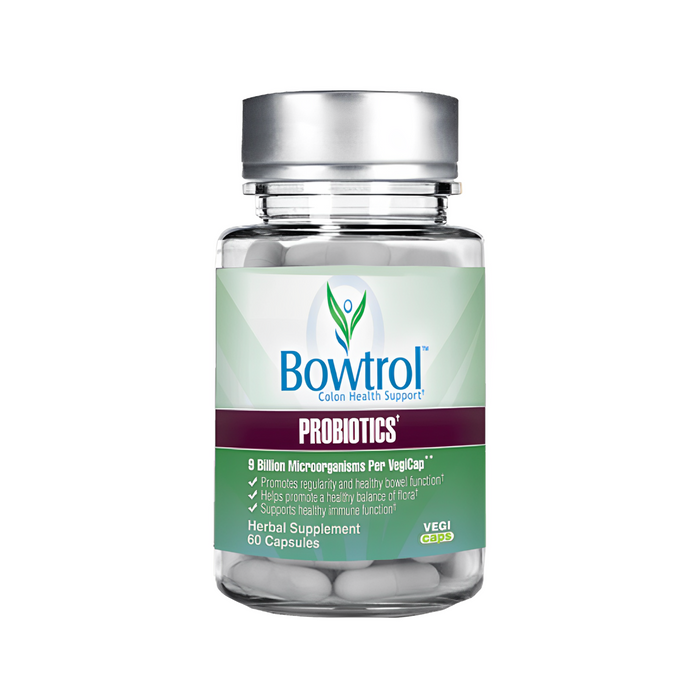
Supporting gut health through probiotics and prebiotic fiber is therefore one of the most effective strategies for immune optimization. Bowtrol Probiotic contains 9 billion CFU of beneficial bacteria, including Lactobacillus acidophilus and Bifidobacterium, specifically formulated to support both digestive and immune health.
Essential Vitamins for Immune Function
Specific micronutrients are essential for immune cell development, function, and communication. Research from the European Journal of Clinical Nutrition identifies several vitamins with particularly strong evidence for immune support.
Vitamin C: Beyond the Common Cold
Evidence level: Strong
Vitamin C (ascorbic acid) is probably the most famous immune nutrient, and research confirms its importance. According to a comprehensive review published in Nutrients:
Mechanisms:
- Supports epithelial barrier function against pathogens
- Accumulates in neutrophils at concentrations 50-100 times higher than blood
- Enhances neutrophil chemotaxis (movement toward pathogens)
- Promotes phagocytosis and microbial killing
- Powerful antioxidant that protects immune cells from oxidative damage
- Supports B-cell and T-cell function
Clinical evidence:
A Cochrane review of 29 trials involving 11,306 participants found that:
- Regular vitamin C supplementation reduced cold duration by 8% in adults and 14% in children
- People under physical stress (marathon runners, soldiers) reduced cold incidence by 50% with vitamin C
- High-dose vitamin C (1-2g/day) at cold onset may reduce duration
Recommended intake: The RDA is 75-90mg for adults, but research suggests 200mg-1000mg may be optimal for immune function. Food sources include citrus fruits, bell peppers, strawberries, broccoli, and kiwi.
Deficiency signs: Slow wound healing, frequent infections, bleeding gums, fatigue, rough/dry skin.
Vitamin D: The Immune Modulator
Evidence level: Strong
Vitamin D has emerged as one of the most critical immune nutrients. Research published in BMJ analyzing 25 randomized controlled trials with 11,321 participants found that vitamin D supplementation reduced the risk of acute respiratory infection by 12%, with effects strongest in those who were deficient.
Mechanisms:
- Virtually all immune cells have vitamin D receptors
- Activates antimicrobial peptides (defensins and cathelicidins) that directly kill pathogens
- Modulates inflammatory responses—reduces excessive inflammation while maintaining pathogen-fighting capacity
- Enhances macrophage killing capacity
- Supports T-cell function and regulatory T-cell development
The deficiency epidemic:
According to the NIH, an estimated 42% of American adults are vitamin D deficient, with rates even higher among people with darker skin, the elderly, and those in northern latitudes. Risk factors include:
- Limited sun exposure (indoor lifestyle, sunscreen use)
- Living above 35° latitude (most of the continental US)
- Darker skin pigmentation
- Obesity (vitamin D is sequestered in fat tissue)
- Age over 65
Recommended intake: The RDA of 600-800 IU may be insufficient for optimal immune function. Many researchers suggest 1000-4000 IU daily, with blood levels of 30-50 ng/mL considered optimal. Testing is recommended before high-dose supplementation.
Zinc: The Immunity Mineral
Evidence level: Strong
Zinc is essential for the development and function of virtually all immune cells. According to the NIH Office of Dietary Supplements, zinc affects:
Mechanisms:
- Required for development of neutrophils and NK cells
- Essential for thymus function and T-cell maturation
- Involved in over 300 enzymatic reactions, including those in immune cells
- Acts as a signaling molecule in immune pathways
- May directly inhibit viral replication
Clinical evidence:
A meta-analysis in Open Forum Infectious Diseases found that zinc supplementation reduced the duration of common colds by 33% when taken within 24 hours of symptom onset. Other research shows:
- Zinc deficiency increases susceptibility to infection
- Supplementation reduces diarrhea duration in children by 25%
- Adequate zinc status is associated with better vaccine responses
Recommended intake: RDA is 8-11mg for adults. Upper limit is 40mg/day. Food sources include oysters (highest), beef, crab, pumpkin seeds, and chickpeas. Vegetarians may need 50% more due to lower absorption from plant sources.
Caution: Excessive zinc (>40mg/day long-term) can impair immune function and cause copper deficiency. More is not better.
Vitamin A: The Anti-Infection Vitamin
Evidence level: Strong
Vitamin A was historically called the "anti-infection vitamin," and modern research validates this designation. According to the WHO, vitamin A deficiency affects approximately 250 million preschool children globally and is a leading cause of preventable blindness and increased infection mortality.
Mechanisms:
- Essential for maintaining epithelial barriers (skin, respiratory tract, gut lining)
- Required for proper differentiation of immune cells
- Supports antibody responses
- Regulates inflammatory responses
- Critical for mucosal immunity
Clinical evidence:
Research published in The Lancet demonstrated that vitamin A supplementation reduced child mortality from infectious diseases by 24% in deficient populations. Other studies show:
- Deficiency increases risk of respiratory infections
- Supplementation reduces measles severity and mortality
- Adequate vitamin A status improves vaccine responses
Recommended intake: RDA is 700-900mcg RAE (retinol activity equivalents) for adults. Best sources include liver, fish, eggs, and orange/yellow vegetables (beta-carotene converts to vitamin A).
Caution: Preformed vitamin A (retinol) can be toxic at high doses. Upper limit is 3,000mcg/day. Beta-carotene from vegetables is not toxic but can cause harmless skin yellowing at very high intakes.
Vitamin E: The Antioxidant Shield
Evidence level: Moderate
Vitamin E is a fat-soluble antioxidant that protects cell membranes—including those of immune cells—from oxidative damage.
Mechanisms:
- Protects immune cell membranes from oxidative damage
- Enhances T-cell function, particularly in the elderly
- May improve vaccine responses in older adults
- Regulates inflammatory processes
Clinical evidence:
Research published in JAMA found that elderly individuals supplementing with vitamin E had:
- Improved T-cell function
- Better responses to delayed-type hypersensitivity testing
- Reduced upper respiratory infections in nursing home residents
Recommended intake: RDA is 15mg (22.4 IU) for adults. Best food sources include nuts, seeds, spinach, and vegetable oils.
Evidence-Based Immune Supplements
Beyond essential vitamins, several supplements have shown promise in clinical research for supporting immune function. However, evidence quality varies significantly.
Probiotics: Training Your Immune System
Evidence level: Strong
Given that 70-80% of immune cells reside in the gut, probiotics represent one of the most logical approaches to immune support. Research from the Cochrane Database of Systematic Reviews analyzed 12 trials with 3,720 participants and found that probiotics reduced the incidence of acute upper respiratory tract infections by 47%.
How probiotics support immunity:
- Enhance barrier function: Strengthen tight junctions between intestinal cells, preventing pathogen entry
- Produce antimicrobials: Beneficial bacteria produce bacteriocins and other compounds that inhibit pathogens
- Modulate immune responses: Influence cytokine production and immune cell activity
- Train the immune system: Help immune cells distinguish between friends and foes
- Compete for resources: Occupy niches that might otherwise be taken by pathogens
Best-studied strains for immunity:
- Lactobacillus acidophilus: Enhances NK cell activity, reduces respiratory infection duration
- Lactobacillus rhamnosus GG: One of the most studied strains; reduces respiratory and GI infections
- Bifidobacterium animalis: Improves immune markers, reduces cold duration
- Lactobacillus plantarum: Anti-inflammatory effects, enhances mucosal immunity
Dosage: Most research uses 1-10 billion CFU daily. Higher isn't necessarily better—strain selection matters more than sheer numbers.
For comprehensive probiotic support, Bowtrol Probiotic provides 9 billion CFU of multiple beneficial strains specifically selected for both digestive and immune health.
Elderberry: Traditional Remedy with Modern Science
Evidence level: Moderate-Strong
Elderberry (Sambucus nigra) has been used medicinally for centuries, and modern research is beginning to validate its traditional use. A meta-analysis published in Complementary Therapies in Medicine analyzed randomized controlled trials and found that elderberry supplementation substantially reduced upper respiratory symptoms.
Mechanisms:
- Contains anthocyanins with antioxidant and anti-inflammatory properties
- May directly inhibit viral entry into cells
- Stimulates cytokine production (immune signaling molecules)
- Enhances antibody response
Clinical evidence:
- Reduced cold duration and severity in air travelers
- Shortened influenza symptoms by an average of 4 days compared to placebo
- Safe for children over 1 year (in appropriate formulations)
Caution: Raw elderberries contain compounds that can cause nausea and vomiting. Only use properly prepared extracts. During acute illness, excessive cytokine stimulation could theoretically be problematic in severe infections—discuss with a healthcare provider.
Echinacea: What the Research Actually Shows
Evidence level: Mixed/Moderate
Echinacea is one of the best-selling herbal supplements, but research results have been inconsistent. A Cochrane review of 24 trials concluded that some Echinacea products may provide modest benefits for preventing and treating colds, but results vary widely by product and preparation.
Key findings:
- May reduce cold incidence by 10-20% when taken preventively
- May shorten cold duration by 1-2 days when taken at onset
- Echinacea purpurea appears more effective than other species
- Fresh-pressed juice or specific standardized extracts show better results than dried herb
Bottom line: Echinacea may provide modest benefits, but product quality varies enormously. If using, choose well-researched formulations and start at the first sign of symptoms.
Curcumin: The Anti-Inflammatory Immune Booster
Evidence level: Strong
Curcumin, the active compound in turmeric, has over 10,000 published studies examining its biological effects. While often discussed for joint health, curcumin has significant implications for immune function through its powerful anti-inflammatory and immunomodulatory properties.
Immune mechanisms:
- Modulates NF-κB pathway: This master inflammatory switch controls the expression of hundreds of genes involved in immune responses
- Regulates cytokine production: Reduces excessive pro-inflammatory cytokines while maintaining immune vigilance
- Enhances antibody responses: Animal studies show improved vaccine responses with curcumin
- Supports macrophage function: Enhances pathogen-killing capacity
- Antioxidant protection: Protects immune cells from oxidative damage
Clinical evidence:
Research published in Journal of Clinical Immunology demonstrated that curcumin:
- Reduced inflammatory markers in patients with metabolic syndrome
- Improved outcomes in autoimmune conditions by modulating T-cell responses
- Enhanced NK cell activity in healthy volunteers
The absorption problem:
Native curcumin has very poor bioavailability—most of what you swallow is never absorbed. Effective supplementation requires enhanced-absorption formulations using:
- Piperine (black pepper extract)—increases absorption by 2000%
- Lipid-based delivery systems
- Phytosome technology
Curcumin 2000 uses BioPerine® (standardized piperine) to dramatically enhance absorption, providing clinically meaningful amounts of this powerful immune-modulating compound.
Beta-Glucans: Immune System Activators
Evidence level: Moderate-Strong
Beta-glucans are polysaccharides found in the cell walls of fungi (mushrooms), yeast, oats, and barley. They're among the most potent natural immune activators known, and have been studied extensively for immune support.
Mechanisms:
Beta-glucans are recognized by pattern recognition receptors on immune cells, particularly the Dectin-1 receptor. This recognition:
- Activates macrophages and neutrophils
- Enhances Natural Killer cell activity
- Stimulates cytokine production
- Improves antibody responses
Clinical evidence:
A study published in the European Journal of Nutrition found that beta-glucan supplementation:
- Reduced upper respiratory tract infections by 25%
- Decreased symptom duration in those who did get sick
- Improved mood and reduced tension during cold/flu season
Sources: Medicinal mushrooms (reishi, shiitake, maitake), baker's yeast, oats. Supplements typically provide 250-500mg daily.
Lifestyle Factors That Transform Immune Function
While supplements can help fill nutritional gaps, lifestyle factors have the most profound impact on immune function. Research consistently shows that comprehensive lifestyle modification can reduce infection risk by 50% or more.
Sleep: The Foundation of Immune Health
Sleep is when your immune system does its most important work. According to research from the University of Tübingen published in the Journal of Experimental Medicine, sleep enhances the ability of T-cells to attach to and destroy infected cells.
How sleep affects immunity:
- Cytokine production: Many immune-signaling proteins are produced primarily during sleep
- T-cell function: Sleep enhances T-cell adhesion to target cells
- Immune memory formation: Sleep is critical for forming lasting immune memories after vaccination or infection
- Inflammation regulation: Poor sleep increases inflammatory markers
The evidence:
Research published in Sleep found that:
- People sleeping less than 6 hours were 4.2 times more likely to catch a cold than those sleeping 7+ hours
- Sleep quality matters too—those with poor sleep efficiency were 5.5 times more susceptible
- Even partial sleep deprivation (sleeping 4 hours for one night) reduces NK cell activity by 70%
Recommendations:
- Adults need 7-9 hours per night for optimal immune function
- Maintain consistent sleep/wake times
- Optimize sleep environment (cool, dark, quiet)
- Avoid screens for 1-2 hours before bed
- Limit caffeine after noon
Exercise: The Immune System's Best Friend
Regular moderate exercise is one of the most powerful immune boosters available. Research from the American College of Sports Medicine demonstrates that exercise:
Acute effects (during and shortly after exercise):
- Increases circulation of immune cells by 50-100%
- Enhances immune surveillance—more immune cells patrolling tissues
- Releases anti-inflammatory cytokines
- Improves Natural Killer cell activity
Chronic effects (with regular exercise):
- Reduces baseline inflammation
- Delays immunosenescence (age-related immune decline)
- Improves vaccine responses
- Reduces infection risk by 40-50%
The "J-curve" of exercise and immunity:
Research shows a J-shaped relationship between exercise intensity and infection risk:
- Sedentary: Elevated infection risk
- Moderate exercise: Lowest infection risk (40-50% reduction)
- Excessive intense exercise: Temporarily increased risk during recovery
Recommendations:
- 150 minutes of moderate exercise per week (30 minutes, 5 days)
- Include both cardio and resistance training
- Walking, cycling, swimming, and dancing are all effective
- Avoid training hard when feeling unwell
- Allow adequate recovery between intense sessions
Stress Management: Protecting Your Immune Response
Chronic stress is one of the most potent suppressors of immune function. The hypothalamic-pituitary-adrenal (HPA) axis links stress perception to immune suppression through cortisol release.
The stress-immunity connection:
According to research published in Proceedings of the National Academy of Sciences:
- Chronic stress reduces lymphocyte numbers by 15-30%
- Stressed individuals are 2-3 times more susceptible to viral infections
- Stress impairs wound healing by 25-40%
- Caregivers (chronic stress model) show impaired vaccine responses
Evidence-based stress reduction techniques:
Meditation: Research from UCLA published in Brain, Behavior, and Immunity found that 8 weeks of mindfulness meditation increased NK cell activity and reduced inflammatory gene expression.
Deep breathing: Activates the parasympathetic nervous system, reducing cortisol. Even 5 minutes of slow, deep breathing (4-6 breaths per minute) measurably reduces stress hormones.
Social connection: Research from Carnegie Mellon shows that people with diverse social networks have stronger immune responses and are more resistant to infection.
Nature exposure: Studies from Japan on "forest bathing" (shinrin-yoku) demonstrate that time in nature increases NK cell activity and reduces stress hormones.
Nutrition: Eating for Immune Strength
Beyond specific nutrients, overall dietary patterns significantly impact immune function. Research from the Harvard T.H. Chan School of Public Health identifies key principles:
Anti-inflammatory eating:
Chronic inflammation impairs immune function. Anti-inflammatory dietary patterns include:
- Abundant colorful vegetables and fruits (antioxidants)
- Omega-3 fatty acids (fatty fish, flaxseed, walnuts)
- Nuts and seeds
- Olive oil
- Herbs and spices (turmeric, ginger, garlic)
Gut-supporting foods:
- Fiber-rich foods (vegetables, legumes, whole grains) feed beneficial bacteria
- Fermented foods (yogurt, kefir, sauerkraut, kimchi) provide probiotics
- Prebiotic foods (garlic, onions, leeks, asparagus) specifically feed immune-supporting bacteria
Foods to limit:
- Added sugars impair white blood cell function
- Excessive alcohol suppresses immunity
- Ultra-processed foods promote inflammation
- Trans fats increase inflammatory markers
Top 20 Immune-Boosting Foods
Incorporating these foods regularly provides the nutrients and compounds that support optimal immune function:
- Citrus fruits (oranges, lemons, grapefruit): High in vitamin C and flavonoids
- Red bell peppers: Contain twice the vitamin C of citrus, plus beta-carotene
- Broccoli: Rich in vitamins A, C, E, plus fiber and antioxidants
- Garlic: Contains allicin with antimicrobial and immune-enhancing properties
- Ginger: Anti-inflammatory and antimicrobial; may help with respiratory infections
- Spinach: Packed with vitamin C, antioxidants, and beta-carotene
- Yogurt with live cultures: Provides probiotics for gut-immune health
- Almonds: Excellent source of vitamin E, which is key for immune function
- Sunflower seeds: High in vitamin E and selenium
- Turmeric: Contains curcumin, a powerful anti-inflammatory compound
- Green tea: Rich in antioxidants and L-theanine, which may support T-cell production
- Papaya: Contains digestive enzymes and high vitamin C
- Kiwi: Dense in vitamin C, vitamin K, folate, and potassium
- Poultry (chicken, turkey): High in vitamin B6, essential for new blood cell formation
- Shellfish (oysters, crab, mussels): Excellent source of zinc
- Fatty fish (salmon, mackerel, sardines): Omega-3 fatty acids reduce inflammation
- Sweet potatoes: Rich in beta-carotene, which converts to vitamin A
- Mushrooms (shiitake, maitake, reishi): Contain beta-glucans that activate immune cells
- Elderberries: Traditional immune support with modern research validation
- Fermented foods (sauerkraut, kimchi, kefir): Provide beneficial bacteria for gut-immune health
Immune Health Myths Debunked
Misinformation about immunity is rampant. Let's separate fact from fiction based on peer-reviewed research:
Myth 1: "You can 'boost' your immune system to be stronger than normal"
Reality: The immune system is about balance, not maximum strength. An overactive immune system causes autoimmune diseases and allergies. The goal is optimal function, not maximum activation. Supporting your immune system means ensuring it functions properly—not pushing it into overdrive.
Myth 2: "Cold weather causes colds"
Reality: Cold weather itself doesn't cause infection—viruses do. However, research shows that cold, dry air may impair mucosal immunity and allow viruses to survive longer in the environment. Indoor crowding during winter increases transmission. Being chilled doesn't make you sick, but the conditions of winter may facilitate viral spread.
Myth 3: "Taking mega-doses of vitamin C prevents illness"
Reality: Your body can only absorb about 200mg of vitamin C at a time. Excess is excreted in urine. Mega-doses (10+ grams) don't provide additional benefit for most people and can cause digestive upset. Regular intake of 200-1000mg is more effective than occasional mega-doses.
Myth 4: "Green mucus means you need antibiotics"
Reality: Mucus color indicates immune activity, not bacterial infection. Both viral and bacterial infections can produce green mucus. Most respiratory infections are viral and don't respond to antibiotics. The CDC estimates that 30% of outpatient antibiotic prescriptions are unnecessary.
Myth 5: "You should 'starve a fever'"
Reality: Your immune system needs fuel to fight infection. Fever increases metabolic rate by 7% for every degree Fahrenheit. Adequate nutrition and hydration support recovery. While appetite often decreases during illness, eating when possible (especially protein) supports immune function.
Myth 6: "Hand sanitizer is as effective as hand washing"
Reality: The CDC states that washing with soap and water is more effective at removing certain pathogens, including norovirus, Clostridium difficile, and some parasites. Hand sanitizer (60%+ alcohol) is a good alternative when handwashing isn't possible but shouldn't replace it entirely.
Immune Support for Special Populations
Certain groups have unique immune considerations:
Older adults (65+):
- Immunosenescence (age-related immune decline) is real but modifiable
- Particularly benefit from vitamin D, zinc, and probiotics
- Exercise remains effective—even in the 80s and 90s
- May need higher vaccine doses or adjuvanted vaccines
- Protein needs increase—aim for 1.0-1.2g per kg body weight
Children:
- Immune systems are still developing until adolescence
- Exposure to pathogens helps train the immune system (within reason)
- Adequate sleep is critical—children need 9-12 hours depending on age
- Good nutrition and outdoor play support immune development
- Overuse of antibiotics can disrupt microbiome development
Pregnant women:
- Immune system is naturally modulated during pregnancy
- More susceptible to certain infections (influenza, listeria)
- Some supplements (high-dose vitamin A) should be avoided
- Adequate vitamin D, iron, and folate are particularly important
- Consult healthcare provider before starting any supplement
Athletes:
- Intense training can temporarily suppress immunity (3-72 hours post-exercise)
- Adequate carbohydrate intake during exercise reduces immunosuppression
- Vitamin C may be particularly beneficial for athletes (50% reduction in cold incidence)
- Probiotics can reduce training-related respiratory infections
- Avoid training hard when feeling unwell
People with chronic conditions:
- Diabetes, obesity, and cardiovascular disease all affect immune function
- Managing underlying conditions is essential for immune health
- Some medications can affect immunity—discuss with healthcare provider
- May be candidates for additional vaccinations (pneumonia, shingles)
Seasonal Immune Strategies
Infection risk varies seasonally. Adapting your approach can provide additional protection:
Fall/Winter (Cold and flu season):
- Get vaccinated (flu, COVID-19 boosters as recommended)
- Increase vitamin D intake (reduced sun exposure)
- Maintain indoor humidity (40-60% reduces viral survival)
- Wash hands frequently, especially after public outings
- Consider elderberry or other immune support supplements
- Don't abandon exercise despite cold weather
Spring (Allergy season):
- Probiotics may help modulate allergic responses
- Quercetin (found in apples, onions) has natural antihistamine effects
- HEPA filters reduce indoor allergen exposure
- Nasal saline irrigation can help clear allergens
Summer:
- Stay hydrated—dehydration impairs mucosal immunity
- Protect skin from excessive sun (sunburn is immune-suppressive)
- Food safety is crucial (bacterial growth increases in warm weather)
- Travel precautions if visiting areas with endemic diseases
Year-round foundation:
- Consistent sleep schedule
- Regular exercise
- Nutrient-dense diet
- Stress management
- Social connection
When to See a Doctor
While supporting immune health naturally is valuable, certain situations require medical attention:
Seek medical care if you experience:
- Fever over 103°F (39.4°C) or fever lasting more than 3 days
- Difficulty breathing or shortness of breath
- Severe or worsening sore throat
- Symptoms that improve then worsen (may indicate secondary bacterial infection)
- Stiff neck with fever (possible meningitis—emergency)
- Confusion or altered mental status
- Persistent vomiting or diarrhea leading to dehydration
- Signs of infection not improving after 7-10 days
- Frequent or recurrent infections
Consider immunological evaluation if you experience:
- More than 4 ear infections in one year
- More than 2 serious sinus infections in one year
- More than 2 months on antibiotics with little effect
- More than 2 pneumonias in one year
- Failure of an infant to gain weight or grow normally
- Recurrent deep skin or organ abscesses
- Persistent thrush or fungal infections
- Family history of immunodeficiency
Your Complete Immune Health Action Plan
Based on the evidence reviewed, here's a practical action plan for optimizing immune function:
Foundation (Non-negotiables):
- Sleep 7-9 hours nightly – This alone can reduce infection risk by 3-4x
- Exercise 150+ minutes weekly – Mix cardio and strength training
- Eat a nutrient-dense, anti-inflammatory diet – Abundant vegetables, moderate protein, healthy fats
- Manage stress actively – Daily practice, whether meditation, nature walks, or social connection
- Maintain healthy weight – Obesity significantly impairs immune function
Essential nutrients to ensure adequacy:
- Vitamin D: Get tested; supplement 1000-4000 IU if deficient (most people need supplementation)
- Vitamin C: 200-500mg daily from food or supplements
- Zinc: 15-30mg daily (especially if plant-based diet)
- Probiotics: Daily from fermented foods or supplements like Bowtrol Probiotic
Optional evidence-based supplements:
- Curcumin: For anti-inflammatory and immune-modulating effects—Curcumin 2000 with enhanced absorption
- Elderberry: During cold/flu season or at first sign of symptoms
- Beta-glucans: For additional immune activation support
Seasonal adjustments:
- Increase vitamin D in winter
- Get recommended vaccinations
- Increase vigilance about hand hygiene during outbreak seasons
- Consider additional immune support supplements during high-risk periods
Track and optimize:
- Monitor sleep quality and quantity
- Note any recurring infections or prolonged recovery times
- Get annual blood work including vitamin D levels
- Adjust approach based on results
Conclusion: Building Lifelong Immune Resilience
Your immune system is extraordinarily capable—it successfully defends you against thousands of potential pathogens every single day. But like any complex system, it performs best when properly supported.
The research is clear: immune function is highly responsive to lifestyle factors. Sleep, exercise, nutrition, and stress management aren't just "nice to haves"—they're foundational to immune competence. Strategic supplementation can fill nutritional gaps and provide additional support, particularly for those at higher risk.
The key takeaways from this comprehensive review:
- The gut-immune axis is central: With 70-80% of immune cells residing in the gut, supporting microbiome health through probiotics and fiber is one of the most effective immune strategies available.
- Vitamin D deficiency is epidemic: Most people need supplementation, especially in winter months. Get tested and optimize your levels.
- Sleep is non-negotiable: No supplement can compensate for chronic sleep deprivation. Prioritize 7-9 hours nightly.
- Moderate exercise is medicine: 150 minutes of weekly activity can reduce infection risk by 40-50%.
- Chronic stress is immune-suppressive: Active stress management isn't optional for immune health.
- Targeted supplements can help: Probiotics, vitamin D, zinc, vitamin C, and curcumin all have evidence for immune support.
- Balance is the goal: The immune system needs to be properly calibrated, not maximally activated.
Immune health isn't about finding a magic bullet—it's about consistent, daily choices that compound over time. By implementing the strategies in this guide, you're not just protecting yourself against the next cold or flu; you're building resilient immune function that will serve you for decades to come.
Start with the foundations. Add targeted supplements where evidence supports them. Be patient—immune optimization is a marathon, not a sprint. And remember: the best time to support your immune system is before you need it.
References & Further Reading
This article synthesizes research from peer-reviewed sources including:
- National Institutes of Health (NIH) – nih.gov
- Harvard T.H. Chan School of Public Health – hsph.harvard.edu
- Mayo Clinic – mayoclinic.org
- Cleveland Clinic – clevelandclinic.org
- World Health Organization (WHO) – who.int
- Centers for Disease Control and Prevention (CDC) – cdc.gov
- Cochrane Database of Systematic Reviews
- Nature Reviews Immunology
- The Lancet
- Journal of Clinical Investigation
- British Medical Journal (BMJ)
Individual studies referenced are available through PubMed (pubmed.ncbi.nlm.nih.gov).