Every second of every day, an intricate chemical conversation is happening inside your body. Hormones—the body's chemical messengers—regulate virtually every physiological process: your metabolism, your mood, your sleep, your weight, your energy, your libido, your ability to think clearly, and even how you age. When this delicate system falls out of balance, the effects ripple through every aspect of your health and quality of life. Yet despite affecting an estimated 80% of women and a growing number of men at some point in their lives, hormonal imbalances remain poorly understood, underdiagnosed, and often undertreated. This comprehensive guide changes that—providing you with everything you need to understand, identify, and restore optimal hormonal balance.
Introduction: The Hidden Epidemic of Hormonal Imbalance
We are living through an unprecedented crisis of hormonal disruption. Consider these statistics from the Endocrine Society and peer-reviewed research:
- An estimated 20 million Americans have some form of thyroid disease, with up to 60% undiagnosed
- Over 34 million Americans have diabetes, with another 88 million having prediabetes—conditions fundamentally rooted in insulin dysregulation
- Testosterone levels in American men have declined by approximately 1% per year since the 1980s, with average levels now 20-25% lower than men of the same age 30 years ago
- PCOS (Polycystic Ovary Syndrome) affects up to 12% of reproductive-age women—making it the most common endocrine disorder in women
- Up to 80% of women experience symptoms of hormonal imbalance at some point
- Rates of thyroid cancer have tripled in the past three decades
What's driving this epidemic? The answer lies in a perfect storm of modern life factors: chronic stress that never lets up, processed foods stripped of nutrients, environmental chemicals that mimic hormones, sleep deprivation, sedentary lifestyles, and a medical system that often treats symptoms rather than root causes.
Dr. Sara Gottfried, Harvard-trained physician and author of "The Hormone Cure," observes that most people "accept feeling crummy as normal aging" when in fact their symptoms often stem from correctable hormonal imbalances. The tragedy is that many people suffer for years—gaining weight, feeling exhausted, experiencing mood swings, losing their libido—without ever identifying the hormonal root cause.
The good news is that hormones are remarkably responsive to intervention. Unlike your genetic code, your hormonal environment is dynamic and modifiable. The choices you make about food, sleep, stress, exercise, and supplementation directly influence your hormonal landscape.
By the end of this comprehensive guide, you will understand:
- How your endocrine system works and how hormones communicate
- The major hormones and their functions
- How to recognize symptoms of specific hormonal imbalances
- The 25 most common causes of hormonal disruption
- Deep dives into thyroid, cortisol, insulin, and sex hormone optimization
- The gut-hormone and inflammation-hormone connections
- Which tests to request and how to interpret them
- Dietary strategies for hormone balance
- Lifestyle modifications that optimize hormonal health
- Evidence-based supplements that support hormone function
- Environmental factors disrupting your hormones
- A complete 60-day action plan for hormonal restoration
Your hormones are not your destiny. Let's take control.
Understanding the Endocrine System: Your Hormone Network
The endocrine system is a network of glands that produce, store, and release hormones into the bloodstream. Unlike the nervous system, which sends rapid electrical signals, the endocrine system communicates through chemical messengers that travel through blood to target tissues throughout the body. While slower than nerve impulses, hormonal signals can produce longer-lasting, more widespread effects.
The Major Hormones and What They Do
Hypothalamus & Pituitary: The Control Center
Located at the base of the brain, the hypothalamus and pituitary gland form the master control system of the endocrine network. The hypothalamus monitors body conditions and releases hormones that tell the pituitary what to do. The pituitary then releases stimulating hormones that control other endocrine glands throughout the body.
- TSH (Thyroid Stimulating Hormone): Tells the thyroid to produce T3 and T4
- ACTH (Adrenocorticotropic Hormone): Stimulates the adrenals to produce cortisol
- LH & FSH: Control the reproductive organs and sex hormone production
- GH (Growth Hormone): Promotes tissue growth, repair, and metabolism
- Prolactin: Stimulates breast milk production
- ADH & Oxytocin: Regulate fluid balance and social bonding
Thyroid Gland: The Metabolic Thermostat
This butterfly-shaped gland in your neck produces hormones that regulate metabolism, energy, body temperature, heart rate, and more. The thyroid produces:
- T4 (Thyroxine): The storage form of thyroid hormone (inactive)
- T3 (Triiodothyronine): The active form that enters cells and drives metabolism
- Calcitonin: Helps regulate calcium levels
Adrenal Glands: The Stress Response System
Sitting atop each kidney, the adrenals produce hormones essential for stress response, metabolism, and blood pressure regulation:
- Cortisol: The primary stress hormone; regulates metabolism, immune function, and inflammation
- Aldosterone: Controls sodium and potassium balance, affecting blood pressure
- DHEA: A precursor to sex hormones with its own anti-aging effects
- Adrenaline (Epinephrine): The immediate "fight or flight" hormone
Pancreas: The Blood Sugar Regulator
The pancreas produces hormones that maintain blood sugar homeostasis:
- Insulin: Lowers blood sugar by helping cells absorb glucose
- Glucagon: Raises blood sugar by releasing stored glucose from the liver
Ovaries (Women): Reproductive and Beyond
- Estrogen: Actually a group of hormones (estradiol, estrone, estriol) affecting reproduction, bone density, cardiovascular health, mood, and skin
- Progesterone: Prepares the uterus for pregnancy, promotes calm, aids sleep, balances estrogen
- Testosterone: Yes, women produce testosterone too—important for libido, energy, muscle tone, and cognitive function
Testes (Men): More Than Reproduction
- Testosterone: The primary male sex hormone affecting muscle mass, bone density, red blood cell production, fat distribution, libido, mood, cognitive function, and cardiovascular health
- Small amounts of estrogen: Men also produce estrogen, which is important for bone health and libido
Other Important Hormone Sources:
- Pineal gland: Produces melatonin (sleep-wake cycle)
- Adipose tissue (fat): Produces leptin (satiety), adiponectin (metabolism), and converts androgens to estrogen
- Gut: Produces numerous hormones affecting appetite, digestion, and even mood (serotonin)
How Hormones Communicate: The Feedback Loop
The endocrine system maintains balance through feedback loops—most commonly negative feedback. Here's how it works using the thyroid as an example:
- The hypothalamus senses that thyroid hormone levels are low
- It releases TRH (thyrotropin-releasing hormone) to the pituitary
- The pituitary responds by releasing TSH into the bloodstream
- TSH travels to the thyroid gland and stimulates T4/T3 production
- As thyroid hormone levels rise, the hypothalamus and pituitary sense this
- They reduce TRH and TSH output, slowing thyroid hormone production
- This maintains thyroid hormones within a narrow optimal range
When this elegant system works properly, hormone levels stay remarkably stable. But numerous factors can disrupt feedback loops: chronic stress can dysregulate the HPA (hypothalamic-pituitary-adrenal) axis; inflammation can impair hormone receptor sensitivity; nutrient deficiencies can limit hormone production; and environmental toxins can mimic or block hormones.
Understanding that hormones work as an interconnected network—not as isolated chemicals—is crucial. An imbalance in one hormone often triggers compensatory changes in others, creating cascading effects throughout the system. This is why a comprehensive approach to hormonal health, rather than focusing on a single hormone, yields the best results.
Signs and Symptoms of Hormonal Imbalance
Because hormones affect virtually every system in the body, symptoms of imbalance can manifest in many different ways. Learning to recognize these patterns can help you identify imbalances earlier and seek appropriate evaluation.
Hormonal Imbalance Symptoms in Women
Reproductive and Menstrual Symptoms:
- Irregular, heavy, or painful periods
- Missed periods (amenorrhea)
- Severe PMS or PMDD (premenstrual dysphoric disorder)
- Difficulty conceiving or infertility
- Recurrent miscarriages
- Low libido or painful intercourse
- Vaginal dryness
- Hot flashes and night sweats (not just at menopause)
Physical Symptoms:
- Unexplained weight gain, especially around the midsection
- Difficulty losing weight despite diet and exercise
- Bloating and water retention
- Breast tenderness or fibrocystic breasts
- Acne, especially along the jawline and chin (hormonal acne)
- Excessive facial or body hair (hirsutism)
- Thinning hair or hair loss on the scalp
- Dry skin or skin changes
- Headaches or migraines, especially around menstruation
Mood and Cognitive Symptoms:
- Mood swings and irritability
- Anxiety or depression
- Brain fog and difficulty concentrating
- Memory problems
- Fatigue despite adequate sleep
- Sleep disturbances
Hormonal Imbalance Symptoms in Men
Sexual and Reproductive Symptoms:
- Low libido or decreased interest in sex
- Erectile dysfunction
- Reduced morning erections
- Decreased ejaculate volume
- Infertility or low sperm count
- Gynecomastia (breast tissue development)
Physical Symptoms:
- Loss of muscle mass and strength
- Increased body fat, especially around the abdomen
- Decreased bone density
- Hair loss (scalp and body)
- Fatigue and low energy
- Hot flashes (yes, men can experience these)
- Sleep disturbances
Mood and Cognitive Symptoms:
- Depression or irritability
- Decreased motivation and drive
- Difficulty concentrating
- Memory problems
- Reduced confidence and assertiveness
Universal Signs of Hormonal Disruption
Certain symptoms can indicate hormonal imbalance in anyone:
Metabolic Signs:
- Unexplained weight changes (gain or loss)
- Difficulty maintaining stable weight
- Changes in appetite or constant hunger
- Blood sugar swings (energy crashes, cravings)
- Feeling cold or heat intolerant
- Changes in bowel habits (constipation or diarrhea)
Energy and Sleep:
- Persistent fatigue not relieved by rest
- Afternoon energy crashes
- Difficulty falling or staying asleep
- Waking unrested despite adequate sleep time
- Needing excessive caffeine to function
Skin, Hair, and Nails:
- Acne or skin breakouts
- Dry, dull skin or premature wrinkles
- Hair thinning or loss
- Brittle nails
- Easy bruising
Psychological:
- Anxiety, depression, or mood instability
- Difficulty coping with stress
- Feeling "wired but tired"
- Cognitive fog and poor memory
- Decreased sense of well-being
25 Causes of Hormonal Imbalance
Understanding what disrupts hormonal balance is the first step to restoring it. Here are the 25 most common causes:
1. Chronic Stress
The number one driver of hormonal disruption in modern life. Chronic stress keeps cortisol elevated, which suppresses thyroid function, depletes sex hormones, raises blood sugar, and disrupts sleep hormones. The HPA axis becomes dysregulated, creating widespread hormonal chaos.
2. Poor Diet and Blood Sugar Dysregulation
Diets high in sugar, refined carbohydrates, and processed foods create blood sugar spikes that require excessive insulin. Over time, this leads to insulin resistance, which affects virtually every other hormone. Nutrient deficiencies from poor diet also impair hormone production.
3. Sleep Deprivation
Sleep is when critical hormonal restoration occurs. Growth hormone peaks during deep sleep, cortisol rhythm is reset, and leptin and ghrelin (hunger hormones) are balanced. Chronic sleep deprivation disrupts all of these.
4. Environmental Endocrine Disruptors
Chemicals in plastics (BPA, phthalates), pesticides, personal care products, and household items can mimic or block natural hormones. Xenoestrogens in particular contribute to estrogen dominance.
5. Excess Body Fat
Fat tissue is hormonally active—it produces estrogen, inflammatory cytokines, and leptin. Excess fat, especially abdominal fat, contributes to estrogen dominance in both sexes and promotes insulin resistance.
6. Gut Dysbiosis
The gut microbiome plays a crucial role in hormone metabolism. The "estrobolome"—gut bacteria that metabolize estrogen—affects circulating estrogen levels. Gut inflammation impairs thyroid hormone conversion and nutrient absorption. Supporting gut health with quality probiotics like Bowtrol Probiotic is fundamental to hormonal balance.
7. Chronic Inflammation
Inflammation impairs hormone receptor sensitivity, disrupts the HPA axis, and interferes with hormone production and metabolism. Reducing inflammation with anti-inflammatory compounds like Curcumin 2000 supports hormonal function.
8. Nutritional Deficiencies
Specific nutrients are required for hormone production: iodine and selenium for thyroid, zinc for testosterone and growth hormone, magnesium for cortisol regulation, vitamin D for sex hormones, and B vitamins for overall endocrine function.
9. Aging
Hormone levels naturally change with age: testosterone and growth hormone decline in both sexes, women experience menopause, thyroid function often decreases. However, accelerated hormonal aging is often modifiable.
10. Medications
Many medications affect hormones: birth control pills alter natural hormone cycling, statins can lower testosterone, antidepressants affect multiple hormones, proton pump inhibitors impair nutrient absorption needed for hormones, and corticosteroids suppress the HPA axis.
11. Autoimmune Conditions
The most common cause of thyroid problems (Hashimoto's and Graves' disease) is autoimmune. Autoimmunity can affect adrenal glands (Addison's disease), pancreas (Type 1 diabetes), and reproductive organs.
12. Excessive Exercise (Overtraining)
While moderate exercise supports hormones, excessive exercise without adequate recovery chronically elevates cortisol, suppresses thyroid function, and can cause amenorrhea in women and low testosterone in men.
13. Insufficient Exercise (Sedentary Lifestyle)
On the flip side, lack of physical activity promotes insulin resistance, reduces growth hormone, lowers testosterone, and contributes to weight gain that further disrupts hormones.
14. Alcohol
Alcohol raises estrogen, suppresses testosterone, disrupts sleep hormones, stresses the liver (which metabolizes hormones), and depletes nutrients needed for hormone production.
15. Caffeine (in Excess)
While moderate caffeine is generally fine, excessive caffeine stimulates cortisol production and can deplete the adrenals over time, especially in stressed individuals.
16. Insulin Resistance
Both a cause and consequence of hormonal imbalance. Insulin resistance increases testosterone in women (contributing to PCOS) while decreasing it in men. It promotes inflammation and weight gain.
17. Thyroid Disorders
Thyroid dysfunction affects virtually every other hormone system. Low thyroid (hypothyroidism) slows metabolism, reduces sex hormone production, and affects mood and cognition.
18. Pituitary or Hypothalamic Dysfunction
Problems with these master glands can cause widespread hormonal effects. Causes include tumors, head injury, radiation, and genetic conditions.
19. Polycystic Ovary Syndrome (PCOS)
This common condition involves insulin resistance, elevated androgens, and disrupted ovulation—creating a cycle of hormonal imbalance.
20. Perimenopause and Menopause
The transition to menopause involves significant hormonal shifts that can take years and cause wide-ranging symptoms.
21. Low Testosterone (Hypogonadism) in Men
Whether due to aging, testicular problems, or pituitary issues, low testosterone affects energy, body composition, mood, and sexual function.
22. Birth Control (Hormonal Contraceptives)
While helpful for contraception, hormonal birth control suppresses natural hormone production and can take months to recover from. Post-pill amenorrhea and acne are common.
23. Pregnancy and Postpartum
Pregnancy dramatically alters hormones, and the postpartum period involves massive hormonal shifts that can trigger or reveal underlying imbalances.
24. Eating Disorders and Extreme Dieting
Severe caloric restriction signals "famine" to the body, triggering hormonal adaptations that lower thyroid, suppress sex hormones, and increase cortisol.
25. Blood Sugar Conditions (Diabetes, Prediabetes)
Diabetes and prediabetes fundamentally involve hormonal dysregulation (insulin) and affect testosterone, growth hormone, and other hormones.
Thyroid Hormones: The Master Metabolic Regulators
The thyroid gland produces hormones that regulate metabolism in every cell of your body. When thyroid function is off, the effects are widespread and can be devastating. The American Thyroid Association estimates that up to 20 million Americans have some form of thyroid disease—and more than half don't know it.
Hypothyroidism: When Your Thyroid Is Underactive
Hypothyroidism—insufficient thyroid hormone—is far more common than hyperthyroidism. Symptoms develop gradually and are often attributed to aging, stress, or depression.
Common Symptoms:
- Fatigue and sluggishness, even after adequate sleep
- Weight gain or difficulty losing weight
- Feeling cold when others are comfortable
- Constipation
- Dry skin and hair
- Hair loss, including outer third of eyebrows
- Brain fog, poor memory, difficulty concentrating
- Depression and low mood
- Muscle weakness and aches
- Elevated cholesterol
- Irregular or heavy menstrual periods
- Infertility
- Slow heart rate
- Puffy face and swelling
Causes of Hypothyroidism:
- Hashimoto's thyroiditis: Autoimmune destruction of thyroid tissue (most common cause in developed countries)
- Iodine deficiency: Still the leading cause worldwide
- Thyroid surgery or radiation
- Certain medications: Lithium, amiodarone, interferon
- Pituitary dysfunction: Inadequate TSH production (secondary hypothyroidism)
- Congenital hypothyroidism
Understanding Thyroid Lab Tests:
Standard testing often only includes TSH, but this misses many cases of thyroid dysfunction. A comprehensive thyroid panel should include:
- TSH (Thyroid Stimulating Hormone): Often elevated in hypothyroidism (the pituitary is trying to stimulate a struggling thyroid). Optimal range: 0.5-2.5 mIU/L (functional range), though lab "normal" may go to 4.5 or higher.
- Free T4: The storage form of thyroid hormone. Should be in the upper half of the reference range for optimal function.
- Free T3: The active hormone that enters cells. Many people have poor T4-to-T3 conversion, making this test critical.
- Reverse T3: An inactive form that can block T3 receptors. Elevated rT3 indicates conversion problems, often from stress or inflammation.
- Thyroid antibodies (TPO and TgAb): Detect autoimmune thyroid disease, even when other values are normal.
Hyperthyroidism: When Your Thyroid Is Overactive
Hyperthyroidism—excess thyroid hormone—speeds up metabolism and can cause serious complications if untreated.
Symptoms:
- Unintentional weight loss despite increased appetite
- Rapid or irregular heartbeat (palpitations)
- Anxiety, nervousness, irritability
- Tremors (shaking hands)
- Increased sweating and heat intolerance
- Changes in bowel patterns (more frequent)
- Difficulty sleeping
- Fatigue and muscle weakness
- Thinning skin and fine, brittle hair
- Menstrual changes (lighter, less frequent periods)
- Bulging eyes (in Graves' disease)
Causes:
- Graves' disease: Autoimmune condition causing thyroid overproduction
- Toxic nodular goiter: Overactive thyroid nodules
- Thyroiditis: Inflammation causing temporary hormone release
- Excessive iodine or thyroid medication
Hyperthyroidism requires medical treatment—this is not something to manage with lifestyle changes alone. However, supporting overall health and reducing autoimmune triggers can help.
Hashimoto's Thyroiditis: The Autoimmune Connection
Hashimoto's thyroiditis is the most common cause of hypothyroidism in the United States and other developed countries. It's an autoimmune condition where the immune system attacks the thyroid gland, gradually destroying its ability to produce hormones.
Key Points About Hashimoto's:
- It's 7-10 times more common in women than men
- Often develops after pregnancy or times of stress
- May coexist with other autoimmune conditions (celiac disease, Type 1 diabetes, rheumatoid arthritis)
- Antibodies (TPO and/or TgAb) can be detected years before thyroid hormone levels become abnormal
- Gluten sensitivity and gluten consumption have been linked to Hashimoto's in research
- Symptoms can fluctuate between hypo and hyper states early in the disease
Managing Hashimoto's Beyond Medication:
While thyroid hormone replacement (usually levothyroxine) is often necessary, addressing the autoimmune component can slow disease progression and improve well-being:
- Consider gluten elimination—studies show connection between gluten and thyroid autoimmunity
- Optimize vitamin D (associated with autoimmune risk)
- Ensure adequate selenium (reduces thyroid antibodies in studies)
- Address gut health—gut permeability ("leaky gut") is linked to autoimmunity
- Reduce inflammation with an anti-inflammatory diet and supplements like Curcumin 2000
- Manage stress (stress flares autoimmune conditions)
Natural Thyroid Support Strategies
Nutrients Essential for Thyroid Function:
Iodine:
The thyroid requires iodine to produce hormones. Both deficiency and excess can cause problems. Good sources include seaweed, fish, dairy, and iodized salt. Supplementation should be cautious—especially with Hashimoto's, where excess iodine can worsen autoimmunity.
Selenium:
Critical for converting T4 to T3 (the active form) and for protecting the thyroid from oxidative damage. Research published in the Journal of Clinical Endocrinology & Metabolism shows selenium supplementation reduces thyroid antibodies in Hashimoto's patients. Brazil nuts are the richest food source (1-2 daily provides adequate selenium).
Zinc:
Required for T3 production and helps regulate TSH. Zinc deficiency is common and associated with hypothyroidism.
Iron:
Iron deficiency impairs thyroid hormone synthesis. Many hypothyroid patients are also iron deficient.
Vitamin D:
Low vitamin D is consistently associated with thyroid autoimmunity. Optimization may help modulate the immune response.
L-Tyrosine:
An amino acid that combines with iodine to form thyroid hormones. Found in protein-rich foods and available as a supplement.
Comprehensive Thyroid Support:
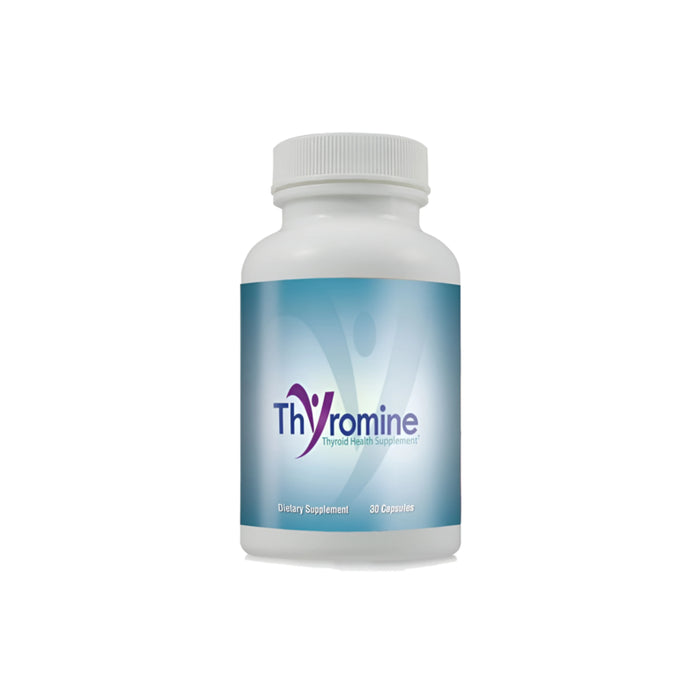
For comprehensive thyroid support combining these key nutrients, Thyromine provides iodine, L-tyrosine, and supportive herbs in a synergistic formula designed to support natural thyroid function.
Lifestyle Factors for Thyroid Health:
- Manage stress—cortisol inhibits T4 to T3 conversion
- Support gut health—gut bacteria influence thyroid hormone metabolism
- Avoid excessive consumption of raw cruciferous vegetables (goitrogenic) if iodine is borderline
- Filter drinking water—fluoride and chlorine may compete with iodine
- Reduce exposure to environmental toxins that disrupt thyroid function
- Ensure adequate sleep—sleep deprivation affects thyroid hormone levels
Cortisol: The Stress Hormone
Cortisol is often vilified as the "stress hormone," but it's essential for life. Produced by the adrenal glands, cortisol regulates metabolism, immune function, blood sugar, blood pressure, and the sleep-wake cycle. Problems arise when cortisol levels are chronically too high or too low, or when the natural daily rhythm (cortisol should be highest in the morning and lowest at night) becomes disrupted.
High Cortisol: Symptoms and Solutions
Chronic stress keeps cortisol elevated, leading to a cascade of problems:
Symptoms of High Cortisol:
- Weight gain, especially around the abdomen and face ("moon face")
- Difficulty losing weight despite diet and exercise
- High blood sugar and increased diabetes risk
- High blood pressure
- Muscle weakness and loss of muscle mass
- Bone loss (cortisol breaks down bone)
- Thin skin that bruises easily
- Slow wound healing
- Frequent infections (cortisol suppresses immunity)
- Anxiety, irritability, depression
- Insomnia or disrupted sleep
- Cognitive impairment (chronic cortisol damages the hippocampus)
- Low libido
- Irregular menstrual periods
What Chronically Elevated Cortisol Does:
- Suppresses thyroid function: High cortisol inhibits TSH and T4-to-T3 conversion
- Reduces sex hormones: The body "steals" pregnenolone (precursor to sex hormones) to make more cortisol
- Promotes insulin resistance: Cortisol raises blood sugar and counteracts insulin
- Breaks down muscle: Cortisol is catabolic—it breaks down tissue for energy
- Promotes fat storage: Especially abdominal fat, which produces more cortisol—a vicious cycle
- Impairs memory: The hippocampus (memory center) has abundant cortisol receptors and is damaged by chronic elevation
Low Cortisol and Adrenal Fatigue
"Adrenal fatigue" is a controversial term not recognized in conventional endocrinology. However, the concept—that chronic stress can eventually lead to inadequate cortisol output—has some basis in reality. The more accurate term is HPA axis dysfunction or hypocortisolism.
Symptoms Often Attributed to Low Cortisol/Adrenal Fatigue:
- Profound fatigue not relieved by sleep
- Difficulty waking in the morning; needing caffeine to function
- Energy crashes, especially mid-afternoon
- Salt cravings
- Difficulty handling stress
- Feeling "wired but tired"
- Brain fog and poor concentration
- Low blood pressure, dizziness upon standing
- Frequent infections or slow recovery from illness
- Reliance on stimulants to function
Important Distinction:
True adrenal insufficiency (Addison's disease) is a serious medical condition requiring hormone replacement. What's commonly called "adrenal fatigue" is typically a functional disruption of the HPA axis—the adrenals can produce cortisol, but the signaling system is dysregulated. This distinction matters for treatment.
Managing Cortisol Naturally
For High Cortisol (Chronic Stress):
Adaptogenic Herbs:
Adaptogens help modulate the stress response, bringing cortisol toward balance whether it's too high or too low:
- Ashwagandha: Research shows significant cortisol reduction. A 2019 study in Medicine found 240mg daily reduced cortisol by 23% compared to placebo.
- Rhodiola rosea: Helps reduce fatigue and mental fog from chronic stress
- Holy basil (Tulsi): Reduces cortisol and supports overall stress resilience
- Phosphatidylserine: Research shows 400-800mg daily can reduce cortisol, especially exercise-induced cortisol spikes
Lifestyle Interventions:
- Meditation and mindfulness: Research consistently shows reduced cortisol with regular practice
- Deep breathing exercises: Even brief sessions lower cortisol
- Adequate sleep: Sleep deprivation elevates cortisol
- Moderate exercise: Reduces cortisol (but excessive exercise raises it)
- Social connection: Positive social interaction buffers stress response
- Time in nature: Studies show cortisol reduction from time outdoors
- Limiting caffeine: Caffeine stimulates cortisol production
- Blood sugar balance: Blood sugar swings trigger cortisol release
For Low Cortisol/HPA Dysfunction:
- Prioritize sleep and rest—your body needs to recover
- Reduce stressors where possible
- Eat regular, balanced meals (blood sugar stability)
- Include adequate salt if blood pressure is low
- Avoid stimulants that mask fatigue and deplete reserves
- Consider adaptogens—they work bidirectionally
- Work with a practitioner to rule out true adrenal insufficiency
Insulin and Blood Sugar: The Metabolic Connection
Insulin may be the most important hormone to understand for modern health. This hormone, produced by the pancreas, allows cells to absorb glucose from the bloodstream for energy. When the system works properly, blood sugar stays stable and energy is consistent. When it doesn't, the consequences ripple through every hormonal system.
Insulin Resistance: The Silent Epidemic
Insulin resistance occurs when cells become less responsive to insulin's signal to absorb glucose. The pancreas compensates by producing more insulin, leading to high insulin levels (hyperinsulinemia) even when blood sugar appears normal.
The CDC estimates that over 88 million American adults have prediabetes—and 84% of them don't know it. Insulin resistance precedes prediabetes and is even more common.
How Insulin Resistance Disrupts Other Hormones:
- Increases testosterone in women: Contributing to PCOS, acne, hair loss, and infertility
- Decreases testosterone in men: Contributing to low libido, erectile dysfunction, muscle loss, and fatigue
- Promotes estrogen dominance: Insulin increases aromatase activity, converting testosterone to estrogen
- Impairs thyroid function: Insulin resistance reduces T4-to-T3 conversion
- Raises cortisol: Creating a vicious cycle of stress and blood sugar dysregulation
- Reduces growth hormone: High insulin suppresses HGH release
- Increases inflammation: Which further worsens insulin resistance and hormonal function
Signs of Insulin Resistance:
- Abdominal fat accumulation (waist circumference >35" women, >40" men)
- Fatigue, especially after meals
- Carbohydrate and sugar cravings
- Brain fog and difficulty concentrating
- Acanthosis nigricans (dark patches on skin, especially neck and armpits)
- Skin tags
- High triglycerides and low HDL cholesterol
- Elevated fasting glucose (>100 mg/dL)
- High fasting insulin (>10 mIU/L optimal, often much higher in resistance)
- PCOS in women
Strategies for Blood Sugar Balance
Dietary Approaches:
- Reduce refined carbohydrates and sugar: The most impactful change
- Prioritize protein at each meal: Protein doesn't spike insulin like carbs do and promotes satiety
- Include healthy fats: Slows glucose absorption and promotes satiety
- Emphasize fiber: Fiber slows carbohydrate absorption; aim for 25-35g daily
- Choose low-glycemic carbohydrates: Non-starchy vegetables, legumes, berries over bread and pasta
- Meal timing: Some benefit from time-restricted eating (intermittent fasting)
- Avoid liquid calories: Juice, soda, and sweet beverages cause rapid glucose spikes
Lifestyle Factors:
- Exercise: Muscle contraction improves glucose uptake independent of insulin. Both resistance training and aerobic exercise help.
- Sleep: Sleep deprivation impairs glucose tolerance—even one night of poor sleep affects insulin sensitivity
- Stress management: Cortisol raises blood sugar and promotes insulin resistance
- Maintain healthy weight: Excess fat, especially abdominal fat, promotes insulin resistance
Supportive Supplements:
- Berberine: Research shows effects comparable to metformin for blood sugar control
- Chromium: Enhances insulin sensitivity
- Alpha-lipoic acid: Antioxidant that improves glucose uptake
- Magnesium: Deficiency is linked to insulin resistance; supplementation helps
- Cinnamon: Modest blood sugar benefits in some studies
Sex Hormones: Estrogen, Progesterone, and Testosterone
Sex hormones affect far more than reproduction. They influence brain function, mood, energy, body composition, bone density, cardiovascular health, and skin quality. Imbalances in these hormones are among the most common reasons people seek help for hormonal symptoms.
Estrogen Dominance: Causes and Solutions
Estrogen dominance doesn't necessarily mean estrogen is high in absolute terms—it means estrogen is high relative to progesterone. This imbalance is extremely common in modern women (and increasingly in men).
Causes of Estrogen Dominance:
- Xenoestrogens: Environmental chemicals (plastics, pesticides, personal care products) that mimic estrogen
- Excess body fat: Fat tissue produces estrogen
- Poor estrogen metabolism: The liver and gut clear estrogen; dysfunction leads to recirculation
- Low progesterone: Even normal estrogen becomes "dominant" when progesterone is low
- Chronic stress: Cortisol is made from the same precursor as progesterone; stress "steals" progesterone production
- Anovulatory cycles: Without ovulation, progesterone isn't produced
- Birth control pills: Synthetic estrogen without bioidentical progesterone
- Hormone replacement therapy (if estrogen-only or improperly balanced)
- Gut dysbiosis: Certain gut bacteria (the "estrobolome") affect estrogen recirculation
- Impaired liver function: The liver metabolizes estrogen
Symptoms of Estrogen Dominance (Women):
- Heavy, painful periods
- PMS (bloating, breast tenderness, mood swings)
- Fibroids and endometriosis
- Fibrocystic breasts
- Weight gain, especially hips and thighs
- Water retention
- Headaches and migraines
- Mood swings, anxiety, depression
- Decreased libido
- Fatigue
- Increased risk of hormone-related cancers
Symptoms of Estrogen Dominance (Men):
- Gynecomastia (breast tissue development)
- Weight gain, especially abdominal and chest
- Decreased libido and erectile dysfunction
- Prostate problems
- Fatigue and low motivation
- Emotional sensitivity
Addressing Estrogen Dominance:
- Reduce xenoestrogen exposure: Avoid plastics, use natural personal care products, eat organic when possible
- Support liver detoxification: Cruciferous vegetables (broccoli, cauliflower, Brussels sprouts) contain DIM and I3C that help metabolize estrogen
- Optimize gut health: A healthy microbiome properly metabolizes estrogen. Bowtrol Probiotic supports the gut's role in hormone balance
- Increase fiber intake: Fiber binds excess estrogen for elimination
- Lose excess body fat: Less fat means less estrogen production
- Manage stress: Reducing cortisol helps preserve progesterone
- Reduce alcohol: Alcohol raises estrogen and impairs liver estrogen clearance
- Consider supplements: DIM, calcium D-glucarate, and milk thistle support estrogen metabolism
Low Progesterone: The Overlooked Imbalance
Progesterone is often overlooked but is essential for hormonal balance in women. Produced primarily after ovulation, progesterone prepares the uterus for pregnancy, promotes calm, improves sleep, and balances estrogen's effects.
Symptoms of Low Progesterone:
- Irregular or absent periods
- Heavy periods
- Difficulty getting pregnant or recurrent miscarriages
- PMS symptoms
- Anxiety and mood disturbances
- Insomnia (progesterone promotes GABA, the calming neurotransmitter)
- Hot flashes
- Migraines, especially around menstruation
- Weight gain
Causes of Low Progesterone:
- Chronic stress (cortisol "steals" pregnenolone)
- Anovulatory cycles (no ovulation = no corpus luteum = no progesterone)
- Perimenopause (progesterone declines before estrogen)
- PCOS
- Excessive exercise
- Thyroid dysfunction
- Nutrient deficiencies (vitamin B6, zinc, magnesium)
Supporting Progesterone:
- Stress management (most important)
- Ensure adequate vitamin B6, zinc, and magnesium
- Vitex (chasteberry)—shown in research to support progesterone
- Address underlying causes of anovulation
- For significant deficiency, bioidentical progesterone (prescription) may be appropriate
Testosterone in Men: Optimization Strategies
Testosterone is the primary male sex hormone, though its effects extend far beyond reproduction. It affects muscle mass, bone density, fat distribution, red blood cell production, mood, energy, cognitive function, and cardiovascular health.
Research shows average testosterone levels have been declining for decades. A man born in 1970 has roughly 20-25% less testosterone than a man the same age born in 1940. Causes include increasing obesity, endocrine disruptors, sedentary lifestyles, and chronic stress.
Symptoms of Low Testosterone:
- Low libido and erectile dysfunction
- Decreased morning erections
- Fatigue and low energy
- Loss of muscle mass and strength
- Increased body fat, especially abdominal
- Decreased bone density
- Depression, irritability, mood changes
- Decreased motivation and drive
- Cognitive difficulties
- Sleep disturbances
- Hair loss
- Gynecomastia (breast tissue development)
Natural Testosterone Optimization:
Lifestyle Factors:
- Sleep: Testosterone is produced primarily during sleep. Sleep deprivation dramatically lowers levels.
- Exercise: Resistance training (lifting heavy) acutely increases testosterone. HIIT also helps. Avoid overtraining.
- Stress management: Cortisol and testosterone are inversely related—high cortisol means low testosterone.
- Maintain healthy weight: Excess fat converts testosterone to estrogen via aromatase. Losing fat increases testosterone.
- Reduce alcohol: Alcohol directly suppresses testosterone production.
- Limit endocrine disruptors: Reduce plastic exposure, use natural products.
Nutritional Support:
- Zinc: Essential for testosterone production. Deficiency is common. Oysters, beef, pumpkin seeds are good sources.
- Vitamin D: Functions more like a hormone. Low D is associated with low testosterone; supplementation can help.
- Magnesium: Supports testosterone, especially in those who exercise.
- Healthy fats: Testosterone is made from cholesterol. Adequate fat intake is necessary.
Herbal Support:
- Ashwagandha: Research shows increases in testosterone and improvements in sperm quality
- Tongkat Ali (Eurycoma longifolia): Studies show testosterone increases, especially in stressed men
- Fenugreek: May support free testosterone by inhibiting conversion to estrogen
- DHEA: A precursor hormone that can convert to testosterone (though also to estrogen—use cautiously)
For comprehensive testosterone support, Pro Testosterone combines key nutrients and herbs clinically studied for supporting healthy testosterone levels naturally.
Testosterone in Women: Why It Matters
Women also produce testosterone (in the ovaries and adrenal glands), and it's important for libido, energy, muscle tone, bone density, and cognitive function. Women's testosterone levels are about 10% of men's, but proportionally just as important.
Symptoms of Low Testosterone in Women:
- Low libido (most common complaint)
- Fatigue and low energy
- Loss of muscle tone
- Weight gain
- Difficulty concentrating
- Depression and low mood
- Vaginal dryness
- Bone loss
Low testosterone in women often occurs during perimenopause/menopause, after removal of ovaries, with adrenal insufficiency, and from birth control pills (which suppress natural hormone production).
High Testosterone in Women (Hyperandrogenism):
Usually associated with PCOS or other androgen-producing conditions:
- Acne, especially along jawline
- Excess facial and body hair (hirsutism)
- Scalp hair thinning or loss
- Irregular periods or absent periods
- Difficulty getting pregnant
- Insulin resistance
PCOS: Polycystic Ovary Syndrome Explained
Polycystic Ovary Syndrome affects an estimated 8-13% of reproductive-age women worldwide, making it the most common endocrine disorder in women. Despite its name, PCOS is primarily a hormonal and metabolic disorder—not simply ovarian cysts.
Diagnostic Criteria (Rotterdam Criteria):
PCOS is diagnosed when two of three criteria are present:
- Irregular or absent ovulation (irregular periods, absent periods, anovulation)
- Clinical or biochemical hyperandrogenism (acne, hirsutism, hair loss, OR elevated testosterone/DHEA-S on testing)
- Polycystic ovaries on ultrasound (12+ follicles per ovary or ovarian volume >10ml)
Note: You can have PCOS without polycystic ovaries, and you can have polycystic-appearing ovaries without PCOS.
The Root Cause: Insulin Resistance
While PCOS presents as a reproductive disorder, the underlying driver in most cases is insulin resistance. High insulin:
- Stimulates the ovaries to produce excess androgens
- Reduces sex hormone-binding globulin (SHBG), increasing free testosterone
- Disrupts ovulation
- Promotes weight gain, which worsens insulin resistance
This is why lifestyle interventions targeting insulin resistance are so effective for PCOS, often more effective than medications.
PCOS Management Strategies:
- Blood sugar management: Low-glycemic diet, reduced refined carbs, adequate protein and fiber
- Weight loss: Even 5-10% weight loss can restore ovulation and reduce symptoms
- Exercise: Both resistance training and cardio improve insulin sensitivity
- Inositol (myo-inositol and D-chiro-inositol): Research shows significant improvement in insulin sensitivity, ovulation, and hormone levels
- Berberine: Natural compound with metformin-like effects on blood sugar
- Anti-inflammatory diet and supplements: PCOS involves chronic inflammation; reducing it helps
- Spearmint tea: Studies show it reduces androgens
- Address gut health: Dysbiosis is common in PCOS and contributes to inflammation
Menopause and Perimenopause: Navigating the Transition
Menopause—defined as 12 consecutive months without a period—typically occurs around age 51 but can range from 45-55. The years leading up to menopause (perimenopause) can begin in the early 40s and involve significant hormonal fluctuations.
Perimenopause:
During perimenopause (which can last 4-10 years), hormone levels fluctuate unpredictably rather than declining smoothly. This is often the most symptomatic time:
- Estrogen swings (high and low) cause hot flashes, mood swings, migraines
- Progesterone declines first, causing irregular cycles, heavy bleeding, PMS, anxiety, insomnia
- Testosterone gradually declines, affecting libido and energy
Common Symptoms:
- Irregular periods (heavier, lighter, more frequent, less frequent)
- Hot flashes and night sweats
- Sleep disturbances
- Vaginal dryness and painful intercourse
- Mood changes—anxiety, depression, irritability
- Cognitive changes ("brain fog")
- Weight gain, especially abdominal
- Decreased libido
- Joint pain
- Skin and hair changes
- Heart palpitations
Long-Term Health Considerations:
After menopause, the loss of estrogen's protective effects increases risk for:
- Osteoporosis (bone loss accelerates)
- Cardiovascular disease (estrogen is cardioprotective)
- Cognitive decline
- Urogenital atrophy
Natural Support for Menopause:
- Phytoestrogens: Plant compounds that weakly bind estrogen receptors. Sources include soy, flaxseed, red clover. Can modestly reduce hot flashes.
- Black cohosh: Research shows reduction in hot flashes; mechanism may not be estrogenic
- Dong quai: Traditional Chinese herb for menopausal symptoms
- Evening primrose oil: May help with hot flashes and breast tenderness
- Lifestyle: Exercise, stress management, adequate sleep, limiting alcohol and caffeine all help symptoms
- Weight-bearing exercise: Critical for bone preservation
- Adequate calcium and vitamin D: For bone health
Hormone Replacement Therapy (HRT):
HRT remains controversial but is the most effective treatment for severe menopausal symptoms. Modern understanding suggests:
- Benefits outweigh risks for most women under 60 or within 10 years of menopause
- Bioidentical hormones may have advantages over synthetic
- Transdermal (patch, gel) estrogen is safer than oral
- Decisions should be individualized based on symptoms, health history, and personal preference
Discuss HRT with a knowledgeable healthcare provider to understand your individual risk-benefit profile.
Andropause: Male Menopause Reality
"Andropause" or "male menopause" describes the gradual decline of testosterone and other hormones in aging men. Unlike female menopause (a relatively sudden event), andropause is a slow decline—testosterone drops about 1-2% per year after age 30.
Symptoms (Often Attributed to "Just Aging"):
- Decreased energy and vitality
- Reduced muscle mass and strength
- Increased body fat, especially abdominal
- Decreased bone density
- Low libido and erectile difficulties
- Depression, irritability, mood changes
- Cognitive difficulties
- Sleep disturbances
- Decreased confidence and motivation
Important: These symptoms often have modifiable causes beyond simple aging. Before accepting "low T" as inevitable, optimize sleep, manage stress, exercise appropriately, maintain healthy weight, and address other hormonal imbalances (thyroid, cortisol).
If lifestyle optimization doesn't resolve symptoms and testosterone testing confirms deficiency, testosterone replacement therapy (TRT) may be appropriate under medical supervision.
Growth Hormone: The Anti-Aging Hormone
Human growth hormone (HGH), produced by the pituitary gland, promotes growth in childhood and maintains tissue and organ function throughout life. In adults, HGH affects:
- Body composition (muscle mass, fat distribution)
- Bone density
- Exercise capacity
- Cardiovascular function
- Energy and well-being
- Skin elasticity and wound healing
- Cognitive function
HGH declines with age—a phenomenon called "somatopause." By age 60, many people produce less than half the HGH they did at 25.
Symptoms of Low Growth Hormone:
- Increased body fat, especially abdominal
- Decreased muscle mass and strength
- Low energy and stamina
- Reduced bone density
- Poor sleep quality
- Impaired cognitive function
- Thin, dry skin
- Reduced well-being
Natural Ways to Support Growth Hormone:
Sleep:
The majority of HGH is released during deep sleep. Sleep deprivation dramatically reduces HGH output. Prioritizing sleep quality is the most important intervention.
Exercise:
High-intensity exercise and heavy resistance training stimulate HGH release. The combination of intensity and large muscle group involvement matters more than duration.
Fasting/Intermittent Fasting:
Fasting increases HGH significantly—studies show 5-fold increases with extended fasting. Even shorter intermittent fasts boost HGH.
Reduce Sugar:
Insulin suppresses HGH. High-sugar diets that keep insulin elevated reduce HGH production.
Amino Acids:
Arginine, ornithine, glutamine, and glycine have been studied for HGH support. Results are mixed, but some evidence suggests benefit, especially when combined with exercise.
Body Fat:
Excess body fat, especially abdominal fat, is associated with lower HGH. Losing fat can increase production.
For comprehensive natural HGH support, HGH Energizer combines amino acids and supportive nutrients in a formula designed to support the body's natural growth hormone production.
The Gut-Hormone Connection
The gut is increasingly recognized as a major player in hormonal health. Far from just a digestive organ, the gut:
- Produces hormones: The gut produces numerous hormones affecting appetite, satiety, and metabolism (ghrelin, GLP-1, PYY, CCK)
- Metabolizes hormones: The gut microbiome (particularly the "estrobolome") metabolizes estrogen, affecting circulating levels
- Affects thyroid: About 20% of T4-to-T3 conversion occurs in the gut; dysbiosis impairs this conversion
- Modulates cortisol: The gut-brain axis influences stress response and cortisol regulation
- Influences insulin sensitivity: Gut bacteria affect blood sugar regulation
- Produces neurotransmitters: Over 90% of serotonin is produced in the gut
Signs Your Gut May Be Affecting Your Hormones:
- Digestive symptoms (bloating, constipation, diarrhea)
- Hormonal symptoms that don't respond to standard treatment
- Estrogen dominance despite other interventions
- Thyroid symptoms despite normal medication
- Mood disorders (anxiety, depression)
- Skin conditions (acne, rosacea, eczema)
Supporting Gut Health for Hormonal Balance:
- Probiotics: Diverse, high-quality probiotics support a healthy microbiome. Bowtrol Probiotic provides beneficial strains that support digestive and hormonal health.
- Fiber: Feed beneficial bacteria with prebiotic fiber from vegetables, fruits, and whole foods
- Fermented foods: Yogurt, kefir, sauerkraut, kimchi provide natural probiotics
- Eliminate irritants: Identify and remove foods that cause inflammation for you
- Heal gut lining: L-glutamine, bone broth, and zinc support gut barrier function
- Manage stress: Chronic stress damages gut function and microbiome diversity
Inflammation and Hormonal Disruption
Chronic inflammation is both a cause and consequence of hormonal imbalance, creating a vicious cycle that's difficult to break without addressing both.
How Inflammation Disrupts Hormones:
- Impairs hormone receptor sensitivity: Inflammatory cytokines block hormone signaling
- Disrupts the HPA axis: Inflammation activates stress response, raising cortisol
- Impairs thyroid conversion: Inflammation inhibits T4-to-T3 conversion and increases reverse T3
- Promotes insulin resistance: Inflammatory markers interfere with insulin signaling
- Reduces testosterone: Chronic inflammation suppresses testosterone production
- Affects estrogen metabolism: Inflammation alters how estrogen is processed
How Hormonal Imbalance Promotes Inflammation:
- Low estrogen (menopause) reduces anti-inflammatory protection
- Low testosterone increases inflammatory markers
- High cortisol initially suppresses inflammation but chronic elevation promotes it
- Insulin resistance and high blood sugar are inherently inflammatory
Breaking the Cycle:
Addressing inflammation supports hormonal balance and vice versa:
- Anti-inflammatory diet: Mediterranean-style eating, rich in omega-3s, vegetables, fruits, and olive oil
- Reduce inflammatory foods: Sugar, refined carbs, seed oils, processed foods, alcohol
- Curcumin: One of the most potent natural anti-inflammatory compounds. Curcumin 2000 provides highly bioavailable curcumin for systemic inflammation support.
- Omega-3 fatty acids: EPA and DHA reduce inflammatory markers
- Sleep: Sleep deprivation raises inflammatory markers
- Exercise: Regular moderate exercise reduces chronic inflammation
- Stress management: Chronic stress promotes inflammation
Hormone Testing: What Tests to Get and How to Interpret Them
Proper testing is essential for identifying hormonal imbalances. Here's what to request and what results mean:
Thyroid Panel:
- TSH: Optimal 0.5-2.5 mIU/L (functional), though lab range may say up to 4.5
- Free T4: Should be in upper half of reference range
- Free T3: Should be in upper half of reference range
- Reverse T3: Elevated suggests conversion problems
- Thyroid antibodies (TPO, TgAb): Detect autoimmune thyroid disease
Adrenal/Stress Hormones:
- Morning cortisol: Optimal 10-20 mcg/dL (blood); timing matters
- DHEA-S: Age-dependent; should be mid-range or higher for age
- 4-point salivary cortisol: Best for assessing rhythm throughout the day
Sex Hormones (Women):
- Estradiol: Varies by cycle phase; Day 3 indicates ovarian reserve
- Progesterone: Day 21 (or 7 days post-ovulation) should be >10 ng/mL; >15 ng/mL optimal
- FSH and LH: Elevated FSH suggests diminished ovarian reserve or menopause
- Testosterone (total and free): Both high (PCOS) and low can cause symptoms
- SHBG: Low in insulin resistance, high on birth control
Sex Hormones (Men):
- Total testosterone: Optimal 500-900 ng/dL (functional); lab range may start at 250-300
- Free testosterone: Most important; optimal varies by lab
- SHBG: High SHBG means more bound (inactive) testosterone
- Estradiol: Should be balanced with testosterone; too high causes problems
- LH: Helps distinguish testicular vs. pituitary cause of low T
Metabolic Markers:
- Fasting glucose: Optimal <90 mg/dL
- Fasting insulin: Optimal <7-10 mIU/L; >10 suggests resistance
- HbA1c: Optimal <5.5%; >5.7 suggests prediabetes
- HOMA-IR: Calculated insulin resistance score
Testing Tips:
- Test in the morning (8-10 AM) for accurate cortisol and testosterone
- For women, cycle timing matters—note cycle day
- Avoid taking supplements or hormones before testing
- Get a copy of your actual results, not just "normal/abnormal"
- Compare results to optimal ranges, not just lab reference ranges
- Consider working with a functional medicine practitioner who understands nuanced interpretation
Diet for Hormone Balance: The Complete Nutrition Guide
What you eat directly affects your hormones—from blood sugar regulation to estrogen metabolism to thyroid function. Here's how to eat for optimal hormonal health:
Foods That Support Hormone Balance
Cruciferous Vegetables:
Broccoli, cauliflower, Brussels sprouts, cabbage, kale, and bok choy contain DIM (diindolylmethane) and I3C (indole-3-carbinol), which support healthy estrogen metabolism. Aim for 2-3 servings daily.
Quality Protein:
Protein provides amino acids necessary for hormone synthesis. Include protein at every meal:
- Wild-caught fish (omega-3s support hormone production)
- Pasture-raised eggs (complete amino acids, cholesterol for hormone synthesis)
- Grass-fed beef (zinc, B12, saturated fat for hormone production)
- Organic poultry
- Legumes and nuts
Healthy Fats:
Hormones are made from cholesterol and require fat for absorption:
- Extra virgin olive oil
- Avocados and avocado oil
- Coconut oil and MCT oil
- Nuts and seeds (especially walnuts, almonds, flax, chia)
- Fatty fish (salmon, sardines, mackerel)
- Grass-fed butter or ghee
Fiber-Rich Foods:
Fiber binds excess hormones for elimination and feeds beneficial gut bacteria:
- Vegetables (especially leafy greens)
- Legumes (beans, lentils)
- Whole grains (if tolerated)
- Flaxseed (also contains lignans that modulate estrogen)
- Berries
Specific Hormone-Supporting Foods:
- Brazil nuts: 1-2 daily for selenium (thyroid support)
- Oysters: Highest zinc food (testosterone, thyroid)
- Seaweed: Iodine for thyroid
- Bone broth: Glycine, minerals for hormone production
- Fermented foods: Support gut microbiome that metabolizes hormones
- Pumpkin seeds: Zinc and magnesium
- Beets: Support liver estrogen metabolism
- Fatty fish: Omega-3s reduce inflammation affecting hormones
Foods and Substances That Disrupt Hormones
Sugar and Refined Carbohydrates:
The biggest dietary hormone disruptor. Causes insulin spikes that affect every other hormone. Eliminate or drastically reduce.
Processed Seed and Vegetable Oils:
Soybean, corn, canola, cottonseed oils are inflammatory and may contribute to hormonal issues. Use olive oil, coconut oil, and avocado oil instead.
Conventional Dairy:
May contain added hormones and can be inflammatory for some people. Organic or grass-fed dairy is preferable if tolerated.
Non-Organic Produce (Especially the Dirty Dozen):
Pesticide residues can act as endocrine disruptors. Prioritize organic for the most contaminated produce.
Alcohol:
Raises estrogen, lowers testosterone, disrupts sleep hormones, stresses the liver. Minimize or eliminate.
Caffeine (in Excess):
Stimulates cortisol production. Moderate intake (1-2 cups coffee) is usually fine; more may be problematic for stressed individuals.
Soy (Controversial):
Contains phytoestrogens. Fermented soy (tempeh, miso) is generally fine; excessive processed soy may be problematic for some.
Food Sensitivities:
Individual food sensitivities cause inflammation that disrupts hormones. Common culprits: gluten, dairy, eggs, corn, soy. Consider elimination diet to identify.
Lifestyle Factors for Optimal Hormone Health
Sleep and Hormones: The Critical Connection
Sleep is when critical hormonal repair and regulation occur:
- Growth hormone: Primarily released during deep sleep
- Testosterone: Production peaks during sleep
- Cortisol: Should drop at night and rise in morning; sleep deprivation flattens this rhythm
- Leptin and ghrelin: Sleep deprivation increases hunger hormone (ghrelin), decreases satiety hormone (leptin)
- Thyroid hormones: Affected by sleep quality
- Insulin sensitivity: Even one night of poor sleep impairs glucose tolerance
Sleep Optimization for Hormones:
- Aim for 7-9 hours nightly
- Maintain consistent sleep-wake times
- Sleep in complete darkness (melatonin production)
- Keep bedroom cool (65-68°F)
- Avoid screens 1-2 hours before bed
- Limit caffeine after early afternoon
- Avoid alcohol close to bedtime
- Consider magnesium or glycine for sleep support
Exercise and Hormone Optimization
Exercise powerfully affects hormones—but the type, intensity, and amount all matter:
Benefits of Exercise:
- Improves insulin sensitivity
- Increases testosterone (especially resistance training)
- Boosts growth hormone
- Reduces cortisol (chronic levels)
- Supports thyroid function
- Promotes healthy estrogen metabolism
- Improves mood through endorphins and neurotransmitters
Exercise Recommendations for Hormonal Health:
- Resistance training: 2-4 sessions weekly; crucial for testosterone, growth hormone, and insulin sensitivity
- HIIT: Short, intense intervals boost HGH and improve metabolic hormones; 1-2 sessions weekly
- Moderate cardio: Walking, cycling, swimming; supports overall health without cortisol spikes
- Avoid overtraining: Excessive exercise raises cortisol, suppresses sex hormones, and can cause amenorrhea in women
Signs You May Be Overtraining:
- Persistent fatigue
- Declining performance despite training
- Frequent illness or slow recovery
- Mood disturbances
- Sleep problems
- Loss of menstrual period (women)
- Low libido
Stress Management for Hormonal Health
Chronic stress may be the single biggest driver of hormonal dysfunction in modern life. Effective stress management is non-negotiable for hormonal health:
Evidence-Based Stress Management:
- Meditation: Research consistently shows cortisol reduction; even 10 minutes daily helps
- Deep breathing: Activates parasympathetic nervous system, lowering cortisol
- Yoga: Combines movement, breathing, and mindfulness; shown to reduce cortisol
- Time in nature: "Forest bathing" research shows reduced cortisol and improved mood
- Social connection: Positive relationships buffer stress response
- Creative activities: Art, music, writing reduce stress markers
- Limiting news/social media: Constant negative input raises cortisol
- Setting boundaries: Learning to say no reduces chronic overwhelm
Evidence-Based Supplements for Hormone Balance
While diet and lifestyle form the foundation, targeted supplementation can support hormonal balance:
Adaptogens (Stress/Cortisol Support):
- Ashwagandha: Reduces cortisol, supports thyroid, increases testosterone in men
- Rhodiola rosea: Helps stress resilience and fatigue
- Holy basil: Reduces cortisol, supports blood sugar
Thyroid Support:
- Selenium: Essential for T4-to-T3 conversion; reduces thyroid antibodies
- Zinc: Supports thyroid hormone production
- Iodine: Required for thyroid hormone synthesis (use cautiously)
- L-tyrosine: Amino acid building block for thyroid hormones
- Comprehensive support: Thyromine combines key nutrients for thyroid function
Testosterone Support (Men):
- Zinc: Essential for testosterone production
- Vitamin D: Low D associated with low testosterone
- Ashwagandha: Studies show testosterone increases
- Tongkat Ali: Supports testosterone, especially in stressed men
- Comprehensive support: Pro Testosterone combines evidence-based testosterone-supporting ingredients
Growth Hormone Support:
- Amino acids: Arginine, ornithine, glutamine, glycine
- GABA: May enhance HGH release
- Comprehensive support: HGH Energizer provides natural HGH-supporting nutrients
Estrogen Metabolism Support:
- DIM (Diindolylmethane): Promotes healthy estrogen metabolism
- Calcium D-glucarate: Supports estrogen elimination
- Milk thistle: Supports liver estrogen processing
Blood Sugar/Insulin Support:
- Berberine: Powerful insulin-sensitizing effects
- Chromium: Enhances insulin sensitivity
- Alpha-lipoic acid: Improves glucose uptake
- Magnesium: Deficiency impairs insulin sensitivity
Gut-Hormone Support:
- Probiotics: Support the estrobolome and overall hormone metabolism. Bowtrol Probiotic provides beneficial strains for gut and hormonal health
Anti-Inflammatory Support:
- Omega-3 fatty acids: Reduce inflammation affecting hormone function
- Curcumin: Potent anti-inflammatory. Curcumin 2000 provides highly bioavailable curcumin for systemic support
Endocrine Disruptors: Environmental Threats to Your Hormones
Endocrine disruptors are chemicals that interfere with hormone function. They're ubiquitous in modern life—found in plastics, personal care products, food, water, and air. The Endocrine Society has identified endocrine disruption as a significant public health concern.
Major Endocrine Disruptors:
- BPA (Bisphenol A): Found in plastics, food can linings, receipts. Mimics estrogen.
- Phthalates: Found in plastics, fragrances, personal care products. Anti-androgenic (reduce testosterone).
- Parabens: Preservatives in cosmetics. Weakly estrogenic.
- Pesticides: Many have endocrine-disrupting properties.
- PFAs (Forever Chemicals): In non-stick cookware, waterproof fabrics. Affect thyroid and reproductive hormones.
- Flame retardants: In furniture, electronics. Affect thyroid.
- Triclosan: In antibacterial products. Affects thyroid and reproductive hormones.
Reducing Exposure:
- Avoid plastic food containers: Use glass, stainless steel, or ceramic. Never heat food in plastic.
- Filter drinking water: Quality filter removes many contaminants.
- Eat organic when possible: Especially the "Dirty Dozen" produce.
- Choose natural personal care products: Check labels for parabens, phthalates, fragrance.
- Avoid synthetic fragrances: "Fragrance" often contains phthalates.
- Use natural cleaning products: Or make your own with vinegar and baking soda.
- Avoid non-stick cookware: Use cast iron, stainless steel, or ceramic.
- Decline receipts when possible: Thermal paper contains BPA.
- Ventilate your home: Indoor air is often more polluted than outdoor.
- Wash hands before eating: Removes contaminants from surfaces touched.
Complete avoidance is impossible, but reducing exposure significantly decreases your body's chemical burden.
When to See an Endocrinologist
While many hormonal imbalances respond to lifestyle intervention, some situations require medical evaluation:
See a Doctor If:
- Symptoms are severe or significantly impacting quality of life
- You suspect thyroid disease (especially if family history)
- You experience unexplained weight changes (gain or loss)
- You have irregular, absent, or very heavy periods
- You're having difficulty conceiving
- You experience erectile dysfunction or significant libido changes
- You have symptoms of diabetes (excessive thirst, urination, fatigue)
- You notice changes in hair growth patterns (excess or loss)
- You experience breast discharge (not related to breastfeeding)
- Lifestyle interventions haven't improved symptoms after 3-6 months
What to Expect:
An endocrinologist will take a detailed history, perform a physical exam, and order appropriate laboratory tests. Be prepared to discuss:
- Your symptoms and when they started
- Menstrual history (women)
- Medications and supplements
- Family history of hormonal conditions
- Diet, exercise, sleep, and stress levels
- Previous test results if available
Your 60-Day Hormone Reset Action Plan
Transforming your hormonal health takes time—hormones shift gradually over weeks to months. This phased plan builds sustainable habits for lasting results.
Days 1-14: Foundation
- Eliminate sugar and refined carbohydrates
- Add protein to every meal
- Begin eating cruciferous vegetables daily
- Start a sleep optimization routine (consistent times, dark room)
- Remove plastic food containers; switch to glass
- Begin a stress management practice (even 5-10 min daily meditation)
- Start taking magnesium (300-400mg before bed)
Days 15-30: Build
- Add resistance training (2-3x weekly)
- Incorporate healthy fats at each meal
- Start a probiotic for gut-hormone support
- Assess and reduce caffeine if consuming more than 2 cups daily
- Eliminate alcohol or reduce to minimal intake
- Switch personal care products to cleaner alternatives
- Add thyroid-supportive foods (Brazil nuts, seafood)
Days 31-45: Deepen
- Add targeted supplements based on suspected imbalances
- Fine-tune exercise routine for hormone optimization
- Implement intermittent fasting (if appropriate for you)
- Increase fiber to 30+ grams daily
- Assess environmental toxin exposure in home
- Consider food sensitivity elimination trial
- Expand stress management practices
Days 46-60: Optimize and Assess
- Get comprehensive hormone testing (compare to baseline if available)
- Evaluate symptom improvement—keep a journal
- Adjust supplements and strategies based on results
- Establish maintenance routines
- Schedule follow-up testing in 2-3 months
- Consider working with a functional medicine practitioner for persistent issues
Conclusion: Taking Control of Your Hormonal Health
Your hormones are not destiny—they're responsive, adaptable messengers that can be influenced by the choices you make every day. The epidemic of hormonal imbalance we're experiencing is not inevitable; it's largely the result of modern lifestyle factors that can be modified.
Key Takeaways from This Comprehensive Guide:
- Hormones work as a network: An imbalance in one hormone affects others. A systems approach—addressing lifestyle, nutrition, stress, sleep, and gut health—is more effective than focusing on single hormones.
- Blood sugar is foundational: Insulin resistance affects virtually every other hormone. Stabilizing blood sugar through diet and lifestyle is often the highest-leverage intervention.
- Stress is a master disruptor: Chronic stress elevates cortisol, which suppresses thyroid, depletes sex hormones, and promotes inflammation. Stress management isn't optional—it's essential.
- The gut-hormone connection is real: Your microbiome metabolizes hormones and influences their production. Supporting gut health with diet, fiber, and quality probiotics like Bowtrol Probiotic supports hormonal balance.
- Inflammation disrupts hormonal signaling: Chronic inflammation impairs hormone receptor sensitivity and conversion. Anti-inflammatory strategies, including supplements like Curcumin 2000, support hormone function.
- Sleep is when hormonal repair happens: Growth hormone, testosterone, and cortisol regulation all depend on adequate quality sleep. Prioritizing sleep may be the single most important intervention.
- Environmental toxins matter: Endocrine disruptors are everywhere but can be reduced. Simple changes in products and food storage make a difference.
- Targeted supplements can help: Thyroid support with Thyromine, testosterone support with Pro Testosterone, and HGH support with HGH Energizer can complement lifestyle interventions for specific hormonal needs.
- Testing provides insight: Don't guess—test. Comprehensive hormone panels reveal what's actually going on and help guide interventions.
- Change takes time: Hormones shift gradually. Give interventions 2-3 months before assessing results. Sustainable lifestyle changes produce lasting hormonal balance.
Hormonal balance isn't about perfection—it's about creating an environment where your endocrine system can function optimally. Every healthy meal, every good night's sleep, every moment of stress management, every reduced toxin exposure contributes to this environment.
You have more control over your hormones than you might think. Armed with the knowledge in this guide, you can identify imbalances, implement evidence-based interventions, and transform your hormonal health—and with it, your energy, your mood, your body composition, your sleep, your libido, and your overall quality of life.
The journey to hormonal balance begins today. Your future self will thank you.
Medical Disclaimer
This article is for informational purposes only and does not constitute medical advice. Hormonal imbalances can indicate serious underlying conditions requiring professional evaluation and treatment. Always consult a qualified healthcare provider before starting any supplement regimen or making significant changes to your health routine, especially if you have existing health conditions, are pregnant or nursing, or take medications.
References & Sources
This article synthesizes research from peer-reviewed sources including:
- The Endocrine Society – endocrine.org
- American Thyroid Association – thyroid.org
- Johns Hopkins Medicine – hopkinsmedicine.org
- Mayo Clinic – mayoclinic.org
- Cleveland Clinic – clevelandclinic.org
- Harvard Medical School – health.harvard.edu
- National Institutes of Health – nih.gov
- Centers for Disease Control and Prevention – cdc.gov
- Journal of Clinical Endocrinology & Metabolism
- Thyroid (journal)
- Diabetes Care
- Fertility and Sterility
- Menopause (journal)
- Journal of the American Medical Association (JAMA)
- The Lancet Diabetes & Endocrinology
- European Journal of Endocrinology
- Psychoneuroendocrinology
- Medicine (journal)
- Nutrients
- Environmental Health Perspectives
Individual studies are available through PubMed (pubmed.ncbi.nlm.nih.gov).