Hair removal is a multi-billion dollar industry with options ranging from daily shaving to permanent laser treatment. This guide compares all methods and explains how hair growth inhibitors can reduce regrowth over time.
Understanding Hair Growth
The Hair Growth Cycle
Hair grows in cycles, which affects removal method effectiveness:
- Anagen (growth phase): Active growth, 2-7 years on scalp, shorter on body
- Catagen (transition): Growth stops, follicle shrinks, 2-3 weeks
- Telogen (rest): Hair falls out, follicle rests, 3-4 months
Not all hairs are in the same phase simultaneously—this is why permanent removal requires multiple sessions.
Why Hair Keeps Coming Back
Most removal methods only address hair above or at skin level:
- Shaving cuts hair at surface
- Creams dissolve hair at surface
- Waxing pulls hair from root (but follicle remains)
- Only treatments targeting the follicle itself can be permanent
Hair Removal Methods Compared
Shaving
- How it works: Blade cuts hair at skin surface
- Duration: 1-3 days
- Pros: Quick, painless, inexpensive
- Cons: Frequent upkeep, stubble, razor burn, ingrown hairs
- Best for: Large areas when time is limited
Depilatory Creams
- How it works: Chemicals (thioglycolate) dissolve hair protein structure
- Duration: 3-7 days (slightly longer than shaving)
- Pros: No stubble, easy application, painless
- Cons: Chemical smell, potential irritation, takes 5-15 minutes
- Best for: Those who dislike shaving, sensitive to razors
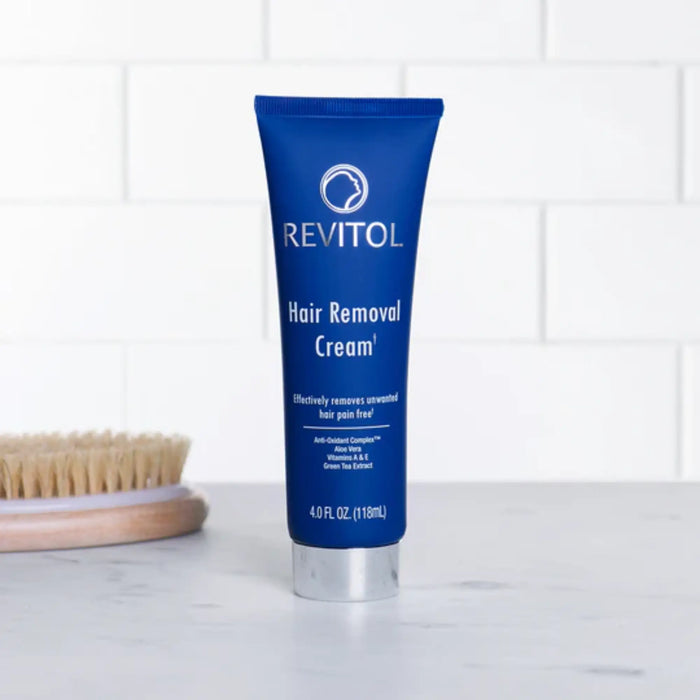
Revitol Hair Removal Cream provides effective depilation with added skin conditioners to minimize irritation.
Waxing
- How it works: Wax adheres to hair, pulls it from root
- Duration: 2-6 weeks
- Pros: Longer-lasting, hair regrows finer over time
- Cons: Painful, requires hair length to grip, redness, possible ingrowns
- Best for: Those willing to tolerate pain for longer results
Epilators
- How it works: Rotating tweezers pluck multiple hairs simultaneously
- Duration: 2-4 weeks
- Pros: Can be done at home, no recurring product cost
- Cons: Painful (especially initially), time-consuming
- Best for: Those wanting wax-like results at home
Laser Hair Removal
- How it works: Light energy targets pigment, damaging follicle
- Duration: Can be permanent with multiple sessions
- Pros: Long-term or permanent reduction
- Cons: Expensive, requires multiple sessions, works best on dark hair/light skin
- Best for: Those wanting permanent reduction, willing to invest
Electrolysis
- How it works: Electric current destroys follicle individually
- Duration: Permanent
- Pros: Works on all hair/skin colors, truly permanent
- Cons: Time-consuming (one hair at a time), expensive, painful
- Best for: Small areas, light-colored hair (where laser doesn't work)
Hair Growth Inhibitors
An often-overlooked category that can reduce regrowth over time.
How They Work
Hair growth inhibitors typically contain:
- Enzymes that interfere with hair protein production
- Botanical compounds that slow cell division in follicles
- Ingredients that weaken hair structure over time
What to Expect
- Gradual reduction in hair growth over weeks/months
- Hair may grow back finer and sparser
- Works best when used consistently after hair removal
- Not permanent—requires ongoing use
Product Recommendation
Ultra Hair Away is a spray-on hair growth inhibitor that:
- Applies easily after any hair removal method
- Gradually reduces regrowth with consistent use
- Works on all body areas
- Suitable for all skin types
Combination Approach
For best results, combine removal methods with growth inhibitors:
- Remove hair with your preferred method (waxing, cream, etc.)
- Apply growth inhibitor immediately after removal
- Continue inhibitor application between hair removal sessions
- Over time, you may need to remove hair less frequently
Choosing the Right Method
Consider Your Priorities
| Priority | Best Methods |
|---|---|
| Speed | Shaving, depilatory cream |
| Longer-lasting | Waxing, epilator, laser |
| Pain-free | Shaving, depilatory cream |
| Permanent | Laser, electrolysis |
| Affordable | Shaving, creams, inhibitors |
| Reduced regrowth | Waxing + growth inhibitor |
Preventing Ingrown Hairs
- Exfoliate regularly (prevents dead skin trapping hairs)
- Shave in direction of hair growth
- Use sharp razors (replace frequently)
- Moisturize after hair removal
- Consider hair growth inhibitors (thinner hair = fewer ingrowns)
Conclusion
The best hair removal method depends on your budget, pain tolerance, and how often you want to deal with regrowth. For most people, a combination approach works well: use effective removal methods like Revitol Hair Removal Cream combined with Ultra Hair Away growth inhibitor to reduce regrowth over time.
For truly permanent results, laser or electrolysis are the only options—but they require significant investment. Hair growth inhibitors offer a middle ground: not permanent, but meaningful reduction in how often you need to remove hair.