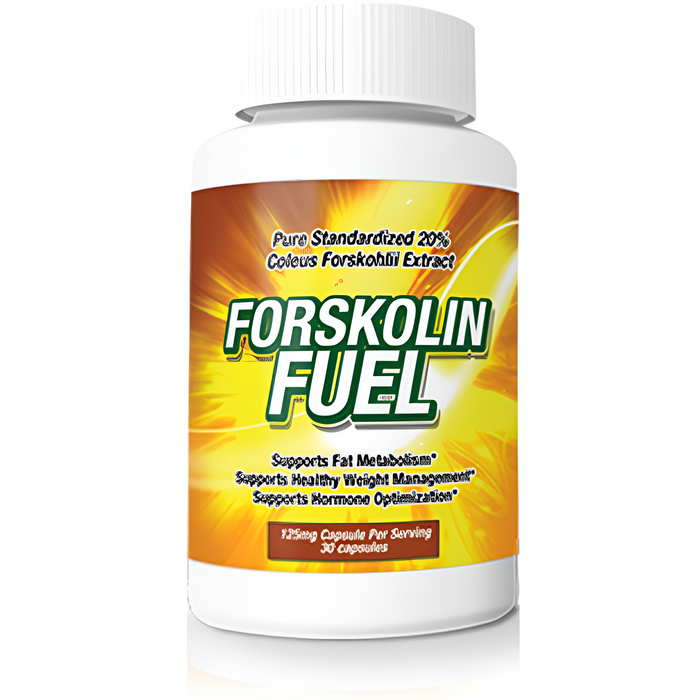
Forskolin, derived from the Coleus Forskohlii plant, gained attention after being promoted for weight loss on national television. But beyond the hype, there's interesting science about how this compound affects cellular metabolism. This guide examines the evidence.
What Is Forskolin?
Forskolin is an active compound extracted from the roots of Coleus forskohlii, a plant in the mint family:
- Traditional use: Ayurvedic medicine for heart, lung, and digestive conditions
- Origin: Native to India, Nepal, Thailand
- Modern research: Studied for weight loss, asthma, glaucoma, heart health
- Unique mechanism: Directly activates adenylate cyclase enzyme
How Forskolin Works
The cAMP Connection
Forskolin's mechanism is unique and well-understood:
- Forskolin directly activates adenylate cyclase enzyme
- This increases intracellular cAMP (cyclic adenosine monophosphate)
- cAMP is a crucial "second messenger" regulating many cellular processes
- Elevated cAMP triggers hormone-sensitive lipase, which breaks down stored fat
Effects of Increased cAMP
- Enhanced lipolysis (fat breakdown)
- Increased thyroid hormone production
- Improved insulin secretion
- Increased thermogenesis (heat production)
- Various cellular regulatory effects
Clinical Evidence for Weight Loss
Key Studies
Overweight Men Study (2005)
30 overweight men took Forskolin or placebo for 12 weeks:
- Forskolin group: Decreased body fat percentage, increased bone mass, increased testosterone
- Body weight didn't change significantly (fat replaced with lean mass)
- Suggests body recomposition rather than weight loss
Overweight Women Study (2005)
23 women took Forskolin or placebo for 12 weeks:
- No significant change in body composition
- Forskolin appeared to prevent further weight gain
- Less robust results than in men
Evidence Assessment
Evidence Level: Moderate
The evidence is mixed:
- Mechanism of action is well-established
- Some studies show benefits for body composition (especially in men)
- Effects on weight loss per se are limited
- May be better for body recomposition than scale weight loss
Who Might Benefit
Potentially Good Candidates
- Men looking to improve body composition
- Those more focused on fat loss than scale weight
- People who exercise (may enhance results)
- Those seeking to preserve/build muscle while losing fat
Less Ideal Candidates
- Those focused only on scale weight
- Women (evidence is weaker)
- Those expecting dramatic results without lifestyle changes
Dosage & Usage
Standard Protocol
- Typical dose: 250mg of 10% Forskolin extract (25mg active Forskolin)
- Frequency: Twice daily
- With food: May reduce digestive upset
- Duration: Studies lasted 12 weeks
Product Recommendation
Forskolin Premium Plus provides standardized Coleus forskohlii extract at effective doses for metabolic support.
Safety & Side Effects
Generally Well-Tolerated
Side effects are usually mild:
- Occasional digestive upset
- Possible low blood pressure (due to vasodilation)
- May increase stomach acid
Precautions
- Blood pressure medications: May enhance BP-lowering effects
- Blood thinners: May have antiplatelet effects
- Surgery: Stop 2 weeks before scheduled procedures
- Pregnancy/breastfeeding: Avoid (insufficient safety data)
Combining Forskolin with Other Supplements
Synergistic Combinations
- With caffeine/green tea: May enhance thermogenic effects
- With exercise: May support lean mass preservation
For Comprehensive Weight Loss
Consider combining with:
- African Mango for appetite control
- Green Coffee Bean for blood sugar support
Conclusion
Forskolin has an interesting and well-understood mechanism that genuinely affects fat metabolism. The clinical evidence shows promise for body composition improvement, particularly in men. However, expect body recomposition (more muscle, less fat) rather than dramatic scale weight loss.
Forskolin Premium Plus is a reasonable option for those looking to support fat metabolism, especially when combined with resistance training. As always, supplements work best as part of a comprehensive approach including diet and exercise.