Hair loss isn't just a man's problem. Approximately 40% of women experience noticeable hair thinning by age 50, yet it's rarely discussed openly. The emotional impact can be devastating—hair is deeply tied to feminine identity. The good news: effective treatments exist, and the sooner you start, the better your results.
Understanding Female Hair Loss
Female hair loss differs from male pattern baldness in important ways:
How Women Lose Hair Differently
While men typically develop a receding hairline and bald spot, women usually experience:
- Diffuse Thinning: Hair thins evenly across the entire scalp
- Widening Part: The center part becomes visibly wider
- Preserved Hairline: The frontal hairline usually remains intact
- Overall Volume Loss: Ponytails become thinner; scalp becomes more visible
The Ludwig Scale
Female hair loss is classified using the Ludwig Scale:
- Type I: Mild thinning, easily disguised with styling
- Type II: Noticeable thinning and widening of the part
- Type III: Significant thinning; scalp visible through remaining hair
Common Causes in Women
1. Female Pattern Hair Loss (Androgenic Alopecia)
The most common cause, affecting 30 million American women. Genetic sensitivity to androgens (male hormones present in small amounts in all women) causes follicle miniaturization. Progresses slowly over years.
2. Telogen Effluvium
Temporary massive shedding triggered by:
- Childbirth (postpartum hair loss)
- Major illness or surgery
- Extreme stress or trauma
- Crash dieting or nutritional deficiency
- Starting/stopping birth control
- Thyroid disorders
Usually resolves on its own within 6-12 months once the trigger is addressed.
3. Nutritional Deficiencies
Hair requires significant nutritional resources. Deficiencies linked to hair loss include:
- Iron: The most common deficiency causing female hair loss
- Vitamin D: Low levels associated with alopecia
- Zinc: Essential for hair tissue growth
- Biotin: Rare deficiency but worth checking
- Protein: Hair is 95% protein (keratin)
4. Hormonal Changes
- Menopause: Declining estrogen unmasks androgen effects
- PCOS: Elevated androgens cause hair loss pattern similar to men
- Thyroid Disorders: Both hypo- and hyperthyroidism affect hair
5. Traction Alopecia
Hair loss from repeated tension: tight ponytails, braids, extensions, weaves. Initially reversible; becomes permanent if tension continues.
Treatment: Minoxidil for Women
Minoxidil is the only FDA-approved topical treatment for female hair loss. Here's everything you need to know about using it correctly.
Why 2% Concentration for Women?
Women should use 2% Minoxidil, not the 5% men's formula:
- 5% can cause significant facial hair growth in women
- 2% is proven effective for female pattern hair loss
- Women's scalps may absorb Minoxidil more efficiently
- 2% produces comparable results with fewer side effects
How to Apply Minoxidil
- Part hair to expose the scalp in thinning areas
- Apply 1ml (measured dropper or 20 sprays) to DRY scalp
- Spread evenly across the entire affected area
- Massage gently into scalp
- Let dry completely (15-20 minutes) before styling
- Apply once daily (evening is often easiest)
- Don't wash hair for at least 4 hours after application
What to Expect: Timeline
- Weeks 2-6: Possible increased shedding—this is NORMAL and actually indicates treatment is working (old hairs pushed out by new growth)
- Months 2-4: Shedding normalizes; fine new hairs may be visible
- Months 4-6: New hairs thicken; visible improvement in most women
- Months 6-12: Continued improvement; full results
Important: Don't Stop During Shedding
Many women panic and stop treatment when shedding increases. This is a mistake! The shedding phase (called "dread shed") happens because Minoxidil synchronizes hair cycles and pushes weak hairs out to make room for healthier growth. Stopping now means you've gone through the worst part for nothing.
Supporting Supplements for Female Hair
While Minoxidil addresses hair growth externally, internal support optimizes results.
Biotin
Essential for keratin production. While true biotin deficiency is rare, supplementation may support hair structure. Standard dose: 2500-5000mcg daily.
Iron
Get tested first. Iron deficiency is a major cause of female hair loss, but don't supplement without confirming deficiency—excess iron can be harmful. If ferritin (iron stores) is below 70 ng/mL, supplementation may help.
Vitamin D
Low vitamin D is associated with alopecia. Most women benefit from supplementation, especially in northern climates. Target blood level: 40-60 ng/mL.
Marine Collagen
Provides amino acids specifically needed for hair structure. Studies show improvements in hair thickness and growth.
Horsetail Extract (Silica)
Natural source of silica, which supports hair shaft strength and may reduce breakage.
The Complete Solution
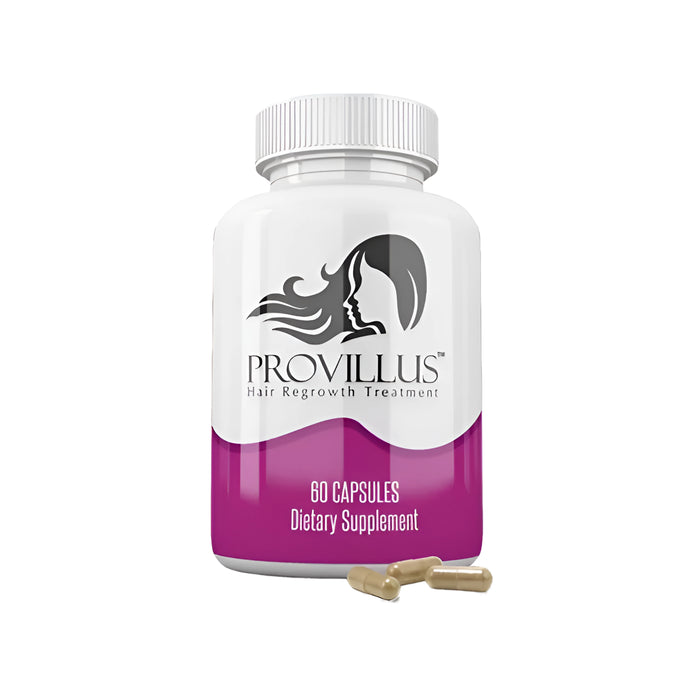
Provillus for Women combines 2% Minoxidil topical solution with an oral supplement containing biotin, horsetail silica, and supporting nutrients—specifically formulated for female physiology without the high-dose DHT blockers that could affect hormones.
Lifestyle Factors That Affect Hair
Stress Management
Chronic stress elevates cortisol, which can trigger telogen effluvium and exacerbate genetic hair loss. Stress reduction isn't optional—it's essential for hair health.
Nutrition
Hair requires significant protein and nutrients. Crash dieting commonly triggers shedding 2-3 months later. Ensure adequate:
- Protein (0.8-1g per pound of body weight)
- Iron-rich foods (red meat, spinach, legumes)
- Omega-3 fatty acids (fish, flaxseed)
- Zinc (oysters, beef, pumpkin seeds)
Gentle Hair Care
- Avoid tight hairstyles that pull on follicles
- Minimize heat styling
- Use wide-tooth comb on wet hair
- Choose sulfate-free shampoos
- Avoid harsh chemical treatments
When to See a Doctor
Consult a dermatologist or healthcare provider if:
- Hair loss is sudden or in patches (may indicate alopecia areata)
- You have other symptoms (fatigue, weight changes, irregular periods)
- Hair loss is accompanied by scalp pain or itching
- OTC treatments haven't worked after 12 months
- You're unsure of the cause
Conclusion: Taking Action on Female Hair Loss
Female hair loss is treatable, but results require patience and consistency. Start treatment as early as possible—it's easier to maintain hair than regrow it.
A comprehensive approach works best: Minoxidil to stimulate growth externally, nutritional support internally, and lifestyle optimization to remove barriers. Provillus for Women provides this complete system in one package.
Don't suffer in silence. Hair loss is a medical condition with real solutions. You deserve to feel confident about your hair again.