What if I told you that a single biological process underlies heart disease, type 2 diabetes, cancer, Alzheimer's disease, depression, arthritis, and virtually every chronic disease of modern civilization? That process is chronic inflammation—and it's likely affecting you right now without your knowledge. According to the RAND Corporation, approximately 60% of Americans have at least one chronic disease, and nearly 40% have two or more. The common thread? Inflammation. This comprehensive guide reveals the science behind chronic inflammation and provides evidence-based strategies to detect, reduce, and eliminate it—potentially adding years to your life and life to your years.
Introduction: The Hidden Epidemic
In 2004, Time Magazine featured a cover story calling inflammation "The Secret Killer." Two decades later, the scientific evidence has only grown stronger. Research published in Nature Medicine now describes chronic low-grade inflammation as the common denominator of virtually all chronic diseases—cardiovascular disease, cancer, diabetes, chronic kidney disease, non-alcoholic fatty liver disease, and autoimmune and neurodegenerative conditions.
According to Harvard Medical School, chronic inflammation doesn't announce itself with obvious symptoms. Unlike the redness and swelling of an acute injury, chronic inflammation smolders silently, progressively damaging tissues, blood vessels, and organs over years and decades. By the time disease manifests, the damage may be extensive.
The good news? Chronic inflammation is largely driven by modifiable factors—diet, lifestyle, gut health, stress, sleep, and environmental exposures. This means it can be prevented, reduced, and even reversed. Research from institutions including the Cleveland Clinic, Mayo Clinic, and numerous peer-reviewed journals provides a clear roadmap for controlling inflammation naturally.
This guide synthesizes that research into actionable strategies. You'll learn exactly what causes chronic inflammation, how to test for it, which foods fight it (and which fuel it), which supplements have real evidence, and how to build a comprehensive anti-inflammatory lifestyle.
What Is Inflammation? The Good and The Bad
Inflammation is your immune system's response to harmful stimuli—pathogens, damaged cells, or irritants. It's a critical survival mechanism that has protected humans for millennia. The problem isn't inflammation itself—it's when inflammation becomes chronic and systemic.
Acute vs. Chronic Inflammation
Acute inflammation is the beneficial type. When you cut your finger, sprain an ankle, or catch a cold, your immune system launches an inflammatory response:
- Blood vessels dilate, increasing blood flow (causing redness and warmth)
- Vessel walls become permeable, allowing immune cells to enter tissue (causing swelling)
- Immune cells attack pathogens and clear damaged tissue
- Once the threat is neutralized, inflammation resolves
- Healing occurs
This process is essential for survival. Without acute inflammation, wounds wouldn't heal and infections would be fatal.
Chronic inflammation is different—and dangerous. According to research published in Nature Medicine, chronic inflammation occurs when:
- The inflammatory response never fully resolves
- The immune system attacks healthy tissue (autoimmunity)
- Low-grade inflammatory triggers persist (poor diet, obesity, stress, toxins)
- The inflammatory response becomes systemic rather than localized
Chronic inflammation doesn't produce the obvious symptoms of acute inflammation. Instead, it creates a persistent state of immune activation that slowly damages tissues throughout the body.
The Inflammatory Process: What Happens in Your Body
Understanding the key players in inflammation helps explain why certain interventions work:
Pro-inflammatory cytokines:
Cytokines are signaling proteins that coordinate immune responses. Key pro-inflammatory cytokines include:
- TNF-alpha (Tumor Necrosis Factor-alpha): Promotes inflammation and can trigger cell death
- IL-1 (Interleukin-1): Induces fever and activates other immune cells
- IL-6 (Interleukin-6): Stimulates acute phase response; elevated in many chronic diseases
- IL-17: Important in autoimmune conditions
NF-κB (Nuclear Factor kappa B):
According to research in Oncotarget, NF-κB is considered the "master switch" of inflammation. When activated, it enters cell nuclei and turns on genes for inflammatory cytokines, enzymes, and other mediators. Many anti-inflammatory interventions (including curcumin) work by inhibiting NF-κB activation.
COX enzymes:
Cyclooxygenase enzymes (COX-1 and COX-2) produce prostaglandins—hormone-like compounds that promote inflammation, pain, and fever. NSAIDs like ibuprofen work by blocking COX enzymes. Some natural compounds (ginger, omega-3s) also modulate COX activity.
Oxidative stress:
Inflammation and oxidative stress are intimately connected. Inflammatory processes generate reactive oxygen species (ROS), which cause oxidative damage. This damage triggers more inflammation, creating a self-perpetuating cycle. Antioxidants help break this cycle.
Diseases Linked to Chronic Inflammation
The list of conditions associated with chronic inflammation is staggering. According to research from Harvard Medical School and the National Institutes of Health (NIH), inflammation plays a causative or exacerbating role in:
Heart Disease and Inflammation
Cardiovascular disease remains the leading cause of death worldwide, and inflammation is now recognized as a central driver—not just a bystander.
According to research published in the New England Journal of Medicine, inflammation directly contributes to atherosclerosis (artery plaque buildup) through multiple mechanisms:
- Damages endothelial cells lining blood vessels
- Promotes LDL cholesterol oxidation (oxidized LDL is what actually damages arteries)
- Triggers foam cell formation within arterial walls
- Destabilizes plaques, leading to rupture (heart attack, stroke)
- Promotes blood clot formation
The landmark CANTOS trial (Canakinumab Anti-inflammatory Thrombosis Outcomes Study), published in the New England Journal of Medicine (2017), proved this relationship definitively. Participants who received an anti-inflammatory drug (without any effect on cholesterol) had significantly reduced cardiovascular events—proving that inflammation itself, independent of cholesterol, causes heart disease.
CRP and heart disease: According to the American Heart Association, elevated high-sensitivity C-reactive protein (hs-CRP) independently predicts heart attack and stroke risk—even when cholesterol levels are normal.
Type 2 Diabetes and Inflammation
The relationship between inflammation and type 2 diabetes is bidirectional and powerful:
Inflammation causes insulin resistance:
Research published in Nature demonstrates that inflammatory cytokines (particularly TNF-alpha and IL-6) directly interfere with insulin signaling. Adipose tissue (fat) produces these cytokines, explaining why obesity is so strongly linked to diabetes.
Diabetes increases inflammation:
High blood sugar promotes inflammation through multiple mechanisms, including glycation (sugar binding to proteins), oxidative stress, and advanced glycation end products (AGEs). This creates a vicious cycle.
According to research from Harvard T.H. Chan School of Public Health, anti-inflammatory dietary patterns (like the Mediterranean diet) significantly reduce diabetes risk—by up to 52% in some studies.
Cancer and Inflammation
The connection between inflammation and cancer has been recognized since 1863 when Rudolf Virchow noted cancer often arose at sites of chronic inflammation. Modern research has confirmed and expanded this understanding.
According to research published in Nature, chronic inflammation promotes cancer through:
- DNA damage: Inflammatory processes generate free radicals that damage DNA
- Increased cell proliferation: Inflammatory signals promote cell division
- Inhibited apoptosis: Normal cell death (cancer's check system) is suppressed
- Angiogenesis: Inflammation promotes blood vessel growth that tumors need
- Metastasis: Inflammatory mediators facilitate cancer spread
- Immune suppression: Chronic inflammation can paradoxically suppress anti-tumor immunity
Specific inflammation-cancer links include:
- Chronic hepatitis → Liver cancer
- H. pylori infection → Stomach cancer
- Inflammatory bowel disease → Colon cancer
- Chronic pancreatitis → Pancreatic cancer
- Obesity-related inflammation → Multiple cancer types
Research published in The Lancet estimates that 15-20% of all cancers are directly linked to chronic inflammation.
Alzheimer's, Depression, and Brain Inflammation
The brain was once considered "immune privileged"—protected from systemic inflammation. We now know this isn't true. Neuroinflammation plays a key role in:
Alzheimer's disease:
Research published in Nature Reviews Neuroscience shows that neuroinflammation is present from the earliest stages of Alzheimer's—not just a consequence of the disease. Inflammatory microglia (brain immune cells) contribute to neuronal damage and amyloid plaque accumulation.
Depression:
The "cytokine theory of depression" is now well-established. According to research in JAMA Psychiatry, people with depression have elevated inflammatory markers (CRP, IL-6, TNF-alpha). Anti-inflammatory treatments can improve depressive symptoms. Inflammation may explain why some depression doesn't respond to traditional antidepressants.
Brain fog and cognitive decline:
Even without diagnosed disease, systemic inflammation impairs cognitive function. Research shows elevated CRP correlates with poorer memory and executive function.
Autoimmune Diseases
Autoimmune diseases are inflammation by definition—the immune system attacking healthy tissue. Conditions include:
- Rheumatoid arthritis
- Lupus
- Multiple sclerosis
- Inflammatory bowel disease (Crohn's, ulcerative colitis)
- Psoriasis and psoriatic arthritis
- Hashimoto's thyroiditis
- Type 1 diabetes
According to the National Institutes of Health, autoimmune diseases affect approximately 24 million Americans—and rates are increasing, particularly in Western countries.
What Causes Chronic Inflammation?
Understanding what triggers and perpetuates chronic inflammation is essential for controlling it. Most causes are modifiable.
Dietary Causes
Diet is arguably the most significant driver of chronic inflammation. According to research from Harvard Medical School, the Western diet is inherently pro-inflammatory:
Sugar and refined carbohydrates:
Research published in the American Journal of Clinical Nutrition demonstrates that high sugar intake promotes inflammation through multiple mechanisms:
- Stimulates inflammatory cytokine production
- Promotes insulin resistance
- Increases oxidative stress
- Creates advanced glycation end products (AGEs)
- Feeds pro-inflammatory gut bacteria
Omega-6 fatty acid excess:
The Western diet contains excessive omega-6 fatty acids (from vegetable oils, processed foods) relative to omega-3s. According to research in Biomedicine & Pharmacotherapy, the ideal omega-6 to omega-3 ratio is around 1:1 to 4:1. The typical Western diet is 15:1 to 25:1. This imbalance promotes pro-inflammatory eicosanoid production.
Trans fats:
Artificial trans fats are directly inflammatory. Research shows they increase IL-6, TNF-alpha, and CRP. Though mostly banned, small amounts still exist in some processed foods.
Processed foods:
Beyond specific ingredients, ultra-processed foods are associated with inflammation independently of their macronutrient content. Additives, emulsifiers, and processing itself may contribute.
Gut Dysbiosis and Leaky Gut
The gut microbiome profoundly influences systemic inflammation. According to research published in Nature Reviews Immunology:
Dysbiosis (microbial imbalance):
A healthy microbiome produces anti-inflammatory short-chain fatty acids (SCFAs) and maintains gut barrier integrity. Dysbiosis—from antibiotics, poor diet, stress—shifts toward pro-inflammatory species that produce endotoxins.
Leaky gut (intestinal permeability):
When the intestinal barrier is compromised, bacterial components (particularly lipopolysaccharide, or LPS) enter the bloodstream, triggering systemic immune activation. This "metabolic endotoxemia" is increasingly recognized as a major driver of chronic inflammation.
Research from the Cleveland Clinic shows that gut-derived inflammation contributes to cardiovascular disease, diabetes, obesity, and even depression.
Supporting gut health through probiotics is essential for inflammation control. Bowtrol Probiotic provides 9 billion CFU of beneficial bacteria to support microbiome balance and gut barrier integrity.
Obesity and Visceral Fat
Adipose tissue isn't just storage—it's an active endocrine organ. According to research in Journal of Clinical Investigation, fat tissue (especially visceral fat around organs) actively secretes inflammatory cytokines:
- TNF-alpha
- IL-6
- Leptin (pro-inflammatory at high levels)
- Resistin
- Monocyte chemoattractant protein-1 (MCP-1)
Obese individuals have chronically elevated inflammatory markers. Weight loss consistently reduces inflammation—studies show decreases in CRP of 30-50% with significant weight loss.
African Mango supports healthy weight management and has been shown in clinical studies to reduce C-reactive protein levels by up to 52%, addressing both weight and inflammation simultaneously.
Chronic Stress
Psychological stress is a powerful inflammatory trigger. According to research published in Proceedings of the National Academy of Sciences:
- Stress activates the HPA axis and sympathetic nervous system
- Acute stress is immunosuppressive but chronic stress is inflammatory
- Chronic stress increases NF-κB activation
- Stressed individuals have elevated IL-6, CRP, and other markers
- Caregivers (chronic stress model) show accelerated inflammatory aging
The stress-inflammation connection helps explain why stress is linked to heart disease, autoimmune flares, and accelerated aging.
Sleep Deprivation
Sleep is essential for inflammation control. Research from the University of California, Los Angeles published in Biological Psychiatry found that even modest sleep restriction (sleeping 6 hours instead of 8) increases inflammatory markers including:
- IL-6 (increased up to 50%)
- CRP (increased significantly)
- TNF-alpha
- NF-κB activation
Chronic sleep deprivation creates persistent low-grade inflammation that increases disease risk.
Environmental Toxins
Environmental exposures contribute to inflammatory burden:
- Air pollution: Particulate matter triggers inflammatory responses in lungs and systemically
- Heavy metals: Lead, mercury, cadmium activate inflammatory pathways
- Pesticides: Some pesticide residues are pro-inflammatory
- Plasticizers (BPA, phthalates): Endocrine disruptors with inflammatory effects
- Cigarette smoke: One of the most potent inflammatory exposures
Sedentary Lifestyle
Physical inactivity independently promotes inflammation. According to research in Brain, Behavior, and Immunity, sedentary individuals have significantly higher inflammatory markers than active counterparts—even when controlling for weight.
Signs and Symptoms of Chronic Inflammation
Chronic inflammation often doesn't produce obvious symptoms, which is why it's called "silent inflammation." However, subtle signs can include:
- Fatigue: Persistent tiredness not relieved by rest
- Body aches: Generalized pain without clear cause
- Joint pain or stiffness: Especially morning stiffness
- Digestive issues: Bloating, gas, constipation, diarrhea
- Skin problems: Rashes, eczema, psoriasis flares
- Frequent infections: Weakened immune function
- Weight gain: Especially around the midsection
- Brain fog: Difficulty concentrating, memory issues
- Depression or anxiety: Mood disturbances
- Allergies worsening: Heightened allergic responses
- Puffy face: Fluid retention, especially morning puffiness
- Gum disease: Inflammation of gum tissue
Many people normalize these symptoms as "just getting older" or "just stress." But they may indicate chronic inflammation that's silently damaging your health.
How to Test for Inflammation
Unlike acute inflammation, chronic inflammation requires laboratory testing to detect. Several markers are useful:
C-Reactive Protein (CRP and hs-CRP)
C-reactive protein is produced by the liver in response to inflammation. It's the most widely used inflammatory marker.
Standard CRP: Detects significant inflammation (infections, autoimmune flares). Normal is <10 mg/L.
High-sensitivity CRP (hs-CRP): Detects low-grade chronic inflammation. According to the American Heart Association:
- <1.0 mg/L: Low cardiovascular risk
- 1.0-3.0 mg/L: Moderate risk
- >3.0 mg/L: High risk
Hs-CRP predicts heart disease risk independent of cholesterol. Research published in the New England Journal of Medicine shows that individuals with elevated hs-CRP have 2-3 times higher cardiovascular event risk.
Testing considerations:
- Acute illness can temporarily spike CRP—test when healthy
- Test twice, several weeks apart, to confirm chronic elevation
- Use hs-CRP, not standard CRP, for cardiovascular risk assessment
Other Inflammatory Markers
Erythrocyte Sedimentation Rate (ESR):
Measures how quickly red blood cells settle. Elevated in inflammation but less specific than CRP.
Fibrinogen:
Clotting protein that increases with inflammation. Elevated levels predict cardiovascular events.
Homocysteine:
Amino acid that promotes inflammation and oxidative stress. Elevated levels damage blood vessels.
Fasting insulin:
High fasting insulin indicates insulin resistance, which is both a cause and consequence of inflammation.
HbA1c:
Reflects average blood sugar over 3 months. Elevated levels promote glycation and inflammation.
Ferritin:
Iron storage protein that's also an acute phase reactant. Very high ferritin can indicate inflammation (though low ferritin indicates deficiency).
Comprehensive metabolic panel:
Liver enzymes (ALT, AST), kidney function, and blood glucose provide context for overall metabolic health.
The Anti-Inflammatory Diet: Complete Guide
Diet is the most powerful tool for controlling chronic inflammation. Research consistently shows that dietary patterns can dramatically raise or lower inflammatory markers.
Foods to Eat: Anti-Inflammatory Powerhouses
Fatty fish:
Salmon, mackerel, sardines, anchovies, and herring are rich in EPA and DHA omega-3 fatty acids. Research published in Journal of the American College of Cardiology shows these omega-3s reduce IL-6, TNF-alpha, and CRP. Aim for 2-3 servings weekly.
Leafy green vegetables:
Spinach, kale, collards, and Swiss chard contain antioxidants and polyphenols that inhibit NF-κB and reduce inflammatory cytokines.
Berries:
Blueberries, strawberries, raspberries, and blackberries contain anthocyanins—potent anti-inflammatory compounds. Research in the Journal of Nutrition shows berry consumption reduces CRP and IL-6.
Nuts:
Almonds, walnuts, and other nuts reduce inflammation through healthy fats, fiber, and polyphenols. The PREDIMED trial showed nut consumption significantly reduced inflammatory markers.
Olive oil (extra virgin):
EVOO contains oleocanthal, a compound with anti-inflammatory effects similar to ibuprofen. Research shows EVOO reduces CRP and IL-6.
Tomatoes:
Rich in lycopene, a powerful antioxidant that reduces inflammation. Cooked tomatoes provide more bioavailable lycopene.
Cruciferous vegetables:
Broccoli, cauliflower, Brussels sprouts contain sulforaphane, which inhibits NF-κB activation.
Turmeric:
Contains curcumin, one of the most potent natural anti-inflammatory compounds known. (See supplements section for details.)
Ginger:
Contains gingerols with anti-inflammatory effects comparable to NSAIDs in some studies.
Garlic:
Contains allicin and other sulfur compounds with anti-inflammatory and immune-modulating effects.
Green tea:
EGCG (epigallocatechin gallate) is a powerful anti-inflammatory polyphenol that inhibits NF-κB.
Dark chocolate (70%+ cacao):
Flavanols in dark chocolate reduce inflammation. Research shows regular dark chocolate consumption lowers CRP.
Foods to Avoid: Pro-Inflammatory Triggers
Sugar and high-fructose corn syrup:
Research consistently links added sugar to elevated inflammatory markers. The American Heart Association recommends limiting added sugar to 25g (women) or 36g (men) daily.
Refined carbohydrates:
White bread, white rice, pastries, and other refined grains spike blood sugar and promote inflammation.
Vegetable and seed oils (in excess):
Soybean oil, corn oil, sunflower oil, and other omega-6-rich oils promote inflammation when consumed in excess relative to omega-3s.
Trans fats:
Partially hydrogenated oils are directly inflammatory. Check labels for "partially hydrogenated" ingredients.
Processed meats:
Hot dogs, bacon, sausages contain compounds that promote inflammation. Research links processed meat consumption to elevated CRP.
Excessive alcohol:
While moderate red wine may have anti-inflammatory effects, excessive alcohol is strongly pro-inflammatory and damages gut barrier integrity.
Artificial additives:
Some artificial sweeteners, colors, and preservatives may promote inflammation, particularly through gut microbiome effects.
Fried foods:
High-heat cooking creates advanced glycation end products (AGEs) that trigger inflammation.
The Mediterranean Diet: Gold Standard
The Mediterranean diet has more evidence for reducing inflammation than any other dietary pattern. According to research published in the New England Journal of Medicine, the Mediterranean diet:
- Reduces CRP by 20-40%
- Lowers IL-6 and TNF-alpha
- Decreases cardiovascular events by 30%
- Reduces diabetes risk by up to 52%
- May reduce cancer risk
Mediterranean diet principles:
- Abundant vegetables, fruits, legumes, whole grains
- Olive oil as primary fat source
- Fish and seafood several times weekly
- Moderate poultry and eggs
- Limited red meat (a few times monthly)
- Moderate red wine (optional)
- Minimal processed foods and added sugars
- Herbs and spices for flavor
Sample 7-Day Anti-Inflammatory Meal Plan
Day 1:
- Breakfast: Greek yogurt with berries, walnuts, and honey
- Lunch: Large salad with mixed greens, grilled salmon, olive oil dressing
- Dinner: Turmeric-spiced chicken with roasted vegetables
Day 2:
- Breakfast: Spinach omelet with avocado
- Lunch: Lentil soup with whole grain bread
- Dinner: Baked mackerel with quinoa and steamed broccoli
Day 3:
- Breakfast: Overnight oats with chia seeds, berries, and almonds
- Lunch: Mediterranean chickpea salad with olive oil
- Dinner: Grass-fed beef stir-fry with colorful vegetables and ginger
Day 4:
- Breakfast: Smoothie with spinach, berries, flaxseed, and turmeric
- Lunch: Grilled chicken over mixed greens with nuts
- Dinner: Sardines on whole grain toast with large salad
Day 5:
- Breakfast: Eggs with sautéed vegetables and avocado
- Lunch: Salmon salad with olive oil dressing
- Dinner: Vegetable curry with turmeric and coconut milk over cauliflower rice
Day 6:
- Breakfast: Chia pudding with walnuts and berries
- Lunch: Turkey lettuce wraps with vegetables
- Dinner: Grilled fish with roasted Mediterranean vegetables
Day 7:
- Breakfast: Vegetable frittata with herbs
- Lunch: Bone broth soup with vegetables
- Dinner: Herb-crusted salmon with asparagus and sweet potato
Evidence-Based Anti-Inflammatory Supplements
While diet is foundational, certain supplements have strong evidence for reducing inflammation.
Curcumin/Turmeric: The Golden Anti-Inflammatory
Evidence Level: Very Strong
Curcumin, the active compound in turmeric, is one of the most extensively studied natural anti-inflammatory compounds. According to a review in the Journal of Medicinal Food analyzing over 120 clinical trials, curcumin:
- Inhibits NF-κB activation (the master inflammation switch)
- Reduces TNF-alpha, IL-1, IL-6, and other cytokines
- Inhibits COX-2 and LOX enzymes
- Reduces CRP levels by 20-30% in clinical trials
- Has comparable efficacy to some NSAIDs without the side effects
A meta-analysis in the Journal of Clinical Medicine found curcumin significantly reduces CRP, particularly in individuals with elevated baseline inflammation.
The absorption problem:
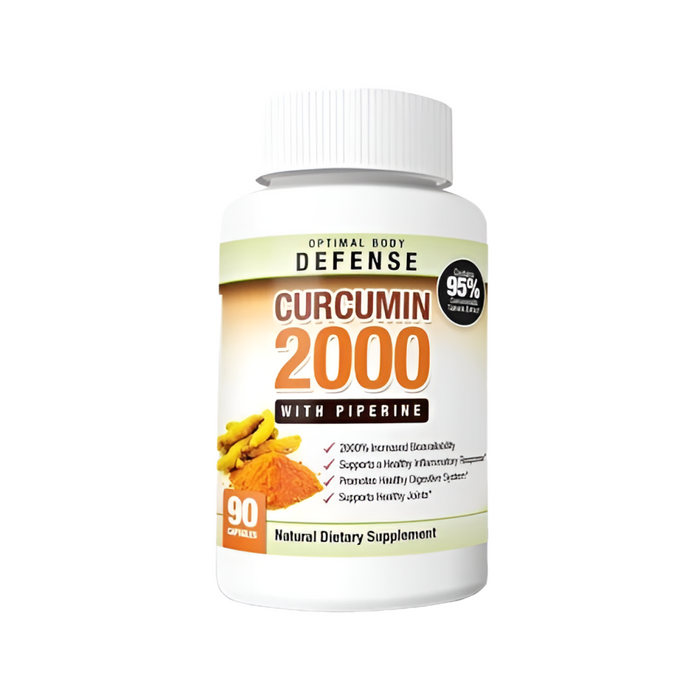
Native curcumin has very poor bioavailability—most is not absorbed. Enhanced formulations are essential. Research shows piperine (black pepper extract) increases curcumin absorption by 2000%.
Curcumin 2000 contains high-potency curcumin with BioPerine® (standardized piperine) for dramatically enhanced absorption, delivering clinically meaningful anti-inflammatory effects.
Dosage: 500-2000mg curcumin daily with enhanced absorption. Effects typically noticed within 4-8 weeks.
Omega-3 Fatty Acids: Essential Inflammation Fighters
Evidence Level: Very Strong
EPA and DHA omega-3 fatty acids are among the most well-documented anti-inflammatory nutrients. According to research published in Brain, Behavior, and Immunity:
- Omega-3s compete with omega-6s for enzymatic conversion, shifting production from pro-inflammatory to anti-inflammatory eicosanoids
- They produce specialized pro-resolving mediators (SPMs) that actively resolve inflammation
- High-dose omega-3s reduce CRP by 20-35%
- They lower IL-6 and TNF-alpha
The REDUCE-IT trial published in the New England Journal of Medicine showed high-dose EPA reduced cardiovascular events by 25% in high-risk patients.
Dosage: 2000-4000mg combined EPA/DHA daily for anti-inflammatory effects. Higher EPA ratios may be more effective for inflammation.
Probiotics: Gut-Based Inflammation Control
Evidence Level: Strong
Given the gut's central role in systemic inflammation, probiotics offer a logical intervention. Research published in Clinical Nutrition shows that probiotics:
- Improve gut barrier integrity, reducing endotoxin translocation
- Shift microbiome toward anti-inflammatory species
- Increase short-chain fatty acid production
- Reduce CRP and other inflammatory markers
- Modulate systemic immune responses
A meta-analysis in Nutrients found that probiotic supplementation significantly reduced CRP, particularly in individuals with elevated baseline inflammation.
Bowtrol Probiotic provides 9 billion CFU of Lactobacillus and Bifidobacterium strains to support gut barrier integrity, microbiome balance, and reduced systemic inflammation.
Dosage: 5-20 billion CFU daily. Multi-strain formulations appear most effective.
Vitamin D: The Immune Modulator
Evidence Level: Strong
Vitamin D receptors are present on virtually all immune cells, and vitamin D plays a key role in modulating inflammation. According to research in Journal of Immunology Research:
- Vitamin D inhibits pro-inflammatory cytokine production
- It promotes regulatory T cells that suppress excessive inflammation
- Deficiency is associated with elevated CRP and inflammatory conditions
- Supplementation reduces CRP in deficient individuals
Dosage: 2000-4000 IU daily, or based on blood levels. Target 30-50 ng/mL.
Ginger: Traditional Medicine Meets Modern Science
Evidence Level: Moderate-Strong
Ginger contains gingerols and shogaols with documented anti-inflammatory effects. Research published in Arthritis shows:
- Ginger inhibits COX and LOX enzymes
- It reduces prostaglandin synthesis
- Clinical trials show reduced muscle pain and osteoarthritis symptoms
- Effects comparable to ibuprofen in some studies
Dosage: 1-3 grams daily of ginger powder or equivalent extract.
Resveratrol: Beyond Red Wine
Evidence Level: Moderate
Resveratrol, found in red wine, grapes, and berries, has demonstrated anti-inflammatory effects in research published in Molecular Nutrition & Food Research:
- Inhibits NF-κB activation
- Reduces inflammatory cytokines
- Has antioxidant properties
- May activate SIRT1 (associated with longevity)
Dosage: 150-500mg daily. Trans-resveratrol is the active form.
Other Promising Anti-Inflammatory Compounds
Quercetin: Flavonoid found in onions, apples, and berries. Inhibits inflammatory enzymes and mast cell activation. Useful for allergy-related inflammation.
Boswellia: Resin extract that inhibits 5-lipoxygenase (5-LOX). Particularly effective for joint inflammation.
Alpha-lipoic acid: Antioxidant that reduces oxidative stress-driven inflammation. May be particularly useful in metabolic syndrome.
Spirulina: Blue-green algae with anti-inflammatory properties. Research shows reductions in IL-6 and TNF-alpha.
Green tea extract (EGCG): Potent NF-κB inhibitor with systemic anti-inflammatory effects.
Lifestyle Strategies to Reduce Inflammation
Exercise: The Anti-Inflammatory Medicine
Regular exercise is one of the most powerful anti-inflammatory interventions available—and it's free. According to research published in Brain, Behavior, and Immunity:
- A single bout of moderate exercise reduces inflammatory markers
- Regular exercise lowers baseline CRP by 20-30%
- Exercise triggers release of anti-inflammatory myokines (IL-6 from muscle has anti-inflammatory effects, paradoxically)
- Physical activity reduces visceral fat (a major inflammatory source)
- Exercise improves insulin sensitivity, reducing metabolic inflammation
The right amount:
According to research from the American College of Sports Medicine:
- 150+ minutes of moderate exercise weekly produces anti-inflammatory effects
- Both cardio and strength training are beneficial
- Excessive intense exercise without recovery can be pro-inflammatory
- Consistency matters more than intensity
Sleep: Critical for Inflammation Control
Sleep deprivation is potently pro-inflammatory. Research from UCLA shows:
- Even one night of poor sleep increases inflammatory markers
- Chronic sleep restriction elevates CRP, IL-6, and TNF-alpha
- Sleep is when the body clears inflammatory debris
- Sleep deprivation increases NF-κB activation
For inflammation control:
- 7-9 hours nightly for adults
- Consistent sleep/wake times
- Cool, dark sleep environment
- Address sleep disorders (sleep apnea dramatically increases inflammation)
Stress Management
Chronic stress is a major inflammatory driver. Evidence-based stress reduction techniques include:
- Meditation: Research shows meditation reduces CRP and inflammatory gene expression
- Yoga: Multiple studies show reduced inflammatory markers with regular practice
- Deep breathing: Activates parasympathetic nervous system, reducing stress-driven inflammation
- Nature exposure: "Forest bathing" research shows reduced cortisol and inflammation
- Social connection: Strong relationships buffer stress effects on inflammation
Weight Management
Because adipose tissue actively produces inflammatory cytokines, maintaining healthy weight is essential for inflammation control.
- Even modest weight loss (5-10%) significantly reduces CRP
- Visceral fat reduction is particularly impactful
- Weight loss through diet and exercise reduces inflammation more than either alone
Gut Health Optimization
Given the gut's central role in systemic inflammation, optimizing gut health is essential:
Feed beneficial bacteria:
- Diverse fiber intake (vegetables, fruits, legumes, whole grains)
- Prebiotic foods (garlic, onions, leeks, asparagus)
- Resistant starch (cooled potatoes, green bananas)
Add beneficial bacteria:
- Fermented foods (yogurt, kefir, sauerkraut, kimchi)
- Probiotic supplements like Bowtrol Probiotic
Support gut barrier:
- L-glutamine supports intestinal cell health
- Zinc supports tight junction integrity
- Omega-3s reduce gut inflammation
- Avoid NSAIDs when possible (damage gut lining)
Reduce gut stressors:
- Limit processed foods and artificial additives
- Moderate alcohol consumption
- Manage stress (gut-brain axis)
- Avoid unnecessary antibiotics
Your Complete Anti-Inflammation Action Plan
Based on the evidence reviewed, here's a systematic approach to reducing chronic inflammation:
Phase 1: Testing and Assessment (Week 1)
- Get baseline hs-CRP test (and other markers if desired)
- Assess current diet—identify pro-inflammatory foods
- Evaluate sleep quality and quantity
- Consider stress levels and management strategies
- Note symptoms that might indicate inflammation
Phase 2: Dietary Foundation (Weeks 2-4)
- Eliminate: Sugar, refined carbs, processed foods, vegetable oils, trans fats
- Add: Fatty fish (2-3x/week), abundant vegetables, berries, olive oil, nuts
- Spice: Turmeric, ginger, garlic daily
- Hydrate: Adequate water, green tea
- Consider: Mediterranean diet framework
Phase 3: Targeted Supplementation (Weeks 4-8)
- Curcumin: Curcumin 2000 with enhanced absorption—500-1000mg daily
- Omega-3s: 2000-4000mg EPA/DHA daily
- Probiotics: Bowtrol Probiotic—9 billion CFU daily
- Vitamin D: 2000-4000 IU daily (test levels)
- Consider: Ginger, resveratrol, quercetin based on specific needs
Phase 4: Lifestyle Optimization (Ongoing)
- Exercise: 150+ minutes moderate activity weekly
- Sleep: 7-9 hours nightly, consistent schedule
- Stress: Daily stress management practice (meditation, breathing, nature)
- Weight: Work toward healthy body composition
- Environment: Reduce toxin exposure where possible
Phase 5: Monitor and Adjust (Month 3+)
- Retest hs-CRP after 3 months
- Track symptom improvements
- Adjust protocol based on results
- Maintain sustainable practices long-term
When to See a Doctor
Seek medical evaluation if you experience:
- Persistent fatigue, pain, or other symptoms not improving with lifestyle changes
- Signs of autoimmune disease (joint swelling, rashes, unexplained symptoms)
- Very elevated CRP (>10 mg/L may indicate acute infection or serious condition)
- Family history of inflammatory conditions
- Symptoms suggesting specific organ involvement
Work with a healthcare provider who understands inflammation and its role in chronic disease. Functional medicine practitioners often specialize in this area.
Conclusion: Taking Control of Inflammation
Chronic inflammation is not inevitable. It's largely a product of how we eat, live, sleep, move, and manage stress in the modern world. This means it's modifiable—and the research is clear that reducing inflammation can dramatically reduce disease risk and improve quality of life.
The key takeaways from this comprehensive review:
- Inflammation is the common thread: Heart disease, diabetes, cancer, Alzheimer's, depression, and autoimmune conditions all share chronic inflammation as a causative or exacerbating factor.
- Most inflammation is lifestyle-driven: Diet, gut health, weight, stress, sleep, and physical activity are the primary drivers. This means you have control.
- Diet is foundational: The Mediterranean diet pattern—rich in anti-inflammatory foods, low in pro-inflammatory triggers—has the strongest evidence for reducing inflammation.
- Gut health is central: The gut microbiome profoundly influences systemic inflammation. Probiotics, fiber, and fermented foods support gut-based inflammation control.
- Certain supplements have strong evidence: Curcumin, omega-3s, probiotics, and vitamin D can significantly reduce inflammatory markers when combined with lifestyle changes.
- Testing provides objective feedback: Hs-CRP and other markers let you measure inflammation and track progress.
- Consistency matters: Reducing chronic inflammation requires sustained lifestyle changes, not quick fixes. The payoff is reduced disease risk and improved vitality.
You don't have to be a victim of inflammation-driven disease. Armed with the knowledge in this guide, you can take proactive steps to reduce inflammation, protect your health, and potentially add years of healthy life.
Start with diet—eliminate the inflammatory triggers and add protective foods. Support your gut health. Consider targeted supplementation. Optimize sleep, manage stress, and move your body. Test your inflammatory markers and track your progress.
The silent killer doesn't have to be silent—and it doesn't have to be a killer. Take control of inflammation, and take control of your health.
References & Sources
This article synthesizes research from peer-reviewed sources including:
- Harvard Medical School – health.harvard.edu
- National Institutes of Health (NIH) – nih.gov
- Cleveland Clinic – clevelandclinic.org
- Mayo Clinic – mayoclinic.org
- American Heart Association – heart.org
- RAND Corporation – rand.org
- New England Journal of Medicine
- Nature Medicine
- Nature Reviews Immunology
- Nature Reviews Neuroscience
- JAMA Psychiatry
- Journal of the American College of Cardiology
- American Journal of Clinical Nutrition
- Proceedings of the National Academy of Sciences
- Journal of Clinical Investigation
- Brain, Behavior, and Immunity
- Journal of Medicinal Food
- Journal of Clinical Medicine
- Biological Psychiatry
- The Lancet
- Oncotarget
- Biomedicine & Pharmacotherapy
Individual studies are available through PubMed (pubmed.ncbi.nlm.nih.gov).