Cholesterol is one of the most misunderstood aspects of health. For decades, we've been told that cholesterol is the enemy—that eggs will kill you, that all fat is bad, and that the only solution is medication. The reality is far more nuanced and empowering. This comprehensive guide cuts through the confusion to explain what cholesterol actually is, what your numbers really mean, what truly causes high cholesterol, and most importantly, proven strategies to optimize your cholesterol levels naturally. Whether you're trying to avoid medication or complement existing treatment, understanding cholesterol is the first step to protecting your heart.
Introduction: The Cholesterol Story
Few health topics have generated as much confusion, controversy, and changing recommendations as cholesterol. For generations, we operated under simple assumptions: dietary fat raises blood cholesterol, high cholesterol causes heart disease, therefore avoid fat and lower cholesterol at all costs.
Today, we know the story is far more complex—and far more hopeful. Consider these important facts:
- Your body makes most of your cholesterol—dietary cholesterol has less impact than we once believed
- Not all cholesterol is harmful—HDL cholesterol actively protects your heart
- The type of fat matters more than total fat intake
- Lifestyle changes can be remarkably effective—sometimes as powerful as medication
- Cholesterol is essential for life—you need it for hormones, vitamin D, cell membranes, and brain function
- Inflammation matters as much as cholesterol for heart disease risk
- Individual response varies dramatically—one size doesn't fit all
Despite improved understanding, high cholesterol remains incredibly common:
- Nearly 94 million U.S. adults have total cholesterol above 200 mg/dL
- About 28 million adults have total cholesterol above 240 mg/dL
- Only 55% of those who could benefit from cholesterol treatment are receiving it
- Heart disease remains the #1 killer worldwide
- Atherosclerosis begins in childhood—it's never too early to care about cholesterol
The good news: You have tremendous control over your cholesterol levels. The right dietary changes, exercise habits, and evidence-based supplements can dramatically improve your lipid profile—often enough to avoid medication or reduce dosages. This guide will show you exactly how.
What Is Cholesterol?
Cholesterol is a waxy, fat-like substance found in every cell of your body. Despite its bad reputation, cholesterol is absolutely essential for life—you literally cannot survive without it.
Essential Functions of Cholesterol
1. Cell Membrane Structure:
- Cholesterol is a key component of every cell membrane
- It provides structure and fluidity to cells
- Without cholesterol, cells couldn't maintain their integrity
2. Hormone Production:
- Cholesterol is the precursor for all steroid hormones
- This includes testosterone, estrogen, progesterone, and cortisol
- Low cholesterol can impair hormone production
3. Vitamin D Synthesis:
- Your skin converts cholesterol to vitamin D when exposed to sunlight
- Vitamin D is essential for bone health, immunity, and much more
4. Bile Acid Production:
- The liver converts cholesterol into bile acids
- Bile is essential for digesting and absorbing fats
- This is also a primary way the body eliminates excess cholesterol
5. Brain Function:
- The brain contains about 25% of the body's cholesterol
- Cholesterol is essential for synapse formation and neurotransmitter function
- It's crucial for learning and memory
Given these vital functions, the goal isn't to eliminate cholesterol—it's to maintain the right balance and types of cholesterol for optimal health.
Where Does Cholesterol Come From?
Endogenous Production (Your Body Makes It):
- Your liver produces about 80% of your blood cholesterol
- Every cell can make cholesterol, but the liver is the primary producer
- Production is tightly regulated based on dietary intake
- When you eat more cholesterol, your liver typically makes less (in most people)
Dietary Cholesterol (From Food):
- Only about 20% comes from food
- Found only in animal products (meat, eggs, dairy)
- Absorption is limited and variable (15-75%)
- Impact on blood cholesterol is less than previously believed for most people
This is why the "eggs are bad" dogma has been overturned—for most people, dietary cholesterol has modest effects on blood cholesterol levels. The liver adjusts its production in response to dietary intake.
Understanding the Types of Cholesterol
Cholesterol itself doesn't travel freely in the blood—it's packaged into particles called lipoproteins. These different particles have very different effects on your health.
LDL: The "Bad" Cholesterol
Low-Density Lipoprotein (LDL) is the primary carrier of cholesterol to cells throughout your body. When LDL levels are too high, excess cholesterol can accumulate in artery walls.
Why LDL Is Problematic:
- Can penetrate artery walls and deposit cholesterol
- Oxidized LDL triggers inflammation and plaque formation
- Smaller, denser LDL particles are more dangerous than larger, fluffy ones
- Elevated LDL is a major risk factor for atherosclerosis
- The longer LDL stays elevated, the more cumulative damage occurs
Optimal LDL Levels:
- Optimal: Below 100 mg/dL
- Near optimal: 100-129 mg/dL
- Borderline high: 130-159 mg/dL
- High: 160-189 mg/dL
- Very high: 190 mg/dL and above
- For high-risk individuals, targets may be below 70 mg/dL or even lower
Important nuance: LDL particle number (LDL-P) and particle size may matter more than just LDL-C (cholesterol content). Advanced testing can provide this information.
HDL: The "Good" Cholesterol
High-Density Lipoprotein (HDL) performs "reverse cholesterol transport"—it picks up excess cholesterol from tissues and artery walls and returns it to the liver for elimination.
Why HDL Is Protective:
- Removes cholesterol from artery walls
- Has anti-inflammatory properties
- Antioxidant effects (protects LDL from oxidation)
- Anti-thrombotic properties (reduces clotting)
- Higher HDL associated with lower cardiovascular risk
Optimal HDL Levels:
- Low (risk factor): Below 40 mg/dL (men), below 50 mg/dL (women)
- Desirable: 40-59 mg/dL
- Optimal: 60 mg/dL and above
Raising HDL naturally: Unlike LDL, which responds well to diet, HDL is more influenced by exercise, weight loss, and quitting smoking. We'll discuss strategies later in this guide.
VLDL and Other Lipoproteins
VLDL (Very Low-Density Lipoprotein):
- Produced by the liver, primarily carries triglycerides
- Converts to LDL after delivering triglycerides
- Elevated VLDL indicates high triglycerides
- Normal VLDL: 5-40 mg/dL
Lipoprotein(a) or Lp(a):
- A variant of LDL with additional protein attached
- Genetically determined—doesn't respond much to lifestyle
- Elevated Lp(a) is an independent risk factor for heart disease
- Worth testing, especially with family history of early heart disease
Triglycerides: The Other Critical Number
Triglycerides aren't cholesterol, but they're measured on your lipid panel and significantly impact cardiovascular risk.
What Are Triglycerides:
- The most common type of fat in your body
- Stored in fat cells for energy between meals
- Elevated after eating (which is why you fast for lipid panels)
- High levels contribute to atherosclerosis
Optimal Triglyceride Levels:
- Normal: Below 150 mg/dL
- Borderline high: 150-199 mg/dL
- High: 200-499 mg/dL
- Very high: 500 mg/dL and above (risk of pancreatitis)
- Optimal: Below 100 mg/dL
What Raises Triglycerides:
- Excess sugar and refined carbohydrates (biggest factor)
- Excess alcohol
- Obesity
- Physical inactivity
- Uncontrolled diabetes
- Certain medications
The good news: Triglycerides respond dramatically to lifestyle changes—often more than LDL does.
Understanding Your Lipid Panel
A standard lipid panel includes four measurements. Understanding what each means empowers you to track your progress and have informed conversations with your doctor.
Optimal Cholesterol Levels
Standard Lipid Panel Targets:
| Measurement | Optimal | Borderline | High Risk |
|---|---|---|---|
| Total Cholesterol | Below 200 | 200-239 | 240+ |
| LDL Cholesterol | Below 100 | 130-159 | 160+ |
| HDL Cholesterol | 60+ | 40-59 | Below 40 |
| Triglycerides | Below 100 | 150-199 | 200+ |
Important considerations:
- These are general guidelines—individual targets depend on overall cardiovascular risk
- Someone with diabetes or existing heart disease may need lower LDL targets
- Context matters more than any single number
Important Cholesterol Ratios
Ratios often provide better risk prediction than individual numbers:
Total Cholesterol/HDL Ratio:
- Ideal: Below 3.5
- Lower is better
- Example: Total 200, HDL 50 = ratio of 4.0
LDL/HDL Ratio:
- Ideal: Below 2.0
- Indicates balance between "bad" and "good" cholesterol
Triglyceride/HDL Ratio:
- Ideal: Below 2.0
- Strong indicator of insulin resistance
- Ratio above 3.0 suggests metabolic issues
- One of the best predictors of heart disease risk
Non-HDL Cholesterol:
- Calculated: Total Cholesterol minus HDL
- Captures all atherogenic (artery-damaging) cholesterol
- Ideal: Below 130 mg/dL
- Some experts consider this more important than LDL alone
Advanced Lipid Testing
Standard lipid panels don't tell the whole story. Advanced testing provides deeper insights:
LDL Particle Number (LDL-P):
- Counts actual number of LDL particles
- May be more predictive than LDL cholesterol concentration
- Two people with same LDL-C can have very different LDL-P
LDL Particle Size:
- Small, dense LDL is more atherogenic than large, buoyant LDL
- Pattern A (large particles) is lower risk
- Pattern B (small particles) is higher risk
ApoB (Apolipoprotein B):
- One ApoB molecule per atherogenic particle
- Direct measure of particle number
- Increasingly recommended by guidelines
- Ideal: Below 90 mg/dL (below 80 for high-risk)
Lipoprotein(a):
- Genetically determined
- Independent risk factor
- Worth measuring at least once
- Elevated levels may warrant more aggressive treatment
hs-CRP (High-Sensitivity C-Reactive Protein):
- Measures inflammation
- Inflammation + high cholesterol = much higher risk
- Ideal: Below 1.0 mg/L
What Causes High Cholesterol?
Understanding the causes of high cholesterol helps you target the right interventions. Multiple factors contribute, and they often interact.
Dietary Factors
Saturated Fat (Most Important Dietary Factor):
- Found in red meat, full-fat dairy, butter, coconut oil
- Raises LDL cholesterol in most people
- Replacing with unsaturated fats lowers LDL
- Individual response varies—some are "hyper-responders"
Trans Fats (Worst Type):
- Artificially created hydrogenated oils
- Raises LDL AND lowers HDL—double negative
- Now banned in many countries but still found in some foods
- Even small amounts are harmful
Excess Sugar and Refined Carbohydrates:
- Significantly raises triglycerides
- Can lower HDL
- May increase small, dense LDL particles
- Often overlooked as a cholesterol contributor
Dietary Cholesterol (Less Important Than Previously Thought):
- Affects some people more than others
- Most people compensate by reducing liver production
- "Hyper-responders" (about 25% of people) see larger effects
- No longer a strict limit in dietary guidelines
Lifestyle Factors
Physical Inactivity:
- Sedentary lifestyle lowers protective HDL
- Contributes to weight gain and metabolic dysfunction
- Exercise is one of the best ways to raise HDL
Excess Body Weight:
- Obesity raises triglycerides and lowers HDL
- Increases small, dense LDL particles
- Visceral (belly) fat is particularly problematic
- Weight loss improves all lipid parameters
Smoking:
- Lowers HDL cholesterol
- Damages artery walls, making them more susceptible to cholesterol buildup
- Promotes LDL oxidation
- Quitting raises HDL within weeks
Genetic Factors (Familial Hypercholesterolemia)
Genetics play a significant role in cholesterol levels—perhaps more than diet for some individuals.
Familial Hypercholesterolemia (FH):
- Inherited genetic condition affecting cholesterol metabolism
- Causes very high LDL from birth
- Affects about 1 in 250 people
- Often undiagnosed
- Dramatically increases heart disease risk at young ages
- Usually requires medication—lifestyle alone isn't enough
Signs That Suggest FH:
- LDL above 190 mg/dL (especially without obvious lifestyle causes)
- Family history of high cholesterol
- Family history of early heart disease (before age 55 in men, 65 in women)
- Cholesterol deposits around eyes or tendons
If you suspect FH, genetic testing and specialist evaluation are recommended.
Medical Conditions That Affect Cholesterol
Several health conditions can cause or worsen high cholesterol:
Type 2 Diabetes:
- Often causes "diabetic dyslipidemia"
- High triglycerides, low HDL, increased small dense LDL
- LDL number may look normal but particles are more atherogenic
Hypothyroidism:
- Underactive thyroid raises LDL cholesterol
- Should be checked if cholesterol is elevated
- Treatment normalizes cholesterol
Kidney Disease:
- Can cause dyslipidemia
- Affects cholesterol metabolism
Liver Disease:
- Liver produces and processes cholesterol
- Liver dysfunction affects lipid levels
Medications That Raise Cholesterol:
- Some diuretics
- Some beta-blockers
- Corticosteroids
- Some immunosuppressants
- Certain HIV medications
The Dangers of High Cholesterol
High cholesterol doesn't cause symptoms—you can't feel it. But over time, it silently damages your cardiovascular system through a process called atherosclerosis.
Atherosclerosis: The Silent Progression
Atherosclerosis is the buildup of plaque in artery walls. It develops over decades:
Stage 1 - Fatty Streaks:
- LDL particles penetrate artery walls
- They become oxidized and trigger inflammation
- Immune cells respond, consuming oxidized LDL
- This creates fatty streaks—visible even in teenagers
Stage 2 - Plaque Formation:
- Continued accumulation forms plaques
- Plaques grow and narrow arteries
- Reduced blood flow may cause symptoms (angina)
Stage 3 - Advanced Plaque:
- Plaques can become unstable
- Rupture triggers blood clot formation
- Clot can completely block artery
- Result: heart attack or stroke
The terrifying aspect: this process is silent until a catastrophic event. Many heart attacks occur without warning in people who felt fine.
Heart Attack and Coronary Artery Disease
When plaque builds up in coronary arteries (which supply the heart), the consequences include:
- Angina: Chest pain from reduced blood flow
- Heart attack: Complete blockage cuts off blood supply to heart muscle
- Heart failure: Weakened heart from chronic damage
- Arrhythmias: Irregular heartbeats
- Sudden cardiac death: Fatal heart attack
Stroke Risk
The same process in arteries supplying the brain causes stroke:
- Blocked blood flow to brain tissue
- Brain cells die within minutes without oxygen
- Can cause permanent disability or death
- High LDL significantly increases stroke risk
Peripheral Artery Disease
Atherosclerosis in leg arteries causes:
- Pain when walking (claudication)
- Reduced blood flow to extremities
- Increased infection risk
- In severe cases, amputation
Diet and Cholesterol: What Really Works
Diet significantly impacts cholesterol levels, but not in the ways many people think. Let's separate fact from fiction.
The Dietary Cholesterol Myth
For decades, we were told to avoid cholesterol-rich foods like eggs. Here's what the science now shows:
- Dietary cholesterol has modest effects on blood cholesterol for most people
- The liver compensates by producing less when you eat more
- About 75% of people are "hypo-responders"—minimal blood cholesterol change from dietary cholesterol
- About 25% are "hyper-responders" who see larger effects
- Current guidelines no longer specify a cholesterol limit
- Eggs can be part of a heart-healthy diet for most people
What matters more: The type of fat, overall diet quality, fiber intake, and total calorie balance.
Which Fats Actually Matter
Saturated Fat - Replace, Don't Eliminate:
- Raises LDL in most people
- Found in red meat, full-fat dairy, butter, coconut oil, palm oil
- Current recommendation: less than 10% of calories (ideally 5-6%)
- Replacing with unsaturated fats improves cholesterol profile
- Replacing with refined carbs doesn't help (may worsen triglycerides)
Trans Fats - Eliminate Completely:
- The worst type of fat for cholesterol
- Raises LDL AND lowers HDL
- Found in partially hydrogenated oils (some margarines, fried foods, baked goods)
- Check labels—avoid "partially hydrogenated" oils
- No safe level of consumption
Monounsaturated Fats - Increase:
- Lower LDL without lowering HDL
- Found in olive oil, avocados, nuts (especially almonds, cashews)
- Cornerstone of Mediterranean diet
- Replace saturated fats with these
Polyunsaturated Fats - Increase (Especially Omega-3s):
- Omega-3s (fatty fish, walnuts, flaxseed) lower triglycerides
- Omega-6s (vegetable oils) also lower LDL
- Balance omega-3 to omega-6 ratio
- Fatty fish at least twice weekly
Fiber: Nature's Cholesterol Binder
Soluble fiber is one of the most effective dietary tools for lowering cholesterol.
How It Works:
- Binds to bile acids (made from cholesterol) in the gut
- Bile acids are excreted rather than reabsorbed
- Liver pulls cholesterol from blood to make more bile
- Result: lower LDL cholesterol
Best Sources of Soluble Fiber:
- Oats and oat bran
- Barley
- Legumes (beans, lentils, chickpeas)
- Apples, citrus fruits
- Psyllium husk
- Flaxseed
How Much:
- 5-10 grams of soluble fiber daily can reduce LDL by 5-10%
- Aim for 25-35g total fiber daily
- Increase gradually to avoid digestive discomfort
The Portfolio Diet for Cholesterol
The Portfolio Diet combines multiple cholesterol-lowering foods for a synergistic effect:
The Four Components:
- Plant Sterols/Stanols: 2g daily (from fortified foods or supplements)
- Nuts: 1 ounce (handful) daily
- Soluble Fiber: 10g daily (from oats, barley, legumes, psyllium)
- Soy Protein: 25g daily (tofu, soy milk, edamame)
Results:
- Can lower LDL by 20-30%—comparable to statin therapy
- Studied in multiple clinical trials
- Each component contributes approximately 5-7% LDL reduction
- Combined effect is additive
Mediterranean Diet and Cholesterol
The Mediterranean diet improves cholesterol while reducing overall cardiovascular risk:
Key Features:
- Olive oil as primary fat source
- Abundant vegetables and fruits
- Whole grains
- Fatty fish regularly
- Legumes and nuts
- Limited red meat
- Moderate red wine (optional)
Effects on Cholesterol:
- Reduces LDL (through unsaturated fats and fiber)
- Maintains or raises HDL
- Lowers triglycerides
- Reduces inflammation (hs-CRP)
- Improves LDL particle quality
The Mediterranean diet is probably the best-studied dietary pattern for cardiovascular health.
Top Foods That Lower Cholesterol
Incorporating these foods regularly can make a meaningful difference in your cholesterol levels.
Oats and Barley
Why They Work:
- Rich in beta-glucan, a type of soluble fiber
- Beta-glucan forms a gel that binds cholesterol
- 3g of beta-glucan daily (1.5 cups oatmeal) can reduce LDL by 5-10%
- FDA-approved health claim for oats and heart disease
How to Include:
- Oatmeal for breakfast (steel-cut or rolled oats)
- Oat bran added to smoothies or baking
- Barley in soups and stews
Nuts (Especially Almonds and Walnuts)
Why They Work:
- Rich in unsaturated fats, fiber, and plant sterols
- Walnuts particularly high in omega-3s
- Almonds may be most effective for LDL reduction
- 1-2 ounces daily can reduce LDL by 5-10%
Best Choices:
- Almonds, walnuts, pistachios, pecans
- Raw or dry-roasted (not oil-roasted or heavily salted)
- Watch portions—calorie-dense
Fatty Fish and Omega-3s
Why They Work:
- Omega-3 fatty acids significantly reduce triglycerides
- May raise HDL slightly
- Reduce inflammation and clotting
- Overall cardiovascular protection beyond cholesterol
Best Sources:
- Salmon, mackerel, sardines, herring, anchovies
- Aim for 2-3 servings weekly
- Wild-caught when possible
Plant Sterols and Stanols
Why They Work:
- Structurally similar to cholesterol
- Compete with cholesterol for absorption in the gut
- Block dietary and biliary cholesterol absorption
- 2g daily reduces LDL by 6-15%
Sources:
- Fortified foods (margarine, orange juice, yogurt)
- Supplements
- Small amounts naturally in vegetables, nuts, seeds
Legumes and Beans
Why They Work:
- High in soluble fiber
- Plant protein replaces animal protein
- Low glycemic index
- One serving daily can reduce LDL by 5%
Options:
- Lentils, chickpeas, black beans, kidney beans
- Aim for at least 1/2 cup daily
- Canned is fine—rinse to reduce sodium
Extra Virgin Olive Oil
Why It Works:
- Monounsaturated fats reduce LDL
- Polyphenols have anti-inflammatory and antioxidant effects
- Protects LDL from oxidation
- Cornerstone of heart-healthy Mediterranean diet
How to Use:
- Use as primary cooking oil
- Dress salads
- About 2-4 tablespoons daily
- Choose extra virgin for maximum polyphenols
Foods That Raise Cholesterol
Limit or Avoid:
1. Trans Fats:
- Partially hydrogenated oils
- Some margarines, fried foods, commercial baked goods
- Check labels—eliminate completely
2. Excessive Saturated Fat:
- Fatty cuts of red meat
- Full-fat dairy (butter, cheese, cream)
- Coconut and palm oil
- Don't eliminate—replace with unsaturated fats
3. Processed Meats:
- Bacon, sausage, hot dogs, deli meats
- High in saturated fat and sodium
- Associated with increased heart disease risk
4. Refined Carbohydrates and Sugar:
- Raises triglycerides
- Lowers HDL
- May increase small, dense LDL
- Often overlooked as a cholesterol contributor
5. Excessive Alcohol:
- Raises triglycerides significantly
- Moderate amounts may raise HDL, but risks often outweigh benefits
Lifestyle Changes to Lower Cholesterol
Exercise: Raising HDL Naturally
Exercise is one of the most effective ways to improve your lipid profile, especially raising HDL.
Effects of Exercise on Cholesterol:
- HDL: Increases 5-10% with regular aerobic exercise—one of the few interventions that reliably raises HDL
- Triglycerides: Can decrease 15-25%
- LDL: Modest decrease (about 5%), but improves particle quality
- Overall: Improves cholesterol ratios
Exercise Recommendations:
- 150 minutes of moderate aerobic exercise weekly (brisk walking, cycling, swimming)
- Or 75 minutes of vigorous exercise weekly
- Add resistance training 2-3 times weekly
- More exercise = more benefits for HDL
- Consistency matters more than intensity
Weight Loss and Cholesterol
Losing excess weight improves all aspects of your lipid profile:
- For every 10 pounds lost: LDL decreases about 5-8%
- Triglycerides: Very responsive to weight loss—can drop 20-30%
- HDL: Increases with sustained weight loss
- Small, dense LDL: Shifts to larger, less dangerous particles
For metabolic support during weight management, African Mango Lean has been studied for its effects on metabolic markers including cholesterol. Research on Irvingia gabonensis shows potential benefits for LDL cholesterol and other lipid parameters.
Forskolin Fuel may support healthy body composition, which in turn benefits cholesterol levels through reduced visceral fat.
Quit Smoking
Smoking's effects on cholesterol:
- Lowers HDL by up to 10%
- Damages artery walls, accelerating plaque buildup
- Increases LDL oxidation
- Promotes blood clotting
After quitting:
- HDL begins rising within weeks
- Cardiovascular risk drops rapidly
- After 1 year, heart disease risk is half that of a smoker
Alcohol: The Complex Relationship
Alcohol has mixed effects on cholesterol:
Potential Benefits (Moderate Consumption):
- May raise HDL cholesterol
- This contributed to the "French paradox" hypothesis
Negative Effects:
- Raises triglycerides—sometimes dramatically
- Excess alcohol worsens liver function
- Adds empty calories, contributing to weight gain
- Recent research questions any net cardiovascular benefit
Current recommendation: If you don't drink, don't start for heart health. If you do drink, keep it moderate (1 drink/day women, 2/day men) and consider the triglyceride impact.
Stress Management
Chronic stress affects cholesterol through multiple pathways:
- Cortisol promotes fat accumulation and metabolic dysfunction
- Stress eating often involves unhealthy foods
- Stress may directly affect cholesterol metabolism
- Reduces motivation for healthy behaviors
Stress management strategies:
- Regular exercise (dual benefit)
- Meditation or mindfulness
- Adequate sleep
- Social connection
- Time in nature
Natural Supplements for Cholesterol
Several supplements have evidence for cholesterol management. They work best when combined with dietary and lifestyle changes—not as substitutes for them.
Red Yeast Rice
Red yeast rice contains monacolin K, which is chemically identical to the statin drug lovastatin.
Evidence:
- Can reduce LDL by 15-25% in studies
- May reduce cardiovascular events
- Works through the same mechanism as statins
Considerations:
- Potency varies widely between products
- May have same side effects as statins (muscle issues)
- Quality control concerns
- Should be used under medical supervision
- Not recommended with prescription statins
Fish Oil / Omega-3 Fatty Acids
Omega-3s are particularly effective for triglycerides:
Evidence:
- 2-4g EPA+DHA daily can reduce triglycerides by 25-30%
- Prescription omega-3s (Vascepa) reduce cardiovascular events
- May modestly raise HDL
- Anti-inflammatory effects benefit cardiovascular health broadly
Dosage:
- General health: 1g EPA+DHA daily
- Triglyceride reduction: 2-4g daily (discuss with doctor)
- Choose quality products tested for purity
Psyllium Husk (Soluble Fiber)
Psyllium is a concentrated source of soluble fiber:
Evidence:
- 5-10g daily can reduce LDL by 5-10%
- FDA-approved health claim for heart disease reduction
- Also helps with blood sugar and digestive health
How to Use:
- Start with small amounts and increase gradually
- Take with plenty of water
- Products like Metamucil contain psyllium
Niacin (Vitamin B3)
Niacin has significant effects on lipids but has fallen out of favor:
Effects:
- Raises HDL by 15-35% (most effective HDL-raising agent)
- Lowers triglycerides by 20-50%
- Lowers LDL by 5-25%
- Lowers Lp(a)
Concerns:
- Clinical trials showed lipid improvements didn't translate to reduced heart attacks
- Side effects: flushing, liver concerns, blood sugar elevation
- No longer routinely recommended
- If used, requires medical supervision
Berberine
Berberine is a plant compound with multiple metabolic effects:
Evidence:
- May reduce LDL by 20-30% in some studies
- Lowers triglycerides
- May work through PCSK9 inhibition and other pathways
- Also improves blood sugar
Dosage: Typically 500mg 2-3 times daily with meals.
Curcumin/Turmeric
Curcumin has modest effects on cholesterol but significant anti-inflammatory benefits:
Evidence:
- May modestly reduce LDL and triglycerides
- Reduces inflammation (lowers hs-CRP)
- Antioxidant effects may prevent LDL oxidation
- Supports overall cardiovascular health
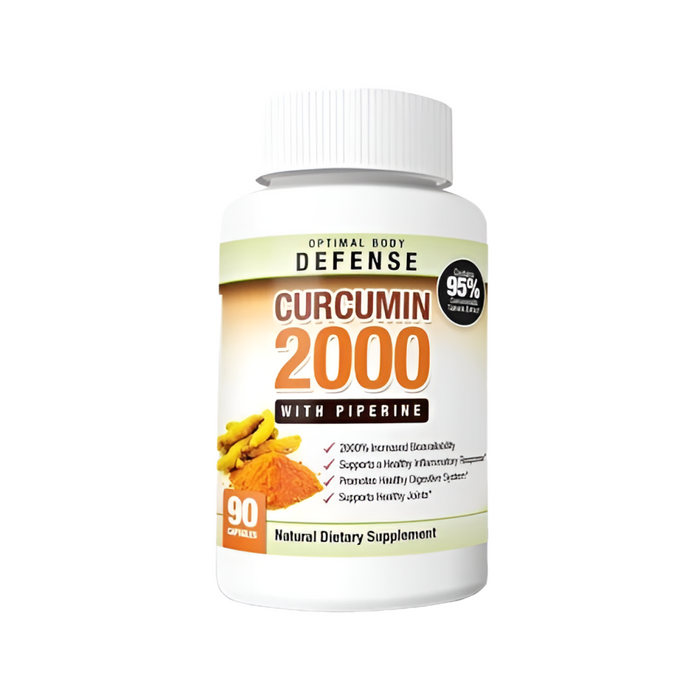
Curcumin 2000 provides high-potency curcumin with enhanced absorption. While its direct cholesterol effects are modest, its anti-inflammatory properties support cardiovascular health through multiple pathways.
Garlic Extract
Evidence:
- May reduce total cholesterol by 10-15%
- Modest LDL reduction
- May reduce blood pressure
- Aged garlic extract appears most effective
Probiotics
Emerging research shows gut bacteria influence cholesterol metabolism:
Evidence:
- Certain probiotic strains may reduce LDL by 5-10%
- May improve bile acid metabolism
- Reduce cholesterol absorption
- Support overall metabolic health
Bowtrol Probiotic supports healthy gut flora, which may have indirect benefits for cholesterol metabolism through the gut-liver axis.
Cholesterol Medications
While this guide focuses on natural approaches, it's important to understand cholesterol medications and when they're appropriate.
Statins: Benefits and Considerations
Statins are the most prescribed cholesterol medications and have extensive evidence:
How They Work:
- Block HMG-CoA reductase enzyme in the liver
- Liver produces less cholesterol
- Liver pulls more LDL from blood
- LDL drops 30-50% depending on statin and dose
Proven Benefits:
- Reduce heart attacks by 25-35%
- Reduce strokes by about 20%
- Reduce cardiovascular deaths
- Benefit increases with higher baseline risk
Potential Side Effects:
- Muscle pain/weakness (most common complaint—occurs in 5-10%)
- Liver enzyme elevation (usually minor)
- Slight increased diabetes risk
- Rarely: muscle breakdown (rhabdomyolysis)
Who Should Consider Statins:
- Existing cardiovascular disease
- Very high LDL (above 190)
- Diabetes with elevated LDL
- High calculated cardiovascular risk
- Familial hypercholesterolemia
Other Cholesterol Medications
Ezetimibe:
- Blocks cholesterol absorption in the gut
- Reduces LDL by about 15-20%
- Often added to statins for additional benefit
- Few side effects
PCSK9 Inhibitors:
- Injectable medications (Repatha, Praluent)
- Dramatically reduce LDL (50-60%)
- Used when statins aren't enough or not tolerated
- Expensive
Bempedoic Acid:
- Newer oral medication
- Works upstream of statins
- Option for statin-intolerant patients
- Reduces LDL about 20%
Fibrates:
- Primarily reduce triglycerides
- May raise HDL
- Used for very high triglycerides
Natural Approaches vs. Medication
When Natural Approaches May Be Sufficient:
- Borderline high cholesterol (LDL 130-160)
- No existing cardiovascular disease
- Low overall cardiovascular risk
- Committed to comprehensive lifestyle changes
- Willing to monitor and adjust
When Medication Is Usually Needed:
- Existing heart disease or stroke
- Very high LDL (above 190)
- Familial hypercholesterolemia
- Diabetes with elevated LDL
- High cardiovascular risk score
- Lifestyle changes insufficient after 3-6 months
The Best Approach: Natural approaches and medication aren't mutually exclusive. Lifestyle changes enhance medication effectiveness, may allow lower doses, and provide benefits beyond cholesterol (weight, blood pressure, blood sugar, inflammation).
Cholesterol in Special Populations
Cholesterol in Women
Unique Considerations:
- Estrogen provides protection before menopause (higher HDL, lower LDL)
- After menopause, LDL rises significantly
- HDL drops post-menopause
- Triglycerides may rise
- Heart disease risk increases to match men's risk
During Pregnancy:
- Cholesterol naturally rises (needed for fetal development)
- Statins are contraindicated during pregnancy
- Levels typically normalize after delivery
Post-Menopause:
- Lifestyle changes become especially important
- May need medication that wasn't needed before
- Hormone replacement therapy has mixed effects on cholesterol
Cholesterol in Older Adults
Considerations:
- Evidence for statin benefit extends to age 75+, but less robust
- For very elderly (85+), approach is individualized
- Quality of life considerations become important
- Continue statins if already on them and tolerating well
- Lifestyle changes still beneficial at any age
Cholesterol in Children
Key Points:
- Atherosclerosis begins in childhood
- Screening recommended between ages 9-11
- Earlier screening if family history of early heart disease or high cholesterol
- First-line treatment is always lifestyle modification
- Statins considered only for severe cases (FH) in children
Cholesterol and Diabetes
The Diabetes-Cholesterol Connection:
- Diabetics often have "diabetic dyslipidemia"
- High triglycerides, low HDL, increased small dense LDL
- LDL-C may look normal but particles are more atherogenic
- Cardiovascular risk is much higher
- More aggressive targets often recommended
- Statins strongly recommended for most diabetics over 40
Monitoring Your Cholesterol
How Often to Test:
- Adults 20+: Every 4-6 years if low risk
- If elevated or on treatment: Every 3-12 months initially, then annually once stable
- After lifestyle changes: Recheck at 8-12 weeks to assess response
- If starting medication: Check at 4-12 weeks, then periodically
Fasting vs. Non-Fasting:
- Traditional recommendation was 9-12 hour fast
- Recent guidelines allow non-fasting for screening
- Fasting still preferred if triglycerides are focus
- Non-fasting is more convenient and equally valid for total cholesterol, LDL, HDL
8-Week Cholesterol Improvement Plan
Week 1-2: Foundation
- Get baseline lipid panel
- Eliminate trans fats completely
- Start daily soluble fiber (oatmeal for breakfast)
- Add 10-minute daily walk
- Reduce sugary beverages
Week 3-4: Build
- Replace saturated fats with olive oil and nuts
- Add fatty fish 2x weekly
- Include legumes several times weekly
- Increase walking to 20-30 minutes
- Start Curcumin 2000 for anti-inflammatory support
Week 5-6: Optimize
- Implement full Mediterranean diet pattern
- Add nuts daily (1 ounce)
- Consider plant sterols (2g daily)
- Begin Bowtrol Probiotic for gut-cholesterol axis support
- Exercise 150 minutes weekly
- Add resistance training 2x weekly
Week 7-8: Refine and Assess
- Fine-tune diet based on what's sustainable
- Establish consistent exercise routine
- Recheck lipid panel
- Compare to baseline—celebrate improvements!
- Discuss results with healthcare provider
- Plan for long-term maintenance
Cholesterol Myths Debunked
Myth 1: "All cholesterol is bad."
Truth: Cholesterol is essential for life. HDL cholesterol actively protects your heart. The goal is the right balance, not elimination.
Myth 2: "Eating eggs will give you a heart attack."
Truth: For most people, dietary cholesterol has modest effects on blood cholesterol. The liver compensates. Eggs can be part of a heart-healthy diet.
Myth 3: "Thin people don't have high cholesterol."
Truth: Genetics play a major role. Thin people can have high cholesterol, and overweight people can have normal levels. Everyone should be tested.
Myth 4: "If I feel fine, my cholesterol is fine."
Truth: High cholesterol has no symptoms. Damage occurs silently over years. Many heart attacks occur without warning in people who felt great.
Myth 5: "Natural supplements can't really lower cholesterol."
Truth: The Portfolio Diet can reduce LDL by 20-30%—comparable to some medications. Omega-3s significantly reduce triglycerides. Natural approaches can be powerful.
Myth 6: "Once on a statin, always on a statin."
Truth: Some people can reduce or stop statins if they make significant lifestyle changes. However, this must be done under medical supervision—never stop medications on your own.
Myth 7: "Low-fat diets are best for cholesterol."
Truth: The type of fat matters more than total fat. Mediterranean-style diets with healthy fats often outperform low-fat diets for heart health.
Conclusion: Taking Control of Your Cholesterol
Cholesterol doesn't have to be confusing or frightening. With the knowledge you now have, you can take meaningful steps to optimize your lipid profile and protect your cardiovascular health for life.
Key takeaways:
- Cholesterol is essential for life—the goal is balance, not elimination
- LDL ("bad") promotes plaque buildup; HDL ("good") removes cholesterol from arteries
- Triglycerides matter too—they're highly responsive to diet
- Type of fat matters more than dietary cholesterol for most people
- The Portfolio Diet can lower LDL by 20-30% naturally
- Soluble fiber, nuts, fatty fish, and olive oil are your allies
- Exercise is the best way to raise HDL
- Weight loss improves all lipid parameters
- Evidence-based supplements can complement lifestyle changes
- Inflammation matters as much as cholesterol—address both
- Some people need medication—and that's okay
- Natural approaches and medication work best together
Your heart is counting on you. Every meal choice, every walk, every positive change contributes to healthier arteries and a longer, healthier life. The science is clear: you have significant control over your cholesterol and cardiovascular risk.
Start where you are. Make one change today. Build from there. Your future self will thank you.
Medical Disclaimer
This article is for informational purposes only and does not constitute medical advice. Cholesterol management should be individualized based on your complete cardiovascular risk profile. Always consult with a qualified healthcare provider before starting any new supplement regimen or making changes to medications. The information provided is based on current scientific evidence as of the publication date and is subject to change as new research emerges.
References & Sources
This article synthesizes research from peer-reviewed sources including:
- American Heart Association Guidelines
- American College of Cardiology Guidelines
- Journal of the American College of Cardiology (JACC)
- Circulation
- The Lancet
- New England Journal of Medicine
- Atherosclerosis, Thrombosis, and Vascular Biology
- European Heart Journal
- Journal of Clinical Lipidology
- National Lipid Association Recommendations
- USDA Dietary Guidelines for Americans
- Cochrane Database of Systematic Reviews
Individual studies are available through PubMed (pubmed.ncbi.nlm.nih.gov) and major medical databases.