Your brain is the most complex structure in the known universe—100 billion neurons making trillions of connections, generating your thoughts, memories, personality, and consciousness. Yet this remarkable organ is under siege. According to the Alzheimer's Association, over 6 million Americans currently live with Alzheimer's disease, and this number is projected to reach nearly 13 million by 2050. The World Health Organization reports that 55 million people worldwide have dementia, with 10 million new cases every year. But here's the crucial insight that changes everything: up to 40% of dementia cases may be preventable through lifestyle modifications. This comprehensive guide, synthesizing research from Harvard Medical School, the National Institute on Aging, The Lancet Commission, and peer-reviewed neuroscience literature, provides evidence-based strategies to protect your brain, enhance cognitive function, and dramatically reduce your risk of cognitive decline.
Introduction: The Brain Health Crisis
We face an unprecedented brain health crisis. Consider these statistics:
- Alzheimer's disease is now the 6th leading cause of death in the United States
- Every 65 seconds, someone in America develops Alzheimer's
- 1 in 3 seniors dies with Alzheimer's or another dementia
- The global cost of dementia exceeds $1.3 trillion annually
- By 2050, the number of people with dementia is projected to triple to 152 million
Beyond dementia, millions more struggle with "brain fog," poor memory, difficulty concentrating, and cognitive decline that impacts quality of life and productivity.
But there is hope—substantial hope.
The 2020 Lancet Commission on dementia prevention concluded that modifying 12 risk factors could prevent or delay up to 40% of dementia cases worldwide. The FINGER study from Finland demonstrated that a comprehensive lifestyle intervention significantly improved cognitive function in at-risk older adults. Research from institutions like Harvard, Johns Hopkins, and the National Institute on Aging has identified specific, actionable strategies that protect brain health.
This guide represents the most comprehensive synthesis of brain health research available. We'll cover:
- How your brain works and what happens during cognitive decline
- The science of dementia and Alzheimer's disease
- Evidence-based nutrition for brain health
- Supplements with proven cognitive benefits
- The transformative power of exercise for your brain
- Sleep's critical role in brain maintenance
- Effective mental exercises and cognitive training
- The gut-brain connection
- Practical strategies to implement at every age
Your brain is your most precious asset. Let's protect it.
Understanding Your Brain
To protect your brain, you need to understand how it works. This knowledge reveals why certain interventions are effective and empowers you to make informed decisions.
Brain Anatomy: Key Structures for Memory and Cognition
Several brain regions are particularly important for memory and cognitive function:
Hippocampus:
- Located in the temporal lobes, shaped like a seahorse
- Critical for forming new memories (especially declarative memories—facts and events)
- One of the first areas affected by Alzheimer's disease
- One of the few brain regions where new neurons are generated throughout life (neurogenesis)
- Highly sensitive to stress hormones, sleep deprivation, and inflammation
Prefrontal Cortex:
- Located behind your forehead
- Responsible for executive functions: planning, decision-making, attention, working memory
- Allows you to focus, inhibit impulses, and think abstractly
- Last brain region to fully develop (mid-20s) and particularly vulnerable to aging
Temporal Lobes:
- Located on the sides of the brain
- Process auditory information and language
- Contain the hippocampus
- Important for semantic memory (general knowledge)
Parietal Lobes:
- Located at the top-back of the brain
- Process spatial information and navigation
- Integrate sensory information
- Important for attention and perception
Cerebellum:
- Located at the back-bottom of the brain
- Coordinates movement and balance
- Also involved in procedural memory (skills like riding a bike)
- Increasingly recognized for cognitive functions
How Memory Works
Memory isn't a single system but multiple interconnected processes:
Encoding: Converting sensory information into a form the brain can store. Attention is crucial—you can't remember what you didn't encode. This is why multitasking impairs memory.
Consolidation: Stabilizing and organizing memories, primarily during sleep. The hippocampus replays and transfers memories to the cortex for long-term storage. This is why sleep is essential for learning.
Storage: Maintaining memories over time. Memories are stored as patterns of neural connections across the brain. Stronger, more frequently accessed memories have stronger connections.
Retrieval: Accessing stored memories. Retrieval cues (associations, context) help activate memory networks. "It's on the tip of my tongue" occurs when retrieval partially fails.
Types of Memory:
- Working Memory: Temporary storage and manipulation of information (like holding a phone number while dialing). Limited capacity. Declines with age but trainable.
- Episodic Memory: Personal experiences and events. Hippocampus-dependent. Often first affected in Alzheimer's.
- Semantic Memory: General knowledge and facts. Distributed across cortex. More resistant to aging.
- Procedural Memory: Skills and habits (riding a bike, typing). Involves basal ganglia and cerebellum. Well-preserved in aging and even dementia.
Neuroplasticity: Your Brain Can Change
Perhaps the most important neuroscience discovery of recent decades: the brain is not fixed. It continuously reorganizes itself based on experience—a property called neuroplasticity.
Forms of neuroplasticity:
- Synaptic plasticity: Strengthening or weakening connections between neurons. "Neurons that fire together wire together." This is how learning occurs.
- Neurogenesis: Creation of new neurons. Once thought impossible in adults, we now know it occurs in the hippocampus throughout life. Exercise, learning, and certain compounds promote it.
- Structural plasticity: Changes in brain structure—gray matter volume, white matter connections. Learning new skills (like playing an instrument or learning a language) increases gray matter in relevant areas.
What promotes neuroplasticity:
- Physical exercise (especially aerobic)
- Learning new skills
- Enriched environments
- Social engagement
- Adequate sleep
- Omega-3 fatty acids, BDNF-boosting compounds
What impairs neuroplasticity:
- Chronic stress (elevated cortisol)
- Sleep deprivation
- Social isolation
- Inflammation
- Sedentary lifestyle
- Poor nutrition
Key insight: Your daily choices physically shape your brain. The brain you have tomorrow is being built by what you do today.
Cognitive Decline: What Happens as We Age
Some cognitive changes are a normal part of aging. Understanding the difference between normal aging and disease is crucial for knowing when to be concerned—and when not to worry.
Normal Cognitive Aging vs. Disease
Normal Age-Related Changes:
- Processing speed slows: Taking longer to think through problems or learn new information
- Working memory declines slightly: Harder to juggle multiple pieces of information
- Word-finding occasionally difficult: "Tip of the tongue" moments increase
- Multitasking becomes harder: Dividing attention is more challenging
- Learning new technology may take longer: But it's still achievable
- Names harder to recall: Especially for people you don't see often
What's NOT Normal:
- Getting lost in familiar places
- Forgetting recent conversations or events entirely
- Repeating questions or stories within minutes
- Difficulty with familiar tasks (cooking, managing finances, driving routes)
- Significant personality or behavior changes
- Poor judgment and decision-making
- Losing track of dates, seasons, or passage of time
- Trouble following conversations
- Misplacing things in unusual places (keys in the refrigerator)
Important: If you or a loved one experiences concerning symptoms, seek medical evaluation. Early detection of cognitive problems enables earlier intervention.
Mild Cognitive Impairment (MCI)
MCI represents a middle ground between normal aging and dementia—cognitive decline greater than expected for age but not severe enough to significantly interfere with daily life.
MCI characteristics:
- Noticeable memory or cognitive problems (self or others notice)
- Objective cognitive impairment on testing
- Preserved ability to perform daily activities
- Not meeting criteria for dementia
Prognosis:
- About 10-15% of people with MCI progress to dementia each year
- However, some remain stable, and some actually improve
- MCI is a critical intervention window
Research shows that lifestyle interventions (exercise, cognitive engagement, diet, managing cardiovascular risk factors) can slow or prevent progression from MCI to dementia.
Dementia and Alzheimer's Disease
Understanding dementia—what it is, what causes it, and what increases risk—is essential for prevention.
What Is Dementia?
Dementia is not a single disease but a syndrome—a collection of symptoms caused by various brain diseases. It involves decline in cognitive function severe enough to interfere with daily life and independence.
Core features of dementia:
- Memory impairment (usually prominent)
- Decline in at least one other cognitive domain (language, attention, executive function, visuospatial abilities)
- Significant functional impairment (difficulty with daily activities)
- Not explained by delirium or psychiatric conditions
Types of dementia:
- Alzheimer's disease: 60-80% of cases. Progressive neurodegeneration with characteristic plaques and tangles.
- Vascular dementia: 10-20% of cases. Caused by impaired blood flow to the brain (strokes, small vessel disease).
- Lewy body dementia: 5-10% of cases. Abnormal protein deposits called Lewy bodies. Features visual hallucinations and movement problems.
- Frontotemporal dementia: 5-10% of cases. Affects frontal and temporal lobes. Causes personality changes and language problems. Often younger onset.
- Mixed dementia: Multiple types occurring together. More common than previously thought, especially in older adults.
Alzheimer's Disease Explained
Alzheimer's disease is a progressive neurodegenerative disorder and the most common cause of dementia. Understanding its pathology reveals targets for prevention.
The Hallmarks of Alzheimer's:
Amyloid Plaques:
- Abnormal accumulations of beta-amyloid protein between neurons
- Beta-amyloid is a fragment of a larger protein (APP)
- In Alzheimer's, amyloid clumps together, forming toxic plaques
- Plaques disrupt cell-to-cell communication
- May trigger inflammatory response
Neurofibrillary Tangles:
- Abnormal accumulations of tau protein inside neurons
- Tau normally stabilizes microtubules (cellular transport system)
- In Alzheimer's, tau becomes hyperphosphorylated and forms tangles
- This disrupts nutrient transport, killing neurons
- Tangles spread through the brain in a predictable pattern
Neuroinflammation:
- Chronic activation of the brain's immune cells (microglia)
- May initially be protective but becomes harmful
- Contributes to neuronal damage
- Emerging target for treatment and prevention
Synaptic Loss and Neuronal Death:
- Connections between neurons are lost
- Neurons die, causing brain shrinkage (atrophy)
- Hippocampus and cortex are particularly affected
- Symptoms emerge when damage exceeds the brain's compensatory capacity
Important insight: Alzheimer's pathology begins 15-20 years before symptoms appear. This "preclinical" phase represents a massive opportunity for prevention.
Risk Factors for Dementia
The 2020 Lancet Commission on dementia prevention identified 12 modifiable risk factors that together account for approximately 40% of dementia cases worldwide:
Early Life (up to age 45):
- Less education: Lower education increases risk. Likely related to cognitive reserve.
Mid-Life (age 45-65):
- Hearing loss: Untreated hearing loss significantly increases dementia risk. Mechanism may involve cognitive load, social isolation, and brain changes.
- Traumatic brain injury: Head injuries, especially repeated or severe, increase risk.
- Hypertension: High blood pressure damages brain blood vessels. Mid-life hypertension particularly harmful.
- Alcohol (excessive): More than 21 units per week increases risk.
- Obesity: Associated with inflammation, metabolic dysfunction, and vascular damage.
Later Life (age 65+):
- Smoking: Increases vascular damage and oxidative stress.
- Depression: Both a risk factor and early symptom. May share biological mechanisms.
- Social isolation: Lack of social engagement increases risk significantly.
- Physical inactivity: Sedentary lifestyle deprives the brain of exercise benefits.
- Air pollution: Emerging risk factor. Particulate matter may reach and damage the brain.
- Diabetes: Insulin resistance affects brain function. Diabetes nearly doubles dementia risk.
Non-modifiable risk factors:
- Age: The greatest risk factor. Risk doubles every 5 years after age 65.
- Genetics: APOE ε4 gene variant increases risk. However, even carriers can reduce risk through lifestyle.
- Family history: Having a parent or sibling with Alzheimer's increases risk.
- Sex: Women have higher risk, partly due to living longer.
The powerful message: While you can't change your genes or age, you CAN modify most major risk factors. Prevention is possible.
Brain Fog: Causes and Solutions
Brain fog isn't a medical diagnosis but a descriptive term for a cluster of symptoms: mental confusion, poor concentration, difficulty thinking clearly, and feeling "cloudy" or "fuzzy." While not dementia, brain fog significantly impacts quality of life and productivity.
What Causes Brain Fog
Sleep Deprivation:
Perhaps the most common cause. Even one night of poor sleep impairs concentration, attention, and memory. Chronic sleep deprivation compounds the effect.
Chronic Stress:
Elevated cortisol impairs hippocampal function and prefrontal cortex performance. Chronic stress literally shrinks memory centers.
Nutritional Deficiencies:
- B12 deficiency: Essential for nerve function. Common in older adults and vegans.
- Iron deficiency: Reduces oxygen delivery to the brain.
- Vitamin D deficiency: Associated with cognitive impairment.
- Dehydration: Even mild dehydration impairs cognition.
Blood Sugar Dysregulation:
Both high and low blood sugar impair brain function. Insulin resistance creates "diabetes of the brain."
Chronic Inflammation:
Inflammatory cytokines from any source (gut, infection, autoimmune, diet) can affect brain function. This is why you feel foggy when sick.
Gut Dysbiosis:
Imbalanced gut bacteria affect brain function via the gut-brain axis. Inflammation, reduced neurotransmitter precursors, and other mechanisms.
Hormonal Changes:
- Thyroid dysfunction: Both hypo- and hyperthyroidism cause cognitive symptoms.
- Menopause: Estrogen decline affects cognitive function.
- Testosterone decline: Can contribute to mental fogginess in men.
Medications:
Many medications cause cognitive side effects—antihistamines, sleep aids, some blood pressure medications, anticholinergics, and others.
Medical Conditions:
Numerous conditions cause brain fog—autoimmune diseases, chronic fatigue syndrome, fibromyalgia, depression, anxiety, long COVID, and more.
How to Clear Brain Fog
Address underlying causes:
- Get medical evaluation for persistent brain fog
- Test for deficiencies (B12, vitamin D, iron, thyroid)
- Review medications with your doctor
- Investigate food sensitivities if suspected
Prioritize sleep:
- 7-9 hours nightly for most adults
- Consistent sleep schedule
- Address sleep disorders
Manage stress:
- Regular exercise (powerful stress reducer)
- Meditation and mindfulness practices
- Set boundaries
- Seek support if needed
Optimize nutrition:
- Stable blood sugar (avoid sugar crashes)
- Adequate hydration
- Anti-inflammatory diet
- Address deficiencies
Support gut health:
- High-fiber diet
- Fermented foods or probiotics
- Limit processed foods
Movement:
- Regular exercise increases brain blood flow
- Even brief walks improve mental clarity
Nutrition for Brain Health
What you eat directly affects brain structure and function. The brain, despite being only 2% of body weight, consumes about 20% of daily calories. Feed it well.
The Best Brain Foods
Fatty Fish (Omega-3s):
- Salmon, mackerel, sardines, herring, trout
- Rich in DHA—a primary structural component of brain cell membranes
- EPA provides anti-inflammatory benefits
- Studies link higher fish consumption to reduced dementia risk
- Aim for 2-3 servings weekly
Berries:
- Blueberries, strawberries, blackberries, raspberries
- High in anthocyanins—antioxidants that cross the blood-brain barrier
- The Nurses' Health Study found higher berry intake associated with delayed cognitive aging by up to 2.5 years
- May improve memory and reduce inflammation
Leafy Greens:
- Spinach, kale, collards, Swiss chard, arugula
- High in folate, vitamin K, lutein, beta-carotene
- The MIND diet study found that daily leafy greens slowed cognitive decline significantly
- Aim for at least one serving daily
Nuts (Especially Walnuts):
- Walnuts contain ALA omega-3s, polyphenols, and vitamin E
- Shape like a brain—and they're good for it!
- Studies associate nut consumption with better cognitive function
- A handful (about 1 oz) daily
Extra Virgin Olive Oil:
- Rich in oleocanthal—an anti-inflammatory compound
- Contains polyphenols that may reduce amyloid plaque formation
- Foundation of the Mediterranean diet (consistently linked to better brain health)
- Use as primary cooking and dressing oil
Eggs:
- Excellent source of choline—precursor to acetylcholine (memory neurotransmitter)
- Also provide B vitamins, vitamin D, and protein
- Egg yolks contain the most nutrients—don't skip them
Cruciferous Vegetables:
- Broccoli, cauliflower, Brussels sprouts, cabbage
- Contain glucosinolates with neuroprotective properties
- High in antioxidants and fiber
Turmeric/Curcumin:
- Curcumin crosses the blood-brain barrier
- Powerful anti-inflammatory and antioxidant
- May help clear amyloid plaques (research ongoing)
- Traditional use in India associated with low Alzheimer's rates
Dark Chocolate:
- Cocoa flavanols improve blood flow to brain
- May enhance memory and cognitive function
- Choose 70%+ dark chocolate, in moderation
Green Tea:
- Contains L-theanine (promotes calm focus) and EGCG (neuroprotective)
- Caffeine enhances alertness
- Regular green tea drinkers show lower dementia rates
The MIND Diet: Specifically Designed for Brain Health
The MIND diet (Mediterranean-DASH Intervention for Neurodegenerative Delay) was developed specifically for brain health by researchers at Rush University Medical Center. It combines elements of the Mediterranean and DASH diets, emphasizing foods with the strongest evidence for brain protection.
Research Results:
- The MIND diet study found strict adherence reduced Alzheimer's risk by up to 53%
- Even moderate adherence reduced risk by about 35%
- Slowed cognitive decline equivalent to being 7.5 years younger
The 10 Brain-Healthy Food Groups (Eat More):
- Green leafy vegetables: At least 6 servings/week
- Other vegetables: At least 1 serving/day
- Nuts: 5+ servings/week
- Berries: 2+ servings/week
- Beans: 3+ servings/week
- Whole grains: 3+ servings/day
- Fish: 1+ serving/week
- Poultry: 2+ servings/week
- Olive oil: Primary cooking oil
- Wine: 1 glass/day (optional—not essential)
The 5 Unhealthy Food Groups (Limit):
- Red meat: Less than 4 servings/week
- Butter and margarine: Less than 1 tablespoon/day
- Cheese: Less than 1 serving/week
- Pastries and sweets: Less than 5 servings/week
- Fried or fast food: Less than 1 serving/week
Foods That Harm Your Brain
Sugar and Refined Carbohydrates:
- Cause blood sugar spikes and crashes, impairing cognition
- Promote insulin resistance (linked to Alzheimer's—sometimes called "type 3 diabetes")
- Drive inflammation
- Associated with smaller brain volume in studies
Trans Fats:
- Found in some processed foods, fried foods
- Promote inflammation and damage cell membranes
- Associated with cognitive decline and increased Alzheimer's risk
Highly Processed Foods:
- Often high in sugar, unhealthy fats, and sodium
- Low in brain-protective nutrients
- Studies link ultra-processed food consumption to faster cognitive decline
Excessive Alcohol:
- Heavy drinking shrinks brain volume, damages white matter
- Impairs memory formation
- Increases dementia risk
- Moderate consumption (1 drink/day for women, 1-2 for men) has less clear risk
Artificial Sweeteners (Possibly):
- Some research links artificial sweeteners to cognitive concerns
- May affect gut microbiome
- Evidence is mixed but concerning enough to consider limiting
Evidence-Based Brain Supplements
While no supplement replaces a healthy lifestyle, certain compounds have meaningful evidence for supporting brain health. Here's what the research actually shows.
Omega-3 Fatty Acids (DHA/EPA)
Evidence Level: Strong
Omega-3s, particularly DHA, are essential for brain health—literally. DHA makes up a significant portion of brain cell membranes.
Research findings:
- Lower DHA levels associated with smaller brain volume and faster cognitive decline
- Higher omega-3 intake linked to reduced dementia risk in observational studies
- Some trials show improved memory in healthy older adults with low baseline omega-3 status
- Anti-inflammatory effects may protect against neurodegeneration
- May help with depression, which is a risk factor for dementia
Important nuance: Trials in people with established Alzheimer's have been disappointing. Omega-3s appear more effective for prevention than treatment—another reason to start early.
Dosage: 1,000-2,000 mg combined EPA/DHA daily. DHA is particularly important for brain structure.
Curcumin: The Neuroprotective Powerhouse
Evidence Level: Moderate-Strong
Curcumin, the active compound in turmeric, has remarkable neuroprotective properties that make it one of the most promising natural compounds for brain health.
How curcumin supports brain health:
- Crosses the blood-brain barrier: Can directly affect brain tissue
- Reduces neuroinflammation: Inhibits inflammatory pathways in the brain
- Antioxidant protection: Neutralizes free radicals that damage neurons
- May reduce amyloid plaque: Laboratory studies show curcumin can bind to and help clear amyloid
- Supports neurogenesis: May promote new neuron growth via BDNF
- Improves mood: Anti-inflammatory effects may help depression
Research findings:
- A UCLA study found curcumin improved memory and attention in adults without dementia
- Brain scans showed reduced amyloid and tau accumulation with curcumin supplementation
- Traditional populations with high turmeric consumption (India) have lower Alzheimer's rates
- Multiple studies show improvements in mood and cognitive function
Critical consideration: Curcumin has poor bioavailability on its own. Enhanced formulations are essential.
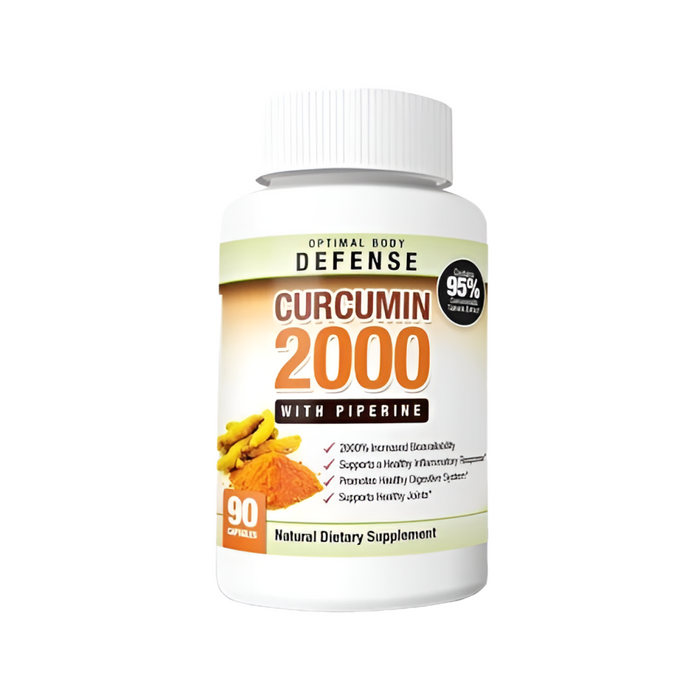
Curcumin 2000 provides enhanced-absorption curcumin with BioPerine (black pepper extract), increasing bioavailability by 2000%. For brain health, curcumin's combination of anti-inflammatory, antioxidant, and neuroprotective effects makes it one of the most valuable natural supplements available.
Lion's Mane Mushroom
Evidence Level: Moderate (Promising)
Lion's mane (Hericium erinaceus) is a medicinal mushroom with unique brain-supporting properties.
Research findings:
- Contains compounds (hericenones and erinacines) that stimulate nerve growth factor (NGF) production
- NGF is essential for neuron survival, growth, and repair
- Japanese study found improved cognitive function in older adults with mild cognitive impairment
- May support remyelination (repair of nerve insulation)
- Anti-inflammatory and antioxidant properties
Dosage: 500-3,000 mg daily of fruiting body extract.
Phosphatidylserine
Evidence Level: Moderate
Phosphatidylserine (PS) is a phospholipid essential for brain cell membranes. It's involved in cell signaling, memory formation, and neurotransmitter release.
Research findings:
- FDA-qualified health claim for cognitive function and dementia risk (limited evidence)
- Some studies show improvements in memory and cognitive function in older adults
- May help with age-related cognitive decline
- Levels decline with age
Dosage: 100-300 mg daily.
Bacopa Monnieri
Evidence Level: Moderate
Bacopa is an Ayurvedic herb traditionally used for memory and learning. It has a growing body of research.
Research findings:
- Meta-analyses show improvements in attention, cognitive processing, and working memory
- May work by increasing dendrite branching (more neural connections)
- Antioxidant and anti-inflammatory effects
- Effects typically require 8-12 weeks to manifest
Dosage: 300-450 mg daily of standardized extract (containing 50% bacosides).
Ginkgo Biloba
Evidence Level: Moderate (Mixed)
Ginkgo is one of the most popular brain supplements, but research results are mixed.
Research findings:
- Improves blood flow to the brain
- Some studies show modest improvements in cognitive function
- Large GEM trial did not find prevention of dementia in healthy older adults
- May be more helpful for people with existing cognitive impairment
- Has blood-thinning effects—caution with anticoagulants
Dosage: 120-240 mg daily of standardized extract.
B Vitamins
Evidence Level: Moderate-Strong (for deficiency)
B vitamins, especially B12, B6, and folate, are essential for brain health. Deficiency is common and causes cognitive symptoms.
Research findings:
- B12 deficiency causes memory problems, confusion, even dementia-like symptoms (reversible if caught early)
- Elevated homocysteine (from low B vitamins) is associated with faster brain atrophy and cognitive decline
- The VITACOG trial found B vitamins slowed brain atrophy by 30% in people with elevated homocysteine and MCI
- Effect was even greater (53% reduction) in those with highest homocysteine
Who's at risk for deficiency:
- Older adults (reduced absorption)
- Vegans and vegetarians (B12)
- People on certain medications (metformin, proton pump inhibitors)
- Those with GI conditions affecting absorption
Recommendation: Test B12 and homocysteine levels. Supplement if deficient or elevated homocysteine. B-complex or methylated B vitamins.
Vitamin D
Evidence Level: Moderate
Vitamin D receptors are found throughout the brain. Deficiency is linked to cognitive impairment.
Research findings:
- Low vitamin D levels associated with increased dementia and Alzheimer's risk
- Deficiency common, especially in northern latitudes and older adults
- Vitamin D has neuroprotective, anti-inflammatory effects
- Supplementation trials have mixed results—may work best in deficient individuals
Recommendation: Test 25-OH vitamin D levels. Target 40-60 ng/mL. Supplement 1,000-4,000 IU daily as needed.
Magnesium
Evidence Level: Moderate
Magnesium is involved in hundreds of brain processes. Deficiency is common and impairs cognitive function.
Research findings:
- Low magnesium associated with faster cognitive decline
- Magnesium L-threonate specifically designed to cross blood-brain barrier—showed memory improvements in studies
- Reduces stress and cortisol (protecting hippocampus)
- Supports NMDA receptor function (important for learning)
Dosage: 200-400 mg daily. Magnesium L-threonate for brain-specific benefits; glycinate for general use.
Nootropics: Smart Drugs and Cognitive Enhancers
Nootropics—from the Greek "noos" (mind) and "tropein" (toward)—are substances that enhance cognitive function. The term encompasses a broad range of compounds from caffeine to prescription drugs.
What Are Nootropics?
The concept was introduced by Romanian psychologist Corneliu Giurgea, who proposed that nootropics should:
- Enhance memory and learning
- Help brain function under disruptive conditions
- Protect the brain from physical or chemical injury
- Increase efficacy of brain control mechanisms
- Lack usual pharmacological effects of psychotropic drugs
- Have very few side effects and extremely low toxicity
Categories of nootropics:
- Natural nootropics: Herbs, nutrients, and natural compounds (covered above)
- Synthetic nootropics: Lab-created compounds like racetams, noopept
- Prescription cognitive enhancers: Modafinil, amphetamines (not covered here)
Natural Nootropics
Beyond the supplements already discussed, several natural compounds have nootropic properties:
Rhodiola Rosea:
- Adaptogenic herb that reduces fatigue and improves cognitive function under stress
- May enhance focus and mental endurance
- Studies show reduced mental fatigue during stressful periods
Ashwagandha:
- Reduces cortisol (protecting the brain from stress damage)
- Studies show improved memory and cognitive function
- May enhance reaction time and task performance
Gotu Kola:
- Traditional Ayurvedic brain tonic
- May improve memory and reduce anxiety
- Contains compounds that support neural pathways
Alpha-GPC:
- Highly bioavailable choline source
- Precursor to acetylcholine (memory neurotransmitter)
- May improve memory and focus
- Used clinically for cognitive decline in some countries
Creatine:
- Known for muscle benefits but also enhances brain energy
- May improve short-term memory and reasoning
- Effects more pronounced under conditions of stress, sleep deprivation
The Caffeine + L-Theanine Stack
One of the most popular and well-researched nootropic combinations:
Caffeine:
- Blocks adenosine receptors, increasing alertness
- Enhances focus, attention, and reaction time
- Can cause jitters, anxiety, and crashes alone
L-Theanine:
- Amino acid from tea
- Promotes calm, focused attention without sedation
- Increases alpha brain waves
- Smooths caffeine's effects
The combination:
- Research shows improved attention, task-switching, and alertness compared to either alone
- L-theanine reduces caffeine's jitters and crash
- Creates "calm energy"—alert but not anxious
- Typical ratio: 100-200mg L-theanine + 50-100mg caffeine
Exercise for Brain Health
If there were a pill that provided all the brain benefits of exercise, it would be the most prescribed medication in history. Exercise is one of the most powerful interventions for brain health available.
How Exercise Transforms Your Brain
Increases BDNF (Brain-Derived Neurotrophic Factor):
- BDNF is like "fertilizer for the brain"—promotes neuron growth, survival, and connections
- Exercise dramatically increases BDNF levels
- Low BDNF is associated with depression and cognitive decline
- This may be the primary mechanism behind exercise's brain benefits
Promotes Neurogenesis:
- Exercise is one of the most reliable ways to stimulate new neuron growth in the hippocampus
- Increases hippocampal volume (memory center)
- Dr. Art Kramer's research showed exercise increased hippocampal volume by 2% in older adults—effectively reversing 1-2 years of age-related loss
Improves Blood Flow:
- Exercise increases blood flow to the brain during activity
- Regular exercise improves vascular health throughout the brain
- Better blood flow = better nutrient and oxygen delivery
Reduces Inflammation:
- Regular exercise has anti-inflammatory effects
- Reduces inflammatory markers linked to cognitive decline
Improves Metabolic Health:
- Improves insulin sensitivity (insulin resistance harms the brain)
- Helps maintain healthy weight
- Reduces cardiovascular risk factors (which affect brain health)
Reduces Stress and Depression:
- Lowers cortisol (chronic elevation damages hippocampus)
- Comparable to antidepressants for mild-moderate depression
- Improves sleep (essential for brain maintenance)
Research highlights:
- Regular exercisers have 30-50% lower dementia risk
- Exercise improves cognitive function in people with MCI
- Even starting exercise in mid-life or later provides significant benefits
- Both aerobic and resistance training have benefits
Best Types of Exercise for Brain Health
Aerobic Exercise (Cardio):
- Walking, jogging, cycling, swimming, dancing
- Most extensively studied for brain benefits
- Increases BDNF and promotes neurogenesis
- 150+ minutes weekly of moderate intensity recommended
Resistance Training:
- Weight lifting, resistance bands, bodyweight exercises
- Research shows improvements in executive function and memory
- May have unique benefits beyond cardio
- 2-3 sessions weekly recommended
High-Intensity Interval Training (HIIT):
- Potent BDNF stimulus
- Time-efficient
- May have enhanced cognitive benefits
- Build base fitness first; may not be appropriate for everyone
Mind-Body Exercise:
- Yoga, tai chi, qigong
- Combine movement with mental focus
- Reduce stress and cortisol
- Some research shows cognitive benefits
Complex Motor Activities:
- Dancing, martial arts, sports with strategy
- Combine physical and cognitive demands
- May provide enhanced neuroplasticity benefits
- Social component of group activities adds additional benefit
Practical recommendation: Any exercise you'll do consistently is the best exercise. Aim for a mix of aerobic and resistance training. Include activities you enjoy to ensure adherence.
Sleep and Brain Health
Sleep isn't passive rest—it's an active period of brain maintenance, repair, and memory processing. Chronic sleep deprivation is toxic to the brain.
The Glymphatic System: Brain Cleaning During Sleep
One of the most important neuroscience discoveries of the past decade: the brain has its own waste-clearance system that activates primarily during sleep.
How the glymphatic system works:
- During sleep, brain cells shrink by about 60%
- This creates space for cerebrospinal fluid to flush through
- Waste products, including beta-amyloid (Alzheimer's protein), are cleared
- This process is 10 times more active during sleep than waking
Implications:
- Sleep deprivation allows toxic proteins to accumulate
- Even one night of poor sleep increases brain amyloid levels
- Chronic sleep problems may contribute to Alzheimer's pathology
- Optimizing sleep is a legitimate dementia prevention strategy
Sleep position matters: Research suggests side sleeping may be optimal for glymphatic clearance.
Sleep and Memory Consolidation
Sleep is essential for converting short-term memories into long-term storage.
What happens during sleep:
- The hippocampus "replays" the day's experiences
- Important memories are strengthened and transferred to cortex
- Different sleep stages serve different memory types
- Deep sleep (slow-wave) consolidates declarative memories (facts, events)
- REM sleep consolidates procedural and emotional memories
Research findings:
- Sleep after learning improves retention by 20-40%
- Sleep deprivation impairs new memory formation
- Naps can enhance memory consolidation
- Sleep strengthens connections between related memories, enabling insight
Sleep recommendations for brain health:
- 7-9 hours nightly for most adults (individual needs vary)
- Consistent sleep schedule (even on weekends)
- Dark, cool, quiet sleeping environment
- Limit screens before bed (blue light and mental stimulation)
- Address sleep disorders (sleep apnea particularly harmful for brain health)
- Avoid alcohol near bedtime (disrupts sleep architecture)
Mental Exercise and Cognitive Training
"Use it or lose it" applies to the brain. Mental stimulation throughout life builds and maintains cognitive capacity.
Do Brain Training Apps Work?
This is a nuanced topic. The brain training industry makes bold claims, but what does research show?
The evidence:
- Training improves performance on the trained tasks (not surprising)
- "Far transfer" (benefits extending to untrained abilities) is limited for most programs
- The ACTIVE study found speed of processing training had lasting real-world benefits (reduced dementia risk)
- Most commercial claims are overstated
The bottom line:
- Brain training apps are probably less effective than claimed
- They're not harmful and may provide some benefit
- Real-world cognitive activities may be more effective
- Novelty and challenge matter—if it's too easy, it's not training
Effective Cognitive Activities
Research suggests engaging, challenging, real-world activities may be more beneficial than simple games:
Learning a New Language:
- Bilingualism is associated with delayed dementia onset (4-5 years)
- Learning a language engages multiple cognitive systems
- Never too late to start—benefits occur even with modest proficiency
Playing a Musical Instrument:
- Engages motor, auditory, visual, and executive systems
- Musicians show enhanced cognitive aging
- Learning in adulthood still provides benefits
Reading:
- Associated with slower cognitive decline
- Challenges vocabulary, comprehension, imagination
- Particularly beneficial: complex, engaging material
Strategy Games:
- Chess, bridge, and complex board games engage planning and memory
- Some studies show reduced dementia risk in regular players
Continued Education/Learning:
- Taking classes, pursuing new subjects
- Higher education associated with lower dementia risk
- The key is novelty and challenge
Creative Activities:
- Art, writing, crafts
- Engage multiple cognitive systems
- Provide social engagement if done in groups
Building Cognitive Reserve
Cognitive reserve is the brain's resilience—its ability to function despite damage. People with greater cognitive reserve can tolerate more brain pathology before showing symptoms.
What builds cognitive reserve:
- Education
- Occupational complexity
- Leisure activities that are mentally stimulating
- Bilingualism
- Social engagement
- Physical exercise
Key insight: It's never too late to build reserve. Activities that challenge the brain create new neural pathways and strengthen existing ones, providing protection against age-related decline.
Stress and Brain Health
Chronic stress is toxic to the brain. Understanding this mechanism reveals why stress management is essential for cognitive health.
How Chronic Stress Damages the Brain
Cortisol and the Hippocampus:
- The hippocampus (memory center) is dense with cortisol receptors
- Acute stress temporarily impairs hippocampal function
- Chronic elevated cortisol literally shrinks the hippocampus
- This is visible on brain imaging
- Damage impairs memory formation and retrieval
Chronic stress also:
- Reduces BDNF production (less neural growth and repair)
- Impairs neurogenesis (fewer new neurons)
- Increases inflammation
- Disrupts sleep (compounding damage)
- Promotes unhealthy behaviors (poor diet, reduced exercise)
The good news: Stress-related brain changes can be reversed. When chronic stress is relieved, the hippocampus can recover volume. Stress management techniques actively protect the brain.
Effective stress management for brain health:
- Exercise: Powerful cortisol reducer and stress buffer
- Meditation/mindfulness: Regular practice reduces cortisol, increases gray matter in attention and emotional regulation regions
- Deep breathing: Activates parasympathetic nervous system
- Social connection: Buffers stress response
- Adequate sleep: Sleep deprivation amplifies stress response
- Time in nature: Reduces cortisol and rumination
- Professional help: Therapy for chronic stress or anxiety
The Gut-Brain Connection
The gut-brain axis is a bidirectional communication system that profoundly affects cognitive function. Your gut bacteria influence your brain more than you might imagine.
How Gut Bacteria Affect Your Brain
Communication pathways:
- Vagus nerve: Direct neural highway between gut and brain
- Neurotransmitters: Gut bacteria produce serotonin, dopamine precursors, GABA
- Immune system: Gut bacteria modulate inflammation that affects the brain
- Metabolites: Bacterial products enter bloodstream and affect brain function
Research findings:
- Germ-free mice (no gut bacteria) show impaired memory and BDNF production
- Certain probiotic strains improve anxiety, depression, and cognitive measures
- Gut dysbiosis is associated with neurodegenerative diseases
- Inflammatory bowel conditions increase risk of Parkinson's and dementia
- Alzheimer's patients have different gut microbiome composition
Supporting the gut-brain axis:
- Fiber: Feeds beneficial bacteria that produce brain-supporting compounds
- Fermented foods: Natural probiotics (yogurt, sauerkraut, kimchi, kefir)
- Diverse plant foods: Different fibers feed different beneficial species
- Omega-3s: Support gut and brain health
- Avoid unnecessary antibiotics: Disrupt microbiome
- Limit artificial sweeteners: May negatively affect gut bacteria
- Probiotic supplementation: May help restore balance
Bowtrol Probiotic provides 9 billion CFU of Lactobacillus and Bifidobacterium strains—the types most associated with gut-brain benefits. Supporting your gut microbiome is increasingly recognized as a legitimate strategy for supporting cognitive health and mood.
Social Connection and Brain Health
Humans are social creatures, and our brains evolved for social interaction. Social isolation is a significant risk factor for cognitive decline.
Research findings:
- Social isolation increases dementia risk by approximately 50%
- Loneliness is associated with faster cognitive decline
- Strong social networks are protective
- Marriage and close relationships associated with lower dementia risk
- Social engagement stimulates cognitive processes
Why social connection protects the brain:
- Cognitive stimulation: Conversation, emotional processing, theory of mind
- Stress buffering: Social support reduces cortisol
- Motivation for healthy behaviors: We're more likely to exercise, eat well, engage in activities when socially connected
- Purpose and meaning: Relationships provide reasons to maintain health
- Depression prevention: Social isolation increases depression risk, which harms the brain
Practical strategies:
- Prioritize relationships
- Join clubs, groups, or classes
- Volunteer
- Stay in touch with family and friends
- Consider intergenerational activities
- If isolated, recognize this as a health priority to address
Preventing Dementia: The Evidence
The most important message: dementia is not inevitable. Research shows that modifying risk factors can significantly reduce your risk.
The Lancet Commission: 12 Modifiable Risk Factors
The 2020 Lancet Commission on dementia prevention, intervention, and care represents the most authoritative analysis of dementia prevention. Their conclusion: addressing 12 modifiable risk factors could prevent or delay up to 40% of dementia cases worldwide.
The 12 factors and their population attributable fraction (percentage of dementia attributable to each):
- Less education (7%): Complete secondary education
- Hearing loss (8%): Protect hearing; use hearing aids if needed
- Traumatic brain injury (3%): Wear helmets, seatbelts
- Hypertension (2%): Maintain blood pressure below 130/80 mmHg
- Alcohol excess (1%): Limit to 21 units/week or less
- Obesity (1%): Maintain healthy BMI
- Smoking (5%): Don't smoke
- Depression (4%): Treat depression
- Social isolation (4%): Maintain social contact
- Physical inactivity (2%): Stay physically active
- Diabetes (1%): Prevent or manage diabetes
- Air pollution (2%): Reduce exposure where possible
Key insight: Even if you can't address every factor, every improvement counts. These effects are additive—addressing multiple factors provides greater protection.
The FINGER Study: Proof Prevention Works
The Finnish Geriatric Intervention Study to Prevent Cognitive Impairment and Disability (FINGER) was groundbreaking—the first large-scale trial to demonstrate that a comprehensive lifestyle intervention could prevent cognitive decline in at-risk older adults.
Study design:
- 1,260 participants aged 60-77 at risk for dementia
- Randomized to intervention or control group
- 2-year follow-up
The intervention included:
- Nutritional guidance (Nordic diet recommendations)
- Physical exercise (strength, aerobic, balance)
- Cognitive training
- Management of cardiovascular risk factors
- Social activities
Results:
- Overall cognitive performance: 25% better in intervention group
- Executive function: 83% better
- Processing speed: 150% better
- Benefits persisted at 7-year follow-up
The message: A comprehensive lifestyle intervention works. Similar studies (US POINTER, worldwide FINGERS network) are replicating and expanding these findings.
Memory Techniques and Strategies
Beyond protecting brain health, specific techniques can enhance memory performance:
Pay Attention:
- You can't remember what you didn't encode
- Minimize distractions when learning
- Multitasking impairs memory formation
Elaboration:
- Connect new information to what you already know
- Ask "why" and "how" questions
- Create meaningful associations
Visualization:
- Create mental images of information
- More vivid and unusual images are more memorable
- Combine with locations (Method of Loci/Memory Palace)
Spaced Repetition:
- Review information at increasing intervals
- More effective than massed practice (cramming)
- Flashcard apps use this principle
Chunking:
- Group information into meaningful units
- Phone numbers: 555-123-4567 not 5551234567
- Reduces working memory load
Sleep on It:
- Sleep after learning consolidates memories
- Even naps help
- Avoid all-night study sessions
Write It Down:
- The act of writing (especially by hand) enhances encoding
- External memory aids (notes, calendars, to-do lists) are legitimate tools
Teach Others:
- Explaining material to someone else deepens understanding and retention
- Even preparing to teach improves learning
Hormones and Brain Health
Hormones profoundly affect brain function throughout life. Understanding these connections reveals additional opportunities for brain health optimization.
Estrogen and Women's Brain Health
Estrogen has significant neuroprotective effects, which helps explain why women's cognitive health often changes around menopause.
How estrogen protects the brain:
- Promotes synaptic plasticity and neuron survival
- Increases blood flow to the brain
- Supports acetylcholine function (memory neurotransmitter)
- Has anti-inflammatory and antioxidant effects
- Enhances BDNF production
- Helps maintain hippocampal volume
Menopause and cognitive changes:
- Many women experience "brain fog" during perimenopause and menopause
- Memory complaints are common during the transition
- Most cognitive changes stabilize post-menopause
- The abrupt estrogen decline may increase long-term dementia risk
- Women have higher Alzheimer's rates than men, even accounting for longer lifespan
Hormone therapy considerations:
- Timing appears critical—the "critical window hypothesis"
- HRT initiated near menopause may be neuroprotective
- HRT initiated much later may not provide the same benefits and may carry risks
- Discuss risks and benefits with your healthcare provider
- Lifestyle factors remain important regardless of HRT decisions
Testosterone and Brain Function
Testosterone affects cognitive function in both men and women, though men have much higher levels.
Testosterone's brain effects:
- Supports spatial cognition and memory
- Influences mood and motivation
- Has neuroprotective properties
- Declines gradually with age in men (about 1% per year after 30)
- Low testosterone associated with cognitive decline and increased dementia risk in some studies
Supporting healthy testosterone naturally:
- Regular resistance training
- Adequate sleep (testosterone is produced during sleep)
- Maintaining healthy weight (obesity lowers testosterone)
- Managing stress (cortisol suppresses testosterone)
- Adequate zinc and vitamin D
- Limiting alcohol (excessive drinking lowers testosterone)
Thyroid Hormones and Cognition
Thyroid hormones regulate metabolism throughout the body, including the brain. Both hypothyroidism and hyperthyroidism cause cognitive symptoms.
Hypothyroidism effects:
- Brain fog, difficulty concentrating
- Memory problems
- Slowed thinking and processing
- Depression
- Often reversible with thyroid hormone replacement
Hyperthyroidism effects:
- Anxiety and restlessness
- Difficulty concentrating
- Irritability
- May increase dementia risk if untreated
Recommendation: If experiencing cognitive symptoms, thyroid testing (TSH, T3, T4) should be part of the evaluation. Subclinical thyroid dysfunction may also affect cognition.
Growth Hormone and Brain Aging
Human growth hormone (HGH) declines with age—a process called somatopause. This decline may contribute to cognitive aging.
HGH and the brain:
- HGH receptors are found throughout the brain
- Supports neuronal function and repair
- May promote neurogenesis
- IGF-1 (stimulated by HGH) crosses blood-brain barrier and has neuroprotective effects
- Lower IGF-1 levels associated with cognitive decline in some studies
Natural ways to support HGH:
- High-intensity exercise (powerful HGH stimulus)
- Deep sleep (HGH is released during slow-wave sleep)
- Intermittent fasting (may increase HGH)
- Adequate protein intake
- Managing stress
- Maintaining healthy body composition
HGH Energizer provides amino acids that support natural HGH production, including L-arginine, L-glutamine, and L-glycine. Supporting healthy HGH levels may contribute to overall vitality and healthy aging, including brain function.
Environmental Factors and Brain Health
Your environment significantly impacts brain health. Understanding these factors allows you to minimize harmful exposures and optimize your surroundings.
Air Pollution and Cognitive Decline
Air pollution is now recognized as a significant risk factor for dementia. The 2020 Lancet Commission added it to the list of modifiable risk factors.
How air pollution affects the brain:
- Fine particulate matter (PM2.5) can reach the brain via the olfactory nerve or bloodstream
- Triggers neuroinflammation
- Accelerates brain aging and shrinkage
- Associated with increased Alzheimer's pathology
- Living near major roads increases dementia risk
Reducing exposure:
- Use air purifiers with HEPA filters at home
- Avoid exercising near heavy traffic
- Check air quality indexes and adjust outdoor activities
- Consider air quality when choosing where to live
- Support clean air policies
Environmental Toxins
Various environmental toxins can harm the brain:
Heavy metals:
- Lead: Even low levels can impair cognition, especially in children. Check old homes for lead paint.
- Mercury: Limit high-mercury fish (shark, swordfish, king mackerel). Dental amalgam debate ongoing.
- Aluminum: Research on Alzheimer's link is inconclusive but ongoing.
Pesticides:
- Organophosphates and other pesticides linked to cognitive effects
- Occupational exposure is concerning
- Consider organic produce for the "Dirty Dozen" (most contaminated)
- Wash produce thoroughly
Solvents and chemicals:
- Occupational exposure to solvents associated with cognitive decline
- Use adequate ventilation when using chemicals
- Choose low-VOC paints and products
Nature and Brain Health
In contrast to pollution, exposure to nature benefits the brain.
Research findings:
- Time in nature reduces cortisol and stress
- Walking in nature improves mood and cognition more than urban walking
- Views of nature from hospital rooms speed recovery
- Living near green spaces associated with better mental health
- "Forest bathing" (shinrin-yoku) reduces stress hormones
Practical applications:
- Spend time outdoors daily when possible
- Walk in parks or natural areas
- Have plants in your home and workspace
- Consider views of nature when choosing where to live/work
Technology and Brain Health
Technology offers both opportunities and risks for brain health.
The Digital Impact on Cognition
Potential concerns:
- Attention fragmentation: Constant notifications and switching between tasks may be training our brains for distraction
- "Google effect": We may be outsourcing memory to devices
- Reduced deep reading: Skimming and scanning may be replacing deep, focused reading
- Sleep disruption: Blue light and stimulation from devices can impair sleep
- Social media effects: Associated with increased anxiety and depression in some studies
Healthy technology use:
- Set boundaries (device-free times and zones)
- Use "do not disturb" modes when focusing
- Practice single-tasking rather than multitasking
- Read longer-form content without distractions
- Limit screen time before bed
- Prioritize in-person social connection
Technology for Brain Health
Technology also offers brain health benefits:
- Apps for meditation and stress management
- Sleep tracking to optimize sleep
- Fitness trackers to encourage exercise
- Language learning apps
- Access to education and mental stimulation
- Social connection for isolated individuals
- Telehealth expanding access to care
Special Considerations for Different Populations
APOE ε4 Gene Carriers
The APOE ε4 allele is the strongest genetic risk factor for late-onset Alzheimer's disease. Carrying one copy increases risk 3-4 fold; two copies increases risk 12-15 fold.
Important considerations:
- Having APOE ε4 does NOT guarantee Alzheimer's—many carriers never develop it
- NOT having APOE ε4 doesn't mean you won't develop Alzheimer's
- Genetic testing is a personal decision with implications to consider
- Knowledge can motivate aggressive prevention
For APOE ε4 carriers:
- Lifestyle factors may be even more important
- Some research suggests APOE ε4 carriers benefit most from interventions
- Exercise appears particularly protective
- Controlling cardiovascular risk factors is crucial
- Consider earlier and more aggressive prevention strategies
- Work with healthcare providers for monitoring
Women and Brain Health
Women face unique brain health considerations:
- Two-thirds of Alzheimer's patients are women
- Menopause represents a significant neurological transition
- Pregnancy and lactation alter brain structure and function
- Women more often serve as caregivers (stress, reduced self-care)
- Depression and anxiety (dementia risk factors) are more common in women
Recommendations:
- Don't dismiss cognitive symptoms during menopause—but also don't panic
- Discuss hormone therapy options with healthcare providers
- Aggressive cardiovascular risk management
- Address mood disorders promptly
- Self-care even when caregiving for others
Athletes and Brain Health
Athletes face specific considerations:
- Exercise is profoundly beneficial for the brain
- However, contact sports carry head injury risk
- Chronic Traumatic Encephalopathy (CTE) is now recognized in football, boxing, hockey, soccer players
- Even subconcussive hits may accumulate damage
Recommendations:
- Take head injuries seriously—proper concussion protocols
- Consider risks when choosing sports
- Proper technique and protective equipment
- Reduce heading in youth soccer
- Former athletes with symptoms should seek evaluation
Your Brain Health Action Plan by Decade
Brain health protection should begin early and continue throughout life. Here's a decade-by-decade guide:
In Your 20s-30s: Build the Foundation
- Establish regular exercise habits
- Develop stress management skills
- Prioritize sleep
- Avoid excessive alcohol and any smoking
- Protect your head (helmets for sports, seatbelts)
- Continue learning and education
- Build strong social connections
- Establish healthy eating patterns
In Your 40s: Active Prevention Begins
- All previous recommendations, plus:
- Monitor and control blood pressure
- Get hearing checked; address any loss
- Maintain healthy weight
- Continue intellectual engagement
- Consider baseline cognitive testing
- Optimize cardiovascular health
- Ensure adequate omega-3 intake (diet or supplements)
- Consider anti-inflammatory support: Curcumin 2000
In Your 50s: Intensify Prevention
- All previous recommendations, plus:
- Comprehensive cardiovascular risk management
- Diabetes screening and prevention/management
- Address depression or anxiety promptly
- Consider comprehensive brain health supplement protocol:
- Omega-3 fatty acids (DHA/EPA)
- Curcumin 2000 for neuroprotection
- B vitamins (especially if elevated homocysteine)
- Vitamin D (test and supplement if needed)
- Magnesium
- Bowtrol Probiotic for gut-brain axis support
- Maintain challenging mental activities
- Prioritize social engagement
- Increase exercise if sedentary
In Your 60s: Maximize Protection
- All previous recommendations, plus:
- Regular cognitive screening
- Aggressive cardiovascular risk management
- Hearing aids if needed (don't delay)
- Continue supplements
- Stay socially engaged—this becomes more important
- Maintain physical activity (modify as needed for abilities)
- Consider HGH support for overall vitality: HGH Energizer
- Keep learning new things
- Address any mood changes
In Your 70s and Beyond: Maintain and Adapt
- All previous recommendations, adapted to abilities
- Fall prevention (falls cause brain injuries)
- Simplify medication regimens where possible
- Maintain social connections—prioritize this
- Continue physical activity (walking, balance exercises, gentle strength training)
- Mental engagement through enjoyable activities
- Regular medical monitoring
- Don't accept cognitive changes as "just aging"—get evaluated
Conclusion: Protecting Your Most Precious Asset
Your brain is you—your memories, personality, abilities, and consciousness. Protecting it is the most important health investment you can make.
Key takeaways from this comprehensive guide:
- Dementia is not inevitable: The Lancet Commission concluded that up to 40% of dementia cases may be preventable. The FINGER study proved that comprehensive lifestyle intervention improves cognitive function in at-risk individuals. Your actions matter.
- Your brain can change: Neuroplasticity means the brain continuously reorganizes based on experience. Learning, exercise, and enrichment build new connections. It's never too late to benefit.
- Start early, but it's never too late: Alzheimer's pathology begins 15-20 years before symptoms. Early prevention is ideal. But improvements at any age provide benefit.
- Exercise is medicine for the brain: Physical activity may be the single most powerful intervention—promoting neurogenesis, increasing BDNF, improving blood flow, reducing inflammation, and more. Aim for 150+ minutes weekly.
- Sleep is brain maintenance: The glymphatic system clears brain waste during sleep. Memory consolidation requires sleep. Chronic sleep deprivation allows toxic proteins to accumulate. Prioritize 7-9 hours nightly.
- Feed your brain well: The MIND diet provides a science-based eating pattern for brain health. Emphasize fatty fish, berries, leafy greens, nuts, olive oil. Minimize sugar, processed foods, and excessive alcohol.
- Key supplements can help: Omega-3s, curcumin, B vitamins, vitamin D, magnesium, and probiotics have evidence for brain support. They complement but don't replace lifestyle factors.
- Manage cardiovascular risk factors: What's good for the heart is good for the brain. Control blood pressure, blood sugar, and cholesterol. Don't smoke. Maintain healthy weight.
- Stay mentally and socially engaged: Use it or lose it applies. Continue learning, pursue challenging activities, maintain relationships. Social isolation is a major risk factor.
- Manage stress: Chronic stress shrinks the hippocampus and impairs cognition. Regular stress management (exercise, meditation, social connection) protects the brain.
- The gut-brain axis is real: Your gut bacteria influence your brain through multiple pathways. Support gut health for cognitive benefit.
- Address hearing loss: Untreated hearing loss is a significant dementia risk factor. Get hearing tested; use aids if needed.
The future of brain health is not predetermined by your genes. While we can't control every risk factor, we have enormous influence over most of them. Every walk, every night of good sleep, every meal of brain-healthy food, every social connection, every new thing you learn—these are all investments in your cognitive future.
Dementia is not simply "old age." It's a disease process that, in many cases, can be prevented or delayed. The research is clear. The strategies are available. The time to act is now.
Your brain has carried you through every moment of your life. It holds your memories, enables your relationships, creates your experience of the world. Protect it like the treasure it is.
References & Sources
This article synthesizes research from peer-reviewed sources including:
- Alzheimer's Association – alz.org
- National Institute on Aging (NIA) – nia.nih.gov
- World Health Organization – who.int
- Harvard Medical School – health.harvard.edu
- Johns Hopkins Medicine – hopkinsmedicine.org
- Mayo Clinic – mayoclinic.org
- Cleveland Clinic – clevelandclinic.org
- Rush University Medical Center – MIND Diet research
- UCLA Longevity Center
- The Lancet Commission on Dementia Prevention (2020)
- FINGER Study (Finnish Geriatric Intervention Study)
- ACTIVE Study
- Framingham Heart Study
- Nurses' Health Study
- Nature Neuroscience
- Nature Reviews Neurology
- The Lancet Neurology
- JAMA Neurology
- Neurology (American Academy of Neurology)
- Alzheimer's & Dementia (journal)
- Brain
- Journal of Neuroscience
- Neuron
- Proceedings of the National Academy of Sciences
- American Journal of Clinical Nutrition
Individual studies are available through PubMed (pubmed.ncbi.nlm.nih.gov).