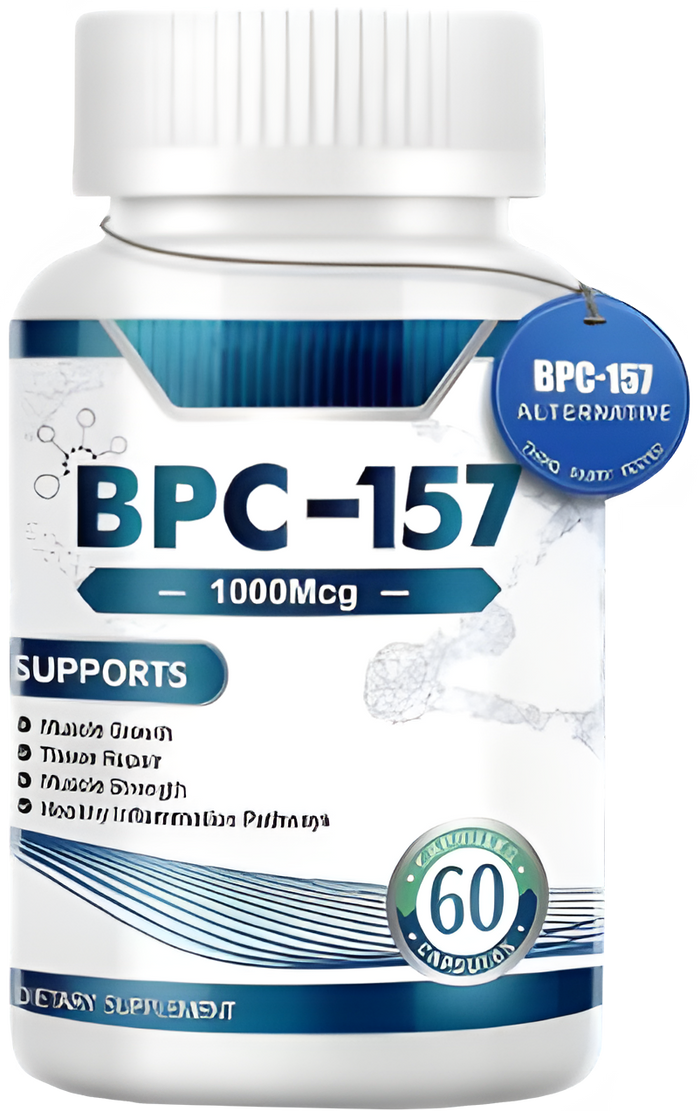
BPC-157 has earned the nickname "Wolverine peptide" among athletes for its remarkable tissue-healing properties. Originally isolated from human gastric juice, this peptide is generating excitement in sports medicine and regenerative health. Here's what the science says.
What is BPC-157?
BPC-157 stands for Body Protection Compound-157. It's a synthetic peptide consisting of 15 amino acids, derived from a protein found naturally in human stomach acid (gastric juice). The naturally occurring protein protects and heals the gut lining—researchers isolated this specific sequence for its regenerative properties.
Key Characteristics
- Origin: Derived from human gastric secretion
- Structure: 15 amino acid sequence
- Stability: Stable in stomach acid (unlike most peptides)
- Administration: Available as injectable and oral forms
- Legal status: Legal as a research chemical and supplement
How BPC-157 Works
BPC-157's healing effects appear to work through multiple mechanisms:
1. Angiogenesis (Blood Vessel Formation)
BPC-157 stimulates the formation of new blood vessels in damaged tissue. This increased blood supply brings oxygen, nutrients, and healing factors to injured areas, accelerating repair.
2. Growth Factor Modulation
BPC-157 influences several growth factors involved in tissue repair:
- Increases expression of growth hormone receptors
- Modulates VEGF (vascular endothelial growth factor)
- Influences EGF (epidermal growth factor)
- May affect nitric oxide pathways
3. Tendon & Ligament Healing
Research shows BPC-157 accelerates the healing of tendons and ligaments by:
- Increasing fibroblast outgrowth (cells that produce connective tissue)
- Enhancing collagen organization
- Reducing inflammation at injury sites
4. Gut-Brain Axis Effects
Given its gastric origin, BPC-157 has notable effects on the gut-brain connection:
- Protects and heals gut lining
- May counteract NSAID-induced gut damage
- Influences dopamine and serotonin systems
- May have antidepressant-like effects in animal studies
Research on BPC-157
Important caveat: Most BPC-157 research is from animal studies. Human clinical trials are limited, though some are underway. Here's what the research shows:
Tendon & Ligament Healing
Evidence Level: Strong (Animal Studies)
Multiple rodent studies show accelerated healing of:
- Achilles tendon transection
- Medial collateral ligament injuries
- Quadriceps muscle injuries
- Rotator cuff tears
In these studies, BPC-157 groups showed faster recovery, stronger tissue, and better function compared to controls.
Muscle Healing
Evidence Level: Moderate (Animal Studies)
Studies show BPC-157 accelerates muscle healing after crush injuries, lacerations, and other damage. It appears to reduce the formation of scar tissue and promote more organized muscle fiber regeneration.
Gut Health
Evidence Level: Strong (Animal Studies)
BPC-157 shows protective effects against:
- NSAID-induced gut damage
- Inflammatory bowel conditions
- Alcohol-induced stomach lesions
- Various toxin-induced gut injuries
Bone Healing
Evidence Level: Moderate (Animal Studies)
Some research suggests accelerated bone healing, though this area is less studied than soft tissue.
How Athletes Use BPC-157
While human trials are limited, BPC-157 has become popular among athletes and bodybuilders for injury recovery. Common reported uses include:
Injury Recovery
- Tendinitis (tennis elbow, golfer's elbow, Achilles tendinopathy)
- Ligament sprains
- Muscle strains and tears
- Joint pain and inflammation
- Post-surgical recovery
Gut Health
- Recovery from NSAID overuse
- Leaky gut symptoms
- General digestive support
Anecdotal Reports
Athletes commonly report:
- Faster recovery from injuries that typically take months
- Reduced chronic pain from old injuries
- Improved gut health and digestion
- Better overall recovery from training
Note: Anecdotal reports aren't scientific evidence, but the consistency of positive experiences is notable.
Dosage & Administration
Disclaimer: BPC-157 is not FDA-approved for any condition. The following information is from research literature and community experience, not medical advice.
Forms Available
- Injectable: Subcutaneous or intramuscular injection (most researched)
- Oral: Capsules or tablets (convenient, may be better for gut issues)
Typical Dosing (from research and community reports)
- Standard dose: 250-500mcg daily
- Higher dose: Up to 1000mcg for acute injuries
- Duration: Typically 4-12 weeks depending on injury severity
- Timing: Often divided into 2 doses (morning and evening)
Oral vs. Injectable
- Injectable: May provide more systemic effects and localized benefits when injected near injury site
- Oral: Convenient, non-invasive, may be particularly effective for gut issues. BPC-157 Max provides an oral form at 500mcg per capsule.
Safety & Side Effects
Safety Profile
BPC-157 has shown an excellent safety profile in animal studies, even at doses much higher than typically used. No significant toxicity has been observed. However, human safety data is limited.
Reported Side Effects
Side effects appear to be rare and mild:
- Nausea (usually with high doses)
- Dizziness (rare)
- Injection site reactions (injectable form)
Considerations
- Cancer history: BPC-157 promotes angiogenesis (blood vessel formation), which could theoretically affect tumors. Those with cancer history should exercise caution.
- Pregnancy/breastfeeding: No safety data—avoid use.
- Drug interactions: No significant interactions documented, but inform your healthcare provider.
My Recommendation
For athletes dealing with nagging injuries, slow-healing tendons, or gut issues from NSAID overuse, BPC-157 is worth considering. While human trials are limited, the animal research is compelling and athlete experiences are consistently positive.
For oral supplementation, BPC-157 Max provides 500mcg per capsule—convenient for those who prefer not to inject.
However, understand that this is a research compound without FDA approval. Consult a healthcare provider, especially if you have any underlying health conditions.
Conclusion
BPC-157 represents an exciting frontier in regenerative health. Its remarkable healing properties in animal studies, combined with growing anecdotal evidence from athletes, suggest real potential for injury recovery and gut health.
While we await more human clinical trials, BPC-157 has become a staple in the toolkits of athletes seeking accelerated recovery. Used responsibly with awareness of its research-stage status, it may offer benefits that traditional approaches can't match.