That burning sensation in your chest after a meal. The bitter taste creeping up your throat at night. The constant throat clearing, the hoarse voice, the feeling that food is stuck behind your breastbone. If these symptoms sound familiar, you're not alone. Acid reflux affects over 60 million Americans at least once a month, and about 20% of the population suffers from GERD—a chronic, more severe form of reflux that can significantly impact quality of life. This comprehensive guide explains everything you need to know about acid reflux and GERD: what causes it, how to identify your triggers, which natural remedies actually work, and how to eliminate heartburn for good without depending on medications.
Introduction: The Burning Truth About Acid Reflux
Acid reflux is so common that many people consider it a normal part of life—an inevitable consequence of eating spicy food or having a big meal. But here's the truth: while occasional heartburn happens to almost everyone, frequent acid reflux is not normal, not inevitable, and definitely not something you should just live with.
Consider these statistics:
- 60+ million Americans experience heartburn at least once a month
- 15-20% of adults have GERD (chronic reflux disease)
- $10+ billion spent annually on acid-suppressing medications in the US alone
- PPIs are among the top 10 most prescribed drugs worldwide
- GERD rates have increased 50% over the past decade
- Up to 40% of GERD patients continue having symptoms despite medication
- Nighttime reflux affects 75% of GERD sufferers, disrupting sleep
Why is acid reflux increasing? The rise in GERD parallels increases in obesity, dietary changes (more processed foods, larger portions), chronic stress, and sedentary lifestyles. Our modern way of living is, quite literally, giving us heartburn.
The medication trap: Many people reach for antacids or proton pump inhibitors (PPIs) as their first response to heartburn. While these medications have their place, they don't address the root causes of reflux and come with their own risks when used long-term. The good news? For most people, acid reflux can be dramatically improved—or completely eliminated—through diet and lifestyle changes.
This guide will give you the knowledge and tools to understand your reflux, identify your triggers, and implement proven strategies to finally get relief.
What Is Acid Reflux?
Acid reflux occurs when stomach contents—including hydrochloric acid, digestive enzymes, and sometimes bile—flow backward (reflux) into the esophagus. This backwash irritates the esophageal lining, causing the burning sensation we call heartburn.
How Normal Digestion Works
To understand what goes wrong in acid reflux, let's look at how healthy digestion should work:
1. Swallowing:
- Food travels down the esophagus via muscular contractions (peristalsis)
- The journey takes about 6-10 seconds
2. Entering the Stomach:
- At the bottom of the esophagus, a ring of muscle called the Lower Esophageal Sphincter (LES) relaxes to let food pass
- The LES then closes tightly to prevent backflow
3. Stomach Digestion:
- The stomach produces hydrochloric acid (pH 1.5-3.5—highly acidic)
- This acid breaks down food and kills bacteria
- The stomach lining is protected by a mucus layer
4. One-Way Flow:
- Normally, the LES keeps stomach contents where they belong
- The esophagus has no protective mucus layer—it's not designed to handle acid
The LES: Your Anti-Reflux Valve
The Lower Esophageal Sphincter is the key player in acid reflux. When it functions properly, reflux doesn't occur. When it malfunctions, trouble begins.
What weakens the LES:
- Certain foods: Chocolate, mint, caffeine, alcohol, fatty foods
- Increased abdominal pressure: Obesity, pregnancy, tight clothing, bending over
- Hiatal hernia: Part of stomach pushes through diaphragm
- Medications: Certain drugs relax the LES
- Smoking: Nicotine relaxes the LES
- Eating habits: Large meals, eating before bed
- Age: LES tone may decrease with age
Transient LES Relaxations (TLESRs):
Even in healthy people, the LES occasionally relaxes inappropriately—this is normal and accounts for occasional reflux. In people with GERD, these transient relaxations occur more frequently and last longer, allowing more acid exposure.
Acid Reflux vs. GERD: What's the Difference?
The terms "acid reflux," "heartburn," and "GERD" are often used interchangeably, but they're not the same thing.
Occasional Acid Reflux
Characteristics:
- Happens infrequently (less than twice per week)
- Usually triggered by specific foods, large meals, or lying down after eating
- Relieved by antacids or simple measures
- No lasting damage to esophagus
- Doesn't significantly impact quality of life
Heartburn is the primary symptom of acid reflux—the burning sensation in the chest. It's a symptom, not a condition.
GERD: When Reflux Becomes a Disease
Gastroesophageal Reflux Disease (GERD) is diagnosed when:
- Reflux symptoms occur at least twice weekly
- Symptoms are moderate to severe
- Symptoms significantly affect quality of life
- There may be damage to the esophageal lining (esophagitis)
- Simple measures don't provide adequate relief
GERD requires medical attention because:
- Chronic acid exposure damages the esophagus
- Can lead to complications (Barrett's esophagus, strictures)
- May indicate underlying anatomical issues
- Risk of esophageal cancer increases with long-term untreated GERD
Symptoms of Acid Reflux and GERD
Classic Symptoms
Heartburn:
- Burning sensation in chest, usually behind the breastbone
- Often worse after eating, lying down, or bending over
- Can last from a few minutes to several hours
- May be mistaken for heart-related chest pain
Regurgitation:
- Sour or bitter taste in mouth
- Sensation of food or liquid coming back up
- May include actual food particles reaching the throat or mouth
- Often worse when lying down or bending
Dysphagia (Difficulty Swallowing):
- Sensation of food sticking in throat or chest
- May indicate narrowing (stricture) from chronic inflammation
- Always warrants medical evaluation
Other Common Symptoms:
- Chest pain (can mimic heart attack—always rule out cardiac causes)
- Nausea
- Excessive salivation (water brash)
- Feeling of a lump in throat (globus sensation)
- Bad breath
- Tooth enamel erosion
Silent Reflux (LPR): The Hidden Epidemic
Laryngopharyngeal Reflux (LPR) is reflux that reaches the throat and voice box. It's called "silent" because many people don't experience classic heartburn.
LPR Symptoms:
- Chronic throat clearing
- Hoarseness, especially in the morning
- Chronic cough (especially at night)
- Feeling of postnasal drip (without actual mucus)
- Sore throat
- Difficulty swallowing
- Voice fatigue
- Choking episodes
Why LPR is often missed:
- No heartburn in up to 50% of cases
- Symptoms attributed to allergies, sinusitis, or other conditions
- May require specialized testing for diagnosis
- The throat and voice box are more sensitive to acid than the esophagus
Alarm Symptoms: When to See a Doctor Immediately
Seek immediate medical attention if you experience:
- Difficulty swallowing or painful swallowing
- Unexplained weight loss
- Vomiting blood or material that looks like coffee grounds
- Black, tarry stools (indicates bleeding)
- Severe chest pain (rule out heart attack)
- Choking or difficulty breathing
- Symptoms that don't improve with treatment
- New symptoms after age 50
- Family history of esophageal or stomach cancer
These symptoms may indicate serious complications or other conditions that require prompt evaluation.
What Causes Acid Reflux?
Acid reflux is usually caused by a combination of factors. Understanding your personal causes is key to effective treatment.
Anatomical Causes
Hiatal Hernia:
- Part of the stomach pushes up through the diaphragm
- Very common—affects up to 60% of people over 50
- Can weaken the LES function
- Small hiatal hernias often cause no symptoms
- Large hernias may require surgical repair
Weak LES:
- May be congenital or develop over time
- Certain medical conditions affect LES pressure
- Previous surgery in the area can affect function
Impaired Esophageal Motility:
- Weak esophageal contractions don't clear acid effectively
- Can occur with conditions like scleroderma
Lifestyle Causes
Obesity and Excess Weight:
- Single most important modifiable risk factor
- Excess abdominal fat increases pressure on stomach
- Pushes stomach contents upward toward LES
- Even modest weight gain increases reflux risk
- Weight loss is the most effective treatment for many people
African Mango Lean can support healthy weight management efforts, which may indirectly benefit acid reflux by reducing abdominal pressure on the stomach.
Eating Habits:
- Large meals distend the stomach and increase pressure
- Eating too fast doesn't allow proper signaling of fullness
- Eating within 3 hours of bedtime is a major trigger
- Lying down or bending after eating
Smoking:
- Nicotine relaxes the LES
- Reduces saliva production (saliva neutralizes acid)
- Increases stomach acid production
- Quitting significantly improves reflux in smokers
Alcohol:
- Relaxes the LES
- Irritates the esophageal and stomach lining
- Increases stomach acid production
- Even moderate drinking can trigger reflux
Stress:
- Doesn't directly cause more acid production
- Increases sensitivity to acid in the esophagus
- May increase perception of symptoms
- Stress-related behaviors (eating, smoking, alcohol) worsen reflux
Dietary Causes
Foods That Relax the LES:
- Chocolate (contains methylxanthines)
- Peppermint and spearmint
- High-fat foods
- Caffeine
Foods That Irritate the Esophagus:
- Citrus fruits and juices
- Tomatoes and tomato-based products
- Spicy foods
- Onions and garlic
Foods That Increase Stomach Acid:
- Coffee (even decaf increases acid)
- Alcohol
- Carbonated beverages
Medications That Cause Reflux
Many common medications can trigger or worsen acid reflux:
- NSAIDs: Ibuprofen, aspirin, naproxen—irritate stomach lining
- Calcium channel blockers: For blood pressure—relax LES
- Nitrates: For heart disease—relax LES
- Theophylline: For asthma—relaxes LES
- Bisphosphonates: For osteoporosis—irritate esophagus
- Potassium supplements: Can irritate esophagus
- Iron supplements: May irritate digestive tract
- Some antibiotics: Tetracyclines, doxycycline
- Sedatives and anticholinergics
If you take these medications and have reflux, talk to your doctor—alternatives may be available.
Medical Conditions That Worsen Reflux
- Pregnancy: Hormonal changes relax LES; growing uterus increases abdominal pressure
- Diabetes: Gastroparesis (slow stomach emptying) worsens reflux
- Scleroderma: Affects esophageal motility
- Zollinger-Ellison syndrome: Causes excess acid production
- Delayed gastric emptying: Food stays in stomach longer
Foods That Trigger Acid Reflux
The Most Common Trigger Foods
1. Fatty and Fried Foods:
- French fries, fried chicken, onion rings
- Full-fat dairy products
- Fatty cuts of meat
- Cream sauces and butter
- Why: Fat slows stomach emptying and relaxes the LES
2. Spicy Foods:
- Hot peppers, chili, curry
- Hot sauce
- Why: Capsaicin irritates the esophageal lining and may relax LES
- Note: Individual sensitivity varies greatly
3. Citrus and Acidic Foods:
- Oranges, lemons, limes, grapefruit
- Orange juice, lemonade
- Pineapple
- Why: High acidity irritates already-sensitive esophagus
4. Tomatoes and Tomato Products:
- Fresh tomatoes
- Tomato sauce, ketchup, salsa
- Pizza sauce
- Why: High acidity plus compounds that relax LES
5. Chocolate:
- Contains methylxanthines that relax the LES
- Often high in fat
- Contains caffeine
- Triple threat for reflux
6. Mint:
- Peppermint and spearmint
- Mint tea, mint candies, gum
- Why: Relaxes the LES significantly
- Ironic: Often used for digestive issues but worsens reflux
7. Onions and Garlic:
- Especially raw onions
- Cooked may be better tolerated
- Why: Contains compounds that relax LES and irritate lining
Beverages That Cause Heartburn
Coffee:
- Both caffeinated and decaf can trigger reflux
- Increases stomach acid production
- May relax LES
- Cold brew may be less acidic
Alcohol:
- Beer, wine, and spirits all trigger reflux
- Relaxes LES and irritates lining
- White wine may be worse than red for some
Carbonated Beverages:
- Soda, sparkling water, beer
- Bubbles expand stomach and increase pressure
- Soda also high in sugar and caffeine
Citrus Juices:
- Orange juice, grapefruit juice
- High acidity irritates esophagus
Finding Your Personal Triggers
Not everyone reacts to the same foods. Finding your personal triggers is essential:
Keep a Food and Symptom Diary:
- Record everything you eat and drink
- Note when symptoms occur and their severity
- Track other factors (stress, position, timing)
- Look for patterns after 2-4 weeks
Elimination and Reintroduction:
- Eliminate all common triggers for 2-3 weeks
- Reintroduce one food at a time
- Wait 3 days between reintroductions
- Note if symptoms return
Foods That Help Acid Reflux
Alkaline and Low-Acid Foods
Vegetables (most are safe):
- Green beans, broccoli, asparagus
- Leafy greens (spinach, kale)
- Cauliflower, Brussels sprouts
- Cucumbers, celery
- Potatoes (not fried)
- Exception: Tomatoes, onions, garlic may trigger symptoms
Non-Citrus Fruits:
- Bananas (very soothing)
- Melons (cantaloupe, honeydew, watermelon)
- Apples (some people tolerate well)
- Pears
Whole Grains:
- Oatmeal (particularly soothing)
- Brown rice
- Whole wheat bread
- Quinoa
Lean Proteins:
- Chicken breast (skinless)
- Turkey
- Fish (baked, grilled, poached—not fried)
- Egg whites
- Lean beef in moderation
Foods That Soothe the Esophagus
Ginger:
- Natural anti-inflammatory
- May help with nausea
- Use fresh ginger in cooking or ginger tea
- Avoid ginger ale (carbonated and sugary)
Oatmeal:
- Absorbs stomach acid
- High in fiber
- Excellent breakfast choice
- Add banana for extra benefit
Aloe Vera:
- Soothes and coats the esophagus
- May reduce inflammation
- Use aloe vera juice (food-grade, decolorized)
Fennel:
- May improve digestive function
- Low acid
- Can be eaten raw or cooked
Healthy Fats (in moderation):
- Avocado
- Olive oil
- Nuts and seeds (not trigger for most)
- Don't overdo—fat can trigger reflux if excessive
The Complete GERD Diet Plan
General Principles:
- Smaller, more frequent meals
- Low-fat cooking methods (bake, grill, steam, poach)
- Avoid eating 3 hours before bed
- Stay upright after eating
- Chew food thoroughly
- Eat slowly
Sample Day:
Breakfast:
- Oatmeal with banana and a drizzle of honey
- Chamomile or ginger tea
Lunch:
- Grilled chicken salad with olive oil dressing (no tomatoes or onions)
- Whole grain bread
- Water
Dinner (early—at least 3 hours before bed):
- Baked salmon with steamed vegetables
- Brown rice
- Melon for dessert
Snacks:
- Banana
- Rice cakes
- Non-citrus fruit
- Small handful of almonds
Lifestyle Changes to Eliminate Acid Reflux
Eating Habits That Prevent Reflux
1. Eat Smaller Meals:
- Large meals distend the stomach and increase pressure on LES
- Aim for 4-6 smaller meals instead of 3 large ones
- Stop eating before you feel full
2. Eat Slowly:
- Put fork down between bites
- Chew thoroughly (20-30 times per bite)
- Take at least 20 minutes to eat a meal
- Better digestion means less reflux
3. Don't Eat Before Bed:
- Allow 3 hours between last meal and lying down
- Gravity helps keep acid down when upright
- This is one of the most important changes for nighttime reflux
4. Stay Upright After Eating:
- Don't lie down or recline for 2-3 hours after meals
- Take a gentle walk after eating
- Avoid bending over
Weight Loss: The Most Effective Change
For overweight individuals, weight loss is the single most effective intervention for acid reflux.
Why Weight Loss Helps:
- Reduces abdominal pressure on stomach
- Decreases pressure on LES
- May improve LES function
- Often allows reduction or elimination of medications
Research Shows:
- Even modest weight loss (5-10%) significantly improves symptoms
- Overweight individuals who lose weight have 40% reduction in reflux symptoms
- Weight loss is more effective than many medications for long-term control
African Mango Lean supports metabolic health and healthy weight management. For those whose reflux is related to excess weight, addressing weight can be transformative for digestive health.
Sleep Position and Bed Elevation
Elevate the Head of Your Bed:
- Raise head of bed 6-8 inches using blocks or a wedge
- Gravity helps keep acid in stomach during sleep
- More effective than just using extra pillows (which can worsen reflux by bending at waist)
- One of the most effective changes for nighttime symptoms
Sleep on Your Left Side:
- The stomach curves to the left
- Left-side sleeping keeps the LES above the level of stomach acid
- Right-side sleeping may worsen reflux
- Back sleeping is neutral but elevation still helps
Clothing and Posture
Avoid Tight Clothing:
- Tight belts, waistbands, and shapewear increase abdominal pressure
- Choose loose-fitting clothes, especially around the waist
- This is particularly important after meals
Posture Matters:
- Slouching compresses the stomach
- Sit and stand upright, especially after eating
- Avoid bending at the waist—bend at knees instead
Stress and Acid Reflux
While stress doesn't cause more acid production, it significantly affects reflux:
- Increases sensitivity to acid in esophagus
- Amplifies perception of symptoms
- Leads to behaviors that worsen reflux (stress eating, drinking, smoking)
- May affect gut motility and function
Stress Management Strategies:
- Deep breathing exercises
- Meditation and mindfulness
- Regular exercise
- Adequate sleep
- Yoga (but avoid inverted poses)
Quit Smoking
Smoking significantly worsens acid reflux through multiple mechanisms:
- Nicotine relaxes the LES
- Reduces saliva production (saliva neutralizes acid)
- Increases stomach acid secretion
- Damages protective mucus lining
- Impairs esophageal muscle function
Quitting smoking improves reflux symptoms—often dramatically—within weeks.
Natural Remedies for Acid Reflux
Several natural remedies have evidence for soothing acid reflux symptoms.
Baking Soda
How It Works:
- Sodium bicarbonate neutralizes stomach acid immediately
- Provides fast relief for occasional heartburn
How to Use:
- 1/2 teaspoon in 4 ounces of water
- Drink slowly
- Use only occasionally—not for chronic use
Cautions:
- High in sodium—avoid if on salt-restricted diet
- Can cause gas and bloating
- May affect medication absorption
- Not for regular use
Ginger
How It Works:
- Natural anti-inflammatory
- May speed gastric emptying
- Reduces nausea
- May have gastroprotective effects
How to Use:
- Fresh ginger in cooking
- Ginger tea (steep fresh ginger in hot water)
- Ginger supplements
- Avoid candied ginger (high sugar) and ginger ale (carbonated)
Aloe Vera
How It Works:
- Soothes and coats esophageal lining
- Anti-inflammatory properties
- May reduce acid production
How to Use:
- Drink 1-2 ounces of food-grade aloe vera juice before meals
- Use decolorized/purified products (aloe latex is a laxative)
- Start with small amounts to assess tolerance
Slippery Elm
How It Works:
- Contains mucilage—a gel-like substance
- Coats and soothes the esophagus and stomach
- Creates protective barrier against acid
How to Use:
- Mix 1-2 tablespoons of powder in water
- Drink before meals or at bedtime
- Also available as lozenges
DGL Licorice
How It Works:
- DGL (Deglycyrrhizinated Licorice) removes the compound that raises blood pressure
- May increase mucus production in stomach
- Protects and soothes digestive lining
- May promote healing of damaged tissue
How to Use:
- Chew 1-2 tablets (380-400mg) before meals
- Must be chewed to activate (not swallowed whole)
- Use DGL form only—regular licorice can raise blood pressure
Apple Cider Vinegar: Myth or Reality?
Apple cider vinegar is a popular folk remedy for heartburn, but the evidence is mixed:
The Theory:
- Some believe reflux is caused by too little stomach acid, not too much
- Adding acid (vinegar) might help digestion and reduce symptoms
The Reality:
- No scientific studies support this for most people
- Vinegar is acidic and may worsen symptoms
- Can damage tooth enamel
- May irritate already-inflamed esophagus
Recommendation: Most healthcare providers don't recommend ACV for reflux. If you want to try it, use only small amounts (1 tsp diluted in water) and discontinue if symptoms worsen.
Supplements for Digestive Health
Probiotics and Gut Health
The gut microbiome affects digestive function in ways we're still understanding:
Potential Benefits:
- May improve overall digestive function
- Some strains may reduce GERD symptoms
- Support healthy gut-brain connection
- May reduce bloating and gas that worsen reflux
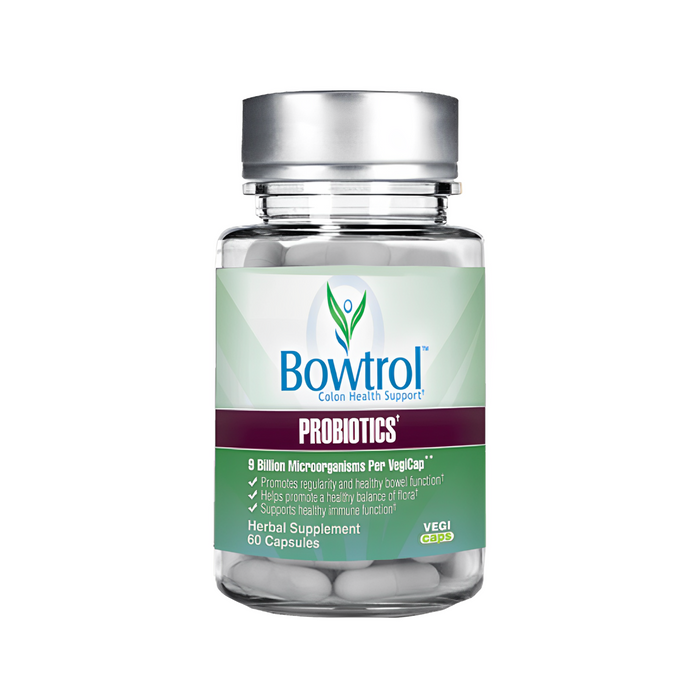
Bowtrol Probiotic provides beneficial bacteria to support healthy digestive function. A balanced gut microbiome supports optimal digestion, which may help reduce reflux symptoms.
Healthy digestive function also involves regular elimination. Bowtrol Colon Cleanse supports healthy bowel regularity, reducing bloating and abdominal pressure that can contribute to reflux.
Digestive Enzymes
How They May Help:
- Support breakdown of food in stomach
- May reduce time food stays in stomach
- Particularly helpful for fat digestion
- May reduce bloating and fullness that worsen reflux
Who May Benefit:
- Those with low stomach acid (more common with age)
- People with slow digestion
- Those who experience bloating with meals
Melatonin
Surprisingly, melatonin may help with reflux:
Evidence:
- Melatonin is produced in the gut as well as the brain
- May strengthen the LES
- Has anti-inflammatory properties
- Some studies show improvement in GERD symptoms
- May be particularly helpful for nighttime reflux
Dosage: Studies have used 3-6mg at bedtime.
Zinc Carnosine
How It Works:
- Promotes healing of digestive lining
- Strengthens mucus barrier
- Has anti-inflammatory effects
- Used in Japan for decades for digestive issues
Dosage: Typically 75-150mg daily.
Acid Reflux Medications
Understanding medications helps you make informed decisions with your healthcare provider.
Antacids
Examples: Tums, Rolaids, Maalox, Mylanta
How They Work:
- Neutralize existing stomach acid
- Provide fast relief (within minutes)
- Effect lasts 1-3 hours
Best For:
- Occasional, mild heartburn
- Quick relief after trigger exposure
Limitations:
- Don't prevent acid production
- Short-acting
- May cause constipation (aluminum-based) or diarrhea (magnesium-based)
- Can affect absorption of some medications
H2 Blockers
Examples: Famotidine (Pepcid), cimetidine (Tagamet), nizatidine
How They Work:
- Block histamine receptors in stomach that signal acid production
- Reduce acid production by 50-70%
- Start working within 1 hour
- Effect lasts 6-12 hours
Best For:
- Moderate, frequent heartburn
- Preventing heartburn before triggers
- Nighttime reflux (take before bed)
Advantages Over PPIs:
- Fewer long-term concerns
- Easier to discontinue
- Work faster than PPIs
Proton Pump Inhibitors (PPIs)
Examples: Omeprazole (Prilosec), esomeprazole (Nexium), lansoprazole (Prevacid), pantoprazole (Protonix)
How They Work:
- Block the proton pump—the final step in acid production
- Reduce acid production by 90%+
- Most potent acid-suppressing medications
- Take 1-4 days for full effect
- Best taken 30-60 minutes before breakfast
Appropriate Uses:
- Erosive esophagitis (healing damaged tissue)
- Severe GERD not controlled by other measures
- Barrett's esophagus management
- H. pylori treatment (with antibiotics)
- Prevention of bleeding ulcers in high-risk patients
Long-Term PPI Risks
PPIs are often overused for mild symptoms that could be managed differently. Long-term use is associated with potential risks:
Established Concerns:
- Clostridium difficile infection: Increased risk of this serious gut infection
- Pneumonia: Slightly increased risk
- Nutrient deficiencies: May reduce absorption of vitamin B12, magnesium, calcium, iron
- Bone fractures: Possible increased risk with long-term use
- Kidney disease: Some studies suggest association
- Rebound acid: Stopping PPIs can cause temporary increase in acid production
Important Context:
- Absolute risks are still relatively small
- Benefits may outweigh risks for those who truly need them
- Problems arise mainly with long-term, unnecessary use
- Many people take PPIs longer than needed
How to Safely Wean Off PPIs
Never stop PPIs abruptly after long-term use—this causes rebound acid hypersecretion:
Step-Down Approach:
- Week 1-2: Switch to every-other-day dosing
- Week 3-4: Take every third day
- Week 5+: Switch to H2 blocker as needed
- Then transition to as-needed antacids only
During Weaning:
- Implement all lifestyle changes (diet, weight loss, bed elevation)
- Have antacids or H2 blockers available for breakthrough symptoms
- Expect some rebound—it's temporary (usually 2-4 weeks)
- Use natural remedies for support
Important: Discuss PPI discontinuation with your doctor, especially if you have erosive esophagitis, Barrett's esophagus, or other complications.
Complications of Untreated GERD
Chronic, untreated GERD can lead to serious complications:
Esophagitis
What It Is:
- Inflammation and damage to esophageal lining
- Caused by repeated acid exposure
- Can cause pain, bleeding, difficulty swallowing
Treatment:
- PPIs to reduce acid and allow healing
- Lifestyle modifications
- Usually heals within 8-12 weeks
Barrett's Esophagus
What It Is:
- Precancerous condition where esophageal cells change
- Normal squamous cells become intestinal-type cells
- The body's attempt to protect against acid
- Occurs in about 10% of chronic GERD patients
Importance:
- Increases esophageal cancer risk 30-125 times
- Requires regular monitoring with endoscopy
- May require treatment to remove abnormal cells
Esophageal Strictures
What They Are:
- Narrowing of esophagus from scar tissue
- Caused by repeated inflammation and healing
- Causes progressive difficulty swallowing
Treatment:
- Dilation (stretching) procedures
- Aggressive acid suppression to prevent recurrence
Esophageal Cancer Risk
Chronic GERD increases esophageal adenocarcinoma risk:
- Risk increases with severity and duration of symptoms
- Barrett's esophagus is the primary pathway to cancer
- Overall risk is still relatively low
- Reason to take chronic GERD seriously and manage it properly
Acid Reflux in Special Populations
Acid Reflux During Pregnancy
Up to 80% of pregnant women experience heartburn:
Why It's So Common:
- Progesterone relaxes the LES
- Growing uterus increases abdominal pressure
- Slower digestion during pregnancy
Safe Management:
- Lifestyle modifications first (smaller meals, elevation, avoiding triggers)
- Antacids are generally safe (avoid those with sodium bicarbonate or aluminum)
- H2 blockers (famotidine) considered safe if needed
- PPIs: Some (omeprazole) used when necessary, but discuss with doctor
- Usually resolves after delivery
Infant Reflux
Reflux is very common in infants:
- Up to 50% of infants have some reflux
- Immature LES and liquid diet contribute
- Most "spitting up" is normal and resolves by 12-18 months
- GERD is diagnosed when reflux causes problems (poor weight gain, respiratory issues, distress)
When to See a Doctor:
- Poor weight gain or weight loss
- Forceful vomiting
- Blood in spit-up
- Breathing problems
- Feeding refusal
GERD in Older Adults
- Symptoms may be less typical (less heartburn, more atypical symptoms)
- More likely to have complications
- More medications that can worsen reflux
- Need to be careful with PPIs due to increased risks in elderly
- Lifestyle modifications still important and effective
How GERD Is Diagnosed
Clinical Diagnosis:
- Based on typical symptoms (heartburn, regurgitation)
- Response to acid-suppressing medication supports diagnosis
- Further testing if atypical symptoms, alarm features, or poor response to treatment
Upper Endoscopy (EGD):
- Camera visualizes esophagus and stomach
- Detects esophagitis, Barrett's, strictures
- Allows biopsy if needed
- Normal endoscopy doesn't rule out GERD (most GERD patients have normal endoscopy)
pH Monitoring:
- Measures acid exposure in esophagus over 24-48 hours
- Gold standard for diagnosing reflux
- Useful for atypical symptoms or before surgery
- Done with small catheter or wireless capsule
Esophageal Manometry:
- Measures esophageal muscle contractions
- Evaluates LES pressure
- Done before anti-reflux surgery
When Surgery Is Needed
Surgery is an option when medications fail or aren't tolerated:
Fundoplication:
- The top of the stomach is wrapped around the LES
- Reinforces the anti-reflux barrier
- Usually done laparoscopically
- 80-90% success rate
- May cause difficulty swallowing or inability to vomit
LINX Device:
- Ring of magnetic beads placed around LES
- Allows food to pass but prevents reflux
- Newer procedure with promising results
Who Might Consider Surgery:
- Symptoms not controlled by maximum medication
- Can't tolerate medications
- Don't want lifelong medication
- Large hiatal hernia
- Regurgitation is the primary symptom (responds well to surgery)
4-Week Acid Reflux Elimination Plan
Week 1: Assessment and Elimination
- Start a food and symptom diary
- Eliminate all common trigger foods (chocolate, mint, caffeine, alcohol, citrus, tomatoes, fatty/fried foods, spicy foods)
- Stop eating 3 hours before bed
- Elevate head of bed 6 inches
- Start Bowtrol Probiotic for digestive support
Week 2: Optimize Eating Habits
- Eat smaller, more frequent meals
- Chew thoroughly and eat slowly
- Stay upright for 2-3 hours after meals
- Add soothing foods: oatmeal, ginger, banana
- Try DGL licorice before meals
Week 3: Lifestyle Optimization
- Address weight if needed—even small changes help
- Quit smoking if applicable
- Limit alcohol significantly or eliminate
- Implement stress management (deep breathing, walks)
- Sleep on left side
- Add Curcumin 2000 for anti-inflammatory support
Week 4: Fine-Tune and Reintroduce
- Review diary—identify your personal triggers
- Carefully reintroduce eliminated foods one at a time
- Maintain changes that work
- Assess symptom improvement
- If still having significant symptoms, see healthcare provider
Ongoing:
- Continue avoiding your personal triggers
- Maintain healthy eating habits
- Keep bed elevated if it helps
- Address weight if relevant
- Use natural remedies as needed
Acid Reflux Myths Debunked
Myth 1: "Acid reflux means you have too much stomach acid."
Truth: Most people with reflux have normal acid levels. The problem is acid in the wrong place (esophagus), not too much acid. In fact, acid production often decreases with age while reflux increases.
Myth 2: "Milk helps heartburn."
Truth: While milk may temporarily buffer acid, it stimulates more acid production. Fat in whole milk can worsen reflux. Water or low-acid foods are better choices.
Myth 3: "Spicy food causes ulcers."
Truth: Spicy food doesn't cause ulcers (H. pylori and NSAIDs do). However, spicy food can irritate an already-sensitive esophagus and trigger reflux symptoms in some people.
Myth 4: "You need medication to treat reflux."
Truth: Many people can control or eliminate reflux through lifestyle changes alone. Medications are helpful for some, but they shouldn't be the first and only approach.
Myth 5: "Heartburn is just a minor annoyance."
Truth: Chronic reflux can lead to serious complications including Barrett's esophagus and esophageal cancer. Persistent symptoms warrant proper evaluation and treatment.
Myth 6: "PPIs are completely safe for long-term use."
Truth: While PPIs have their place, long-term use is associated with several potential risks. They're often overused for conditions that could be managed with lifestyle changes or less potent medications.
Myth 7: "Lying down right after eating is fine if you feel okay."
Truth: Even without immediate symptoms, lying down after eating increases acid exposure to the esophagus. This contributes to cumulative damage over time.
Conclusion: Living Reflux-Free
Acid reflux and GERD are incredibly common—but that doesn't mean they're inevitable or something you just have to live with. The vast majority of people can significantly reduce or eliminate their symptoms through the approaches outlined in this guide.
Key takeaways:
- Acid reflux occurs when stomach acid flows backward into the esophagus
- GERD is chronic reflux that requires attention to prevent complications
- The LES (lower esophageal sphincter) is the key player—many triggers weaken it
- Trigger foods vary by individual—identify yours
- Weight loss is the single most effective intervention for many people
- Lifestyle changes (smaller meals, not eating before bed, bed elevation) are foundational
- Natural remedies like ginger, DGL licorice, and probiotics can help
- Medications have their place but come with trade-offs, especially PPIs
- Untreated chronic GERD can lead to serious complications
- Most people can dramatically improve with committed lifestyle changes
You don't have to accept heartburn as a part of life. With the right knowledge and consistent application of these strategies, you can reclaim your digestive comfort and protect your long-term health. The burning can stop—starting today.
Medical Disclaimer
This article is for informational purposes only and does not constitute medical advice. While occasional heartburn can often be managed with lifestyle changes and OTC remedies, persistent or severe symptoms require medical evaluation. If you experience alarm symptoms (difficulty swallowing, unexplained weight loss, vomiting blood, black stools) or if symptoms don't improve with treatment, seek medical attention promptly. Always consult with a qualified healthcare provider before starting any new supplement regimen.
References & Sources
This article synthesizes research from peer-reviewed sources including:
- American College of Gastroenterology Guidelines
- American Gastroenterological Association
- Gastroenterology (journal)
- The American Journal of Gastroenterology
- Gut (BMJ journal)
- Clinical Gastroenterology and Hepatology
- Journal of Gastroenterology and Hepatology
- Alimentary Pharmacology & Therapeutics
- World Journal of Gastroenterology
- National Institute of Diabetes and Digestive and Kidney Diseases (NIDDK)
- International Foundation for Gastrointestinal Disorders
Individual studies are available through PubMed (pubmed.ncbi.nlm.nih.gov) and major medical databases.